Craft Activities Enhance Creativity Development in Children
The Power of Craft Activities
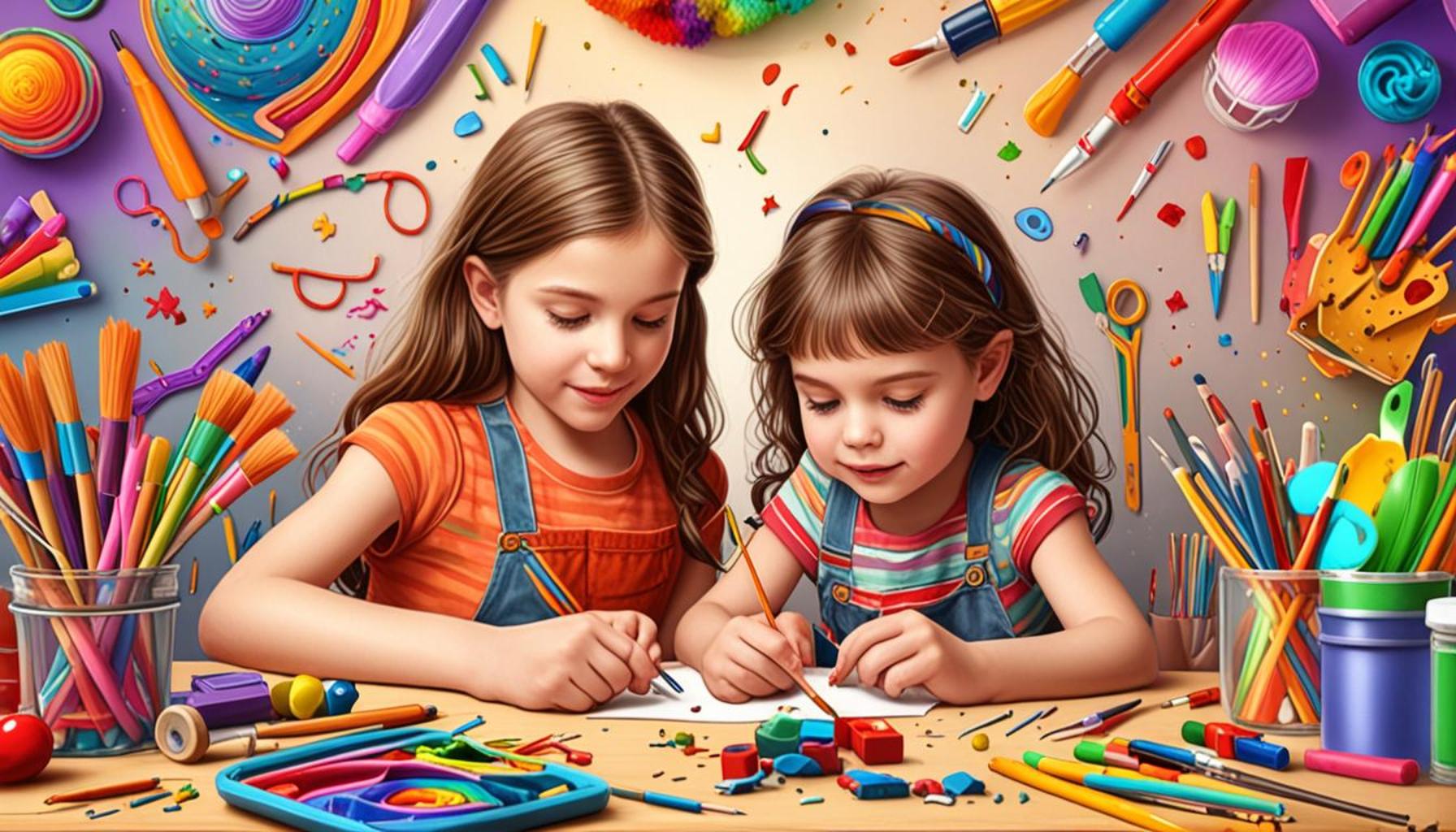
In today’s rapidly changing world, fostering creativity in children is more essential than ever. Engaging in craft activities not only provides kids with hands-on experiences, but it also plays a crucial role in their overall development. These creative hobbies serve as a platform for children to express their thoughts, emotions, and ideas in imaginative ways.
Why Creativity Matters
Research indicates that creativity contributes significantly to problem-solving skills, adaptability, and innovative thinking. By involving kids in crafts, parents and educators can help them develop important cognitive and emotional skills. Moreover, craft activities promote self-esteem and perseverance as children navigate their artistic pursuits.
What’s Ahead
This article will explore the Top 5 benefits of craft activities that enhance creativity in children. From the development of fine motor skills to facilitating emotional expression, discover how these engaging hobbies can enrich a child’s life and set the stage for future success.
Top 5: The Importance of Craft Activities for the Development of Creativity in Children
Fostering creativity in children is not only important for their personal growth but also plays a pivotal role in their cognitive development. Craft activities have emerged as a significant pathway through which children can explore their imaginative potential. In this article, we present the top five reasons why engaging children in craft activities is vital for nurturing their creativity.
5. Building Fine Motor Skills
One of the foundational benefits of craft activities for children is the development of fine motor skills. As children manipulate various craft materials such as scissors, glue, and paintbrushes, they enhance their hand-eye coordination and dexterity. Activities like cutting, gluing, and molding require precision and concentration, which encourages focused attention.
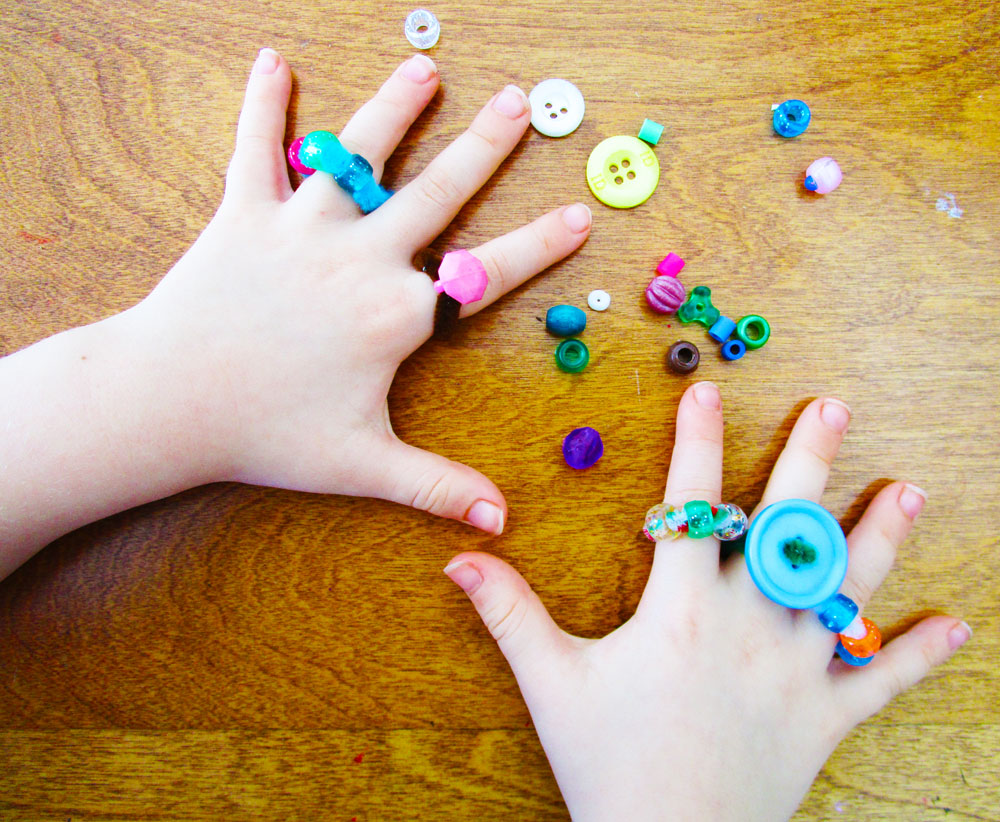
This cultivation of fine motor skills is crucial as it lays the groundwork for other essential tasks such as writing, typing, and completing daily routines. For instance, the ability to grasp and control a pencil effectively is directly related to the development of fine motor skills acquired during craft projects. Furthermore, these skills significantly contribute to a child’s confidence in their ability to create and execute their ideas. Each small achievement in completing a project can provide a lasting sense of accomplishment, reinforcing a child’s belief in their capabilities.
4. Fostering Problem-Solving Abilities
Crafts inevitably lead to challenges that require innovative solutions. When children engage in crafting, they often face dilemmas that require them to think critically and experiment with different approaches. Imagine a child trying to construct a model from popsicle sticks and finding they need a strategy to strengthen the structure. This situation prompts creativity and lateral thinking, as they might use materials like clay or adhesive reinforcements to fortify their creation.
By overcoming these challenges, children develop a mindset that views problems as opportunities for learning rather than obstacles. This renewed perspective fosters a problem-solving ability that is essential not only for creativity but also in preparing them for future academic and life challenges. Critical thinking is a skill that extends beyond the realm of crafting and encroaches into various aspects of daily life, empowering children with the tools needed to navigate complex situations independently.
3. Encouraging Imagination and Self-Expression
Craft activities act as a unique outlet for a child’s imagination. Given the freedom to create, children can express their thoughts and feelings in a visual format. This kind of self-expression is crucial for emotional development, as it allows children to translate abstract ideas into tangible forms.
In this context, crafting serves as an invaluable communication tool. Children can create projects that reflect their interests, values, and experiences, thereby sharing aspects of their identity. For caregivers and educators, observing a child’s craft project can offer invaluable insights into their emotional world and burgeoning sense of identity. Children’s drawings might depict superheroes or fairytale scenes, revealing their aspirations and dreams.
Some craft ideas that support this self-expression include:
- Doodle and Draw: Creating personalized art pieces that represent their feelings and ideas.
- Storytelling Through Crafts: Making characters and settings from favorite stories to create narrative tales.
- Designing Personal Projects: Building models or decorations that showcase individuality and creativity.
2. Enhancing Patience and Persistence
Crafting is an activity that often requires time and dedication. From planning and gathering materials to the completion of a project, children learn that some things cannot be rushed. Waiting for glue to dry or paint to set teaches patience, a virtue that is integral to many creative and real-life endeavors.
Moreover, not all projects turn out as planned, which offers children the chance to cultivate persistence. When faced with setbacks, learning to adapt and try again is a crucial phase in the creative process. These experiences reinforce resilience, a skill that supports a child’s ability to handle challenges beyond the crafting table. For example, if a project falls apart or the results do not match expectations, the experience of starting over or modifying techniques is a valuable lesson in not giving up.
1. Stimulating Creative Thinking
At the top of the list, the chief importance of craft activities lies in their ability to stimulate creative thinking. Crafting engages multiple cognitive faculties, including brainstorming, planning, and executing ideas. This multi-dimensional approach aligns well with divergent thinking—the ability to come up with multiple unique solutions to a problem.
Such cognitive flexibility is essential in today’s rapidly changing world where unconventional thinking is a prized skill. Craft activities also encourage children to look at everyday items in new and inventive ways, leading them to see the potential in everything—a cardboard box can become a spaceship; a rock can be a paperweight or a garden decoration. This ability to see beyond the conventional use of objects is a hallmark of innovative thinkers.
In conclusion, engaging children in craft activities is an investment in their future creative capabilities. It enables them to not just envision possibilities but also to implement them effectively while developing essential life skills simultaneously. Participating in crafts opens doors to endless potential, empowering children to explore their creativity confidently. The world of crafting is a vibrant landscape full of opportunity, where young imaginations can thrive and express their infinite potential.
| Category | Description |
|---|---|
| Enhanced Problem Solving Skills | Participating in craft activities significantly boosts children’s ability to analyze problems and devise creative solutions. As they experiment with materials and techniques, they learn to navigate challenges creatively. |
| Motor Skills Development | Crafting activities require the use of fine motor skills that help enhance a child’s coordination and dexterity. Manipulating various tools and materials strengthens hand-eye coordination and increases manual dexterity, which is essential for everyday tasks. |
| Boosting Self-Esteem | As children create their projects, they experience a sense of accomplishment which significantly boosts their confidence and self-esteem. Completing a craft allows children to appreciate their abilities and fosters a positive self-image. |
| Cognitive Development | Engagement in crafts requires critical thinking as children plan and execute their ideas. This process encourages cognitive flexibility and strengthens their ability to think abstractly, fostering innovation and creativity. |
The exploration of crafts serves as a profound insight into the multi-dimensional benefits of creativity in early childhood. Engaging in arts and crafts not only provides a creative outlet but also nurtures essential life skills, propelling children towards a well-rounded developmental trajectory. With every piece of creation, the magic of craftsmanship nurtures imagination, leading to endless possibilities.
Frequently Asked Questions about the Importance of Craft Activities for Children’s Creativity Development
How do craft activities stimulate creativity in children?
Craft activities offer children a valuable outlet for self-expression and experimentation with various materials and techniques. Through these projects, children learn to manipulate different items and find creative solutions to achieve their desired results. This process fosters their imagination and critical thinking, making them more adept at problem-solving.
What types of craft activities are most beneficial for children?
Various craft activities can be beneficial depending on the age and interests of the child. Activities such as painting, drawing, clay modeling, and collage provide children with diverse opportunities to explore textures, colors, and forms. Each activity encourages different skill sets and offers new ways to engage the senses and inspire creativity.
At what age can children start participating in craft activities?
Children can start engaging in simple craft activities as early as two years old under adult supervision. Activities like finger painting or playing with non-toxic play dough are excellent starting points. As children grow, more complex crafts can be introduced, allowing them to expand their skills and artistic expression gradually.
Are there any educational benefits associated with craft activities?
Absolutely. Craft activities can improve various aspects of a child’s educational development beyond creativity. They often aid in enhancing motor skills, hand-eye coordination, and concentration. Moreover, crafts can introduce basic concepts of math and science, such as shape recognition and understanding how different materials interact. These activities are crucial for a well-rounded educational experience.
Can craft activities help children with emotional development?
Yes, craft activities can be a powerful tool for emotional development. They often provide a safe space for children to express their emotions and work through feelings in a constructive manner. The process of completing a craft project also teaches patience and perseverance, building a sense of achievement and self-esteem.
Conclusion: The Artisan’s Mind in Childhood
The intricate world of handicrafts offers a treasure trove of benefits that go far beyond the colorful threads and vibrant papers typically associated with these activities. Through deliberate engagement in crafting, children are provided with a unique platform to harness and expand their creative potential. From the creation of a simple collage to the complexities of clay sculptures, these activities are critical as they nurture key aspects of a child’s development.
One of the most significant realizations from exploring this topic is that handicrafts do not merely serve as a pastime but as a gateway to cognitive and emotional growth. As children work through the processes of crafting, they cultivate problem-solving skills, improve fine motor skills, and make strides in emotional expression. In an era dominated by digital screens, the tactile experience of crafting poses a refreshing alternative, offering a break from the virtual world while fostering real-world skills.
Moreover, these activities foster patience and focus, qualities often lacking in today’s fast-paced environment. The repetitive nature of crafting is not monotonous but rather settles the young mind, encouraging attention to detail and a persistence that can translate into various facets of life. Importantly, crafting projects encourage children to think outside the box, stimulate innovation, and instill confidence in their creative abilities.
In summary, the importance of handicrafts in children’s development cannot be overlooked. As parents, educators, and society at large look to raise the next generation of thinkers, introducing and encouraging craft activities could be a pivotal step. For a future where creativity is not just an advantage but a necessity, nurturing it through crafting might be more than just beneficial—it might be essential.