The importance of crafts activities in the development of children’s creativity
The Role of Crafting in Child Development
Craft activities serve as an enriching avenue for children, allowing them to engage their creativity in meaningful ways. These tangible experiences not only provide enjoyment but also play a pivotal role in nurturing a child’s creative potential. The question arises: how do these activities contribute to their growth and development?
- Enhancement of Fine Motor Skills: Engaging in crafts like cutting out shapes, gluing pieces together, and painting with brushes significantly improves children’s hand-eye coordination and dexterity. For instance, a child who bends over to carefully cut along a dotted line is not just making art; they are honing their ability to control hand movements, which are essential for tasks like writing, typing, and even using utensils later in life.
- Boosting Problem-Solving Skills: Crafting encourages children to tackle challenges creatively. When they are faced with a design dilemma, such as how to assemble materials or choose colors, they are prompted to think outside the box for innovative solutions. For example, if a child wants to make a robot out of recycled materials and realizes they are missing a crucial part, they must figure out an alternative approach, thus fostering resilience and adaptability.
- Encouragement of Self-Expression: Arts and crafts enable children to express their emotions and thoughts visually. Whether through painting a canvas or assembling a scrapbook, they can communicate feelings that might be difficult to articulate in words. This form of expression can be particularly beneficial during times of emotional upheaval or change, such as moving to a new home or navigating friendships.
In the United States, various programs emphasizing arts and crafts in educational settings reveal impressive outcomes. Schools that integrate crafting into their curricula report that students not only demonstrate enhanced academic performance but also exhibit better emotional regulation and social skills. For example, initiatives like the “Arts in Education” program, which provides resources and training for educators, show that students engaged in arts more often experience a boost in their overall academic pursuits. This correlation suggests that crafting could be fundamental in shaping emotional resilience and academic success.
Exploring the relationship between crafting and child development invites educators, parents, and policymakers to reconsider how creative activities are integrated into daily routines. By making crafts a priority, we can ignite a spark of imagination and innovation in today’s youth, providing them with tools for a successful future. As we investigate the profound benefits of crafting, it becomes clear that it serves as a bedrock for developing critical thinking, collaboration, and functionality in young lives.
DIVE DEEPER: Click here to discover exciting DIY projects
Unleashing Imagination Through Crafting
Craft activities serve as a vibrant canvas for children to explore their imagination and express the world around them. These activities invite children to step outside their comfort zones, encouraging experimentation and exploration, which are crucial elements in cultivating their creative abilities. But beyond mere enjoyment, these hands-on experiences foster critical cognitive and emotional development.
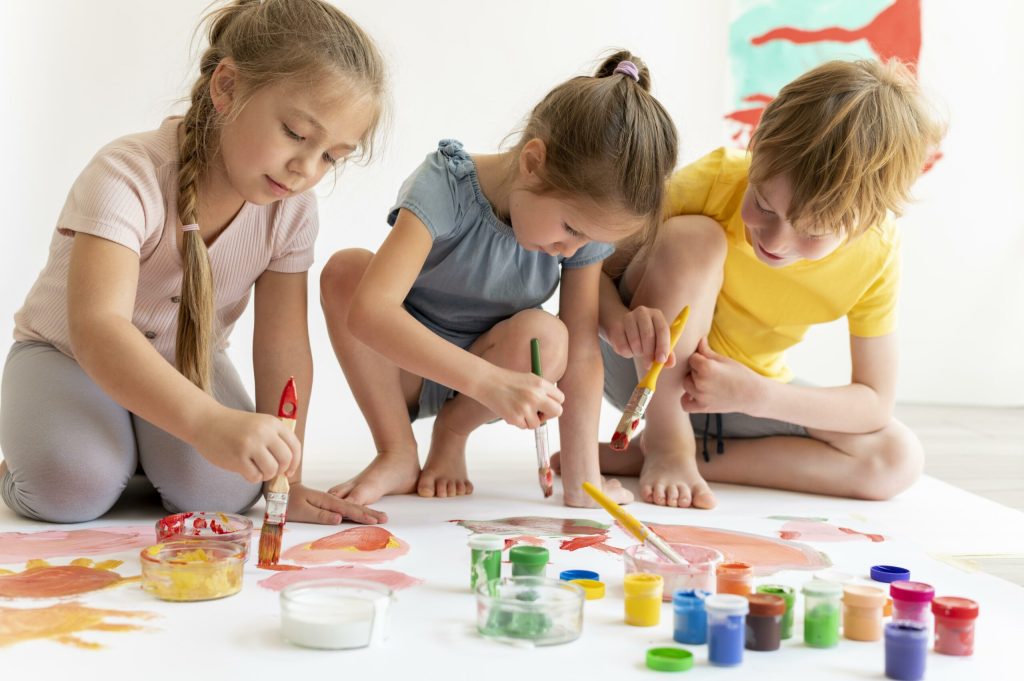
One of the most significant advantages of engaging children in craft activities is the opportunity to explore their creativity and individualism. When presented with an array of materials—ranging from paints and colored paper to recyclable items—children learn to see potential in everyday objects. A simple cardboard box can morph into a rocket ship or a dollhouse, emphasizing that creativity knows no bounds.
Academic and Social Benefits
Research shows that children who participate in arts and crafts are often more academically engaged and socially adept. A survey conducted by the National Endowment for the Arts found that students who engage in arts and crafts display higher levels of focus and participation in school settings. These benefits unfold in several key areas:
- Cognitive Development: By allowing children to make decisions about their craft projects, they exercise their brains and develop critical thinking skills. This type of active engagement encourages analytical thinking; for instance, deciding what materials to use or figuring out the best way to create a desired effect enhances their problem-solving abilities.
- Social Interaction: Crafting is often a collaborative effort. Whether working with peers at school or alongside family members at home, children develop vital social skills such as communication and teamwork. These interactions can build their confidence, making it easier for them to share ideas and express themselves to others.
- Emotional Well-Being: Crafting activities offer a powerful outlet for self-regulation and emotional expression. Creating art can be therapeutic, providing children an opportunity to process their feelings in a safe and constructive manner. This can foster emotional intelligence and resilience, helping children navigate life’s challenges with a more balanced perspective.
Moreover, the significance of crafts extends beyond childhood; it lays the groundwork for lifelong skills. The ability to think creatively and work collaboratively is increasingly valued in today’s dynamic workforce. Employers actively seek individuals who demonstrate innovative problem-solving and teamwork skills. By integrating crafting into children’s routines, we are not only enhancing their immediate developmental needs but also equipping them with tools for future success.
As parents, educators, and communities begin to appreciate the profound effects of crafting on children, it becomes clear that incorporating art and creative activities can serve as a powerful catalyst for growth. In a world that often emphasizes standardized testing and rigid educational structures, embracing craft activities can bring a much-needed balance, allowing children to flourish both academically and socially.
| Advantage | Description |
|---|---|
| Development of Fine Motor Skills | Craft activities such as cutting, gluing, and molding help enhance children’s fine motor skills, crucial for everyday tasks. |
| Boosting Problem-Solving Abilities | Engaging in crafts encourages children to think critically and find creative solutions to challenges they encounter during projects. |
| Encouraging Self-Expression | Crafts provide a platform for children to express their thoughts and emotions, fostering a deeper understanding of themselves. |
| Enhancing Concentration | Crafting activities demand focus and patience, thus improving children’s concentration skills which are beneficial in academic settings. |
Stimulating children’s creativity through crafts activities not only enriches their imaginative capabilities but also builds foundational skills essential for lifelong learning. From developing capabilities to articulate emotions through art to refining precision in hand movements, the significance of these activities remains profound in a child’s overall development. Research indicates that the earlier children engage in creative activities, the more adept they become at problem-solving and thinking outside the box, directly impacting their educational journey and personal growth. Curiosity and exploration are further encouraged when children are given the materials and freedom to create, leading to a greater understanding of the world around them. Furthermore, integrating crafts in educational settings can create a more dynamic learning environment, contributing to a holistic approach that caters to various learning styles. The interactions fostered by collaborative projects help improve social skills and teamwork. Truly, the importance of crafts extends well beyond mere creation; it lays a robust foundation for cognitive, social, and emotional development in children.
DIVE DEEPER: Click here to discover the benefits of art therapy
Fostering Skills for Lifelong Learning
Craft activities not only engage children creatively but also play a pivotal role in the development of essential skills that transcend artistic expression. Through hands-on projects, children gain exposure to various techniques and materials, which cultivate their fine motor skills and overall dexterity. This is particularly evident in activities like sewing, painting, or sculpting, where precise movements are essential. According to a study published in the Journal of Applied Developmental Psychology, children who participate in crafting show notable improvement in their hand-eye coordination, which is vital for their future learning endeavors.
Moreover, one of the most rewarding aspects of crafts is the instant feedback they provide. When children create, they witness the tangible results of their efforts, reinforcing their sense of accomplishment. This positive reinforcement is critical for fostering a growth mindset, which encourages children to embrace challenges, learn from failures, and persevere through difficulties—attributes that are necessary for successes in any domain of life.
Connecting with Cultural Heritage
Crafts play an integral role in transmitting cultural heritage and fostering a sense of identity. Engaging in traditional crafts from various cultures allows children to appreciate their background while also exploring the richness of diverse practices. For example, weaving, pottery, and various forms of textile art offer children a way to connect with their ancestry or understand the cultures of their peers. This cross-cultural exchange promotes respect, empathy, and a broader worldview, enhancing their overall creativity as they amalgamate different influences into their own unique expressions.
Creativity also flourishes in environments that encourage personal reflection and narrative expression. Crafting can be combined with storytelling, allowing children to turn their stories into visual art. This approach not only stimulates creative thinking but also promotes critical literacy skills, enabling children to articulate their thoughts more clearly. A report by the Arts Education Partnership emphasizes that children who engage in such creative writing and art projects have a better command of language and communication skills, which serve them well academically.
Building Resilience and Emphasizing Process Over Product
In an age where perfection is often prized, crafts reinforce the significance of the process over the end product. Children learn that it is entirely acceptable for their creations to be imperfect, thus promoting a healthy attitude toward failure. The tactile nature of crafting encourages children to embrace their mistakes as opportunities for learning, fostering resilience—an invaluable trait in both academic and personal life. Insights from psychologists highlight that children who participate in creative activities regularly demonstrate lower levels of anxiety and higher levels of optimism.
Additionally, the practice of reflection during crafts allows children to build their emotional vocabulary. When asked to describe their thoughts and emotions during the crafting process, children articulate their feelings more openly, ensuring they remain attuned to their emotional states. This self-awareness and expression is crucial for developing emotional intelligence—a skill that greatly enhances interpersonal relationships in their future.
In sum, integrating craft activities into the daily routines of children goes beyond mere creativity; it fosters a comprehensive foundation for cognitive, emotional, and social skills necessary for a successful adulthood. As crafting continues to bridge the gaps between learning, culture, and emotional development, it shapes well-rounded individuals who can navigate the complexities of life with creativity and confidence. This holistic approach ensures that children grow into innovative thinkers prepared to face the future’s challenges head-on.
DISCOVER MORE: Click here to dive deeper
Conclusion
In conclusion, the significance of craft activities in nurturing children’s creativity cannot be understated. Engaging in hands-on crafting experiences not only stimulates creative expression but also equips children with vital skills that serve them throughout their lives. From enhancing fine motor skills to fostering resilience and an appreciation for cultural heritage, the myriad benefits of crafting are profound.
As children navigate the world of craft, they learn to communicate their thoughts and emotions, enabling enhanced emotional intelligence that will benefit their future relationships. Moreover, the emphasis on the creative process over perfection lays the groundwork for a growth mindset, encouraging them to take risks and view failures as valuable learning experiences.
The research and insights gathered in this article underscore the important role crafting plays in the holistic development of children. Parents, educators, and community members are encouraged to prioritize and integrate crafting into children’s lives, creating environments that promote exploration and creativity. The connections forged through crafting—not only to traditions and cultures but also to oneself—embody the core of what it means to be creatively alive.
In a rapidly evolving world, it is essential to cultivate the next generation of innovative thinkers and problem solvers. By fostering their creativity through craft activities, we are preparing children not just for academic success, but also for a rich and fulfilling life characterized by curiosity, empathy, and resilience. Therefore, investing in crafts is an investment in a brighter future for our children.