Developing Writing Skills Through Collaborative Projects: The Importance of Teamwork
The Transformative Impact of Teamwork in Writing
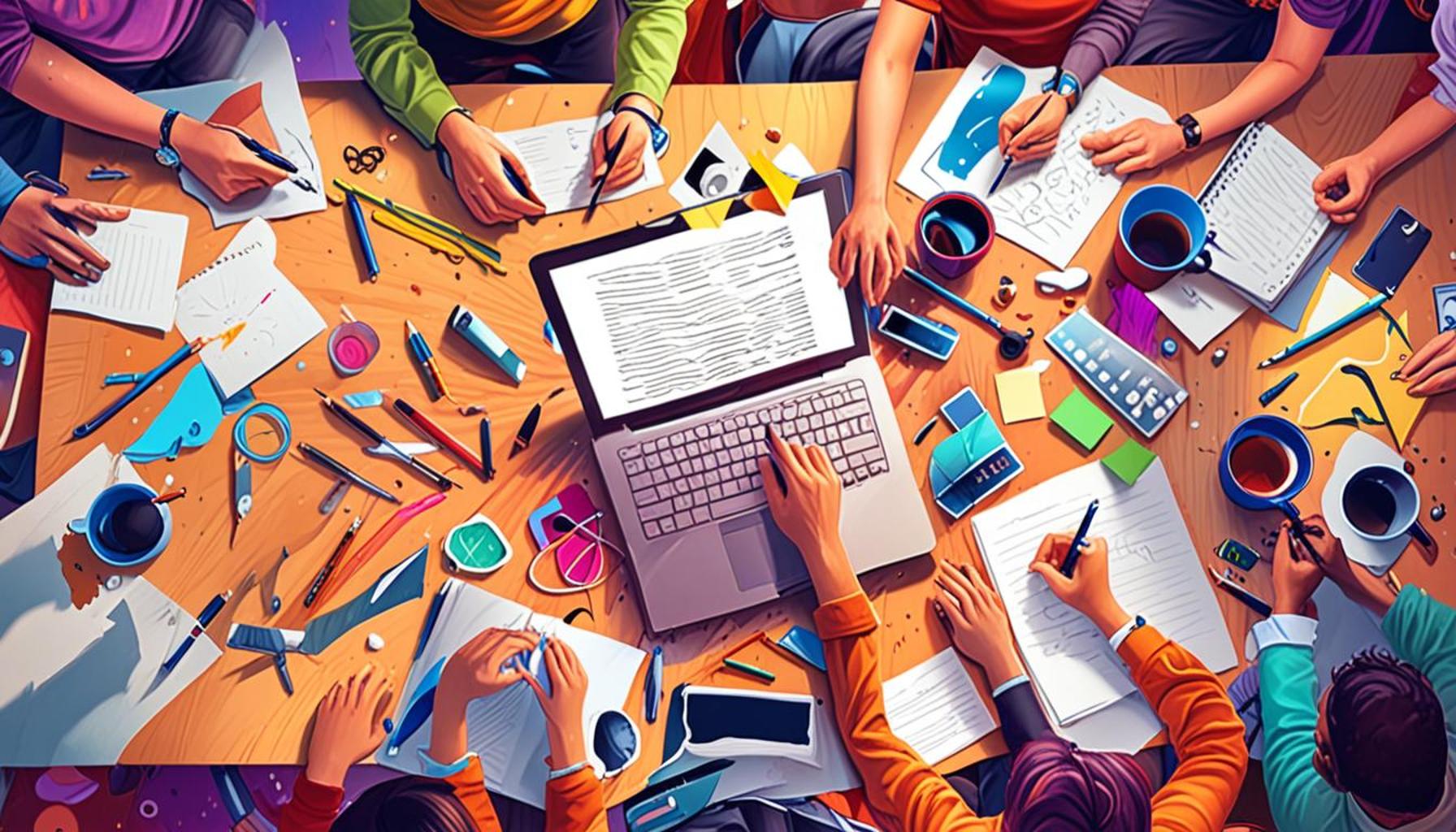
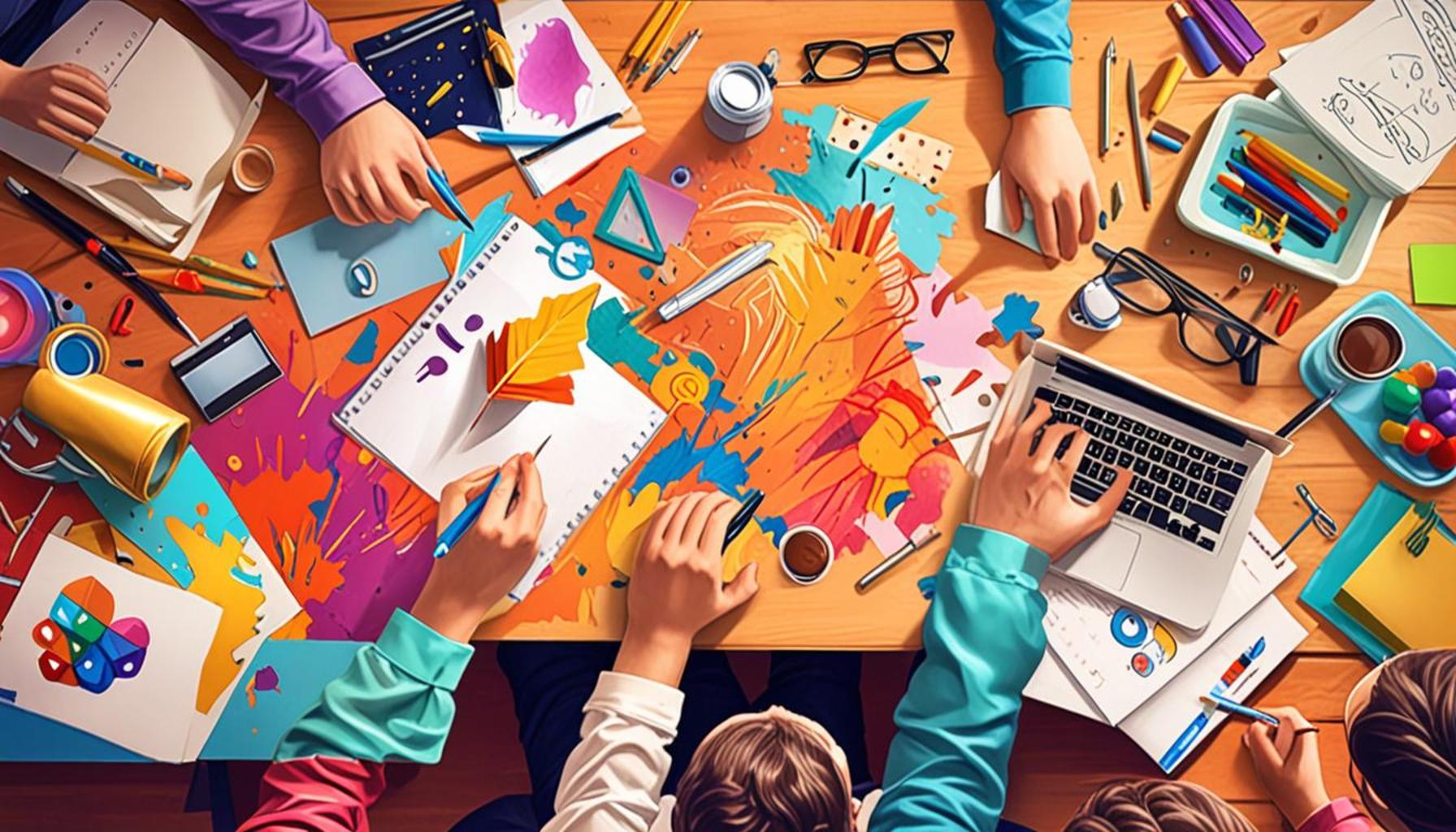
In an era where connectivity reigns supreme, personalized pursuits in writing are increasingly giving way to collaborative efforts that yield exceptional outcomes. Engaging in collaborative writing projects is more than a mere exercise in teamwork; it is a powerful approach to enhancing essential writing skills. When writers come together, the collective energy and shared objectives can metamorphose a solitary endeavor into a dynamic and enriching experience.
Diverse Perspectives
One of the compelling benefits of collaboration is the infusion of diverse perspectives. Individuals from different backgrounds bring unique viewpoints that can significantly enhance creativity. For instance, a group writing a research paper on climate change may include environmentalists, social scientists, and policy analysts, each contributing their expertise. This multilayered approach fosters a more comprehensive understanding of the topic, leading to innovative ideas that may not have emerged in isolation.
Shared Expertise
Additionally, each team member can contribute their specialized knowledge, which not only promotes deeper understanding but also leverages the strengths of each individual. For example, a marketing team may include graphic designers, content strategists, and SEO specialists, allowing them to produce compelling content that would be challenging to achieve alone. Such collaborations empower individuals to learn from one another and expand their skill sets through real-time interaction.
Constructive Feedback
Collaboration also nurtures a culture of constructive feedback. When writers review each other’s work, they provide immediate critiques that can enhance the writing process. This element is particularly beneficial in academic settings, where peer review can sharpen arguments and improve clarity. A study conducted at a university demonstrated that students who engaged in peer editing showed improved writing scores by an average of 20% compared to those who worked independently.
Accountability and Deadlines
Moreover, teamwork instills a sense of accountability, driving individuals to meet shared deadlines and maintain high-quality standards. This pressure to perform collectively not only fosters productivity but also adds a layer of professionalism to the writing process. For instance, co-authors of a book are motivated to ensure that their contributions meet shared expectations, which can lead to a polished final product.

Beyond technical skills, collaborative writing cultivates essential life skills such as communication and negotiation. Group projects in educational settings, like those found in American high schools or universities, challenge students to articulate their thoughts, resolve conflicts, and integrate feedback from peers. Similar initiatives—like cooperative blogging teams or editorial committees—allow individuals to practice these skills in a real-world context, preparing them for future collaborative endeavors.
Exploring the concept of “Developing Writing Skills Through Collaborative Projects” reveals that these teamwork experiences are not supplementary but rather foundational to effective writing in various domains. As the landscape of writing continues to evolve, mastering the art of collaboration is pivotal for achieving success and harnessing the full potential of collective creativity.
DISCOVER MORE: Click here to learn how craft activities boost creativity in children
Fostering Innovation Through Collaboration
When individuals collaborate on writing projects, they create an environment ripe for innovation and creativity. The synergy found in a well-structured team can lead to breakthroughs in content creation and narrative style that would be difficult to achieve alone. When various minds converge, they generate a brainstorming atmosphere that can produce fresh ideas and inventive solutions. In educational settings across the United States, for instance, students employed in collaborative workshops often showcase a blend of styles and approaches, enhancing the rich fabric of their collective writing.
Building Communication Skills
Engaging in collaborative writing projects is not solely about the written word; it also serves as a platform for honing vital communication skills. Effective communication is crucial within a team, as each member must articulate their visions and objectives clearly while being open to the ideas presented by others. This back-and-forth dynamic can be challenging, but it ultimately leads to improved proficiency in both verbal and written communication. Research has shown that teams that practice regular communication in collaborative writing projects can see an uptick in their ability to express complex ideas succinctly.
Structured Organization and Planning
Collaboration also teaches writers the power of structured organization and planning. When embarking on a group project, teams often have to devise a plan that outlines each member’s responsibilities, timelines, and submission deadlines. This process not only aids in creating a cohesive final product, but it also instills a sense of discipline required for effective writing. A literary magazine produced by students often comes with multiple drafts, edits, and revisions, testing the team’s ability to plan efficiently and stay on course while working towards a shared goal.
The Role of Conflict Resolution
Another essential aspect of collaboration is the art of conflict resolution. Disagreements are natural in any group dynamic, particularly when the stakes are high. Successfully navigating these conflicts allows team members to dive deeper into discussions, ultimately leading to more robust arguments and richer narratives. By engaging in conflict resolution, writers enhance their ability to negotiate and mediate differing opinions, which can improve the overall quality of work produced. In many high school and college writing programs, students participate in group debates that allow them to practice these skills in a supportive environment.
Real-World Application of Skills
The skills acquired through collaborative writing projects directly translate to the professional world. Many employers highly value teamwork and collaboration as pivotal skills for success. In industries ranging from journalism to content creation and marketing, the necessity of producing polished work in a team setting is paramount. As a result, students who engage in group writing projects gain experience that makes them more marketable in today’s competitive job landscape. Through collaboration, they not only sharpen their writing skills but also showcase their readiness to tackle real-world challenges.
Ultimately, the process of developing writing skills through collaborative projects plays a vital role in preparing individuals for both academic and professional success. Drawing on the benefits of collective creativity, communication, organization, and problem-solving, collaborative writing offers a transformative path that enriches the writing experience in significant ways.
Collaborative projects provide a unique framework through which individuals can hone their writing skills while benefiting from teamwork. Engaging with peers allows writers to explore different perspectives, thereby enriching their writing style and approach. This collaboration can lead to a deeper understanding of various writing techniques and genres, as individuals share their knowledge and feedback with one another. Furthermore, working as a team often fosters a sense of accountability, motivating each participant to contribute their best work.
One significant advantage of collaborative writing is the opportunity for constructive criticism. Team members can review each other’s work, providing insights that may not have been considered by the writer alone. This exchange of ideas not only helps to refine individual pieces of writing but also encourages writers to be more receptive to feedback. This aspect of teamwork is crucial, as it cultivates a growth mindset, pushing individuals to improve their writing continuously.
Additionally, collaborative projects often require the integration of various skills beyond writing. Participants may find themselves needing to organize information, develop a thesis, or synthesize different viewpoints. These tasks further enhance overall communication skills, which are essential in any writing-focused endeavor. By blending writing with team dynamics, individuals learn how to articulate their thoughts clearly and concisely, a skill that is invaluable both in academic and professional settings.
As teams complete their projects, they not only create a finished document but also develop a sense of camaraderie and shared accomplishment. These experiences underline the importance of teamwork in writing, showcasing how collaboration can lead to outstanding results while enhancing individual writing capabilities. This dual focus on teamwork and writing illustrates a vital connection that can lead to improved academic performances and future success in professional environments.
| Category | Advantages of Teamwork in Writing |
|---|---|
| Enhanced Feedback | Collaborators provide diverse insights, helping to refine individual writing. |
| Skill Development | Collaboration encourages the integration of various writing techniques and communication skills. |
Collaborative writing projects not only enhance the quality of work produced but also equip individuals with essential writing skills for future challenges, creating a lasting impact on their personal and professional growth.
DIVE DEEPER: Click here to discover the impact of musical communities
Encouraging Diverse Perspectives
One of the most significant advantages of collaborative writing projects is the opportunity to explore diverse perspectives that team members bring to the table. Diverse backgrounds, experiences, and viewpoints enrich the writing process, allowing authors to delve into topics more deeply and from multiple angles. For instance, in a collaborative writing exercise at a university, students from different cultural backgrounds may approach the same assignment with unique insights, resulting in a more holistic and nuanced narrative. This exposure to varying opinions fosters empathy and a stronger understanding of complex issues.
Enhancing Editing and Feedback Skills
Collaboration allows writers to engage more robustly with editing and feedback skills. In any group writing project, peer review becomes a vital component. Students learn the nuances of providing constructive criticism while becoming more adept at accepting feedback on their own work. For example, a high school creative writing class may engage in sessions where students read each other’s drafts, learning to identify areas for improvement and areas of strength. This peer-to-peer interaction helps diminish personal biases and encourages a deeper investment in the quality of the collaborative output.
Utilizing Technology for Collaboration
In the digital age, technology has transformed the landscape of collaborative writing. Platforms like Google Docs, Microsoft Teams, and other cloud-based tools have made teamwork more accessible and engaging, allowing writers to collaborate in real-time, regardless of location. This aspect of technology promotes ongoing dialogue and brainstorming. For instance, a group of college students can simultaneously edit and comment on a shared document, enhancing their digital literacy while also improving their writing skills. As studies show, mastering these tools not only supports current collaborative efforts but also prepares students for an increasingly tech-savvy workforce.
Developing Leadership Skills
Collaborative writing projects offer a fertile ground for developing leadership skills. In a setting where roles can rotate, students have the opportunity to take the lead on specific sections or projects. This leadership experience teaches critical skills such as delegation, motivation, and accountability. For example, a student assigned as a project leader in a group essay must ensure that deadlines are met, and the voices of all team members are heard. Such experiences provide valuable lessons in both leadership and teamwork, crucial for success in any professional environment.
Creating a Sense of Community
Engaging in collaborative writing fosters a sense of community and belonging among participants. Working towards a common goal helps build camaraderie and strengthens relationships. Whether in a college setting, a writing workshop, or a corporate environment, the collaboration nurtures an inclusive atmosphere where individuals feel valued for their contributions. This sense of belonging can lead to increased motivation and greater overall commitment to producing high-quality work.
As the landscape of education and the workforce continues to evolve, the skills honed through collaborative writing projects become indispensable tools. The emphasis on teamwork and the multifaceted benefits of collaborating ensures that writers, regardless of their stage in life, are better equipped to navigate both academic and professional challenges. By leveraging diverse perspectives, enhancing editing skills, utilizing technology, developing leadership, and fostering community, collaborative projects pave the way for enriched writing experiences that extend beyond the page.
DIVE DEEPER: Click here to enhance your skills
Conclusion
In a world increasingly driven by collaboration, developing writing skills through teamwork is not just beneficial; it is essential. The dynamic nature of collaborative projects allows writers to embrace diverse perspectives, thereby enriching their narratives and enhancing their empathic understanding of complex social issues. As outlined in the discussions, the interplay between editing and feedback skills emerges as a cornerstone of growth; writers who engage in peer review cultivate an environment where constructive criticism fosters improvement and resilience.
The integration of technology into collaborative writing further enhances the learning experience. With tools like Google Docs and Microsoft Teams, writers can connect remotely, enabling real-time brainstorming and editing that reflects the modern workplace. This digital literacy not only streamlines the collaborative process but also equips students with the necessary skills to thrive in a tech-driven environment.
Moreover, collaborative projects serve as a launching pad for developing vital leadership skills and a sense of community. By taking ownership of their roles within a team, individuals learn the importance of accountability and the value of diverse contributions, fostering a shared commitment to quality work. In essence, as individuals journey through collaborative writing experiences, they emerge not only as better writers but also as more adaptable and cooperative contributors to society.
Ultimately, the significance of teamwork in developing writing skills cannot be overstated. It prepares individuals for both academic and professional challenges while cultivating a collaborative spirit that is crucial for success in an interconnected world. As educational environments continue to embrace these collaborative methodologies, writers will further harness their creativity, build meaningful relationships, and gain practical experiences that extend far beyond the confines of the written page.