Art and Nature: How to Incorporate Natural Elements into Your Artistic Projects
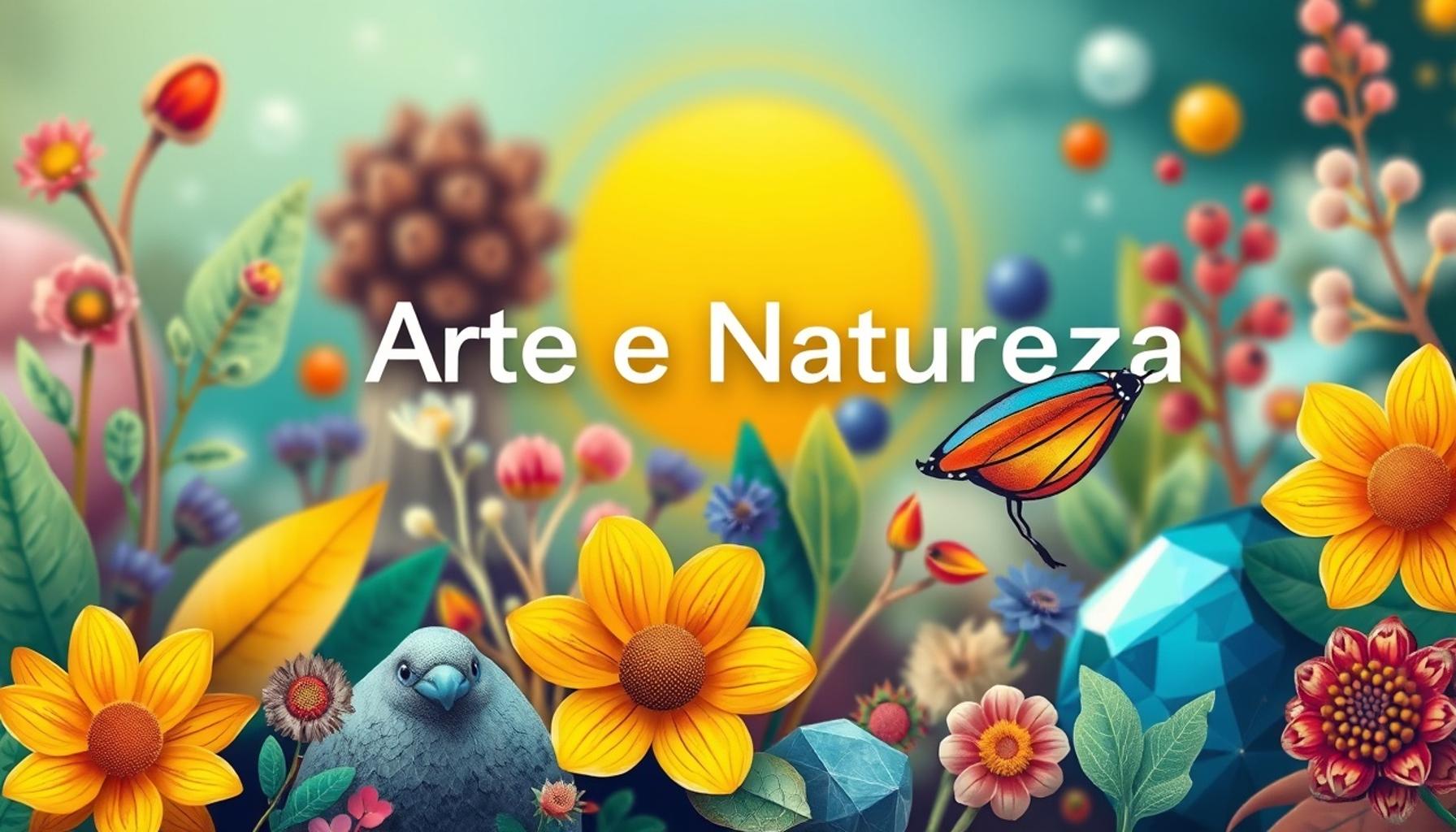
Embracing Nature Through Art
Art possesses a unique ability to bridge the gap between humanity and our environment. When we incorporate natural elements into our artistic endeavors, we not only tap into a wellspring of creativity but also celebrate the beauty that surrounds us. This practice fosters a deeper connection to the world, inviting us to observe and appreciate nature in new and profound ways.
Consider the tactile sensations provided by materials sourced from nature. The rough texture of tree bark can serve as a compelling backdrop for a mixed-media piece, while the delicate forms of leaves can be pressed into clay or wax to create intricate designs. Additionally, vibrant sunset palettes can inspire vibrant paintings, imbuing works with the emotive power of color derived directly from nature’s canvas. Furthermore, the rhythmic sound of a flowing river might inspire the pace of a performance piece, linking movement and sound to the environment.
- Use of organic materials: Nature offers an endless supply of materials like leaves, stones, and flowers that can be transformed into art. Artists often use locally sourced items to create eco-friendly sculptures, handcrafted jewelry, or even textured wall hangings that reflect local environments.
- Inspiration from landscapes: From sweeping desert vistas in the Southwest to the lush forests of the Pacific Northwest, these breathtaking scenes can serve as the foundation for paintings and sculptures. An artist might capture a sunrise over the Grand Canyon or the tranquil beauty of Oregon’s coastline, translating the majesty of these locations onto canvas.
- Natural light: The interplay of light and shadow can dramatically alter how artwork is perceived. Artists can explore these dynamics through outdoor installations or by setting up their studios in locations where natural light plays a significant role in illuminating their work.
Living in the United States, we are particularly lucky to have access to an array of ecosystems—from the towering peaks of the Rocky Mountains to the tranquil shores of Florida’s Emerald Coast. Each environment offers a rich tapestry of textures, colors, and sounds that can inspire countless artistic projects.
This exploration into blending nature with artistry opens avenues for employing various techniques and ideas that bring the two together harmoniously. As we delve into specific strategies for sourcing materials and integrating the wonders of nature into creative works, artists will find encouragement to view their surroundings through a lens of appreciation and innovation. This not only enhances artistic expression but also fosters a commitment to environmental stewardship, urging us to protect the very landscapes that fuel our creativity.
Integrating Natural Materials into Your Art
As artists seek to intertwine their work with the essence of nature, the use of organic materials stands out as a foundational approach. Materials such as twigs, sand, feathers, and seashells become more than mere components; they evolve into storytellers, each piece holding memories of its origins. Engaging with local environments allows artists to create unique and eco-conscious pieces that resonate deeply with viewers. Whether collecting pebbles from a nearby riverbank or utilizing dried flowers from a hike, these elements can add an intimate touch to artistic creations.
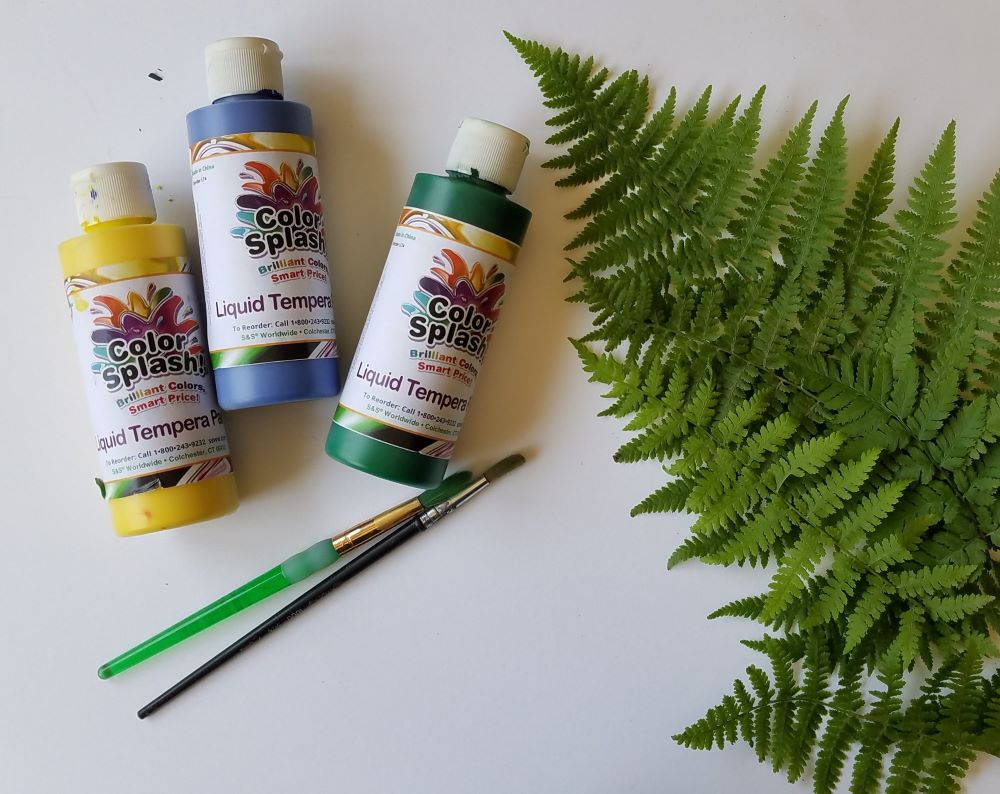
For instance, the art of eco-printing involves using leaves and other plant materials to transfer dyes onto fabrics or paper, resulting in stunningly organic patterns. This method not only celebrates the intrinsic beauty of plant life but also promotes a sustainable art practice. Artists can experiment with various natural pigments derived from flowers, roots, and minerals, fostering a connection not only to the materials themselves but also to the environment.
Another approach to incorporating nature is through the creation of nature-inspired sculptures. Artists can assemble natural items such as driftwood, stones, and fallen branches to construct three-dimensional artworks that mimic the delicate architecture of ecosystems. These sculptures often reflect local landscapes, allowing viewers to appreciate the intricate details of their surroundings from a fresh perspective. Photographers, too, can benefit from using natural elements as backdrops or focal points, capturing the interplay between light, shadow, and texture.
- Site-Specific Installations: Merging art with nature can be taken to new heights through site-specific installations. These artworks are designed to integrate seamlessly with their environments, often using natural materials sourced from the location itself. An artist might arrange stones on a riverbank or lay out a colored sand mandala on a beach, creating a temporary dialogue between the piece and the environment.
- Natural Textures: When exploring artistic techniques, consider utilizing natural textures to enhance visual appeal. Materials like burlap, jute, and raw cotton can introduce warmth and depth to mixed media projects, bringing an organic feel into traditional settings.
- Sound Art: The sounds of nature can simultaneously inspire and become a medium for art. Artists can record the auditory beauty of chirping birds, rustling leaves, or flowing water, creating immersive experiences that transport viewers directly into the heart of the natural world.
Engaging with nature provides artists with a treasure trove of inspiration. Such integration initiates a transformative journey that not only enhances creativity but also deepens the commitment to the environment. As the line between art and nature blurs, artists are inspired to advocate for ecological preservation through their creative expressions, ensuring that future generations can continue to find beauty in the natural world.
Exploring Natural Materials
In the realm of art, incorporating natural elements can significantly enhance the authenticity and emotional connection of your projects. Artists have long embraced materials such as wood, stone, and plant fibers, which resonate with organic qualities. These materials offer unique textures and colors, allowing creatives to express a closer bond with nature. By utilizing elements like sand, clay, and natural pigments, artists not only celebrate the Earth’s bounty but also promote sustainability.
Nature as Inspiration
Incorporating natural elements into art is not limited to the use of materials alone; it also extends to themes and inspiration. Consider the vibrant hues of a sunset or the intricate patterns of leaves as muses for your projects. Artists can capture the essence of changing seasons, weathered landscapes, or even the behavior of wildlife to evoke deeper emotional responses from viewers. This connection to nature enriches the storytelling aspect of art and invites an exploration of environmental consciousness.
Techniques to Blend Art and Nature
Experimenting with various techniques can also yield stunning results when combining natural elements into your work. For instance, artists can embrace outdoor painting, known as plein air, which encourages a direct engagement with the surrounding environment. Collage techniques that incorporate dried flowers or leaves can add a tactile dimension to mixed-media art. By integrating natural textures into digital artworks, artists can juxtapose organic and modern aesthetics, creating captivating visual narratives.
Ultimately, merging art with nature not only enriches the creative process but also aligns with a growing movement towards sustainable practices within the art community. By seeking inspiration from the world around us and utilizing natural materials, artists become stewards of the environment, cultivating a deeper understanding of their role within it.
| Advantages | Description |
|---|---|
| Sustainability | Using natural materials reduces reliance on synthetic products, promoting eco-friendly practices in art. |
| Emotional Connection | Natural elements evoke feelings of nostalgia and tranquility, creating a stronger bond between the artwork and its audience. |
Exploring Nature as Inspiration
Beyond the tangible materials that artists can utilize, nature serves as an endless source of inspiration that can spark creativity in myriad forms. The colors of a sunset, the intricate patterns on a leaf, and the sounds of a forest all contribute to artistic expression in ways that resonate with viewers. By observing the environment, artists can translate these impressions into forms that mirror the beauty and complexity of the natural world.
One compelling method of drawing inspiration from nature involves utilizing the concept of biophilia—the innate human affinity for the natural world. This connection not only nurtures creativity but also shapes the emotional impact of art. Artists such as Andy Goldsworthy have honed this principle, constructing ephemeral installations with leaves, ice, and stones that emphasize the transitory beauty of nature. Goldsworthy’s work challenges viewers to consider their relationship with the environment, prompting reflection on our place within these ecosystems.
Furthermore, art can also take the form of land art, which focuses on creating large-scale artworks in natural landscapes. This genre bridges the gap between environmental awareness and artistic expression, allowing for dynamic collaborations with nature. For example, Robert Smithson’s “Spiral Jetty,” a massive earthwork located in the Great Salt Lake of Utah, alters the landscape while inviting viewers to engage with the environment in a dramatic new light. As artists increase their awareness of their surroundings, they can create works that invite others to participate in the exploration of nature.
- Community Projects: Embracing collective creativity can amplify the impact of art within an ecological context. Artists can initiate mural projects that depict local flora and fauna, thereby celebrating the unique biodiversity of a community. These collaborative endeavors not only beautify urban environments but also enhance ecological consciousness among residents.
- Storytelling Through Art: Nature narratives can inspire profound artistic expressions. Artists can create pieces that reflect local lore or Indigenous stories, capturing the interconnected history and relevance of natural landscapes. Works that depict themes of conservation and stewardship can ignite discussions about our responsibilities toward the environment.
- Digital Integration: In the modern landscape of art, digital technology offers versatile platforms for integrating nature into artistic projects. Virtual reality experiences can transport viewers into immersive landscapes, fostering a connection with environments they may have never encountered. Moreover, augmented reality applications allow artists to overlay natural images onto real-world scenes, enriching the viewer’s interaction with their surroundings.
By channeling both materials and inspirations from nature, artists can produce works that are not only visually captivating but also brimming with meaning. Utilizing a multidimensional approach that incorporates community engagement, storytelling, and technology allows for a rich exploration of the relationship between art and the natural world. This blend of artistic practices encourages a renewed appreciation for our planet, instilling a sense of responsibility to protect it through the act of creation.
Conclusion
Incorporating natural elements into artistic projects not only enhances the aesthetic value of art but also deepens its connection to the audience and the environment. By leveraging natural materials and drawing inspiration from the beauty of the world around us, artists can create pieces that resonate emotionally and intellectually with viewers. Artistic expressions—whether through land art, community murals, or digital installations—can propel important conversations about conservation and our role in preserving the planet.
As seen in the works of renowned artists like Andy Goldsworthy and Robert Smithson, the fusion of art and nature encourages not only personal reflection but also fosters a wider cultural dialogue. By utilizing collaborative efforts and storytelling techniques, artists can build a strong sense of community while promoting ecological awareness. The integration of technology further enhances the accessibility of nature, allowing individuals to experience landscapes in innovative and engaging ways.
Ultimately, the relationship between art and nature is one of reciprocal influence, where each inspires and enriches the other. As we continue to explore and push boundaries in our artistic practices, it is crucial to remain mindful of our environment and the messages we convey through our work. Embracing the natural world in our art can offer profound insights, renew our appreciation for the planet, and embolden a collective responsibility to safeguard its beauty for future generations. As you embark on your own artistic journey, consider how integrating elements of nature can transform not just your art, but also the perspectives of those who encounter it.