Art as a Form of Activism: Exploring How Artists Are Using Their Works to Address Contemporary Social and Political Issues
Art as a Catalyst for Change
Throughout history, art has served as a powerful means of expression. Today, it plays a pivotal role in addressing pressing social and political issues. From street murals to digital installations, artists are harnessing their creativity to spark conversations and inspire action. The ability of art to convey complex emotions and themes makes it an invaluable tool for promoting social awareness and inciting change.
Artists around the world are increasingly using their platforms to tackle a multitude of issues, each resonating deeply with contemporary audiences. Some of these critical areas include:
- Racial injustice – Prominent artists such as Kehinde Wiley and Kara Walker use their work to confront and challenge historical stereotypes and systemic inequalities. Wiley’s portraits often depict people of color in classical poses, thereby reclaiming narratives that have long been dominated by white artists. Street artists like Banksy also address racial issues with sharp satire and poignant imagery, forcing viewers to reconsider their perspectives on society and privilege.
- Climate change – Environmental artists like Olafur Eliasson create immersive art installations that not only captivate audiences but also educate them about the urgency of ecological preservation. His work, “Ice Watch,” featured large blocks of ice displayed in urban areas, directly linking viewers to the realities of global warming and encouraging community involvement in environmental advocacy.
- Gender equality – Artists such as Judy Chicago and the Guerrilla Girls have been at the forefront of exploring themes of empowerment and representation in their works. Chicago’s “The Dinner Party” is an iconic installation that celebrates women’s contributions to history and culture, while the Guerrilla Girls’ provocative posters seek to highlight the gender disparities within the art world itself, fostering discussions about the ongoing struggles for women’s rights.
- Immigration – Artists like Ai Weiwei and JR depict the complex realities of migration through compelling narratives and visual storytelling. Weiwei, himself a refugee, uses art to highlight the plight of displaced individuals, creating thought-provoking installations that resonate with audiences across the globe. JR’s work, featuring large-scale photographs of immigrants, humanizes the often politicized discussion around immigration and invites empathy and understanding.
These artistic expressions not only provoke thought but also encourage wider societal engagement. They remind us that art can be more than mere aesthetics; it can serve as a voice for the marginalized, a tool for education, and a beacon of hope. In fact, art has the potential to foster dialogue among diverse communities and stimulate collective action.
As we delve deeper into the intersection of art and activism, notable examples from modern America reveal how artistic endeavors profoundly impact society. The role of public art, such as murals dedicated to the Black Lives Matter movement or installations addressing immigration reform, illustrates the drive for social justice and highlight the artist’s responsibility to act as a commentator. As the world continues to grapple with these urgent issues, art stands as a formidable force for change, beckoning us to engage, reflect, and act.
DIVE DEEPER: Click here to discover the impact of musical communities
The Power of Public Art in Social Movements
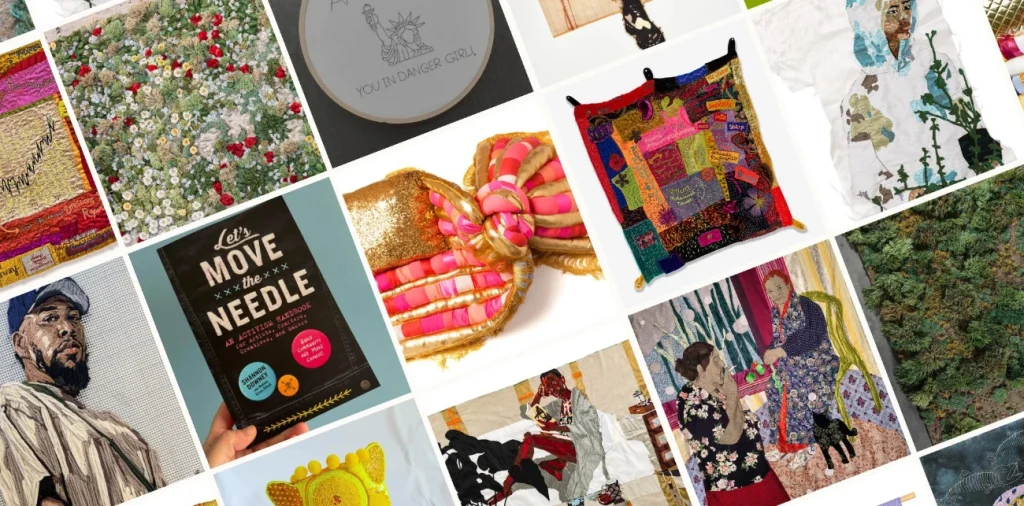
One of the most impactful forms of activist art can be seen through public art, particularly murals and installations that adorn cityscapes across the United States. These artworks serve not only as decoration but as powerful symbols of social movements, conveying messages that resonate deeply within communities. For instance, during the Black Lives Matter protests, murals sprang up in cities like Washington D.C., New York, and Los Angeles, boldly proclaiming the need for racial justice and equality. These vibrant works transform public spaces into sites of dialogue, forcing onlookers to confront the reality of systemic racism and police brutality.
Featured prominently in these movements is the mural “Black Lives Matter” painted on the streets of D.C. This installation has gained international recognition and has become a focal point for activism, allowing passersby to reflect on the ongoing fight against racial injustice while also celebrating the resilience of the Black community. Such public works not only communicate powerful messages but also inspire local engagement and action, galvanizing communities to demand change.
Another great example can be found in the art of Guerrilla Gardening, which utilizes temporary public art practices to address social issues such as food security and urban decay. Initiatives like the “Little Free Library” movement, where community members build and maintain small book-sharing boxes, symbolize the fight for education and literacy in underserved neighborhoods. These creative expressions remind us that art can serve as a means for community organizing, fostering connection, and cultivating awareness of pressing social challenges.
A key element of public art is its accessibility; unlike traditional gallery spaces that may deter some viewers, public installations invite a diverse audience into the conversation. This engagement can be transformative, particularly when artists choose to incorporate local histories and narratives into their work. By reflecting the unique struggles of their communities, artists can create a bridge between their art and the lived experiences of the people around them.
Confronting Climate Change Through Art
As climate change continues to be a top-tier global issue, artists are finding innovative ways to incorporate environmental activism into their works. For example, the artist Christo and Jeanne-Claude famously wrapped landmarks in fabric, cleverly bringing attention to how global consumption impacts the earth. Their installation, “The Gates” in New York’s Central Park, while visually stunning, also serves as a poignant reminder of how art can provoke discussions about resource consumption and environmental degradation.
Moreover, modern artists are increasingly utilizing sustainable materials, such as recycled plastics and biodegradable objects, to convey messages about conservation and encourage audiences to rethink their relationship with the environment. Projects like “The Ocean Clean Up”, which aims to remove plastic from our oceans, receive support from artists who raise awareness through captivating visuals and artistic interventions. Such initiatives not only spotlight environmental issues but also suggest that we all have a role to play in protecting our planet.
As we navigate an era characterized by social upheaval and environmental crisis, artists continue to demonstrate the potency of their craft as a form of activism. Through their work, they challenge us to reflect on the world we inhabit and inspire collective action that transcends the boundaries of creativity and compassion.
Art as a Vehicle for Change
Artists today are harnessing the power of their creativity to shine a spotlight on pressing social and political issues. These creators are not just expressing their artistic vision; they are passionately advocating for change through impactful works that resonate with the public. One notable aspect of this movement is the use of art installations and murals in urban settings, which often serve as powerful visual narratives that convey messages of resistance, unity, and hope. Such works not only beautify spaces but also spark crucial conversations among diverse audiences.Moreover, the integration of technology in art activism has opened new avenues for engagement. Virtual and augmented reality experiences allow artists to immerse viewers in their narratives, thereby evoking a more profound emotional response. For instance, projects that utilize virtual platforms to simulate real-world challenges—such as climate change or social injustice—encourage viewers to reflect on their roles and responsibilities within these contexts. This innovative approach amplifies the reach of artistic messages, making activism more accessible.As artists navigate the complexities of contemporary issues such as racial inequality, gender rights, and environmental crises, their work often challenges the status quo. Collaborations between artists and communities can lead to grassroots movements that foster local empowerment and awareness. By using artistic expression as a tool for activism, these creators not only address pertinent issues but also mobilize audiences toward collective action.In this landscape, the role of social media cannot be understated. Platforms like Instagram and Twitter allow artists to disseminate their messages swiftly and widely, enabling their works to reach global audiences and mobilizing support for various causes. Social media not only democratizes art by giving voice to underrepresented creators but also makes it a powerful ally in the activist movement.
Table of Advantages
| Category 1 | Category 2 |
|---|---|
| Power of Representation | Artists bring attention to marginalized voices, enhancing representation in societal narratives. |
| Emotional Engagement | Art evokes emotions, facilitating empathy and understanding of complex issues. |
This synergy of art and activism not only enhances public awareness but fosters cultural shifts that can lead to tangible social change. As artists continue to explore innovative methodologies in their craft, the dialogue surrounding contemporary activism is likely to flourish, captivating and inspiring audiences to engage in the vital issues of our time.
DIVE DEEPER: Click here to discover the benefits of art therapy
The Role of Social Media in Amplifying Artistic Activism
In the age of digital communication, social media has become an invaluable tool for artists engaged in activism. Platforms such as Instagram, Twitter, and TikTok allow creators to reach broad audiences, share their messages, and mobilize support for various social causes. The instantaneous nature of social media empowers artists to respond to current events promptly. For example, during the surge of activism surrounding police brutality, numerous artists utilized their platforms to raise awareness, share their perspectives, and amplify the voices of marginalized communities.
One empowering example is the #ArtForBlackLives initiative, where artists from different backgrounds showcased their works to support the Black Lives Matter movement. This hashtag not only created a sense of solidarity among artists but also encouraged millions of followers to engage with the art and messages behind it. Those who may never have wandered into a traditional gallery experienced powerful art for social change, further emphasizing the importance of accessibility in activism.
Furthermore, artists are leveraging social media to create interactive experiences that allow communities to engage with their work in meaningful ways. The project “Dismantle the Barriers” on Instagram, for instance, invites users to participate in conversations about racial inequality through interactive stories and comment threads. This format blurs the line between consumption and participation, empowering individuals to contribute to the discourse around social justice and community betterment.
Art and the Fight for Gender Equality
Art has also become a vocal advocate for gender equality, addressing issues ranging from sexual harassment to reproductive rights. Artists like Judy Chicago and Yoko Ono have long used their mediums to challenge societal norms and celebrate female empowerment. Chicago’s installation “The Dinner Party” serves as a monumental tribute to women’s contributions throughout history, sparking discussions about gender representation and equality.
More recently, the project “Women’s Rights are Human Rights” featured prominent street artists such as Swoon and Shepard Fairey, who collaborated to create murals addressing issues like reproductive rights, income equality, and the fight against sexual violence. These installations speak to the need for societal change while recognizing the resilience of women who continue to fight for their rights.
Artistic activism in the realm of gender equality is further amplified during events like the Women’s March, where artists create banners, posters, and other visual materials that command visibility and provoke discussion. The public display of art related to women’s rights fosters solidarity among participants and resonates with a wider audience, driving home the urgency of the cause.
As social and political landscapes continue to evolve, artists are forging new pathways through their work, harnessing the power of creativity to address pressing issues. Their roles as activists extend beyond the creation of art; they become catalysts for change, challenging audiences to confront discomforting truths while inspiring hope and action. The intersection of art and activism thus expands, continually pushing boundaries and redefining what it means to create for a cause.
DIVE DEEPER: Click here to uncover more
Conclusion: The Transformative Power of Art in Activism
As we explore the multifaceted relationship between art and activism, it becomes clear that artists are playing an indispensable role in shaping contemporary discourse around pressing social and political issues. From issues of racial justice to gender equality, the artistic community has harnessed its creativity to challenge the status quo and inspire profound change. By fostering emotional connections through visual storytelling, artists evoke empathy and provoke thought, encouraging audiences to reflect on their beliefs and actions.
Moreover, the rise of digital platforms has revolutionized the way art is consumed and shared, amplifying its impact far beyond traditional mediums. Artists can now connect with global audiences, mobilizing support for causes that resonate with their values. Initiatives like #ArtForBlackLives and collaborative projects addressing women’s rights epitomize how art can unify communities and ignite movements. Accessibility is crucial; as more individuals engage with art in public spaces and online, the critical messages embedded within these works gain visibility and urgency.
As we consider the strategic use of art as a tool for advocacy, it is essential to recognize its potential to influence policy, initiate conversations, and nurture change. Artists, through their innovative expressions, invite us to interrogate uncomfortable truths and inspire us to take action. In the face of contemporary challenges, it is clear that art will continue to be a pivotal force, shaping societal values and providing a voice for the voiceless. The journey of artistic activism is ongoing, and as it evolves, so too will our collective understanding of the power of creativity in the fight for justice.