Exploring the Benefits of Outdoor Activities for a Balanced Life
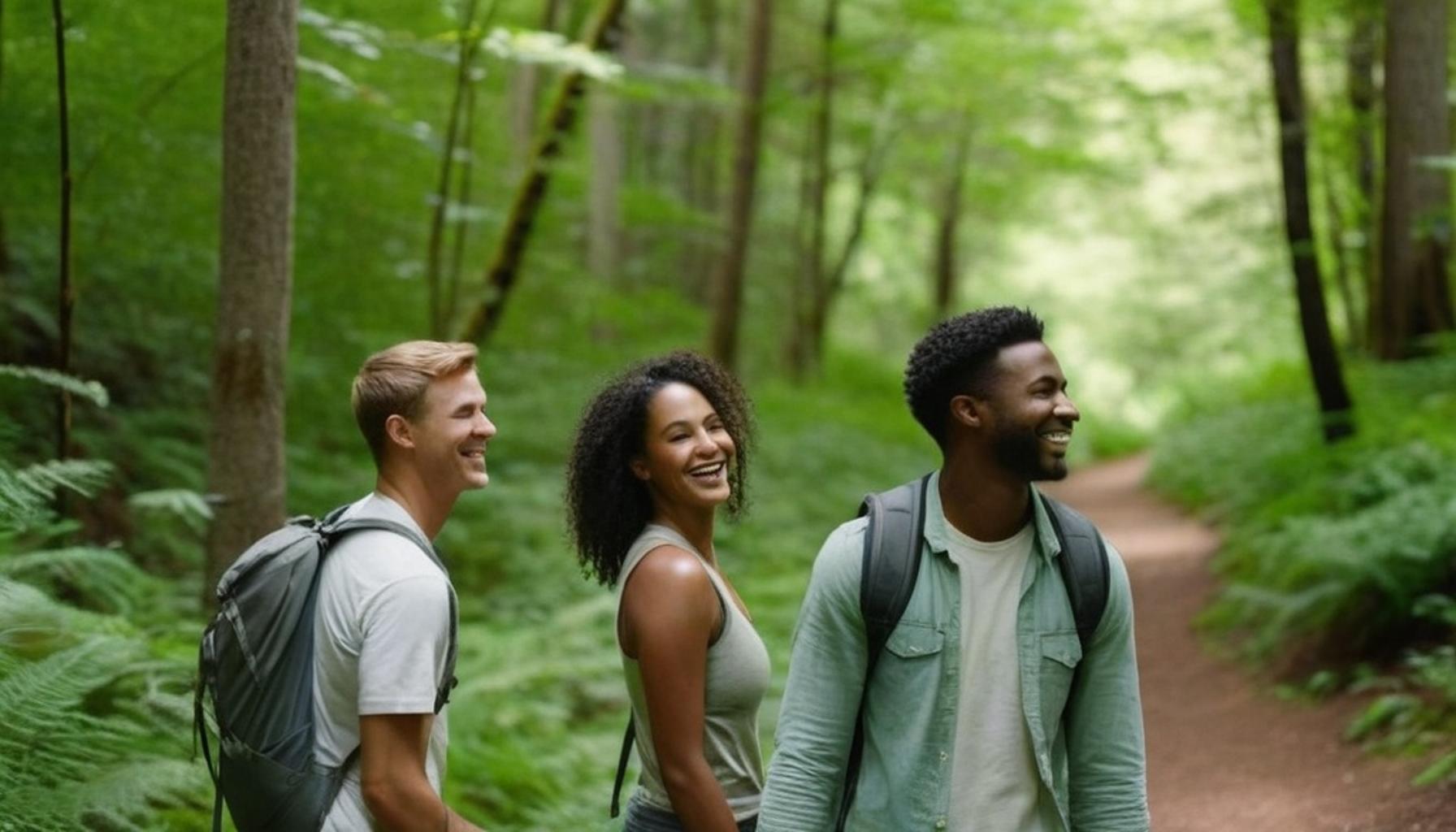
Why Stepping Outside Might Be the Reset Button Your Life Needs
Americans spend an average of 90 percent of their time indoors, according to the Environmental Protection Agency. That statistic alone raises an important question: what are we missing?
From national parks in Colorado to neighborhood trails in Ohio, the great outdoors offers something modern life often lacks. The benefits of outdoor activities reach far beyond a quick mood boost. Consider a typical workday: fluorescent lighting, recycled air, and a screen inches from your face for eight hours straight. Now compare that to fifteen minutes on a wooded trail, sunlight filtering through the leaves, birdsong replacing notification pings. The contrast is not just emotional — it is measurable.
A Growing Body of Evidence
Researchers across the country are documenting measurable changes in people who spend regular time outside. These findings touch nearly every part of daily well-being. Studies from institutions like Stanford University have linked time in green spaces to reduced rumination, the kind of repetitive negative thinking often tied to depression. Meanwhile, the Japanese practice of “forest bathing,” now gaining traction in states like Oregon and Vermont, has inspired a wave of American wellness retreats built entirely around slow, mindful walks through nature.
- Outdoor activities for mental health: reduced anxiety and lower cortisol levels
- Physical benefits of outdoor activities: improved cardiovascular health and stronger immune response
- Outdoor activities for families: stronger bonds through shared adventures
- Benefits of nature on well-being: better sleep quality and sharper focus
Whether it’s hiking, cycling, or simply walking the dog around the block, these activities add up. Small, consistent efforts often create the biggest shifts. A weekend bike ride through a local greenway in Minneapolis or a Saturday morning fishing trip on a Georgia lake might seem like small indulgences, but researchers suggest they function more like preventative medicine. Even twenty minutes outdoors can lower stress hormone levels significantly, according to a widely cited University of Michigan study.
Finding the Balance
Understanding how outdoor activities promote balance means looking at the bigger picture. It’s not just about exercise — it’s about connection, presence, and stepping away from screens. Families who camp together in places like the Smoky Mountains often report improved communication and fewer conflicts, a pattern therapists link to shared, distraction-free experiences.
This article explores the science, the stories, and the practical steps behind building a more balanced, outdoor-inspired life. The path to feeling better might start just outside your front door.
RECOMMENDED: The relationship between physical activity and productivity at work: enhancing performance through movement
The Mind-Body Connection: How Nature Rewires Stress Responses
Step into any emergency room waiting area and you’ll likely spot a mural of mountains or a fish tank bubbling in the corner. That’s not decoration by accident. Healthcare designers have known for decades that outdoor activities for mental health aren’t just a lifestyle trend — they tap into something biological.
When the body encounters natural environments, the parasympathetic nervous system activates, slowing heart rate and easing muscle tension. This is the same system responsible for digestion and rest, essentially the opposite of the fight-or-flight response triggered by traffic jams or overflowing inboxes. Researchers at the University of Utah found that participants who spent four consecutive days hiking without electronic devices scored 50 percent higher on creative problem-solving tests compared to their baseline.
What makes this finding particularly compelling is how quickly the shift occurs. Some participants reported noticeable changes in mental clarity within the first 24 hours, suggesting that the brain doesn’t require extended wilderness immersion to begin recalibrating. Even a weekend camping trip in the Smoky Mountains or a few days along the Pacific Coast Highway may be enough to trigger this reset.
What Happens Inside the Brain
Neuroscientists have identified specific changes that occur during outdoor exposure. A 2019 study published in Frontiers in Psychology found that just two hours a week in natural settings correlated with measurable increases in self-reported health and psychological well-being, regardless of income or education level.
- Lower amygdala activity: reduced fear and stress signaling in the brain
- Increased serotonin production: linked to sunlight exposure and mood regulation
- Improved attention span: often called the “attention restoration” effect
- Reduced mental fatigue: particularly helpful for those in high-stress careers
This isn’t limited to remote wilderness either. Urban parks in cities like Chicago and Austin have become unlikely laboratories for this kind of research, proving that even a modest patch of green space delivers real physiological rewards. Millennium Park in Chicago, for example, has been studied for its impact on office workers who spend even fifteen minutes there during lunch breaks, with many reporting reduced anxiety levels afterward.
Interestingly, researchers have also examined how sound plays into this equation. Birdsong, rustling leaves, and flowing water appear to activate different auditory pathways than mechanical city noise, further reinforcing the calming response. Some hospitals have started experimenting with recorded nature sounds in recovery rooms after noticing similar patterns in patient heart rate variability.
Beyond the Mental Boost: A Physical Transformation
The physical benefits of outdoor activities extend well past a pleasant mood. Walking on uneven terrain, for instance, engages stabilizer muscles that a treadmill simply cannot replicate. Cycling along a river trail in Austin or hiking a rocky ridge in New Hampshire builds cardiovascular endurance while simultaneously improving balance and coordination.
Vitamin D synthesis, triggered by sunlight exposure, plays a role here too. The National Institutes of Health estimates that roughly 42 percent of American adults are deficient in this essential nutrient, a shortfall linked to fatigue, weakened bones, and even mood disorders. Something as simple as a lunchtime walk can meaningfully close that gap.
Beyond vitamin D, exposure to varied terrain and changing weather conditions appears to strengthen the immune system over time. Some researchers point to phytoncides, natural compounds released by trees, as a contributing factor, though studies on this remain ongoing in the United States compared to more established research abroad.
These aren’t isolated benefits floating separately from one another. They intertwine, creating a feedback loop where better sleep improves mood, improved mood encourages more activity, and more activity strengthens the body further. It’s this cycle that begins to answer the deeper question of how outdoor activities promote balance in a way indoor routines rarely achieve.
CHECK OUT: Group exercises: social and motivational benefits of collective physical activity
Building Stronger Bonds: Outdoor Activities for Families and Communities
Drive past any suburban park on a Saturday morning and you’ll notice something: soccer cleats, bicycle bells, and lawn chairs scattered near picnic tables. This isn’t just recreation. It’s a quiet form of social infrastructure that outdoor activities for families provide, something indoor entertainment rarely replicates.
A 2021 report from the Outdoor Foundation found that families who engaged in shared outdoor activities at least once a week reported stronger communication patterns and fewer conflicts at home. Researchers attributed this partly to the absence of screens, which naturally redirects attention toward conversation and shared problem-solving, like reading a trail map or figuring out how to pitch a tent before sunset. The report also noted that families in states with more accessible public lands, such as Colorado and Oregon, logged nearly twice as many outdoor outings annually compared to families in regions with fewer green spaces, suggesting that proximity plays a bigger role than most people assume.
Why Group Activities Amplify the Benefits
Group dynamics appear to intensify the psychological rewards already tied to nature exposure. When people hike, kayak, or bike together, cortisol levels drop faster than when doing the same activity alone, according to research from Stanford’s Behavioral Sciences department. This drop in stress hormones may explain why so many wellness programs across the country have started incorporating group nature walks as a low-cost mental health tool.
- Shared accountability: group plans reduce the likelihood of skipping activity days
- Stronger emotional bonds: synchronized movement, like paddling a canoe, builds trust
- Cross-generational connection: grandparents and grandchildren often report deeper conversations during outdoor outings than at home
- Community belonging: local running clubs and cycling groups in cities like Denver and Minneapolis have grown by double digits over the past five years
This community angle matters more than it might initially seem. Loneliness has been labeled a public health concern by the U.S. Surgeon General, with comparable risk to smoking. Outdoor group activities, from disc golf leagues in Portland to birdwatching clubs in the Everglades, offer low-cost, low-barrier ways to combat that isolation. Many of these groups charge little to no membership fee, relying instead on word-of-mouth and social media groups to organize weekly meetups, which makes them especially appealing to newcomers who might feel priced out of traditional gyms or fitness studios.
Seasonal Variety Keeps Motivation Alive
One overlooked advantage of the benefits of outdoor activities is how naturally they rotate with the calendar. Snowshoeing in Vermont during January doesn’t compete with kayaking in Florida during July; each season offers its own incentive to stay engaged. Even in regions with harsher winters, community centers have started organizing cold-weather scavenger hunts and frozen lake ice-skating meetups to keep participation numbers steady year-round.
This built-in variety appears to prevent the burnout often associated with repetitive gym routines. Fitness researchers have noted that outdoor exercisers tend to stick with their routines longer than indoor gym members, partly because changing scenery and weather conditions keep the experience psychologically fresh. Some coaches even argue that this variety mimics the way early humans engaged with their environment, constantly adapting to new terrain and stimuli rather than repeating identical movements in a controlled indoor setting.
Practical Entry Points for Beginners
For those unsure where to start, experts generally recommend low-commitment options first:
- A 20-minute walk through a local greenbelt or arboretum
- Weekend farmers’ markets held outdoors, which combine light walking with social interaction
- Community garden plots, increasingly available in cities like Seattle and Philadelphia
- Beginner-friendly state park trails with under 200 feet of elevation gain
These small steps rarely feel like exercise, yet they consistently contribute to the broader benefits of nature on well-being that researchers continue to document across age groups and income levels. Public health officials in several states have begun promoting these entry-level activities through community bulletin boards and local health department websites, hoping to lower the psychological barrier that often keeps beginners from trying something new. As more families and neighbors discover these accessible options, the ripple effect on both individual health and neighborhood cohesion may prove even more significant than early studies suggest.
CHECK OUT: The role of physical activity in the prevention of chronic diseases and promotion of longevity
The Bigger Picture: Why Outdoor Time Deserves a Permanent Spot in Daily Life
Step back from the trailheads, the family picnics, and the community running clubs, and a clear pattern emerges. The benefits of outdoor activities aren’t a single, isolated perk. They’re a layered system touching mental clarity, physical resilience, and social connection all at once, something few indoor routines can claim.
Consider what’s been covered: outdoor activities for mental health show up in lowered cortisol and reduced anxiety symptoms. The physical benefits of outdoor activities range from stronger cardiovascular health to better sleep cycles tied to natural light exposure. And outdoor activities for families quietly rebuild communication patterns that screens often interrupt. Each piece reinforces the others, which is likely why researchers keep finding overlapping results across completely different studies.
This overlap points to something important: balance rarely comes from one dramatic lifestyle change. It comes from small, repeatable choices, a Tuesday evening walk, a Saturday kayak trip, a fifteen-minute detour through a community garden. Public health data from the CDC continues to suggest that even modest, consistent outdoor exposure produces measurable improvements in mood and stress regulation, often within weeks rather than months.
Understanding how outdoor activities promote balance also means recognizing accessibility matters. Not everyone lives near a mountain trail or a coastline, but nearly every U.S. city offers parks, greenways, or seasonal markets that count. The goal isn’t perfection; it’s proximity and consistency.
As more communities invest in trails, public lands, and group programming, the benefits of nature on well-being may become less of a wellness trend and more of a public health standard. For readers curious enough to take the next step, the most reliable advice remains refreshingly simple: get outside, start small, and let the momentum build naturally from there.
Frequently Asked Questions
What are the main benefits of outdoor activities for mental health?
Spending time outdoors reduces stress hormones like cortisol and boosts serotonin, which improves mood and lowers anxiety levels. Activities such as hiking, walking, or cycling in nature also enhance focus and creativity by giving the brain a break from constant digital stimulation. Regular exposure to natural light further helps regulate sleep patterns, contributing to better overall mental clarity.
How many minutes a day should I spend outside to see real health benefits?
Research suggests that just 20 to 30 minutes of outdoor activity daily can noticeably improve mood, energy, and vitamin D levels. For more significant benefits of outdoor activities, aim for at least 150 minutes per week, which aligns with general physical activity guidelines. Even short breaks, like a lunchtime walk, can make a measurable difference over time.
Can outdoor exercise really improve physical fitness more than indoor workouts?
Outdoor exercise often engages more muscle groups due to uneven terrain, wind resistance, and changing elevation, which can burn more calories than a flat treadmill session. Activities like trail running or outdoor cycling also tend to feel less monotonous, encouraging people to exercise longer and more consistently. This combination of variety and engagement is one of the key benefits of outdoor activities for building sustainable fitness habits.
What outdoor activities are best for reducing work-related stress?
Low-intensity activities like walking in a park, gardening, or sitting by a lake can quickly lower stress levels after a demanding workday. More active pursuits like hiking or kayaking combine physical exertion with nature exposure, which studies show is especially effective for stress reduction. Choosing an activity that fits your energy level and schedule makes it easier to turn it into a consistent stress-relief habit.
How do outdoor activities help improve sleep quality?
Natural sunlight exposure during outdoor activities helps regulate your circadian rhythm, making it easier to fall asleep and wake up at consistent times. Physical exertion from activities like hiking or biking also increases the body’s need for restorative rest, leading to deeper sleep cycles. Combined, these effects make outdoor time a simple, drug-free way to address common sleep issues.
Are outdoor activities beneficial for children’s development, not just adults?
Yes, outdoor play supports children’s motor skills, social development, and creativity far more effectively than screen-based activities. Unstructured outdoor time also encourages problem-solving and risk assessment, skills that are harder to build indoors. Introducing kids to nature early on helps them carry these benefits of outdoor activities into healthier adult habits.

Linda Carter
Linda Carter is a writer specializing in healthy habits and balanced living. With extensive experience helping readers build sustainable routines, she shares practical guidance on nutrition, physical activity, quality sleep, stress management, and emotional well-being. Her goal is to offer simple, accessible strategies that inspire people to care for their health and enjoy a more balanced life.