Comparison of Popular Aquarium Fish Species in the Philippines
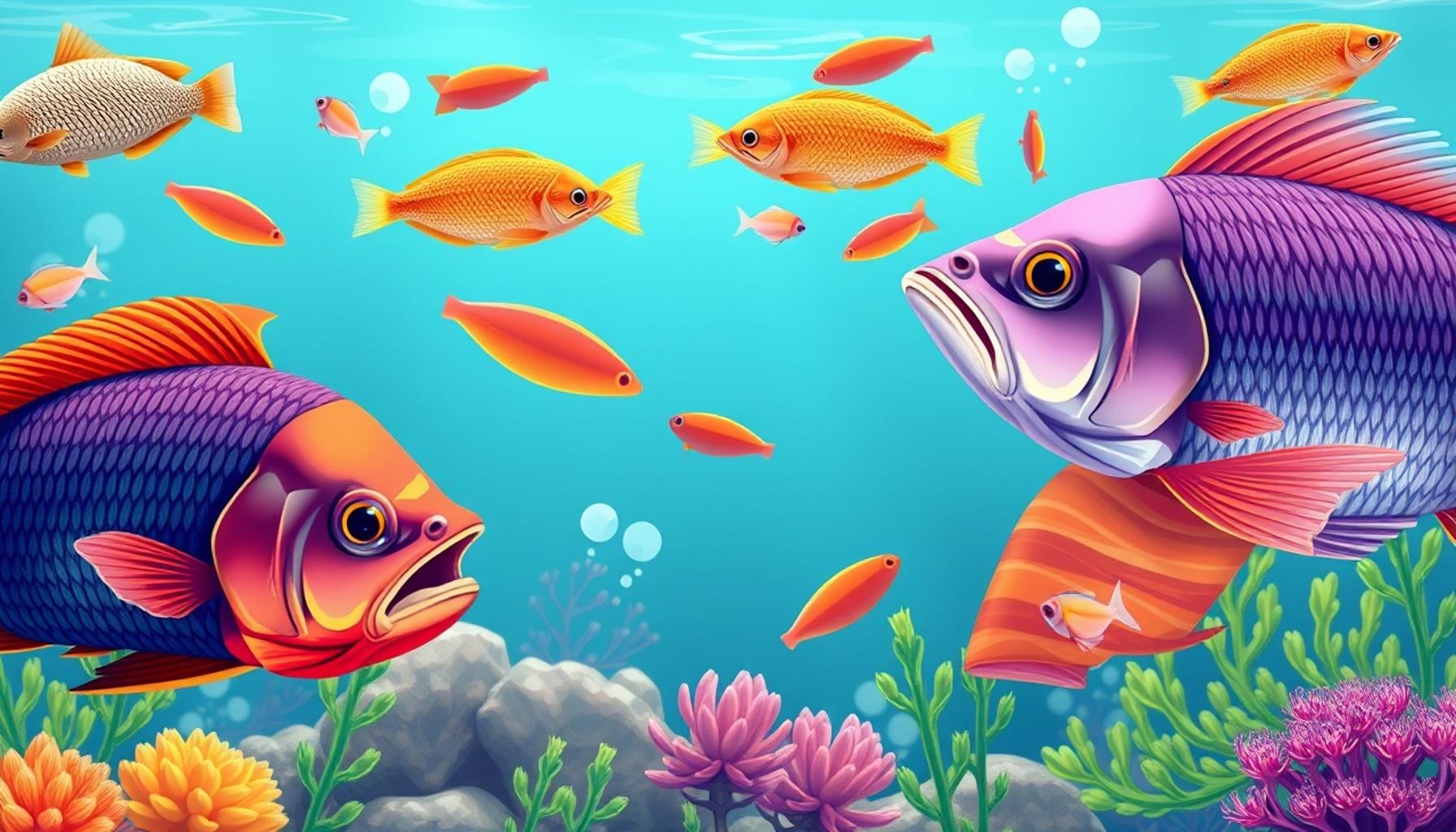
Underwater Treasures of the Philippines
The vibrant underwater world of the Philippines is renowned for its astonishing array of aquatic life, making it a cherished locale for aquarium fish enthusiasts. Spanning over 7,000 islands, the archipelago is home to fantastic marine ecosystems, where a colorful palette of fish species thrives. Whether you are a novice aquarium keeper or a seasoned aquarist, the region’s rich biodiversity offers an enticing opportunity to discover a spectrum of unique fish, each exhibiting distinct shades, intricate patterns, and fascinating behaviors.
Diverse Species Highlighted
When selecting the ideal fish for your aquarium, several factors are paramount: compatibility with other tank inhabitants, specific care requirements, and the visual appeal of the fish. Here, we delve into some of the most popular aquarium fish species endemic to the Philippines:
- Neon Tetra: Recognized for their eye-catching blue and red stripes, neon tetras are peaceful and thrive in schools of six or more. They are ideal for community tanks, bringing a lively dash of color while mingling harmoniously with other freshwater species. Their small size, typically around one inch in length, makes them an excellent choice for smaller aquariums.
- Guppy: Known as a staple among beginners, guppies are celebrated for their hardiness and vast color variations. They are easy to care for and breed prolifically, making them an engaging choice for hobbyists. The mesmerizing display of male guppies, with their long fins and vibrant patterns, adds an aesthetic charm to any tank.
- Betta Fish: Fiercely beautiful, bettas command attention with their vibrant hues and flowing fins. However, they possess a territorial nature; males especially should ideally be housed alone or with non-aggressive species. Betta fish can adapt to a range of water conditions, but it’s crucial to provide a stimulating environment that caters to their need for hiding spots.
- Angelfish: With their captivating triangular shape and graceful swimming style, angelfish add an air of elegance to aquariums. However, they require specific care, including adequate tank size and a balanced diet. While they can coexist with other peaceful fish, their size and feeding habits necessitate careful consideration of tank mates.
Each of these species offers its own unique set of characteristics that make them noteworthy additions to any aquarium setup. The neon tetra thrives in schools, creating a beautiful spectacle, while the guppy provides ease of care and breeding for newcomers. The betta fish, with its striking beauty, raises an interesting dynamic in social settings, while the angelfish adds grace but demands more attention in care practices. This article aims to provide a comprehensive comparison of these fish types, illuminating their strengths, weaknesses, and best practices for ensuring they thrive in your home aquarium.
As you journey into the world of aquariums, consider each species’ individual needs and characteristics, allowing you to craft an aquatic environment that not only pleases the eye but fosters a healthy habitat for your fish. Each choice you make contributes to the intricate tapestry of life that mirrors the beautiful underwater ecosystems of the Philippines.
Examining Popular Aquarium Fish Choices
In the picturesque waters of the Philippines, a diverse selection of aquarium fish species is readily available, appealing to both beginners and experienced enthusiasts alike. As we explore the comparison of popular aquarium fish species in the Philippines, it’s crucial to note how their unique features can cater to varying preferences and expertise levels among aquarium keepers.
Understanding the fundamental aspects of each species will guide you in creating a balanced aquarium environment where your fish can thrive. Here, we will delve deeper into the aforementioned fish and highlight the factors that make each of them distinctive.
Neon Tetra — The Colorful Community Dwellers
The neon tetra, a staple in many home aquariums, is particularly prized for its stunning blue and red coloration. Typically found in schools of six or more, these petite fish not only create a mesmerizing visual display but also exhibit more natural behavior when in groups. With a size of about one inch, they flourish in well-planted tanks with dim lighting, mimicking their natural habitat. Creating a biotope with floating plants and open swimming areas will ensure their happiness. The recommended water parameters for neon tetras include a pH of around 6.0 to 7.0 and a temperature range of 72°F to 78°F. Their peaceful nature makes them an excellent choice for community tanks, allowing for a harmonious environment with various compatible species.
Guppy — The Hardy Breeders
Another popular choice, the guppy, offers a delightful opportunity for beginners to engage with fishkeeping. Renowned for their vibrant colors and patterns, male guppies often flaunt long, flowing fins that add elegance to any aquarium setup. They are remarkably hardy and can adapt to a wide range of water conditions, making them suitable for novice aquarists. Guppies thrive in schools and can breed prolifically, resulting in a display of livebearers as they spawn in your tank. Ideal water conditions for guppies include a pH of 6.8 to 7.8 and a temperature of 74°F to 82°F, creating an optimal breeding environment. Their adaptable nature, combined with their playful demeanor, makes guppies an exciting feature in any aquarium.
Betta Fish — The Stunning Yet Territorial Beauties
Famous for their striking appearance, betta fish are a favorite among aquarists seeking an eye-catching centerpiece for their tanks. With vibrant coloration and long, flowing fins, these fish stand out, but they come with a learning curve. Male bettas are known to be territorial and aggressive towards each other, which means they should be housed alone or paired with compatible species. Females, however, can often coexist in groups. Bettas thrive in warmer waters with a temperature range of 76°F to 82°F and a pH level between 6.5 to 7.5. Providing decorations, plants, and hiding spots in your aquarium can help lessen their territorial temperament and create a stimulating environment.
Angelfish — The Majestic and Elegant Swimmers
Commonly found in freshwater aquariums, angelfish bring an air of elegance with their unique triangular silhouette and graceful swimming style. These fish can grow up to six inches in size and require a tank with ample vertical space for swimming. While they can be kept with other peaceful fish, angelfish’s feeding habits and size need careful consideration when choosing tank mates. They prefer a slightly acidic to neutral pH range of 6.8 to 7.8 and a temperature of 75°F to 82°F. Due to their specific care requirements, including proper tank size and water conditions, angelfish are often recommended for those with intermediate experience.
With this knowledge in hand, you can begin to appreciate the unique characteristics of each species. Whether you are captivated by the peaceful schooling nature of neon tetras, the dynamic breeding of guppies, the stunning presence of bettas, or the majestic grace of angelfish, knowing these details will empower you to make informed decisions for your own aquarium.
When it comes to setting up an aquarium, one of the most fascinating aspects is the selection of fish species. The Philippines, with its rich marine biodiversity, offers an abundance of choices for aquarists. Understanding the comparison of popular aquarium fish species in the Philippines not only helps in making informed decisions but also enhances the overall aesthetic and ecological balance of the aquarium.One of the most captivating groups of fish is the Betta fish, known for their stunning colors and aggressive behavior. Betta fish are ideal for small tanks and require minimal maintenance, which makes them perfect for beginners. Their unique fin structures and vibrant palette not only add a splash of color but also provoke interest in their behaviors.On the other hand, the Guppy offers a more peaceful alternative with their small size and gentle nature. Guppies are also highly adaptable, making them suitable for various water conditions. One of their notable advantages is their ability to thrive in community aquariums, allowing for a more interactive environment. Their reproductive capabilities can lead to an ever-changing display of colorful offspring, adding an element of surprise for the aquarist.Tetras, such as the Neon Tetra, are another popular choice in the Philippines. These tiny fish are well-known for their striking blue and red colors, which can brighten up any aquarium setup. They are also schooling fish, meaning they thrive in groups, which can create a lively and dynamic tank atmosphere. Then, we have the Molly fish, highly favored for their hardiness and adaptability to varying conditions of freshwater tanks. Mollies are excellent algae eaters, contributing to tank cleanliness and health. Moreover, their varied colors and patterns enhance the visual interest of the aquarium setup.In the world of saltwater species, the Clownfish has gained immense popularity, especially with its vibrant coloration and engaging behavior. Not only can they adapt well to home aquariums, but they also form fascinating mutualistic relationships with host anemones, which can be a captivating addition to any marine ecosystem.Each of these species has unique characteristics that cater to different preferences and aquarium setups. As you delve deeper into the comparison of popular aquarium fish species in the Philippines, you’ll uncover additional factors like compatibility, care level, and environment needs that will aid in selecting the right species for your aquatic adventure. To further illustrate these comparisons, here’s a structured view of their key features:
| Category | Features |
|---|---|
| Betta Fish | Vibrant colors, minimal maintenance, aggressive behavior. |
| Guppy | Peaceful nature, adaptive, vibrant offspring. |
| Tetras | Schooling fish, visually striking, dynamic groups. |
| Mollies | Hardy, algae eaters, colorful. |
| Clownfish | Vibrant colors, mutualistic relationships, engaging behavior. |
By exploring these popular species, aquarists can create an engaging underwater environment that showcases the stunning biodiversity found in the Philippines.
Diving Deeper into Unique Species
As we venture further into the comparison of popular aquarium fish species in the Philippines, we encounter a selection of fish that not only showcases beauty but also offers a variety of characteristics that can enhance your home aquarium. In this segment, we will examine four more striking fish species commonly loved by aquarists in the Philippines.
Cardinal Tetra — The Living Gem of the Aquarium
Another member of the tetra family, the cardinal tetra, is often compared to its close relative, the neon tetra. However, this species exhibits more vibrant coloration, with a brilliant blue hue and a striking red stripe running along its body. A small fish, reaching only about two inches in size, cardinal tetras tend to prefer being in schools of six or more, ensuring they feel secure and display their natural social behavior. Their ideal conditions mirror those of neon tetras, thriving in a pH range of 6.0 to 7.0 and temperatures between 72°F and 80°F. Suitable for community tanks, these swim-friendly fish can cohabit with other peaceful species, further enhancing the visual appeal of your aquarium.
Zebra Danio — The Energetic Schoolers
The zebra danio, easily identifiable by its striking horizontal stripes, is an extraordinary fish for both beginner and experienced aquarists. Known for their resilience and adaptability, zebra danios can thrive in a wide range of water conditions, making them a perfect fit for various aquarium setups. They are quite active, often darting around the tank and bringing a sense of liveliness to any environment. These fish prefer slightly cooler temperatures of 65°F to 75°F and a pH of 6.5 to 7.5. Their social nature makes them prefer groups of five or more, fostering dynamic schooling behavior. While generally peaceful, caution is advised when housing them with smaller or slower fish that may become targets of their high energy.
Corydoras Catfish — The Bottom Dwellers
For those looking to add a different dimension to their aquarium, corydoras catfish provide an ideal choice. Known for their distinctive armored bodies and playful antics, these bottom-dwelling fish are excellent scavengers, helping to keep the substrate clean. Typically growing to around two to three inches, corys flourish in groups of at least four to six, displaying charming school behavior as they explore their environment. They prefer soft, slightly acidic waters with a pH of 6.0 to 7.0 and temperatures between 72°F and 78°F. These gentle creatures coexist well with a variety of community fish, adding to the overall health and activity of the tank without threatening smaller or more delicate species.
<h3Mollies — The Versatile Livebearers
Finally, the molly fish stands out as a versatile livebearer suited to a myriad of aquarium setups. Available in various colorations, including black, white, and orange, these fish can grow up to four to six inches and are known for their peaceful and sociable nature. Mollies thrive in brackish water environments, making them particularly unique among freshwater fish. Their ideal water conditions are pH levels of 7.0 to 8.5 and temperatures between 70°F and 80°F. Known to adapt well to diverse conditions, mollies are often recommended for community tanks and can coexist harmoniously with a wide range of compatible species, making them an excellent option for new and seasoned enthusiasts alike.
As you explore these varied fish species, consider the unique attributes each brings to your aquarium. Whether it’s the colorful yet peaceful nature of cardinal tetras, the lively movements of zebra danios, the conscientious cleaning habits of corydoras catfish, or the versatile and adaptable mollies, understanding these distinctive characteristics will pave the way for successful fishkeeping in the beautiful islands of the Philippines.
Final Thoughts on Exploring Aquarium Fish in the Philippines
In conclusion, understanding the comparison of popular aquarium fish species in the Philippines opens up a world of opportunities for both novice and experienced aquarists. The enchanting range of fish available, from the vibrant cardinal tetras to the lively zebra danios, offers a sensory delight for aquarium enthusiasts striving to create captivating underwater landscapes. The charm of the corydoras catfish as diligent bottom dwellers and the versatile mollies as adaptable livebearers further illustrate the diversity available to local fishkeepers.
When selecting species, it is essential to consider not only their aesthetic appeal but also their compatibility, care requirements, and the specific environmental conditions of your aquarium. Each species contributes a unique essence, enhancing both the visual and ecological balance within your tank. By investing time in research and understanding the specific needs of these captivating fish, you can foster a thriving aquatic community that reflects the stunning biodiversity of the Philippines.
So as you embark on this aquatic journey, whether focused on establishing a new tank or enhancing an existing one, remember to appreciate the delicate interplay of color, behavior, and habitat preferences among these popular aquarium fish species. With the right care and attention, your aquarium can transform into a lively ecosystem that not only complements your home but also provides insight into the breathtaking aquatic world waiting to be explored.

Linda Carter
Linda Carter is a writer and pet care expert specializing in pet health, grooming, and wellness. With extensive experience helping pet owners create safe, loving, and enriching environments for their animals, Linda shares her knowledge on our platform. Her goal is to empower readers with practical advice and strategies to ensure their pets thrive and lead joyful, healthy lives.