Craft Making for Relaxation: Therapeutic Benefits of Handmade Creation
Unraveling the Power of Craft Making
In a fast-paced world often filled with chaos and stress, many individuals are discovering that craft making serves as a sanctuary for relaxation and self-expression. With each stitch, brushstroke, or molded shape, creators find solace in the act of making. The therapeutic benefits of handmade creation extend far beyond the final product, serving as a retreat into a realm where creativity flourishes.
Why Choose Craft Making?
Engaging in craft activities can significantly enhance mental well-being, providing a myriad of advantages that touch on both emotional and psychological health. Here are some compelling reasons to embrace a crafting hobby:
- Stress Relief: The repetitive motions involved in crafting, such as knitting or painting, help to release tension in the body. This physical engagement allows for a natural way to decompress after a long day at work or to manage life’s daily stresses.
- Mindfulness: Focusing on detailed, intricate tasks diverts attention from worries and anxieties. Studies show that activities like sewing and pottery encourage participants to stay present, which can improve both focus and a sense of calm.
- Creativity Boost: Crafting stimulates the creative mind, helping individuals to think innovatively. Engaging in these activities fosters problem-solving skills and encourages personal expression through unique creations.
In addition to the mental health benefits, crafting communities are thriving both online and offline. Many cities across the United States host local workshops and craft fairs where artisans can connect with like-minded individuals. These gatherings amplify the joy of crafting, transforming a solitary pastime into an opportunity for social interaction and support.
Exploring Different Crafts
From knitting to woodworking, the possibilities for creative expression are endless. Popular craft types vary widely, offering unique avenues for engagement:
- Knitting and Crocheting: These fiber arts not only produce cozy blankets and stylish garments but also encourage relaxation through rhythmic patterns.
- Painting and Drawing: For those drawn to visual arts, painting offers a chance to explore color theory and emotion while drawing enhances fine motor skills.
- Sewing and Quilting: Combining utility and artistry, sewing projects like clothing and quilts can be deeply personalized, often telling a story through the fabric.
- Pottery and Sculpting: These tactile crafts allow artisans to manipulate clay or other materials, resulting in three-dimensional pieces that provide hands-on satisfaction.
By welcoming the world of handmade creation, individuals not only discover a rewarding pastime but also unlock a powerful tool for relaxation and mental rejuvenation. Each crafted item embodies personal effort and time, transforming what may start as a hobby into a meaningful endeavor that enriches lives in profound ways.
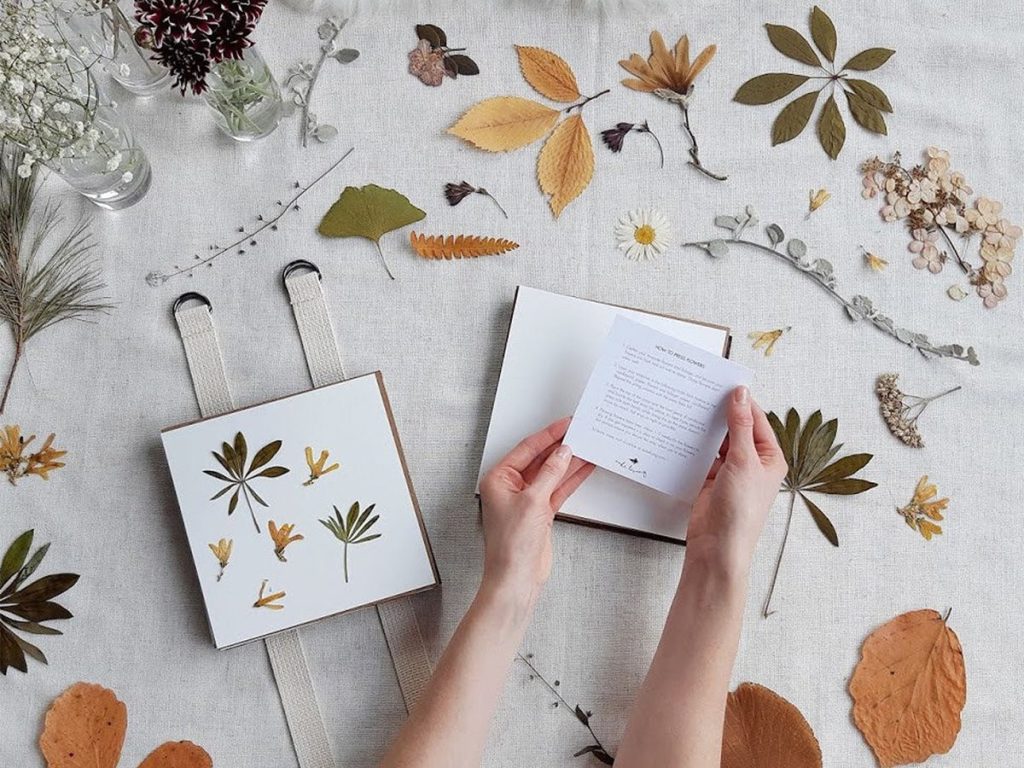
Understanding the Therapeutic Aspects of Craft Making
The art of craft making is not merely about producing tangible goods; it is deeply embedded in cultivating mental tranquility and emotional stability. Engaging in a craft provides a dual benefit: while you create, you also nurture your mental health. As more individuals turn to creative activities, research emerges to support the psychological advantages associated with these pursuits. Delving into the therapeutic aspects of crafting reveals why it is rapidly becoming a vital tool for relaxation.
Crafting as a Form of Self-Care
Practicing self-care in today’s high-stress environment is essential, and craft making offers an accessible path towards mental well-being. By channeling emotions into physical creative processes, individuals can experience substantial relief from anxiety and depression. Here are some noteworthy therapeutic benefits of engaging in handmade creation:
- Emotional Expression: Crafting offers an outlet to express feelings that may be difficult to articulate. Whether through painting vibrant landscapes or creating intricate jewelry, artists infuse their emotions into their work, providing a sense of catharsis.
- Increased Concentration: Engaging with crafts often requires focused attention, which can help quiet the mind. The act of concentrating on a task—be it stringing beads or following a complex knitting pattern—can serve as a form of meditation, enabling crafters to escape from daily distractions.
- Achievement and Satisfaction: Completing a craft project provides a notable sense of accomplishment, boosting self-esteem and satisfaction. This positive reinforcement can be empowering, encouraging individuals to tackle new challenges in their lives.
According to a study published in the Journal of Positive Psychology, individuals who regularly engage in artistic activities report higher levels of happiness and life satisfaction. This suggests that integrating crafting into one’s routine can foster long-term mental health benefits, positioning it as an essential practice for modern living.
The Science Behind Craft Making and Mental Health
Scientific research has increasingly focused on the positive correlation between craft making and improved mental health outcomes. Evidence indicates that activities involving creativity activate the brain’s reward pathways, releasing dopamine—often referred to as the “feel-good hormone.” This chemical response enhances mood and can serve as a natural anti-anxiety remedy. Additional studies have shown that individuals participating in crafting groups report improved social bonds and an overall sense of community, which further contributes to their emotional resilience.
To complement the enriching aspects of crafting, entering this creative realm also means joining a larger community of enthusiasts across the United States. Local art studios, craft fairs, and online platforms offer myriad opportunities to connect with fellow crafters, sharing experiences and knowledge. Through this camaraderie, craft making becomes not just a solitary endeavor but a social experience that promotes healing and connection.
| Category | Description |
|---|---|
| Mental Clarity | Craft making helps to clear the mind, promoting focus and reducing anxiety. |
| Enhanced Well-being | Engaging in handmade creations can lead to improved mood and a sense of accomplishment. |
| Social Connection | Crafting communities provide networking opportunities, fostering friendships through shared interests. |
| Mindfulness | The process of creating art demands focus, promoting a mindfulness practice that eases stress. |
The act of crafting serves as a powerful therapeutic tool, offering not just a creation but also a pathway to emotional healing. Many find that the repetitive motions of creating with their hands lead to a state of flow, where worries fade, and time seems to stand still. This state allows individuals to immerse themselves in their art, cultivating a deeper connection with their feelings and desires. Furthermore, exploring different techniques—from knitting to sculpting—encourages experimentation and personal expression, fostering resilience and adaptability. The journey of making is as rewarding as the final product itself, inviting enthusiasts to enjoy the process of self-discovery. Through the tactile experience of crafting, individuals can harness their creativity, transforming stress into serenity, one handmade piece at a time.
The Role of Crafting in Stress Reduction
Craft making functions as a powerful antidote to the various stressors encountered in daily life. One of the most prominent benefits of engaging in handmade creation is its ability to reduce cortisol levels—an indicator of stress. A study conducted at the University of Westminster found that spending just 45 minutes on a creative activity could lead to a significant reduction in cortisol levels. This discovery underscores the potential of crafting as a tool for managing stress effectively amidst the hustle and bustle of modern living.
Mindfulness Through Crafting
The practice of mindfulness—being present and fully engaged in the moment—can be seamlessly integrated into craft making. Activities such as pottery, weaving, or even scrapbooking encourage individuals to immerse themselves wholly in their project. This focus on the task at hand enables crafters to disengage from negative thoughts and worries. According to research from the American Journal of Occupational Therapy, crafting itself functions as a form of mindfulness training, further emphasizing the linked benefits of creativity and relaxation.
Crafting as a Generational Bridge
Another compelling aspect of craft making lies in its potential to serve as a bridge between generations. Family crafting sessions not only promote creativity but also enhance interpersonal relationships. Shared activities, like quilting or building models, often reveal cherished family stories and traditions, providing emotional bonding and happiness. Such shared crafting moments can strengthen familial ties, nurture memories, and build resilience against adversity.
Crafting for Cognitive Development
Furthermore, craft making is not exclusively beneficial for emotional well-being; it also aids cognitive development. Engaging in artistic processes stimulates brain activity, enhancing problem-solving abilities and critical thinking skills. For example, woodworking or sewing demands a level of planning and mathematical skills, helping to sharpen these cognitive faculties while providing a much-needed break from routine cognitive tasks of daily life.
Encouraging Creativity in Children
Moreover, teaching children to engage in different crafts can open pathways to creative expression, which is crucial for their developmental growth. Research from the National Endowment for the Arts suggests that children who participate in arts and crafts activities demonstrate enhanced academic performance and improved social skills. By nurturing a love for crafting from an early age, parents are providing their children with tools for relaxation and stress management that they will carry into adulthood.
The Economic Benefits of Craft Making
From a broader perspective, the craft industry also contributes to economic vitality. Local craft shops and online platforms like Etsy create sustainable job opportunities while enriching communities. The economic upliftment linked with crafting extends beyond the individual; it strengthens local economies and fosters community interaction. These interactions often lead to the birth of cooperative initiatives, supporting local artisans and ensuring that creative traditions are passed down through generations.
As we continue to explore the multi-dimensional benefits of craft making, it becomes evident that these creative pursuits not only enrich individual lives but also contribute positively to society at large. The therapeutic value of handmade creation is a vital component of holistic well-being, making it an essential practice in today’s complex world.
Conclusion: Embracing the Art of Crafting for Well-Being
In a world where the pace of life often feels overwhelming, craft making emerges as a vital path to relaxation and personal fulfillment. The myriad therapeutic benefits of engaging in handmade creation—ranging from stress reduction and enhanced mindfulness to cognitive development and intergenerational bonding—underscore its invaluable role in our lives. Crafting not only serves as an emotional outlet but also nourishes personal creativity, enhances social connections, and contributes to economic vitality through local artisan communities.
The research findings indicating significant reductions in cortisol levels with just 45 minutes of creative engagement highlight that the act of crafting is not merely a pastime but an essential tool for mental health and well-being. By incorporating craft activities into our daily routines, we can transform our environments and foster deeper connections with ourselves and others. Furthermore, instilling a love for crafting in children equips them with skills that promote relaxation and creativity throughout their lives.
As we look to the future, the potential of crafting as a therapeutic practice offers a compelling invitation to embrace our creative selves. The time spent in hands-on creation is paramount for both mental health and societal cohesion in today’s fast-paced world. Therefore, let us continue to explore, innovate, and most importantly, indulge in the world of craft making, where healing, joy, and relaxation await at the tips of our fingers.