Craftsmanship and Authenticity: The Importance of Creating Unique Pieces in a World of Massification
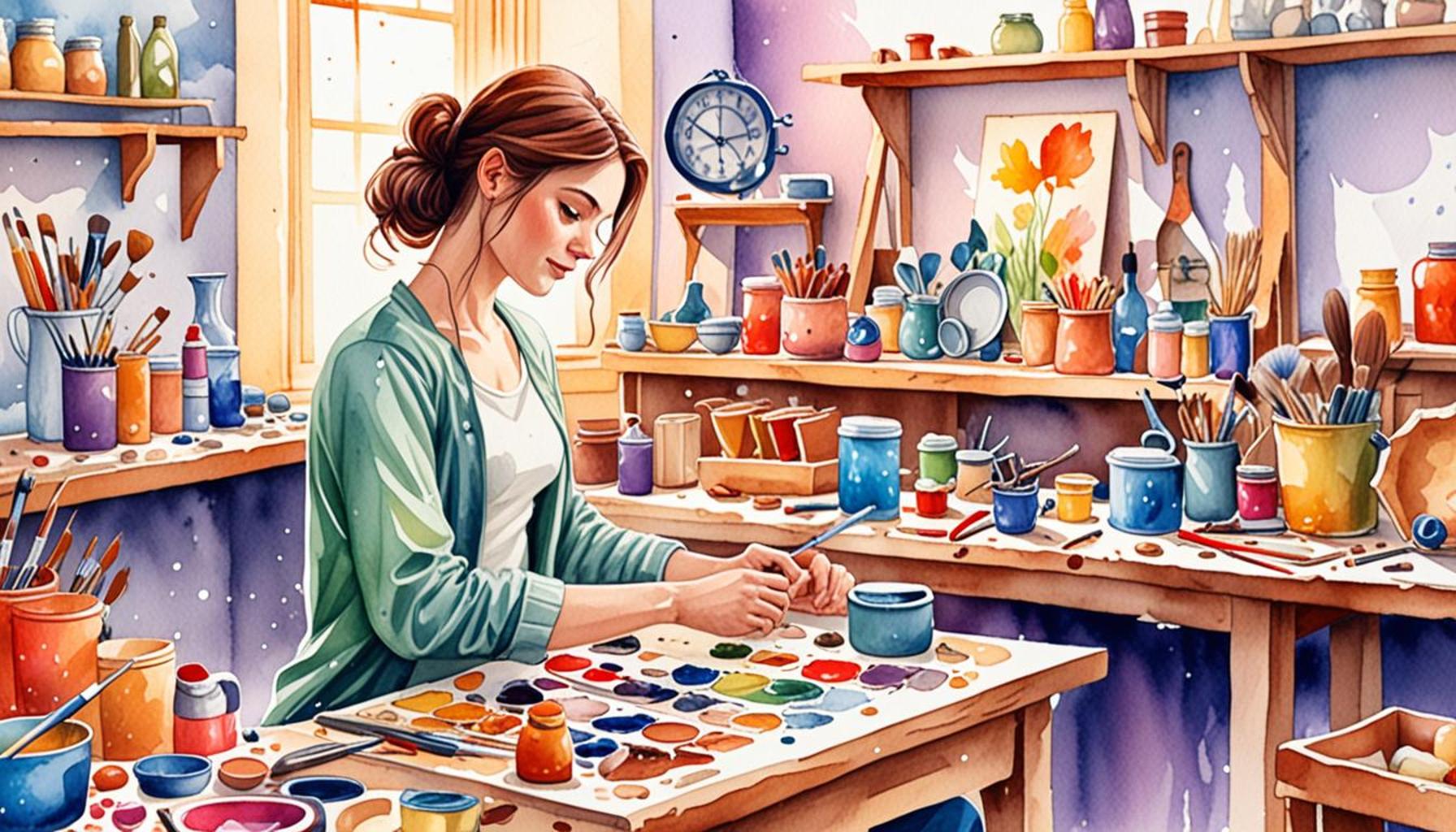
Understanding the Worth of Unique Creations
In an era defined by technological advancements and quick fashion cycles, consumers are increasingly finding themselves amidst a sea of sameness. The proliferation of big-box retailers and online shopping platforms has saturated the market with products that lack distinction, resulting in a landscape where craftsmanship and authenticity often take a back seat.
The implications of this shift are concerning, and they stretch far beyond merely aesthetic considerations. For example, the loss of unique styles is not just a fashion statement; it reflects a deeper societal trend where personal expression becomes overshadowed by homogenized consumerism. In the United States alone, a staggering number of fast-fashion items are produced annually, leading to a culture where people often unknowingly dress alike, defined not by their individuality but by their adherence to transient trends.
Moreover, consider the environmental impact. The mass production of clothing and products contributes to significant waste and pollution. According to the Environmental Protection Agency (EPA), the textile waste generated by Americans reached 17 million tons in 2018. Sustainable craftsmanship, on the other hand, focuses on quality over quantity, creating durable items that not only hold greater value but also lessen the strain on our planet. Artisans often utilize eco-friendly materials and methods, providing consumers with alternatives that benefit both their wardrobe and the environment.
- Connection to Creators: Investing in handcrafted products fosters a relationship between the maker and the consumer. When people purchase unique items, they acquire more than just a product; they gain a narrative, a story that connects them to the artist’s vision.
This growing awareness among consumers has sparked a renewed interest in pieces that tell a richer tale. In a culture leaning toward ethical consumerism, individuals now actively seek out artisans who dedicate themselves to their craft—be it bespoke furniture makers in North Carolina, jewelry designers in New York, or textile artists in Oregon. Each unique piece offers a glimpse of the artisan’s skill and creativity, transforming the simple act of shopping into a meaningful experience.
As we venture into this exploration of craftsmanship, we invite a deeper understanding of how unique, hand-crafted items can reshape our relationships with our possessions. By choosing authenticity over assembly-line production, we not only support artisans but also invest in a culture that values the unique and the original. This cultural shift signifies more than a mere trend; it represents a movement towards a more enriching and sustainable way of living.

DISCOVER MORE: Click here for creative ideas
The Resurgence of Artisanal Traditions
As the world becomes increasingly inundated with mass-produced goods, there emerges a profound appreciation for the art of craftsmanship. This revival is not just about aesthetics; it encapsulates a broader movement toward a deeper understanding and appreciation of the unique pieces that tell stories of culture, heritage, and individual expression. Across the United States, a growing number of consumers are turning to artisans who embrace traditional techniques, creating products that embody skill and personality in a way that industrial manufacturing simply cannot.
This movement is fueled by a combination of factors, including a desire for quality, ethical considerations, and a longing for personal connection. In sharp contrast to the impersonality of fast fashion and mass production, handcrafted items provide an opportunity for consumers to reconnect with their purchases. When someone buys a hand-forged knife from a local blacksmith or a custom-made ceramic vase from a nearby potter, they are not just acquiring an object; they are investing in a piece of artistry that carries the spirit of its creator.
The Economic Impact of Craftsmanship
Support for artisans not only contributes to a more authentic shopping experience but also has significant economic implications. When consumers choose to buy from local craftspersons, they stimulate local economies. According to the American Craft Council, the craft sector represents a substantial contribution to the economy, generating billions of dollars each year and creating jobs within communities. Investing in handmade items often means supporting local artisans who use regional materials and traditional techniques, thereby enriching the local culture.
- Job Creation: The artisan economy significantly contributes to job growth in local areas, allowing craftspeople to sustain their talents and livelihoods.
- Community Engagement: Craft fairs and local markets foster community interaction, creating a space for artisans and consumers to share stories, ideas, and experiences.
- Preservation of Skills: By investing in craftsmanship, individuals help keep traditional skills alive, preserving cultural heritage for future generations.
Moreover, the conversation around sustainability cannot be overlooked. Many artisans prioritize eco-friendly practices, opting for sustainable materials and processes that minimize environmental footprints. In a world where overconsumption leads to environmental degradation, choosing handcrafted items becomes a conscious decision to support sustainable living. For example, handmade goods often utilize upcycled materials, while mass-produced items typically contribute to landfills and climate change.
Thus, the resurgence of craftsmanship and the demand for authenticity can be viewed as a societal reaction to the overwhelming presence of massification. As individuals seek to reclaim their sense of individuality and connection within an increasingly homogenized world, the value of unique pieces rises to the forefront. It’s more than just a trend—it’s a fundamental shift in how we perceive our relationship with the objects we own. This movement towards craftsmanship not only enriches our lives but also helps build a future that honors creativity, sustainability, and personal expression.
| Advantage | Description |
|---|---|
| Emotional Connection | Unique pieces evoke a sense of individuality, allowing consumers to form a deeper emotional bond with the item. |
| Support for Local Artisans | Choosing handmade products promotes local economies and fosters a sense of community. |
| Sustainability | Craftsmanship typically involves materials that are environmentally friendly, contributing to sustainable practices. |
| Investment Value | Unique handcrafted items often appreciate in value, making them worthwhile investments for collectors. |
In a world saturated with mass-produced items, the call for craftsmanship and authenticity offers consumers a refreshing alternative. The creation of unique pieces not only enhances personal expression, but also underscores a commitment to quality over quantity. With each handcrafted item, the artisan’s story and skill are woven into the fabric of the product, enriching the experience for anyone who values fineness and dedication in their belongings.The demand for distinctive items has opened up a vast marketplace where artisans can showcase their work, providing consumers with endless options for personalization. This shift encourages a more sustainable lifestyle, as handmade goods usually involve fewer resources and less environmental impact compared to their mass-marketed counterparts.Moreover, by choosing authenticity, consumers take part in a growing movement that prioritizes ethical production, indirectly pushing the industry towards more responsible practices. It begs the question, how many unique stories will you uncover in the world of craftsmanship, and what treasures await your discovery?
DISCOVER MORE: Click here to learn about the importance of crafts for children’s creativity
The Personal Connection to Artistry
One of the most profound aspects of craftsmanship is the intimate relationship it fosters between the maker and the consumer. When individuals select handmade items, they often seek not just a product, but a story that resonates with their own lives. For example, a hand-stitched leather wallet produced by a local artisan carries not just functionality, but the imprints of the maker’s creativity and passion. This can transform an ordinary purchase into a personal connection, where the history of the item becomes intertwined with the identity of the consumer.
The burgeoning popularity of platforms such as Etsy and local artisan markets underscores this phenomenon. Customers not only buy products; they often buy into the narratives surrounding those products. Testimonials and personal stories shared by makers further enhance this connection, allowing consumers to feel part of something greater than themselves. This phenomenon has generated a new wave of enthusiasm for artistic collaboration, with consumers now often directly supporting the artistic vision and labor of their favorite creators.
The Role of Social Media in Promoting Craftsmanship
In today’s digital age, social media plays a pivotal role in the resurgence of craftsmanship. Artists and makers leverage platforms like Instagram and Pinterest to showcase their work, share their creative processes, and communicate with potential buyers. This visibility demystifies the artistry involved and creates a sense of community among enthusiasts and creators alike. Many artisans now use hashtags related to craftsmanship to amplify their reach, connecting with a global audience eager to appreciate the unique stories behind each creation.
This visibility has broadened the market for handcrafted goods. According to recent studies, artisans with a robust online presence can experience up to a 50% increase in sales compared to those who rely solely on traditional marketing methods. As trends evolve and consumer preferences gravitate toward authenticity, artisans can find their niche in an increasingly crowded marketplace by showcasing their craftsmanship effectively online.
Challenges Faced by Artisans
Despite the growing appreciation for handcrafted products, artisans face hurdles in the modern landscape. The challenges of competing with mass-produced alternatives, often sold at lower prices, can be daunting. However, a number of craft collectives and organizations have begun initiatives to support artisans in finding sustainable business models. These initiatives often educate craftspeople on marketing, provide business mentorship, and help connect them with resources for funding and material sourcing. Such programs directly contribute to preserving traditional skills while driving innovation within the artisan sector.
Additionally, there is the challenge of consistency in quality and availability. Unlike large manufacturing companies that produce in bulk, artisans rely on small batches which may result in longer wait times for consumers. However, this trade-off often enriches the customer experience, with buyers appreciating the investment of time and skill that goes into each unique piece.
As the demand for craftsmanship continues to grow, so does the importance of combatting these challenges through community support and awareness. Whether it be participating in local art shows or promoting online fundraising campaigns, consumers can play an essential role in championing the artisans whose work helps to cultivate a richer cultural tapestry in an age marked by massification.
DIVE DEEPER: Click here to uncover more musical styles</p
Embracing Craftsmanship in a Mass-Made World
As we navigate an era dominated by massification, the intrinsic value of craftsmanship and authenticity shines through as a beacon of individuality and connection. The appreciation for unique, handmade items serves as a reminder of the artistry and passion that can be lost in the tide of uniformity. By choosing to support local artisans and embracing their stories, consumers not only invest in distinctive pieces but also contribute to preserving valuable traditions and skills.
Furthermore, the role of social media has amplified this movement, allowing artisans to reach wider audiences and foster communities centered around shared values of craftsmanship and ethical consumption. Through engaged interactions on platforms like Instagram and Etsy, consumers become more informed about the origins of their products, enabling them to make conscious choices that align with their identities.
However, as beneficial as this growth may be, it is essential for artists to adapt to contemporary challenges, including competition from mass-produced alternatives and the need for sustainable business practices. By collaborating and leveraging available resources, artisans can navigate this landscape while retaining the essence of their craft. As individuals, we have the power to advocate for a cultural shift—embracing and celebrating handmade artistry in our everyday lives. By championing craftsmanship, we pave the way for a future where originality thrives, encouraging a deeper appreciation for the unique narratives woven into every handmade piece.