Developing Performance Skills Through Dance: A Path to Self-Expression
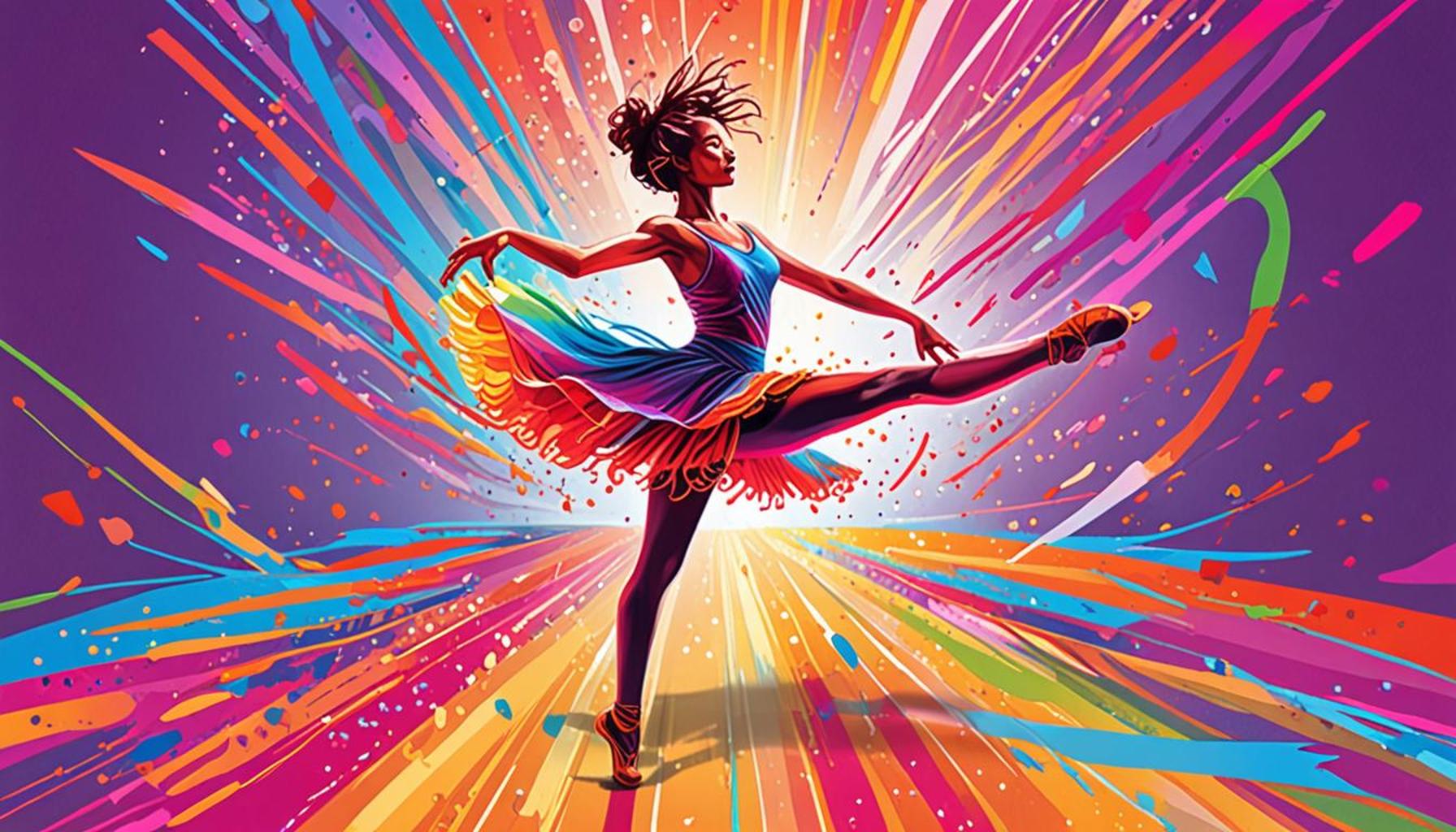
Unlocking Self-Expression Through Dance
Dance is more than just a physical activity; it serves as a vibrant medium for self-expression. As individuals immerse themselves in the movements, they discover not only their bodies but also the depth of their emotions and personal identities. With its rich history and myriad styles, dance fosters a unique environment for personal growth, enhancing both performance skills and self-awareness.
- Creativity: Engaging in dance encourages unique interpretations of movement. Each dancer brings their personal narrative and emotional state, producing a dynamic tapestry of expression. For instance, a contemporary dancer may interpret a heartbreak through fluid movements and dramatic gestures, allowing the audience to resonate with their experience through the art form.
- Confidence: The journey of mastering new steps and routines inspires a profound sense of achievement. As dancers progress from simple to complex choreography, the successful execution of a challenging routine builds self-esteem. This was evidenced at a nationwide dance competition, where participants showcased their journey from novice to expert, gaining confidence as they performed in front of a live audience.
- Collaboration: Group dance projects, such as those found in traditional ballet or modern hip-hop crews, cultivate teamwork and communication skills. Dancers must work together to synchronize their movements, reinforcing the importance of collaboration beyond the dance studio and into daily life.
From ballet to hip-hop, the diversity of dance styles offers varied opportunities for developing essential performance skills. Each genre introduces distinctive techniques that can significantly strengthen specific abilities.
- Musicality: By understanding rhythm and timing, dancers enhance their ability to connect with music. For example, jazz dancers must precisely align their movements with syncopated rhythms, while tap dancers express musicality through intricate footwork.
- Physical fitness: Dance improves overall strength, flexibility, and endurance. Whether it’s executing complex ballet pirouettes or enduring hours of high-energy hip-hop routines, dancers build physical conditioning that is essential for a long-lasting performance career.
- Emotional intelligence: Dance inherently involves expressing various emotions, making it a powerful tool for self-discovery and empathy. Through the enactment of joy, sorrow, and everything in between, dancers can explore human experiences, fostering understanding and connection with others.
Through dedicated practice, dance becomes not only a form of entertainment but a transformative path to unlocking creativity and personal identity. Each dancer embarks on a journey rich in exploration, where the process of refining skills leads to profound self-expression. This journey is also a celebration of cultural diversity, with traditions from around the globe interwoven into the American dance landscape. Thus, the impact of dance transcends mere movement, establishing a potent channel for individuals to articulate their innermost selves in ways that speak to the shared experiences of humanity.
DIVE DEEPER: Click here to uncover creative upcycling techniques
The Transformative Power of Dance in Skill Development
Dance is a universal form of communication that transcends linguistic barriers, making it an essential tool for developing performance skills alongside self-expression. Within the context of American culture, dance encompasses a rich variety of genres, each contributing uniquely to the dancer’s repertoire. The interplay of technical proficiency and emotional delivery is key, and dancers of all ages can reap the benefits of this multifaceted art form.
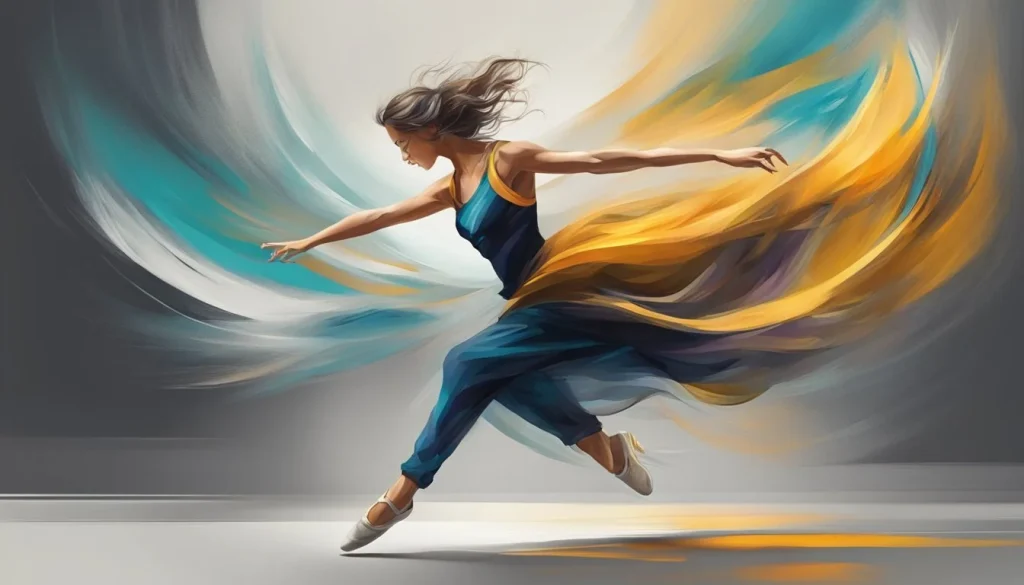
At the core of dance lies an intricate relationship between technique and creative interpretation. When dancers engage in rigorous practice, they not only learn choreography but also attune their bodies to articulate emotions that lie beyond mere words. The focus on form and technique nurtures discipline, enhancing the dancer’s capacity to convey feeling through movement. This duality of skill acquisition and self-expression is evident in various dance styles:
- Ballet: Renowned for its structure and precision, ballet teaches control, balance, and grace. Dancers must master complex movements and sequences, which can take years of practice to perfect. This technique translates effectively into other styles, fostering a foundation for dancers to build upon as they diversify their skill set.
- Hip-Hop: The dynamic nature of hip-hop encourages individual interpretation and provides dancers an opportunity to impose their personal flair within a structured framework. As dancers experiment with various elements, such as popping and locking, they develop an innate understanding of rhythm and body dynamics, which translates into exciting performances.
- Contemporary: Blending various styles, contemporary dance allows for profound emotional expression. Dancers harness their technical training to explore vulnerability and spontaneity, inviting audiences to experience the narrative through movement. This genre underscores the importance of storytelling in performance, which resonates deeply with viewers.
Moreover, participation in dance nurtures essential cognitive skills, further enhancing performance capabilities. Dancers often engage in critical thinking as they analyze choreography and experiment with improvisation. This mental engagement, coupled with the physical demands of dance, enriches the overall learning experience. For instance, memory skills are sharpened as dancers go through countless repetitions of routines, transforming the intricate patterns into muscle memory that ensures fluidity on stage.
The social aspect of dance cannot be overlooked, particularly in collaborative settings such as dance troupes and ensemble pieces. These experiences foster a sense of community among dancers, encouraging them to support one another while honing their performance skills. The camaraderie formed in these environments not only strengthens teamwork but also enhances individual performance through shared learning experiences. In this way, the practice of dance becomes a celebration—a joyous amalgamation of creativity, discipline, and personal connection.
As the journey of a dancer unfolds, they find themselves traversing an expansive landscape of emotion, skill, and creativity. This intersection of personal growth and artistic expression fuels the transformative potential of dance—a pathway leading towards deeper self-awareness and a profound sense of identity through performance.
| Advantages | Impact on Self-Expression |
|---|---|
| Enhanced Creativity | Dance encourages individuals to explore diverse movement styles, leading to richer artistic expression. |
| Improved Confidence | Regular performance can diminish anxiety, fostering a sense of achievement and boosting self-esteem. |
| Emotional Release | Dance serves as a therapeutic outlet, allowing for the expression of complex emotions in a safe environment. |
| Physical Coordination | Developing body awareness and coordination enables smoother expressive movements, enhancing performances. |
Dance is a multifaceted discipline that not only serves as an aesthetic form of art but emerges as an essential medium for self-expression. The process of learning and performing dance can significantly develop an individual’s abilities while simultaneously offering emotional and mental benefits, drawing participants deeper into their creative journeys. Engaging with dance encourages participants to confront and understand their emotions, translating those feelings into movements that resonate with audiences. More than just physical movement, dance cultivates a unique bond between the performer and their audience, offering a powerful way to communicate without words.
DIVE DEEPER: Click here to learn more
Exploring Diverse Pathways for Growth and Expression
The journey of developing performance skills through dance is not solely confined to physical movement; it is an enriching experience that encourages artistic innovation and personal exploration. Dancers, regardless of age or experience, engage with their artistry in ways that foster growth not only in technique but also in emotional intelligence and cultural awareness.
One of the most compelling aspects of dance is its ability to cultivate cultural awareness. By engaging in various dance forms reflective of different cultures, students broaden their horizons and gain insight into diverse traditions and histories. Styles such as African dance, Bollywood, and salsa offer unique perspectives on social issues, community bonds, and the power of expression. As dancers learn these forms, they embody stories and narratives that connect them to cultural roots, enhancing their ability to communicate meaningfully through movement.
Furthermore, dance serves as a vital tool for enhancing emotional intelligence. Through improvisational exercises and choreographic exploration, dancers confront their own emotions and learn to express them constructively. This process encourages self-reflection and introspection, allowing individuals to connect with their own experiences while simultaneously tapping into universal human feelings. For example, dancers often depict themes such as joy, loss, and resilience through their art, crafting performances that resonate deeply with audiences and foster empathy.
Attention to improvisation in dance is another vital component in cultivating performance skills. While structured choreography is essential for establishing techniques, improvisation invites spontaneity and innovation. Dancers enhance their ability to respond to unexpected circumstances by learning to trust their instincts and creativity. In an improvised setting, they can experiment with movement, discovering new ways to express emotions or ideas in real-time. This unpredictability ultimately enriches their performances, as improvisational skills can result in authentic and vibrant display on stage.
The role of dance in building resilience is also significant. The discipline required to achieve proficiency—alongside the inevitable challenges of mastering intricate routines—fosters a growth mindset. Dancers learn to view failures as opportunities for improvement, cultivating perseverance that transcends the dance floor. For many, these lessons stretch into other aspects of life, equipping them with the determination to face academic pursuits, career challenges, or personal hurdles.
Additionally, technology plays an increasingly significant role in the evolution of dance performance and skill development. Digital platforms, like social media, offer dancers the opportunity to share their work, gain feedback, and connect with a global audience. This expanded reach not only fosters community but also amplifies exposure to various styles and techniques from around the world. Online tutorials and virtual dance classes have further democratized access to quality instruction, encouraging individuals to explore their passion and deepen their skills regardless of geographic location.
Ultimately, the transformative journey of dance is a unique blend of physical prowess and emotional discovery. As individuals come together in various settings—be it a studio, stage, or virtual realm—they uncover the potential within themselves to express their identities and connect with others through the vibrant language of movement.
DIVE DEEPER: Click here to discover how creative writing can change your life
Embracing the Journey of Dance as a Medium for Self-Expression
In conclusion, the exploration of developing performance skills through dance offers a profound pathway to self-expression that intertwines artistry, emotional growth, and cultural understanding. As dancers delve into various forms and styles, they not only refine their physical abilities but also embrace the richness of diverse narratives, fortifying their connection to global communities. This intricate blend of cultural engagement and emotional intelligence fosters a holistic growth that extends beyond the dance floor, influencing personal and social dimensions of life.
The importance of improvisation and resilience in dance cannot be overstated; these elements empower individuals to navigate the complexities of life with creativity and determination. By learning to express emotions and respond to challenges through movement, dancers develop essential skills that translate into all areas of life, from academics to relationships. The rapid advancement of technology further fuels this journey, providing innovative platforms for sharing creativity, inspiring collaboration, and democratizing access to quality dance education.
Ultimately, the vibrant art of dance remains an inspiring vehicle for individuals of all ages, backgrounds, and abilities to discover their unique voices. As dancers continue to push boundaries and explore new dimensions of their craft, they pave the way for a future rich with artistic possibility. Engaging with the transformative power of dance not only enhances performance skills but also ignites a passion for self-expression that reverberates throughout society, encouraging everyone to embrace their individual stories and share them through the universal language of movement.