Exploring Art Therapy How Crafting Boosts Mental Health
Introduction
In recent years, the intersection of creativity and mental health has gained significant attention, highlighting how engaging in artistic activities can enhance overall well-being. Art therapy, a practice that incorporates creative expression into therapeutic processes, has been embraced by many as a valuable tool for managing emotional challenges. Through various forms of crafting and creative hobbies, individuals can unlock a profound sense of healing and self-discovery.
Participating in manual activities offers numerous advantages, making it a relevant topic in today’s fast-paced world. Here are a few key points emphasizing its benefits:
- Stress Relief: Engaging in creative endeavors can significantly reduce stress levels.
- Emotional Expression: Crafting serves as a medium for expressing complex feelings.
- Increased Focus: Many creative tasks require concentration, promoting mindfulness.
- Social Connection: Group art activities foster community and shared experiences.
- Boosted Self-Esteem: Completing creative projects can enhance feelings of achievement.
Join us as we delve into the Top 5 activities that exemplify the therapeutic power of art, revealing how simple crafts can make a significant impact on mental health. Explore, create, and discover the transformative potential that lies within your creative pursuits.
Exploring Art Therapy: Benefits of Manual Activities on Mental Health
Art therapy merges the transformative power of creativity with the critical aspects of psychological healing, emerging as a formidable force in addressing mental health concerns. As modern society grapples with escalating mental health challenges, finding effective and engaging methods to enhance emotional well-being has never been more pertinent. Engaging in manual activities like painting, crafting, or drawing is increasingly recognized as a valuable therapeutic tool for managing various mental health issues. This article explores the top five benefits of art therapy, highlighting how such creative pursuits positively impact mental well-being.
5. Fostering Emotional Expression
Engaging in manual activities significantly contributes to fostering emotional expression. Many individuals encounter difficulties articulating their emotions, often resulting in bottled-up feelings. Art provides a safe and non-verbal mode of expression, allowing complex and intense emotions to be communicated without verbal articulation. Whether through the sweeping strokes of a brush across a canvas or the tactile molding of clay, art offers an essential non-verbal communication channel.
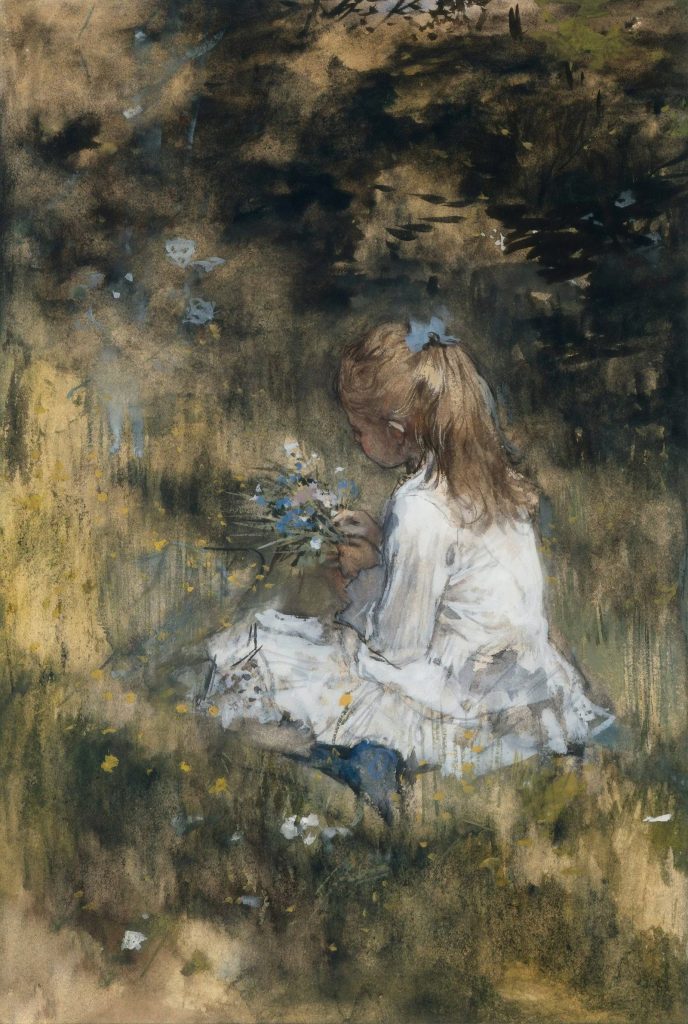
In art therapy sessions, therapists often guide participants through structured art exercises that encourage dealing with emotions constructively. Such approaches make art therapy particularly beneficial for individuals uncomfortable or unable to express their feelings verbally, like children or trauma survivors. These art sessions frequently lead to significant emotional breakthroughs, enabling individuals to explore and manage their emotional landscapes safely and creatively, paving the path toward emotional healing and resilience.
4. Enhancing Mindfulness and Presence
Another crucial benefit of engaging in art activities is the enhancement of mindfulness and presence. These activities naturally encourage individuals to immerse themselves in the present moment. Creating art demands focus, precision, and an attentive mind, which can significantly reduce anxiety and depressive symptoms by promoting a state of calmness and clarity.
The concept of mindfulness, being entirely present and engaged at the moment, is integral in managing stress and promoting mental clarity. Art activities redirect focus from stressors and negative thoughts, channeling attention into the creative process. Whether blending colors, molding shapes, or even the repetitive motion of knitting, the immersive nature of these activities fosters mindfulness. This practice can considerably enhance personal insight, allowing individuals to gain deeper understanding and control over their thoughts and emotions.
3. Building Self-Esteem and Confidence
Art therapy can be transformative in bolstering an individual’s self-esteem and confidence. Irrespective of innate artistic talent, the process of creating art itself brings a sense of accomplishment and personal fulfillment. This sense of pride stems not just from the finished product, but from the act of creation and the journey embarked upon.
Witnessing one’s growth and progress in artistic skills over time can be empowering. The journey from a sketch to a finished piece reflects not only creativity but also commitment and perseverance. This growth nurtures a stronger sense of identity and purpose, reinforcing self-worth. Positive reinforcement from peers or professionals further enhances this self-esteem, creating a supportive environment where creativity and personal growth flourish.
2. Providing a Distraction and Coping Mechanism
Art serves as a powerful distraction and coping mechanism for those dealing with challenging emotions or circumstances. The immersive nature of art creation demands concentration and calculated decision-making, providing an escape from stresses and anxieties.
Creative activities offer a constructive outlet, channeling potentially overwhelming emotions into something tangible and expressive. Instead of succumbing to negative feelings, individuals can redirect their energies into their art, thereby establishing healthier coping mechanisms. Over time, these artistic endeavors replace destructive habits with constructive routines, leading to more resilient mental health practices.
1. Promoting Healing and Transformation
Central to art therapy is its capacity to promote healing and transformation. This holistic approach considers the intertwined nature of the mind and emotions, facilitating a journey towards recovery and well-being. Numerous studies acknowledge that engaging in creative activities aids significantly in emotional regulation, stress relief, and enhancing psychological resilience.
- Emotional Healing: Through art, individuals confront and process emotional pain, finding avenues for release, and ultimately, healing.
- Personal Transformation: Artistic expression enables personal exploration, revealing new facets of identity and encouraging profound personal growth.
- Community and Connection: Group art therapy or workshops often foster social connections and a sense of belonging, which are paramount for mental health.
Art therapy encourages introspection and a deeper understanding of oneself. By tapping into creative processes, individuals not only explore unique expressions of self but also foster holistic well-being. As they delve into their creative sides, they embark on journeys of personal discovery and transformation, laying robust foundations for enhanced mental health. Art therapy, therefore, remains an essential and growing aspect of contemporary mental health care, encouraging the interplay of art and healing to facilitate resilience and well-being.
| Category | Details |
|---|---|
| Emotional Expression | Engaging in manual activities like painting or sculpting allows individuals to express emotions they may struggle to verbalize, creating a powerful outlet for feelings such as anxiety or sadness. |
| Mindfulness and Focus | Activities such as knitting or pottery require concentration, promoting mindfulness. This focused engagement can help in reducing stress and increasing a sense of calm and well-being. |
| Community Building | Art therapy groups foster a sense of community and connection. Participants often find that sharing their creations can enhance their sense of belonging and reduce isolation. |
| Cognitive Development | Manual activities stimulate the brain, improving cognitive function. This is particularly beneficial for those recovering from mental fatigue or trauma as it encourages newfound skills and neural connections. |
As we delve deeper into the therapeutic effects of art on mental health, the impact of emotional expression stands out. Many individuals find that their internal struggles become more manageable when they can create visual representations of their feelings. This not only serves as a therapeutic release but also helps one gain insight into their emotional states, often resulting in a greater understanding of oneself.Additionally, the practice of mindfulness is increasingly valued in today’s fast-paced society. By engaging in artistic activities that demand focused attention, people can effectively divert their thoughts from disruptive patterns, achieving a state of peace and tranquility. This practice also encourages individuals to live in the moment, allowing them to appreciate the process rather than fixating solely on the outcome.Furthermore, the communal aspect of art therapy cannot be overlooked. Interaction with others in a creatively charged environment contributes significantly to emotional healing. Sharing creative spaces with others creates opportunities for building supportive relationships, which can greatly diminish feelings of loneliness and enhance overall morale.Cognitive development through art is another fascinating area of exploration. Engaging in creative activities stimulates various regions of the brain, leading to improved memory and problem-solving abilities. Moreover, artistic expression not only revitalizes mental faculties but also instills a sense of accomplishment, which is vital for anyone on their journey to better mental health.Through these categories, it becomes clear that the advantages of engaging in manual arts extend far beyond hobbyist interests; they touch upon crucial facets of personal development, social integration, and emotional healing. As we continue to explore the connection between art and mental health, the evidence suggests that these activities are more than just a means of entertainment—they are essential tools for fostering mental well-being.
Frequently Asked Questions about Art Therapy and Mental Health
What is art therapy and how does it differ from simply doing crafts?
Art therapy is a form of psychotherapy that utilizes the creative process of making art to improve mental, emotional, and sometimes physical well-being. Unlike engaging in crafts as a hobby, art therapy is guided by a professional therapist who uses art as a way to help clients explore emotions, develop self-awareness, manage stress, and improve self-esteem. The focus is on the therapeutic process rather than the final artistic product.
Who can benefit from art therapy?
Art therapy can be helpful for individuals of all ages, from children to adults. It is particularly beneficial for those who have experienced trauma, suffer from anxiety or depression, or are dealing with issues such as grief, chronic illness, or stress. Art therapy can also be effective for those who struggle with verbal expression, as the creative process offers an alternative way to communicate and process emotions.
How does creating art impact mental health positively?
Engaging in art can lead to a state of flow where individuals lose themselves in the creative process, which is known to reduce stress and promote relaxation. Art making can stimulate the release of dopamine, a neurotransmitter associated with feelings of pleasure and satisfaction. Additionally, it can provide a sense of accomplishment and boost self-esteem, offering visual and tangible results that reflect personal growth and healing.
What types of art activities are commonly used in art therapy?
Art therapy can involve a wide variety of art forms, including drawing, painting, sculpture, and collage. The specific activity is often tailored to the individual’s needs and therapeutic goals. For instance, simple drawing exercises can be used for stress relief, while more complex projects like sculpture might be employed to help someone process trauma through tactile engagement.
Do I need to have artistic skills or experience to participate in art therapy?
No prior artistic skills or experience are necessary for art therapy. The emphasis is not on creating a masterpiece but on the increased self-expression and emotional exploration that the process facilitates. Art therapy is about the journey of creation and the insights that come from it, rather than the aesthetic quality of the artwork produced.
Conclusion: The Transformative Power of Art Therapy
In exploring the realm of art therapy, we unveil a world where creativity serves as a pivotal mechanism for healing and well-being. Throughout the article, the multifaceted benefits of manual activities have been highlighted, emphasizing their significant impact on mental health.
The Key Takeaways
- Cognitive Boost: Engaging in creative tasks stimulates brain function, improving focus and cognitive flexibility, thereby promoting a sharper and more agile mind.
- Emotional Release: Art offers a safe and expressive outlet for emotions, enabling individuals to process complex feelings without the constraints of verbal communication.
- Stress Reduction: Many art forms, such as painting, knitting, or sculpting, have been shown to decrease levels of cortisol and foster a state of relaxation.
- Self-expression and Identity: Art therapy not only helps articulate personal narratives but also aids in the identity formation process, fostering a stronger sense of self.
- Community and Connection: Participating in creative hobbies often brings people together, reducing feelings of isolation and fostering community through shared artistic endeavors.
Final Thoughts
The integration of art as a therapeutic tool is not just a fleeting trend but a profound technique gaining traction among mental health professionals. By broadening the scope of therapy to include creative hobbies, individuals are afforded dynamic pathways to enhance their mental and emotional well-being. For those willing to delve deeper, numerous studies and personal testimonies underscore the transformative nature of art therapy.
In summary, the constructive power of manual activities in art therapy lies in their ability to nurture the mind and spirit. Encouraging exploration into this field can unveil personal insights and foster healing, making it an invaluable asset in the broader discussion of mental health enhancement.