Exploring Different Forms of Art: The Influence of Cultural Trends on Contemporary Artistic Practices
Exploring the Depths of Artistic Expression
Art is a powerful reflection of the cultural zeitgeist, encapsulating the spirit of its time and the collective consciousness of society. As communities shift and progress, the forms and significances of art also evolve, offering insights into the values, obstacles, and aspirations characteristic of contemporary life. This fluid relationship between art and society invites us to appreciate how these expressions undergo adaptation and transformation throughout different epochs.
The Intersection of Culture and Art
Today’s artistic landscape is shaped by several prevailing cultural trends that underscore the richness of creative expression. Each of these trends contributes significantly to how art interacts with societal norms and challenges, fostering a deeper understanding of contemporary issues.
- Diversity and Inclusion: The modern art scene is increasingly characterized by contributions from artists of diverse backgrounds. This expansion of voices allows for a broader spectrum of narratives and perspectives, breaking away from traditional Eurocentric narratives. For instance, artists like Kehinde Wiley and Amy Sherald have gained recognition for their works that celebrate African American identity, while Native American artists such as Jaune Quick-to-See Smith provide critical commentary on colonialism through their art. These diverse influences enrich the artistic dialogue, inviting wider audience engagement and fostering empathy across cultural divides.
- Technology: The rise of digital art, including virtual reality, augmented reality, and digital installations, challenges and redefines established artistic mediums. Artists like Refik Anadol use algorithms and machine learning to create mesmerizing visual experiences that push the boundaries of creativity, while platforms such as Instagram allow art to reach audiences far beyond traditional gallery spaces. This intersection of art and technology has not only transformed how art is created but also how it is consumed, enabling a more interactive and participatory experience for viewers.
- Social Movements: As global awareness around issues like racial justice, climate change, and gender equality intensifies, art has become a vital tool for activism. Works ranging from the poignant murals of the Black Lives Matter movement to the powerful installations addressing climate change, such as Olafur Eliasson’s “Ice Watch,” serve as both commentary and calls to action. Through these artistic expressions, creators amplify collective voices, encouraging dialogue and raising consciousness about pressing societal issues.
By examining these dynamic trends, we recognize that artistic expression is both a mirror and a megaphone for society. Various forms of art—from street art that transforms urban landscapes to performance art that engages viewers in provocative thought—serve as platforms for conversation and discovery. Engaging with these themes not only deepens our appreciation for contemporary artistic endeavors but also inspires further exploration into how art perpetually shapes and is shaped by the zeitgeist of its time.
DISCOVER MORE: Click here to learn about the impact of crafts on children’s creativity
The Evolution of Artistic Mediums in Response to Cultural Shifts
As societal narratives transform, so too do the mediums through which artists express their visions. The influence of cultural trends can be observed not only in the subject matter of artistic creations but also in the very materials and methods that artists choose to explore. This evolution exemplifies a broader quest for meaning and connection in an increasingly complex world. In examining these shifting dynamics, we gain insight into how contemporary artistic practices reflect the intricacies of modern culture.
Emerging Mediums and Techniques
In the contemporary art sphere, a myriad of new mediums has emerged, driven largely by technological advancements and shifting cultural sensibilities. Artists are engaging with diverse materials, from traditional canvas and paint to unconventional substances that challenge viewers’ perceptions. Some noteworthy trends include:
- Mixed Media: Artists are increasingly blending various forms of art to create multilayered works that encapsulate multiple narratives. The synergy of materials—such as photography infused into paintings or the incorporation of found objects—enables an expanded form of storytelling. This approach not only honors individual experiences but also connects disparate cultural elements, creating a rich tapestry of interpretation.
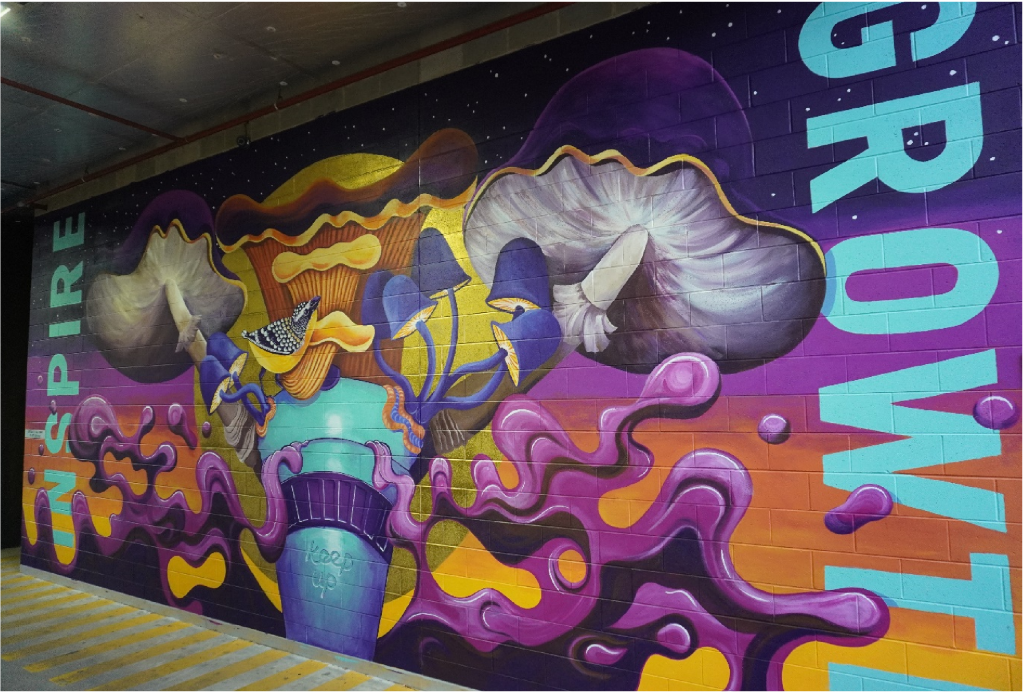
- Street Art: Initially considered vandalism, street art has rapidly evolved into a respected form of contemporary expression. Engaging with communal spaces, artists like Banksy and Shepard Fairey utilize public canvases to address social and political issues. This democratization of art invites viewers from all walks of life to engage with thought-provoking messages, often igniting conversations that echo cultural dialogues.
- Performance Art: Challenging the conventional boundaries of visual art, performance art has become increasingly popular as a medium. Artists such as Marina Abramović utilize their bodies as canvases, questioning the relationship between artist and audience in visceral, poignant ways. By embedding personal narratives within their performances, these artists provide audiences with immersive experiences that provoke thoughts on identity, power, and society at large.
The exploration of these varied artistic mediums underscores how cultural trends shape the art we see today. By dissecting and engaging in artistic practices that venture beyond the familiar, contemporary artists foster dialogues around current events, fostering a deeper understanding of their impact on the viewer’s perspective.
As we navigate the landscape of modern art, appreciating the influence of cultural trends not only prompts us to recognize the underlying messages conveyed through artistic expressions but also encourages further inquiries into how artists continue to challenge norms and redefine artistic boundaries. Each medium serves as a testament to the vibrancy of creative expression, revealing profound interconnections between art and the cultural fabric of society.
Dynamic Fusion of Traditional and Contemporary Practices
In the realm of contemporary artistic practices, the blending of traditional forms with modern techniques has become a prolific trend. Artists across the globe are increasingly drawing upon their cultural heritage, reinterpreting traditional methods to create innovative pieces that resonate with today’s audiences. This fusion serves not only as a means of preservation but also as a platform for social commentary.
The revival of ancient arts through a contemporary lens allows for a rich exchange of ideas, fostering inclusivity and dialogue among diverse artistic communities. For example, artists like El Anatsui use traditional African textile techniques to create large-scale installations that provoke thought about consumption, waste, and identity in a globalized world.
The Role of Technology in Artistic Expression
The introduction of digital technology has revolutionized the way artists engage with their practice. Digital art forms, such as virtual reality and interactive installations, have emerged as vital components in the contemporary art scene. These innovative mediums enable artists to explore themes of cultural identity and globalization in ways that traditional forms may not. Moreover, social media platforms provide a significant visibility boost for artists, facilitating direct interaction with their audience.
As the art world continues to evolve, the incorporation of technology allows for greater experimentation and collaboration, encouraging artists to push the boundaries of their creativity. For example, multimedia artist Refik Anadol uses AI to create dynamic visualizations, reflecting the constant flux of contemporary culture.
Globalization and Its Influences
Globalization has undeniable effects on artistic practices, creating a melting pot of cultural influences that enriches the artistic landscape. Many artists now draw inspiration from a diverse range of cultures, leading to unique hybrid styles that challenge traditional artistic classifications. This cultural exchange encourages new forms of expression that reflect today’s interconnected world.
Moreover, this phenomenon provides a platform for underrepresented voices, allowing artists from marginalized backgrounds to share their narratives through a contemporary lens. As artists navigate cultural trends, they contribute to a broader dialogue about identity, community, and belonging in a rapidly changing society.
Table: Advantages of Contemporary Artistic Practices
| Cultural Influence | Artistic Innovation |
|---|---|
| Explore diverse cultural narratives | Encourages fresh ideas and unique perspectives |
| Fosters community engagement and dialogue | Promotes experimentation among artists and audiences |
DISCOVER MORE: Click here to dive deeper
The Role of Social Media in Shaping Artistic Narratives
The rise of social media has irrevocably changed the landscape of artistic expression and consumption. Platforms like Instagram, TikTok, and Pinterest have fostered a vibrant community where artists can showcase their work, connect with audiences, and even critique contemporary art trends all in real time. This digital age offers unprecedented access to art, breaking geographical barriers and enabling global dialogues around cultural narratives. Through these platforms, art is not only seen but actively engaged with, allowing for a more participatory culture.
Art as a Social Commentary
In many cases, contemporary artists harness the power of social media to comment on socio-political issues, reflecting the zeitgeist of their times. For example, the #BlackLivesMatter movement has spurred a wave of socially conscious art, with artists using their platforms to address systemic racism and social injustice. Artists like Kehinde Wiley and Amy Sherald have gained significant traction, using their pieces to provoke discussions about race and identity. Their works, often shared widely on platforms, resonate with audiences, turning individual artistic expression into broader cultural phenomena.
Interactive and Immersive Art Experiences
Additionally, technological advancements have birthed immersive art experiences that blend physical and digital realms. Artists are now incorporating augmented reality (AR), virtual reality (VR), and interactive installations that invite audiences to participate actively. Museums and galleries have embraced these forms, utilizing apps and digital interfaces to engage visitors. The success of exhibitions like Yayoi Kusama’s Infinity Mirrors, which leverage social media to create shareable moments, speaks to a growing desire for immersive experience—an expression of contemporary culture’s inclination towards participation rather than passive viewership.
The Impact of Digital Art
Interestingly, the emergence of digital art forms has also been influenced by cultural trends. The rise of NFTs (Non-Fungible Tokens) has revolutionized how digital art is perceived and valued. Notable artists such as Beeple have gained mainstream recognition and auction success, representing a shift in the traditional art market. This intersection of art and technology reflects a growing cultural acceptance of digital forms, inviting artists to explore new avenues of creativity while challenging the conventional notions of ownership and provenance in art. The evolution towards digital assets has implications that ripple throughout the art world, encouraging artists to evolve their practices in alignment with current technological advancements.
As these dynamics reshape the art landscape, the intersection of digital media and traditional artistic expressions surfaces a deeper understanding of contemporary society. The contemporary art scene flourishes on dialogues between diverse forms, reflecting both personal experiences and collective cultural phenomena. The influence of cultural trends on artistic practices is undeniable, as artists continue to push boundaries, adapt new methodologies, and engage critically with the world around them.
DIVE DEEPER: Click here to learn more
Conclusion: The Dynamic Interplay of Art and Culture
In exploring the myriad ways cultural trends influence contemporary artistic practices, we uncover a rich tapestry of innovation and expression that challenges traditional boundaries. As artists navigate the complexities of our rapidly changing world, they draw inspiration from a diverse array of sources, from socio-political movements to technological advancements. The digital revolution, exemplified by social media platforms, empowers artists to reach broader audiences, enabling them to contextualize their work within the global cultural dialogue.
This participatory culture not only redefines how art is created and consumed but also emphasizes the vital role of art as a tool for social commentary. Through compelling narratives that address pressing issues, artists become catalysts for change, prompting discussions that resonate across communities. Interactive and immersive experiences showcase the evolution of art across physical and virtual realms, inviting audiences to engage in ways never before possible.
Moreover, the rise of digital art and NFTs signifies a significant shift in how we perceive value and ownership within the art world. This adaptation amplifies the voices of emerging artists and offers exciting opportunities to explore uncharted territories. As we reflect on these trends, it becomes clear that the intersection of culture and artistic practice is not merely a phenomenon of interest but a transformative force shaping our collective identity.
By embracing the evolving landscape of artistic expression, we open ourselves to new narratives and perspectives that enrich our understanding of the world. The ongoing dialogue between different forms of art and current cultural dynamics invites continued exploration, challenging us to engage critically with our surroundings while celebrating the profound impact of artistic endeavors in today’s society.