Family Gardening Activities: Creating Memories and Learning Together Outdoors

Discovering the Joy of Gardening as a Family
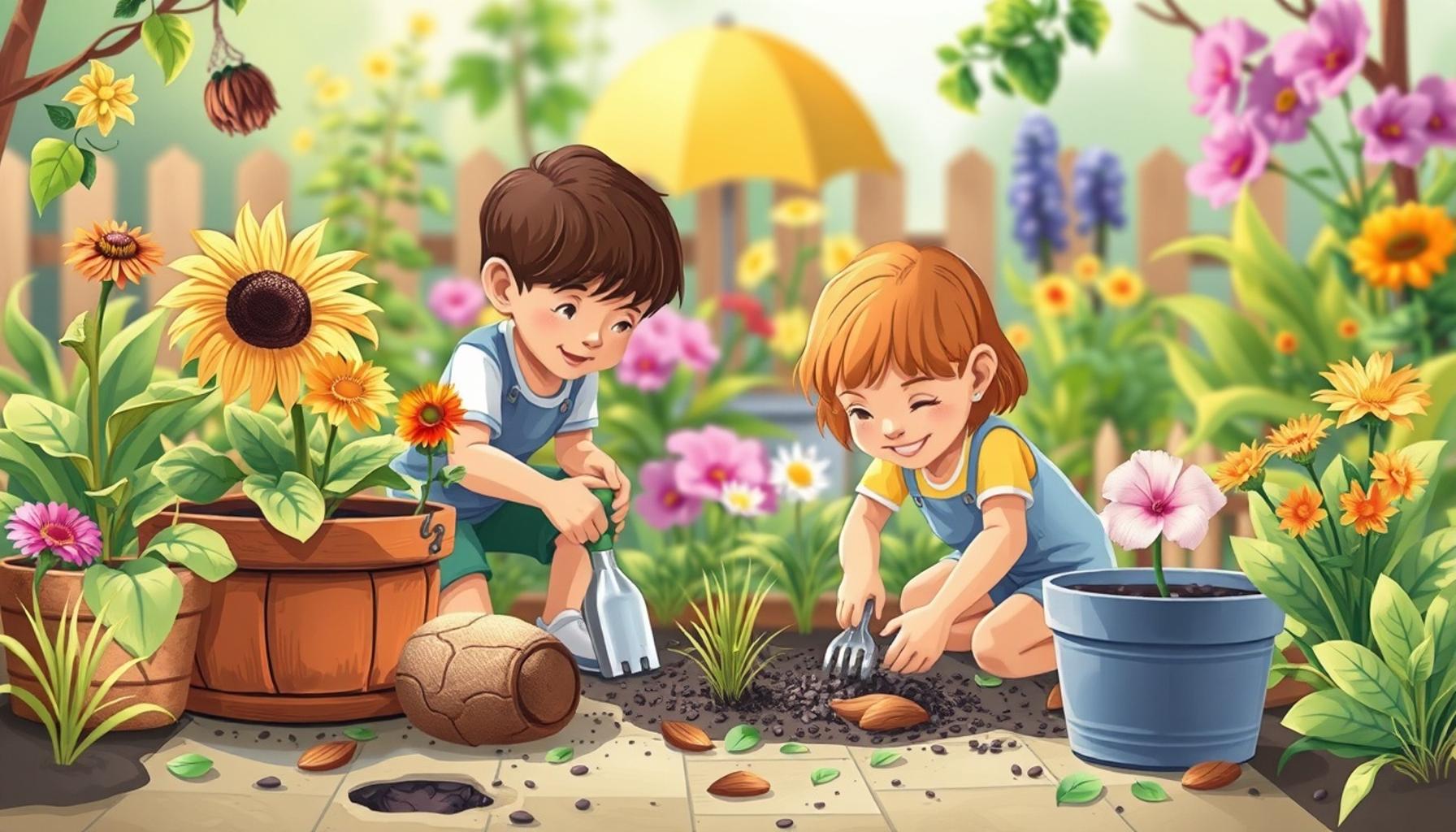
Engaging in family gardening activities provides a unique opportunity to bond while learning vital skills. It’s not just about sowing seeds; it’s about nurturing relationships and fostering a love for nature. Whether you’re planting a few herbs in pots on a balcony or cultivating a full vegetable patch in your backyard, gardening can become a profound and enriching experience for the whole family.
Why consider family gardening? Here are some compelling reasons:
- Enhances teamwork – Families work together to plant, maintain, and harvest. Every garden project relies on the collaboration between its members. Assigning roles, such as one person digging the soil while another plants seeds, requires communication and a joint effort to succeed.
- Promotes learning – Kids learn about the environment, responsibility, and science through hands-on experiences. For example, they can observe how different plants grow, understand the importance of pollinators like bees, and learn about ecosystems. Many parents have found these lessons resonate more deeply than traditional classroom learning.
- Encourages healthy habits – Gardening fosters an appreciation for fresh produce and outdoor activity. Children who help grow their fruits and vegetables are often more willing to try new foods. Growing tomatoes, for example, can lead to a newfound love for salads or sauces made from garden-fresh ingredients.
Moreover, gardening can serve as a platform for creativity. Families can delve into:
- Creating unique garden designs that reflect family interests. This could mean incorporating themed areas, like a butterfly garden or a pizza garden filled with toppings.
- Choosing plants that suit seasonal themes or personal tastes. Families can color-coordinate flowers or grow specific vegetables that they enjoy eating, from pumpkins in the fall to colorful zinnias in summer.
- Exploring various gardening methods, such as container gardening or raised beds. Container gardens are particularly appealing for families with limited space and can be an excellent way to introduce children to the concepts of gardening without a large commitment. Raised beds can make gardening more accessible, allowing family members to garden with less strain on their bodies.
As families dig into the soil and watch their plants flourish, they create cherished memories. Each garden becomes a canvas of experiences, laughter, and lessons that can be shared for generations. The family that gardens together often comes to cherish not just the fruits of their labor but the time spent nurturing relationships through shared efforts.
Get ready to learn how to transform your outdoor spaces into vibrant, engaging gardens that not only beautify your home but also strengthen family ties! In an ever-fast-paced world, taking a moment to work together in nature can offer invaluable experiences and insights.
Building Lifelong Skills Through Gardening
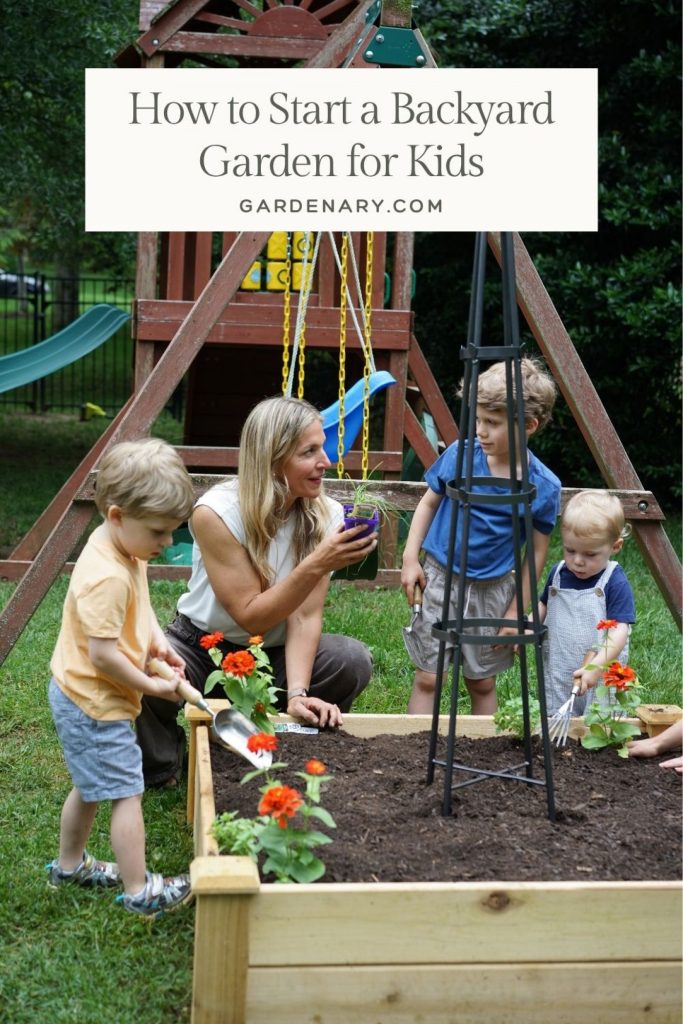
Beyond the delightful notion of digging in the dirt, family gardening activities serve as a powerful mechanism for developing critical life skills. As parents and children collaborate in the garden, they foster not only an appreciation for the outdoors but also a myriad of competencies that transfer to various aspects of life. Engaging in gardening encourages responsibility, patience, and a hands-on understanding of nature. These experiences are particularly impactful for children, shaping their perspectives and behaviors as they grow.
One of the most significant advantages of gardening as a family is the reinforcement of responsibility. Children learn that plants require consistent care, including watering, weeding, and monitoring for pests. Assigning specific tasks to each family member teaches accountability. For instance, a child might be responsible for watering the plants every morning, while another might take charge of harvesting the vegetables once they’re ripe. Such responsibilities instill a sense of ownership and allow children to witness the direct consequences of their efforts.
The unpredictability of nature also introduces kids to the concept of patience. Unlike instant gratification that often accompanies modern-day experiences, gardening requires waiting for seeds to germinate, flowers to bloom, or vegetables to reach maturity. This waiting period fosters resilience, emphasizing the value of hard work and perseverance in achieving rewarding outcomes. A child who learns to wait for a blooming flower or a fully developed zucchini understands that some things take time and effort to materialize.
The hands-on experience of planning a garden develops practical skills and stimulates creativity. Families have the opportunity to explore different layouts, colors, and plant combinations that will turn their plots into vibrant spaces. Whether choosing to cultivate a rainbow of flowers or designing a culinary herb garden, creativity knows no bounds. Here are a few ways families can enhance their creative expression through gardening:
- Theme Gardens: Families can design their gardens based on themes, such as a sensory garden with fragrant herbs or a fairy garden with whimsical decorations.
- Art Projects: Parents and kids can create unique plant markers, garden art, or birdhouses to add personal touches to their gardening space.
- Seasonal Activities: Families can adapt their gardening projects to celebrate the changing seasons, planting pumpkins in the fall or colorful flowers in the spring, enhancing the excitement for each time of year.
As families continue to immerse themselves in gardening, they not only cultivate green thumbs but also forge deeper connections. The shared experience of nurturing plants provides ample opportunities for meaningful conversations, laughter, and even problem-solving as challenges arise. From negotiating roles to brainstorming solutions for pest problems, the garden becomes a classroom for developing interpersonal skills that equip children for future interactions.
In sum, family gardening is much more than an enjoyable pastime. It is a pathway to teach children essential life skills while simultaneously creating lasting memories. As families watch their gardens flourish, they grow together, learning valuable lessons about nature, responsibility, and the joys of collaboration.
| Category | Benefits |
|---|---|
| Physical Activity | Gardening promotes health and well-being, allowing families to engage in outdoor exercise while cultivating their garden. |
| Learning Opportunities | Families learn about nature, biology, and responsibility by caring for plants, fostering curiosity and knowledge in children. |
| Creativity and Collaboration | Gardening activities encourage teamwork and creativity, helping families to plan and design their unique outdoor spaces together. |
| Emotional Bonding | Engaging in gardening fosters connection and communication among family members, creating cherished memories. |
Enhancing Education Through Nature
In addition to fostering essential life skills, family gardening activities serve as a unique educational platform, blending learning with fun and interactive experiences that cater to diverse interests. With the garden as their classroom, families can explore concepts related to biology, ecology, and even mathematics, while enjoying the fresh air and sunshine. This approach not only enriches children’s knowledge but also strengthens family relationships through collaborative learning.
One of the most rewarding aspects of gardening is the opportunity it provides for families to delve into science lessons. Children can observe plant growth firsthand, learning about the life cycle of plants as they plant seeds, nurture saplings, and eventually harvest the fruits of their labor. Engaging in such activities allows kids to witness photosynthesis in action, understand the role of soil and water, and reflect on the importance of biodiversity in a healthy ecosystem. For instance, families can explore the relationships between pollinators and flowering plants by creating a butterfly garden, where children can learn about different species while enjoying the beauty of nature.
Gardening can also teach mathematical concepts in practical, hands-on ways. From calculating area when planning a garden plot to measuring distances between plants for optimal growth, the skills acquired translate into real-world problem-solving. Parents can challenge children to estimate quantities of soil needed or the number of plants suitable for a certain space, transforming abstract mathematical principles into tangible experiences. These activities can seamlessly integrate into a homeschooling curriculum or supplement traditional classroom learning.
History can also find its way into the garden. Families can research heirloom varieties of vegetables or flowers, learning about their origins, cultural significance, and how they have been cultivated throughout history. This endeavor can culminate in a themed garden that pays homage to a particular era or region, allowing children to grasp the connections between agriculture and societal development. For example, planting Native American Three Sisters gardens—comprising corn, beans, and squash—can open discussions about indigenous farming practices and sustainability.
Additionally, environmental awareness can be instilled through gardening activities. Children learn the impact of chemical fertilizers and pesticides, leading to explorations of organic gardening techniques that promote a healthier ecosystem. Families can discuss the significance of composting, water conservation, and native plant species that support local wildlife. Engaging in such conversations fosters a sense of stewardship towards the environment, equipping the next generation with the knowledge necessary to make informed choices.
Furthermore, the social implications of gardening cannot be overlooked. Family gardening encourages collaboration and teamwork, paving the way for deeper connections among family members. As they work together to tackle challenges, families strengthen their problem-solving abilities and communication skills. Sharing gardening responsibilities fosters a spirit of unity, creating a sense of achievement as the garden flourishes under their collective efforts. Families can also extend their gardening journey by participating in community gardening initiatives, promoting social bonds and collaboration beyond their homes.
In essence, gardening provides a multifaceted approach to education, offering families the opportunity to explore various subjects while nurturing the bonds that unite them. The outdoor classroom is only limited by imagination; as families delve deeper into their gardening adventures, they unlock a treasure trove of knowledge and experiences that will be cherished for years to come.
Conclusion: The Lasting Impact of Family Gardening
In conclusion, family gardening activities present an extraordinary opportunity for families to bond and learn together in a natural setting. By transforming the garden into a lively, engaging classroom, families can delve into a multitude of subjects—from biology and ecology to math and history—while cultivating a unique set of skills that extend beyond the garden’s confines. As children experience the thrill of planting seeds, observing growth, and harvesting produce, they not only gain knowledge but also develop ecological awareness and an appreciation for sustainable practices.
The shared moments while tending to the garden create cherished memories that families will carry with them for years to come. These experiences foster deeper connections among family members through collaboration and teamwork, strengthening communication skills and encouraging problem-solving. Furthermore, by engaging with community gardening initiatives, families can expand their circle and promote social bonds, reinforcing the significance of cooperation in everyday life.
As families embark on their gardening journeys, they will discover endless possibilities for creativity and learning. Embracing the outdoors not only fuels curiosity but also instills a sense of stewardship for the environment, preparing the next generation to make informed choices about the world they inherit. Whether planting flowers, growing vegetables, or exploring the intricacies of ecosystems, family gardening is more than just an enjoyable pastime; it’s a powerful tool for education, connection, and fostering a love for the natural world. Therefore, gather your family, roll up your sleeves, and let the adventure of gardening begin!