Handicrafts and Emotional Connections: The Power of Manual Activities in Creating Memories and Relationships
Exploring the Heart of Handicrafts
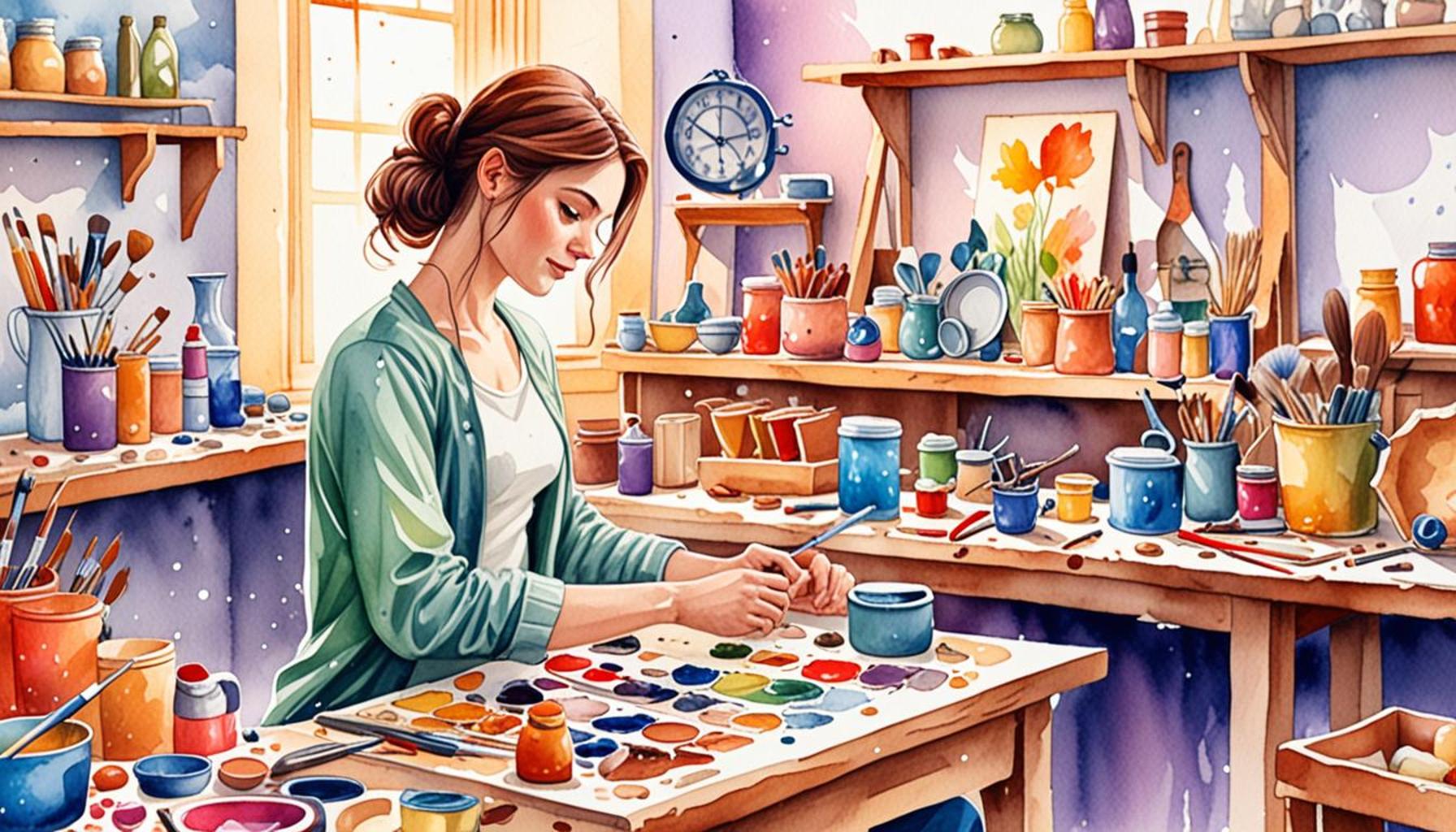
Handicrafts evoke a unique sense of connection to our past, enriching our present with cherished memories. Engaging in manual activities not only sparks creativity but also builds relationships through shared experiences. From simple stitching to intricate woodwork, these creations often tell stories we hold dear. The world of handicrafts serves as a vibrant tapestry, woven from the threads of personal history and cultural heritage.
The beauty of handicrafts lies in their ability to:
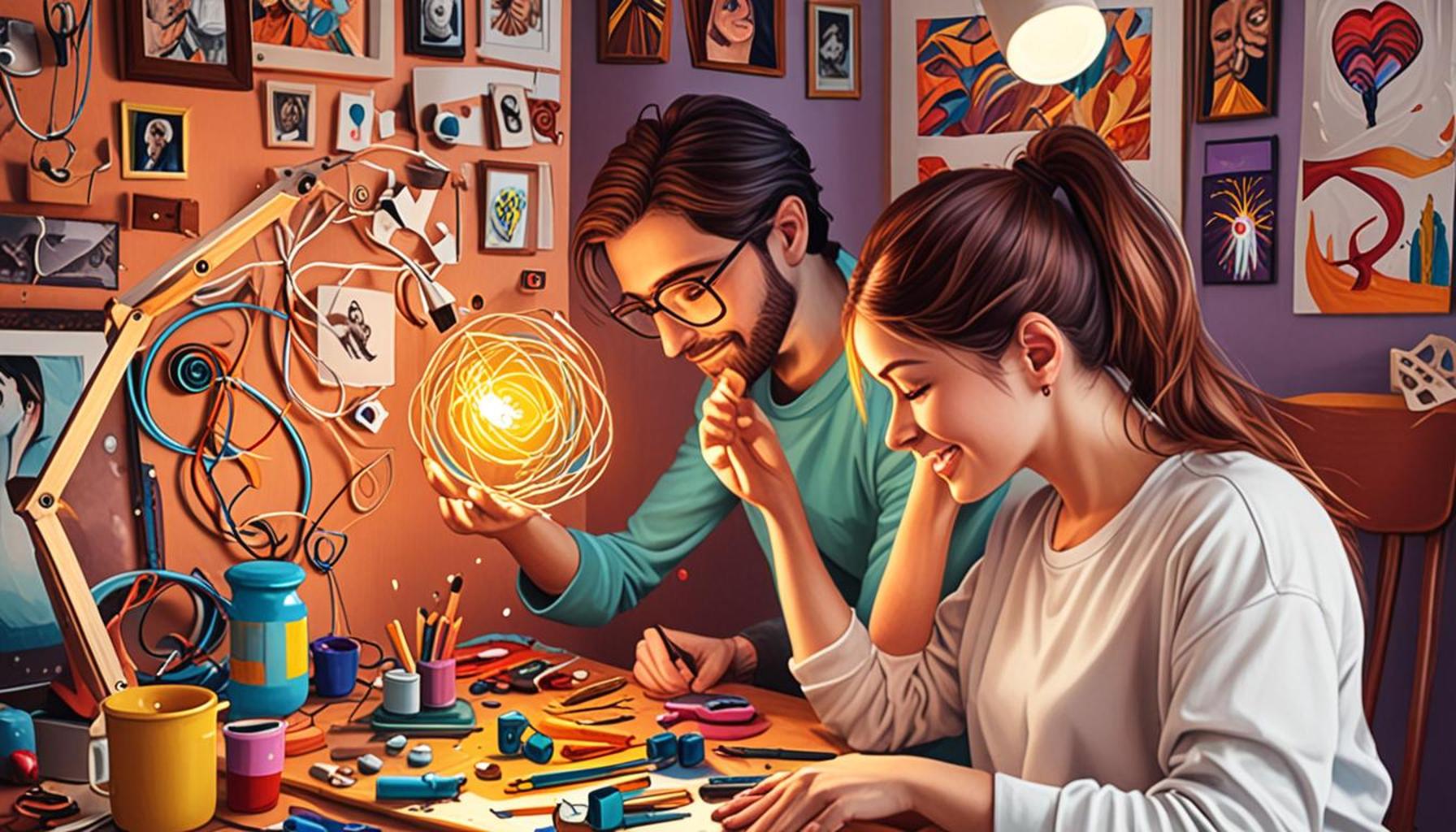
- Foster Connections: Crafting together can strengthen friendships and family bonds. For instance, a grandmother teaching her grandchild how to knit not only passes on a skill but creates lasting memories and shared traditions. This bond is often enhanced as they share stories and laughter over their handiwork, emphasizing the relationship-building aspect of crafting.
- Preserve Memories: Each handmade item can represent a moment in time or a loved one. A hand-carved wooden toy, for example, might remind a parent of their own childhood, while a hand-sewn quilt can be a symbol of family gatherings and celebrations, invoking nostalgia and warmth.
- Inspire Creativity: Engaging in these activities encourages self-expression and innovation. The process of transforming raw materials—such as clay, fabric, or wood—into tangible art allows individuals to explore their creativity. For instance, a simple pottery class can lead to the creation of beautiful, individualized pieces that reflect one’s personality and artistic vision.
In today’s digital age, many are rediscovering the joy of tactile experiences. In a world dominated by screens and instant gratification, there’s something profoundly impactful about taking a raw material and transforming it into something meaningful. Whether it’s knitting a sweater or creating handmade cards, the significance lies in the act itself. This hands-on approach to crafting brings a sense of accomplishment and mindfulness that is often missing in our fast-paced lives.
As we delve deeper into the world of handicrafts, we uncover the reasons why these manual activities resonate so profoundly with our emotions. The art of making provides not just a creative outlet but also a pathway to connect with ourselves and others. Workshops, craft fairs, and local art festivals in the United States encourage communal participation, allowing people from diverse backgrounds to share their techniques and traditions. This sharing not only enriches individual practices but also strengthens community ties.
Ultimately, handicrafts represent more than just skill and artistry; they encapsulate the essence of human connection. They remind us that amidst our busy lives, we can take a moment to create, share, and preserve the stories that define us. Whether through weaving, painting, or woodworking, engaging in these manual activities invites us to explore our creativity and strengthen our relationships in a meaningful way.

DISCOVER MORE: Click here to get inspired with sustainable DIY crafts
The Emotional Resonance of Crafting
Handicrafts serve as a bridge between the past and the present, allowing individuals to forge emotional connections not only with their memories but also with those around them. Engaging in manual activities like quilting, pottery, or jewelry-making transcends mere recreation; it becomes a canvas for personal expression and shared experiences. The implications of these activities reach beyond individual fulfillment, as they play a significant role in nurturing relationships and promoting a sense of community.
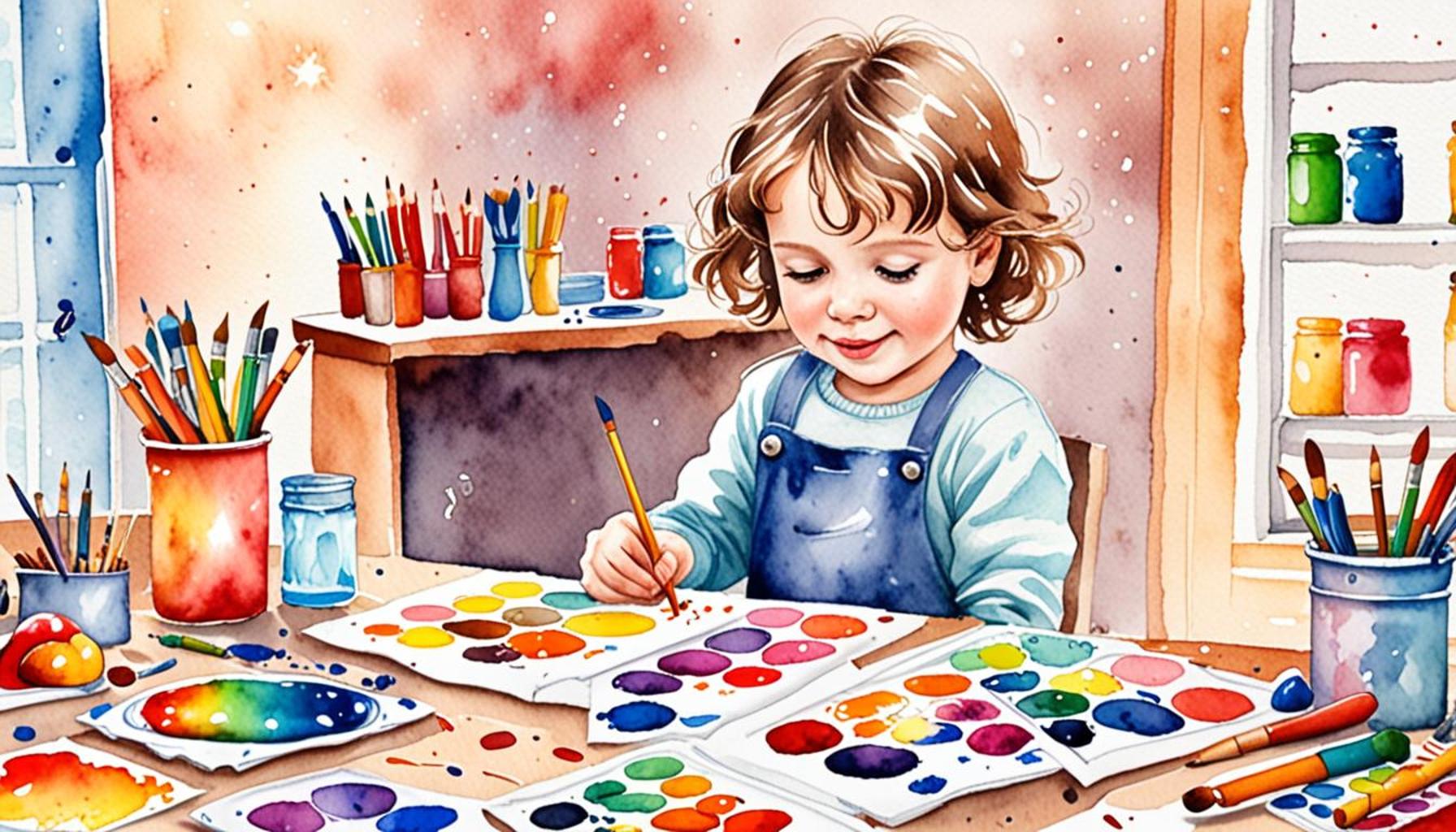
One compelling aspect of handicrafts is their ability to evoke nostalgia. The process of creating something with one’s hands often triggers memories associated with the materials and techniques used. For instance, a child learning to make friendship bracelets is not just participating in a trendy activity; they are also deepening bonds with friends through shared creative endeavors. Alternatively, adults rediscovering the art of woodworking might find themselves reflecting on childhood memories spent in their parents’ workshops. These practices cultivate a powerful connection to heritage and personal history.
Moreover, the communal aspect of handicrafts cannot be overlooked. Crafting often occurs in group settings, such as workshops, social gatherings, or craft fairs. In these environments, participants collectively explore various artistic styles and techniques, fostering an atmosphere of support and collaboration. This creates opportunities for individuals to not only learn from one another but also to forge friendships while exploring shared interests. Some of the benefits of communal crafting include:
- Building Trust: Collaborative projects often require open communication and trust among participants. Working together to achieve a common goal cultivates a sense of camaraderie, enhancing relationships.
- Sharing Stories: Each person’s crafting experience is unique, and sharing these narratives can deepen connections. As individuals talk about their creative journeys, they allow themselves to be vulnerable, creating more meaningful relationships.
- Encouraging Inspiration: In a group setting, individuals can draw inspiration from one another’s ideas and styles. This can lead to a richer understanding of arts and crafts, as well as the creation of innovative pieces that wouldn’t have been possible alone.
As we continue to explore the intersection of handicrafts and emotional connections, it becomes clear that these activities are more than just a way to pass the time. The act of creating by hand fosters a sense of accomplishment and encourages individuals to engage in the present moment. This mindfulness is particularly poignant in today’s fast-paced world, where the tactile engagement offered by manual trades provides an antidote to the overstimulation of digital environments.
In essence, handicrafts are a profound means of building relationships and preserving memories. By delving into the creative process together, individuals can create lasting emotional connections that transcend generations, enriching their lives and those of others around them.
| Category | Key Features |
|---|---|
| Creative Expression | Manual activities allow individuals to express their emotions and creativity uniquely, fostering a deeper connection to the memories created. |
| Bonding Experiences | Engaging in handicrafts together can strengthen relationships, creating shared memories that enhance emotional connections. |
Manual activities such as weaving, pottery, and painting not only serve as a form of creative expression but also as a profound way to forge memories and relationships. Participating in these activities allows individuals to embrace their emotional selves, offering a tangible representation of their thoughts and feelings. Moreover, when participants engage in these crafts with family or friends, the memories constructed during these sessions often become a vital part of their collective history. Research supports the idea that crafting can enhance emotional well-being. Engaging in such tasks has been shown to reduce stress and increase happiness. As you delve deeper into the realm of handicrafts, you may discover various techniques that not only ignite your creativity but also transform how you connect with others. From creating personalized gifts to creating items that encapsulate a shared experience, the possibilities are endless. The act of making something with your own hands can become the foundation of lasting relationships and cherished memories, making it a powerful tool in our increasingly digital world.
DIVE DEEPER: Click here to discover how to turn your experiences into art
Crafting and Mental Well-being
Handicrafts not only foster emotional connections but also significantly contribute to mental well-being. Engaging in these activities can serve as a therapeutic outlet, providing relief from stress and anxiety. The act of creating with one’s hands is inherently meditative, allowing individuals to escape from daily pressures and immerse themselves in the rhythm of crafting. Studies have shown that participating in creative activities can lower cortisol levels, promoting relaxation and enhancing mood.
The tactile nature of handicrafts also plays a crucial role in this positive impact on mental health. As individuals manipulate materials like clay, fabric, or wood, they engage their senses and become more aware of their surroundings. This sensory engagement can help ground individuals, making them feel more present and alleviating symptoms of anxiety. Activities such as knitting or embroidery, which often require repetitive motions, can further enhance this calming effect, creating a soothing experience that promotes mindfulness.
Research indicates that crafting can also stimulate the release of dopamine, the neurotransmitter associated with pleasure and reward. Completing a project provides a sense of accomplishment that boosts self-esteem and reinforces positive emotions. This is particularly important in today’s world, where individuals may struggle with feelings of inadequacy or disconnection. For instance, a new mom might find solace in creating handmade toys for her child, fostering a sense of purpose and happiness. The tangible results of their efforts allow individuals to appreciate their skills and creativity, nurturing a positive self-image.
The Role of Handicrafts in Family Dynamics
Handicrafts can also serve as a powerful tool for strengthening family bonds. When families engage in creative projects together, they create shared memories that have lasting emotional significance. Crafting offers opportunities for parents and children to collaborate and communicate, reinforcing familial ties and enhancing relationships. For example, families can participate in DIY home projects or seasonal decorations that bring everyone together in a shared mission.
Furthermore, the intergenerational aspect of handicrafts adds an additional layer of emotional connection. Grandparents teaching children traditional crafts, such as knitting or woodworking, not only pass down skills but also impart stories and cultural heritage. This transmission of knowledge fosters a sense of continuity and belonging, enriching the family’s narrative. It allows older generations to share life lessons and experiences, while younger members gain a deeper appreciation for their roots.
Social Implications of Crafting Communities
The rise of crafting communities—both in-person and online—has revolutionized how individuals connect through handicrafts. Social media platforms, like Instagram and Pinterest, have become vibrant spaces where crafters showcase their creations, share techniques, and celebrate each other’s work. These digital communities offer a semblance of belonging for many, with users participating in events like “#CraftingForACause” to unite around shared social issues. Such initiatives highlight how casual hobbies can feed into larger movements aiming to support mental health awareness or environmental sustainability.
Moreover, local crafting groups and clubs cultivate face-to-face interactions that strengthen community bonds. These groups often serve as support systems, bringing together individuals from diverse backgrounds who share a common passion. The friendships formed in these circles can lead to collaborations that further enhance creative endeavors, with members coming together to participate in local exhibitions or charity projects that benefit their neighborhoods.
In light of these rich emotional connections fostered by handicrafts, it becomes evident that the impact extends far beyond the crafting itself, reaching into the very fabric of personal and communal identity.
DISCOVER MORE: Click here to dive into diverse musical styles</p
Conclusion: The Lasting Legacy of Handicrafts
In examining the profound interplay between handicrafts and emotional connections, it is clear that engaging in manual activities transcends mere creativity; it shapes our emotional landscapes and strengthens relationships. From the therapeutic benefits that foster mental well-being to the cherished memories created within families, the act of crafting serves as a bridge that links individuals across generations and communities. The tactile engagement of creating with our hands invites mindfulness and presence, offering an antidote to the high-paced modern world.
Moreover, the rise of crafting communities—both online and offline—has opened new avenues for connection, allowing individuals to bond over shared passions while promoting social causes. This collective creativity not only cultivates friendships but also amplifies the impact of crafting as a vehicle for positive change. The stories exchanged in local crafting groups and intergenerational learnings elevate the value of these activities, reinforcing a sense of belonging that many seek in today’s dynamic society.
As we continue to explore the power of handicrafts, it is essential to recognize their potential for strengthening bonds and fostering well-being. Whether through a handmade gift or a collaborative project, these creative endeavors leave an indelible mark on our lives. They tell the stories of who we are, where we come from, and where we are going—reminding us that every stitch, carve, or brushstroke has the power to connect us to one another and to ourselves.