How to Create a Sensory Garden for Children: A Fun and Educational Experience

The Benefits of Creating a Sensory Garden
Transforming an outdoor space into a sensory garden can be an enriching adventure, filled with opportunities for children to engage multiple senses and learn about the world around them. Sensory gardens are specially designed to stimulate touch, sound, sight, taste, and smell, allowing children to explore nature in a diverse and engaging manner. Beyond mere enjoyment, these gardens also serve as invaluable educational tools that foster cognitive development and sensory skills.
When designing a sensory garden, it is essential to include various elements that cater to each sense. Below are some core features to incorporate:
- Textures: Introducing plants with varying textures can captivate a child’s sense of touch. Consider including lamb’s ear, with its velvety leaves, or fuzzy grasses such as Blue Fescue. These plants encourage children to explore their tactile capabilities as they running their fingers across different surfaces.
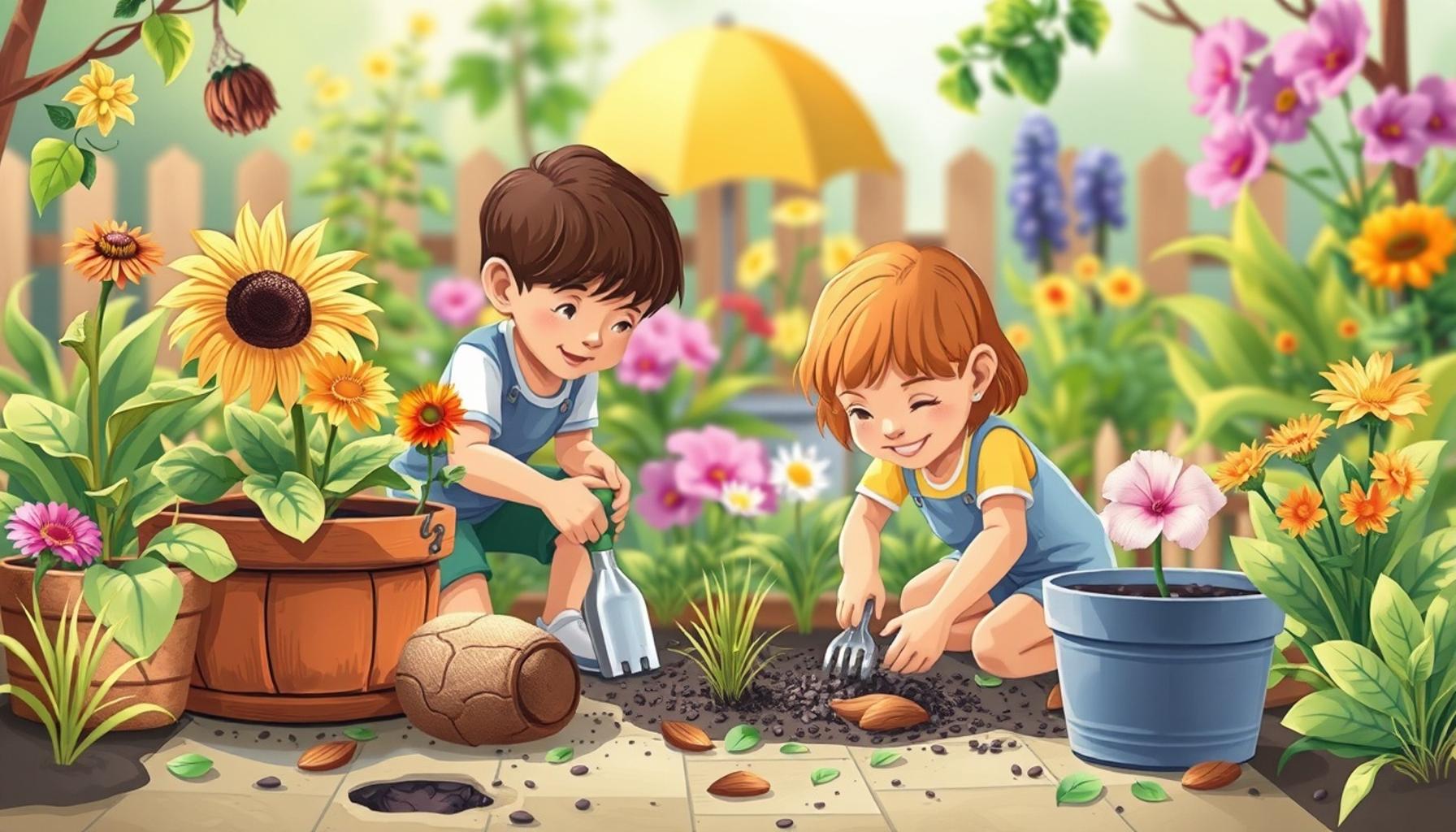
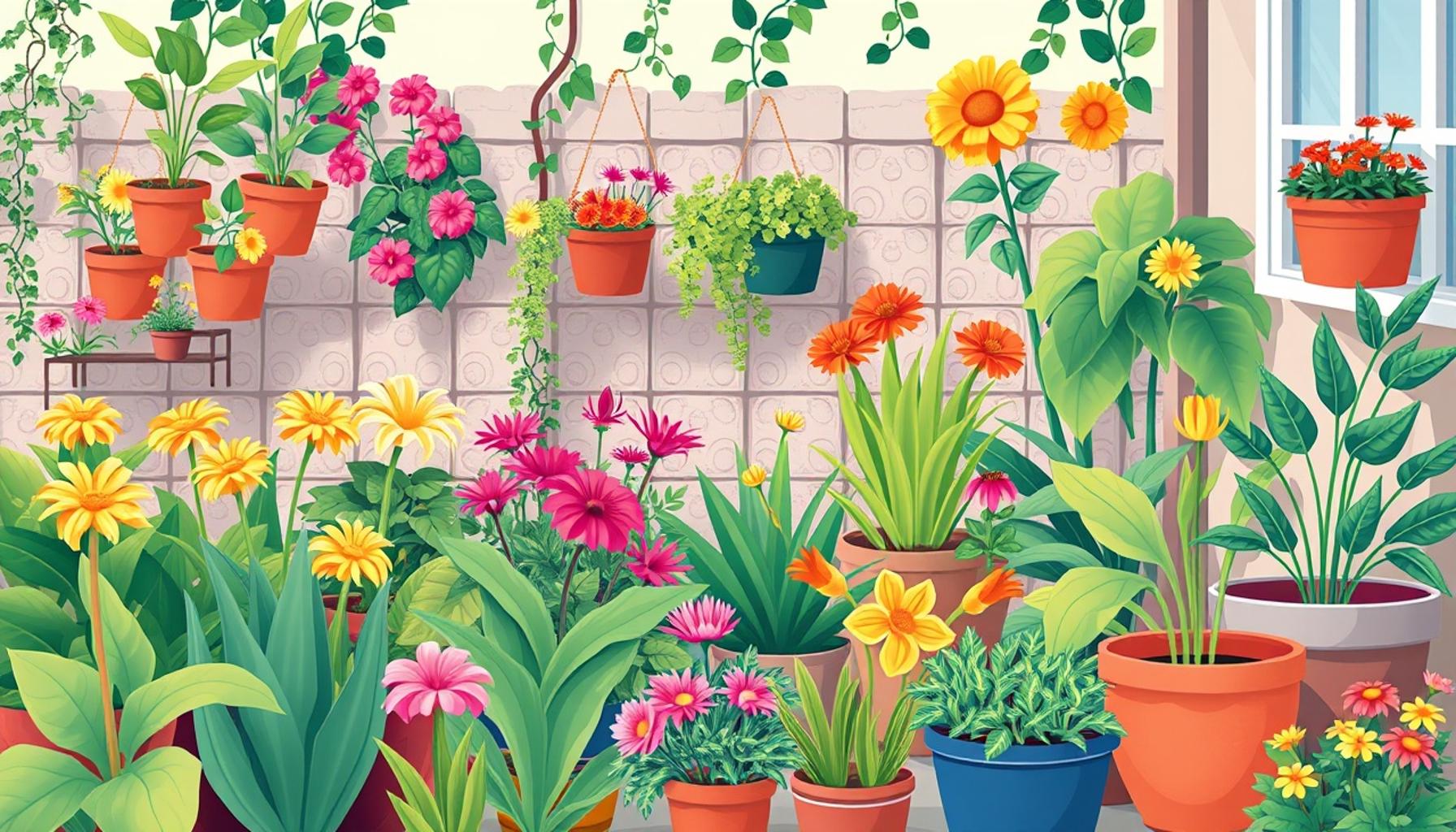
- Colors: A sensory garden should burst with vibrant colors. Choose an array of flowers like sunflowers, which not only tower above with striking yellows but also attract pollinators, and marigolds, known for their bright orange and yellow hues. Such visual stimulation can ignite children’s imaginations as they learn to recognize colors and patterns in nature.
- Scents: Smell plays a critical role in memory and emotion. Aromatic herbs such as mint and basil are fantastic additions that not only smell delightful but can also be used in cooking, teaching children about culinary applications. When these plants are brushed against or crushed, they release their fragrances, deepening the sensory experience.
- Sounds: Introducing auditory elements can turn a garden into a symphony of nature. Consider adding wind chimes that create melodious sounds with the breeze, a small water feature like a fountain that produces a soothing trickle, or even planting tall grasses that rustle gently in the wind. These sounds can calm children and immerse them further into the sensory experience.
- Tastes: Edible plants provide a unique way to engage children’s palates. Including fruits and vegetables like cherry tomatoes, strawberries, and even herbs can create an interactive learning experience where children can taste what they’ve tended to. This aspect encourages a connection to healthy eating and the origins of their food.
Moreover, the advantages of a sensory garden extend beyond sensory engagement. Research indicates that the interaction with nature in such spaces can enhance children’s cognitive functions, emotional well-being, and social skills. Engaging with a sensory garden can help improve focus, creativity, and even provide therapeutic benefits, which is especially valuable in our fast-paced, technology-driven society.
As you embark on this journey of creating a sensory garden, blend elements of fun and discovery. This garden becomes not just a place for play but a tranquil haven that inspires curiosity, nurtures the mind, and fosters a love for nature in children. The potential for learning through nature is limitless, urging young explorers to deepen their understanding of the world.
Planning Your Sensory Garden: Essential Considerations
Creating a sensory garden for children is more than just planting a few colorful flowers; it involves careful planning and consideration of various elements to ensure an enriching experience. To maximize the benefits of the garden, it’s essential to assess the space, select appropriate materials, and engage children in the design and maintenance process. Here are some key factors to consider when planning your sensory garden:
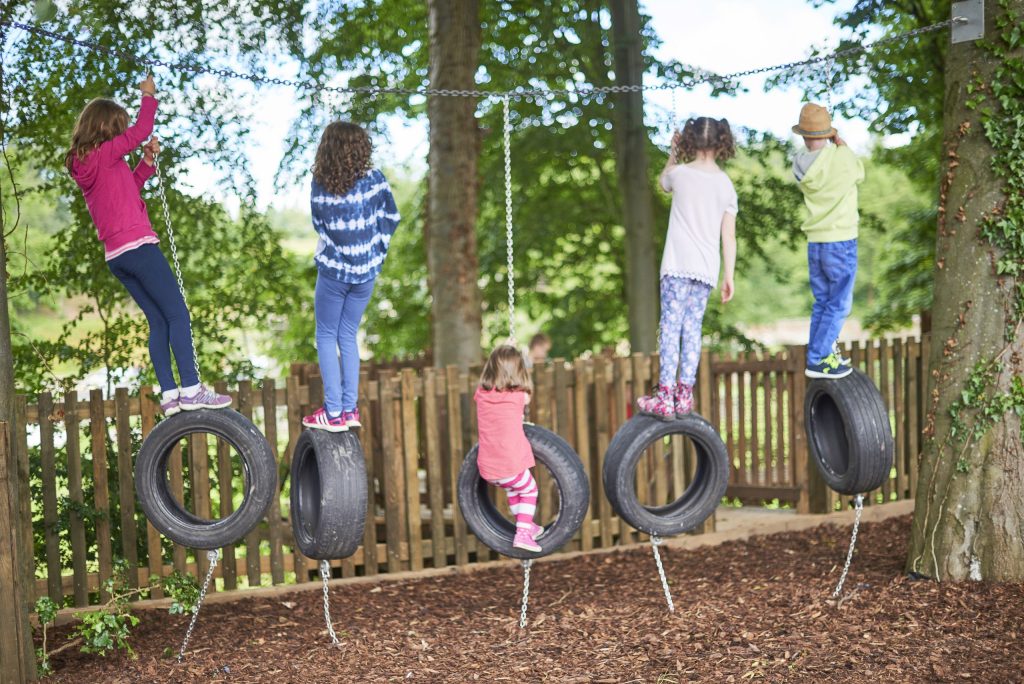
- Space Assessment: Before you start planting, evaluate the area available for your sensory garden. Is it a small backyard, a community space, or a schoolyard? Understanding the dimensions and layout of your space will help you design a garden that is both functional and inviting. Make sure to identify areas that receive sunlight and shade throughout the day, as different plants have varying light requirements.
- Accessible Design: Accessibility is crucial for a sensory garden, especially for children with different abilities. Plan pathways that are wide enough for children to move freely, and consider using natural materials like mulch or gravel to create textured surfaces. Raised garden beds can also be a fantastic option, allowing children of all heights to easily engage with plants and soil.
- Element of Safety: Safety should be a top priority. Ensure that any plants you choose are non-toxic and safe for children. It’s important to avoid thorny plants or those with sharp edges that could lead to injuries. Additionally, keep an eye on hard surfaces or any abrupt changes in terrain that may pose tripping hazards, especially for younger children.
- Engagement Opportunities: Involving children in the planning and planting processes encourages a sense of ownership and boosts their enthusiasm for the garden. Organize brainstorming sessions where kids can share their ideas about what they want to see in the garden. This engagement can enhance their learning experience and foster teamwork as they work together to care for the space.
- Diverse Plant Selection: Selecting a variety of plants is vital for a sensory garden to thrive. It’s best to create a diverse palette of plants that bloom at different times throughout the year. This ensures that children will have something new and exciting to discover in every season, promoting ongoing exploration and learning. Consider including a mix of perennials, annuals, and even shrubs to create three-dimensionality and color variations.
A well-planned sensory garden not only enriches a child’s connection to nature but also enhances sensory experiences through tactile encounters, vibrant colors, and delightful scents. As you carefully consider these elements, you will be laying the groundwork for a beautiful and educational space that invites children to learn and grow. Through intentional planning, your sensory garden can become a hub for exploration, play, and unforgettable memories.
Creating a sensory garden for children is not only a creative endeavor but also an educational journey that can cater to various learning styles. Sensory gardens are designed to engage the five senses: sight, sound, touch, taste, and smell, making them an ideal environment for children to explore and discover the wonders of nature. By carefully selecting plants, materials, and features for your sensory garden, you can cultivate an enriching experience that fosters curiosity and learning.One fundamental aspect to consider is choosing a diverse range of plants. Bright flowers, such as sunflowers and marigolds, engage the sense of sight, while aromatic herbs like mint and basil tantalize the sense of smell. Incorporating plants with different textures, such as fuzzy lamb’s ear or smooth sedum, offers children the opportunity to explore through touch. Furthermore, plants can also provide edible elements, allowing children to experience the sense of taste as they pick and sample fresh garden produce.In addition to plants, integrating sounds into your sensory garden can enhance the experience. Wind chimes, water features, or even bird feeders can attract various species of birds, sparking interest in local wildlife. Children can observe creatures navigating their environment, which promotes a deeper appreciation for biodiversity and ecosystems.Moreover, creating pathways with various materials, such as gravel, wood chips, or even stepping stones, can stimulate tactile experiences. Providing spaces for exploration, such as a cozy nook with seating, allows children to stop and reflect or engage in group activities. This transformed area encourages play and creativity, where they can let their imaginations run wild while also developing social skills.In sum, a sensory garden can serve as an interactive classroom where play and learning coexist harmoniously. By incorporating a variety of sensory elements, you’ll create a space that is not just visually appealing but also nurturing for children’s emotional and intellectual development, laying a strong foundation for lifelong learning and appreciation for the natural world.
Designing Interactive Features for Enhanced Engagement
Incorporating interactive features into your sensory garden helps create an engaging environment that not only captivates children’s imagination but also promotes sensory development. The goal is to stimulate all five senses—sight, sound, touch, taste, and smell—using distinctive elements throughout the garden. By integrating these features, you can transform a simple garden into an immersive learning experience. Here are several ideas to consider:
- Textured Pathways: To enhance the tactile experience, consider designing pathways with various materials and textures. Incorporating surfaces like pebbles, stepping stones, bark, and rubber mulch provides different sensations underfoot. This variety encourages children to explore how each surface feels and promotes tactile discovery.
- Sound Elements: Use natural and man-made elements to create soundscapes within the garden. Wind chimes, bells, or even bamboo poles can produce soothing sounds in the breeze, while water features like small fountains or ponds can introduce the gentle sound of flowing water. Children can learn about sound vibrations and musical notes while enjoying their environment.
- Interactive Zones: Designate specific areas in your sensory garden for hands-on activities. Incorporate a small digging area with shovels and buckets for exploring soil and texture, or set up a mini herb garden where children can plant and tend to aromatic herbs like basil and mint. By creating interactive zones, you provide opportunities for experiential learning and foster a connection to nature.
- Aromatic Spaces: Scent plays a crucial role in a sensory garden, so include various aromatic plants such as lavender, rosemary, and thyme. As children engage with these plants, they will discover the joy of fragrances that can evoke memories and emotions. Additionally, scent is an essential part of the culinary experience, paving the way for children to learn about edible plants through taste.
- Wildlife Habitats: Attracting wildlife to your sensory garden adds an exciting element of discovery. Plant flowers that attract pollinators like bees and butterflies, or set up bird feeders and baths to draw in local birds. Teach children about the importance of ecosystems, and encourage them to observe the behaviors of these creatures in their natural environment.
To further deepen children’s learning experiences, consider organizing themed activities related to the sensory garden. For example, after planting seeds, children can track growth through observation journals, discussing changes and drawing sketches. This hands-on approach emphasizes creativity while fostering a sense of stewardship for the garden.
For a truly collaborative endeavor, consider involving parents and community members in the garden design and maintenance process. Organize workshops to educate about gardening techniques while fostering a sense of community. By creating a support network, you can ensure the sustainability and vibrancy of the sensory garden for years to come.
By thoughtfully integrating these interactive features, you create a sensory garden that evolves into an ever-changing educational playground. Children will enjoy playing, exploring, and learning as they engage with nature’s elements while nurturing their curiosity and developing their sensory skills. In this way, your sensory garden can blossom into an ongoing adventure, full of surprises and opportunities for discovery.
Conclusion: Cultivating Curiosity in a Sensory Garden
Creating a sensory garden for children is an enriching endeavor that offers both fun and education. By thoughtfully designing spaces that engage all five senses, you provide children with opportunities to explore, discover, and connect with nature. From intricate textured pathways that invite tactile exploration to aromatic plants that tickle the senses, each element contributes to an immersive learning environment that stimulates curiosity.
This hands-on approach to learning not only enhances children’s awareness of their surroundings but also fosters a sense of responsibility, encouraging them to care for their garden. Whether it’s tracking the growth of plants in observation journals or creating wildlife habitats, every interaction with the sensory garden serves as a stepping stone in their development. Furthermore, engaging families and community members in the garden’s creation and maintenance not only builds a supportive network but also instills a sense of community pride.
As you embark on this creative journey, remember that a sensory garden is not just about the plants and features; it’s about the experiences they create. Each visit to the garden can offer new discoveries and lessons, making it a dynamic and evolving place for learning. So gather your seeds, tools, and imagination—let your sensory garden become a vibrant tapestry woven with lessons, memories, and the endless joy of exploration.