How to Introduce Fresh Foods into Your Dog’s Diet: Benefits and Guidelines
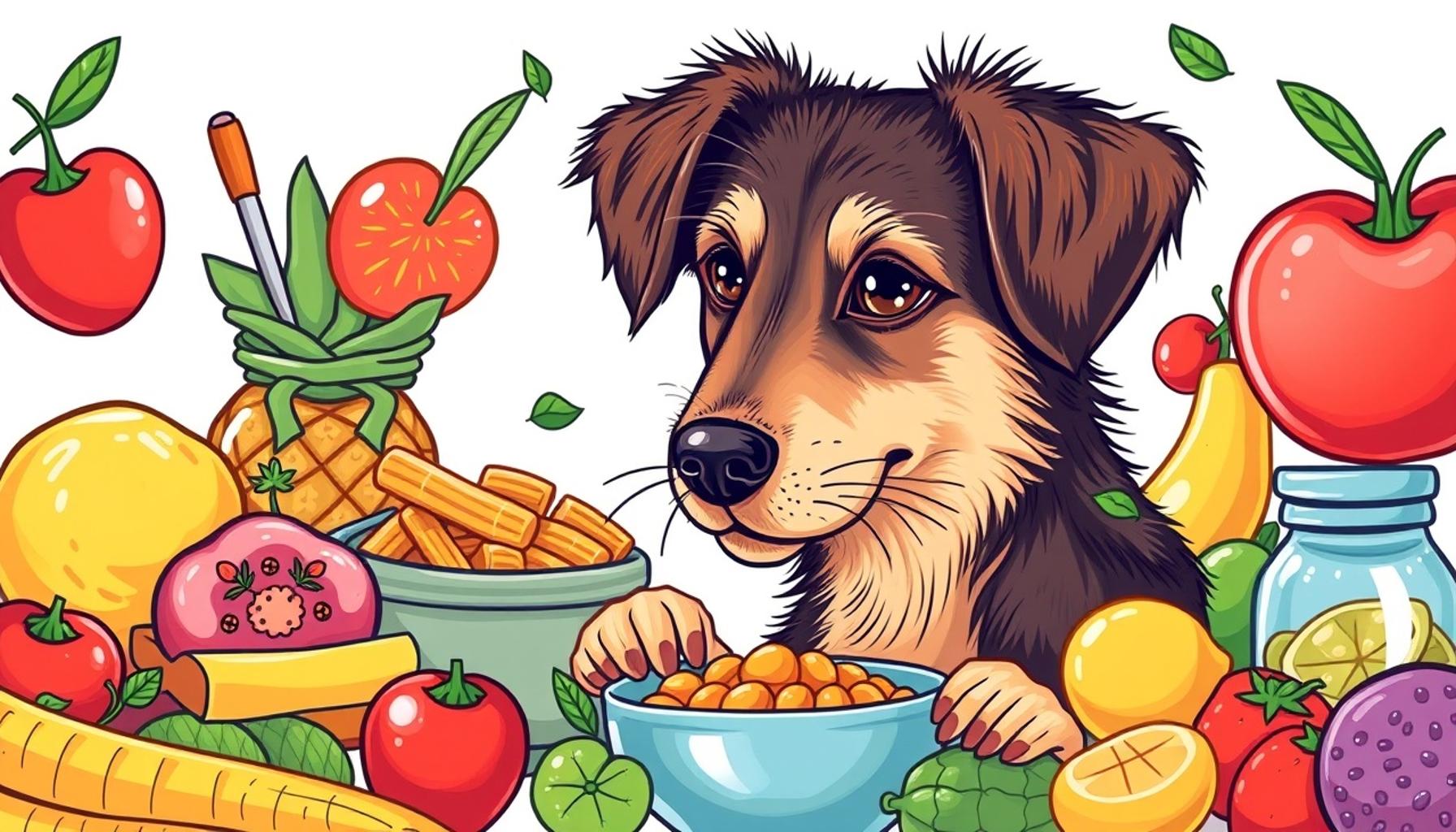
Unleashing the Power of Fresh Foods for Your Dog
Feeding your dog can be a delightful experience, far removed from the traditional routine of pouring kibble into a bowl. By introducing fresh foods to your canine companion’s diet, you not only amplify the flavor but also enhance their nutrition significantly. With a touch of creativity, you can transform mealtime into an enjoyable and nutritious occasion for your furry friend.
The Benefits of Fresh Foods
Why should you consider shifting to fresh ingredients for your dog? Here are several compelling reasons:
- Improved Digestion: Fresh produce is brimming with enzymes and fiber, which aid in effective digestion. For example, adding small amounts of steamed carrots or pumpkin can help prevent constipation and promote gut health.
- Enhanced Energy Levels: Whole foods offer essential nutrients that sustain and energize your dog. Fresh proteins like chicken breast or fish can revitalize their energy, making them more active and playful throughout the day.
- Healthier Skin and Coat: A diet rich in nutrients leads to a shiny coat and healthier skin. Ingredients such as fish oil or fresh eggs are popular choices that provide omega fatty acids crucial for skin health.
Local Treasures for Your Pup
In the Philippines, you have an abundance of tropical fruits to choose from, such as mangoes and papayas. These delicious fruits not only tantalize taste buds but are also packed with vitamins. For instance, ripe mangos are a great source of vitamin A and can aid in eye health, while papayas contain enzymes that facilitate digestion. Just ensure to remove the seeds before feeding them to your dog, as they can pose a choking hazard.
Guidelines to Follow
While fresh foods can work wonders for your dog’s health, it’s vital to introduce them gradually into their diet. This approach allows their digestive system to adjust, minimizing the risk of gastrointestinal upset. Begin with small portions and monitor how your dog reacts. If they seem to enjoy the new addition and show no signs of distress, you can gradually increase the serving size.
Implementing Fresh Foods
In this article, we will delve into the myriad benefits of incorporating fresh foods into your dog’s meals, provide proper guidelines, and share practical tips to seamlessly transition to fresh ingredients. Exploring local markets in the Philippines can yield fresh produce that supports your dog’s health journey. We encourage you to discover exciting combinations of ingredients to boost not just your dog’s health, but also their overall happiness. With patience and creativity, nutritious eating can become an adventure you and your pet will cherish for years to come!
Starting Your Dog’s Fresh Food Journey
Transitioning to fresh foods for your dog may seem daunting, but with the right approach, it can be a rewarding experience for both you and your furry friend. A slow and methodical introduction to this new diet will not only help in avoiding digestive upset but will also allow your dog to develop a taste for the variety of flavors and textures that fresh ingredients offer.
Identifying Fresh Foods for Your Dog
The first step in introducing fresh foods is understanding which options are safe and healthy for your dog. Here are some fresh foods that are both nutritious and appealing:
- Lean Proteins: Chicken, turkey, and fish are excellent sources of protein that can be added to your dog’s meals. They provide essential amino acids without the extra fat that can be harmful in large quantities.
- Vegetables: Green beans, peas, and sweet potatoes are nutritious vegetables that can be offered in moderation. Steaming or boiling them can enhance their digestibility. Avoid onions, garlic, and avocados, as these can be toxic.
- Fruits: Healthy fruits like bananas, blueberries, and watermelon can be delicious treats for your dog. These are loaded with vitamins and antioxidants. Always remember to remove seeds and pits, as they can present choking hazards.
- Grains: Incorporating whole grains like brown rice or oats can provide your dog with the necessary carbohydrates for energy. These should be cooked properly and served in small quantities.
Consultation with Your Veterinarian
Before making significant changes to your dog’s diet, it’s recommended to consult with your veterinarian. A professional can guide you on portion sizes and potential food allergies, especially if your dog has existing health conditions. Your vet can help tailor a fresh food plan that’s suitable for your dog’s age, weight, and activity level, ensuring that their dietary needs are met.
Creating Balanced Meals
When starting to mix fresh foods into your dog’s diet, focus on achieving a balance that includes proteins, vegetables, fruits, and healthy fats. A well-rounded meal includes:
- 40% protein – such as lean meats or fish
- 50% vegetables and grains – like peas, sweet potatoes, or brown rice
- 10% fruits – for a refreshing treat
By maintaining this ratio, your dog will receive essential nutrients and energy while keeping their meals varied and exciting.
As you begin the journey of incorporating fresh foods into your dog’s diet, remember that the key to success lies in gradual changes. With time and patience, you’ll observe the positive effects on your dog’s health and happiness. Through this holistic approach, mealtime can evolve from a mundane routine to an enjoyable culinary adventure for your beloved pet.
| Category | Benefits and Guidelines |
|---|---|
| Digestive Health | Fresh foods can promote better digestion in dogs, as they are often more palatable and nutritious than processed kibble. |
| Nutrient Diversity | Introducing fresh fruits and vegetables can lead to a broader nutrient profile, boosting vitamins and minerals, essential for overall health. |
| Weight Management | Incorporating fresh foods helps maintain healthy weight by offering low-calorie options such as carrots or green beans as treats. |
| Allergy Relief | Using fresh ingredients might reduce allergic reactions as they are less likely to contain additives found in commercial dog food. |
When introducing fresh foods, it’s wise to start slowly. Observe your dog’s reactions and consult your veterinarian if you have concerns about specific ingredients. Incorporating diverse options not only makes mealtime enjoyable but also enhances your dog’s physical health. Fresh foods can create a significant improvement in energy levels, coat condition, and overall vitality, making it well worth considering in your dog’s daily routine.
Maintaining a Fresh Food Routine
To ensure a smooth integration of fresh foods into your dog’s diet, it’s crucial to develop a consistent routine that reflects both nutritional needs and your pet’s preferences. Here are key considerations for maintaining a fresh food regimen:
Portion Control and Frequency
When adjusting your dog’s meals to include fresh foods, it’s important to assess their caloric intake. Most dogs require approximately 30 calories per pound of body weight daily, but introducing fresh ingredients can increase calories significantly. Begin by substituting a small portion of their typical kibble with fresh foods.
A practical guideline is to replace about 10% of their usual meals with fresh items in the beginning. Gradually increase this percentage over several weeks to allow your dog’s digestive system to adapt. Be observant of any changes in weight or behavior during this transition. This observation will help maintain a healthy balance while introducing new flavors.
Meal Timing and Environment
Establishing a specific feeding schedule can also be beneficial. Dogs thrive on routine, so setting specific meal times will help in managing their hunger cues and can even reduce instances of begging or scavenging. For some pet owners in the Philippines, feeding in the morning and evening may suit their daily schedules perfectly.
Moreover, the environment plays a critical role in your dog’s dining experience. Ensure that mealtime is free from distractions. Create a calm atmosphere to encourage your dog to explore and enjoy their meals. Scent-enhanced fresh foods will stimulate their appetite and can make mealtime a sensory experience.
Educational Engagement
Another engaging tactic is involving your dog in the selection of fresh foods. Some dog owners in urban areas of the Philippines, such as those living near markets, have the unique opportunity to explore local produce stalls. Allowing your dog to sniff and interact with the fresh ingredients can create anticipation and stimulate interest.
Consider exploring unfamiliar fruits and vegetables during the weekend. This not only introduces variety but also fosters a relationship between you and your pet built on shared exploration of nature’s bounty.
Monitoring Reactions to New Foods
A crucial part of integrating fresh foods involves carefully monitoring your dog’s reactions. Look out for signs of allergies or intolerances, such as stomach upset, itchiness, or unusual behavior after meals. Documenting these occurrences can help identify any offending ingredients, allowing you to adjust accordingly.
Reward your dog when they try new foods. Positive reinforcement can encourage them to embrace the changes in their diet, leading to a more enriched mealtime experience.
Storing and Preparing Fresh Foods
Ensure to maximize the benefits of fresh foods by storing them correctly. For instance, keep fruits and vegetables at the right temperature to maintain their freshness and nutritional value. Preparation is equally important; washing, cutting, and cooking can significantly enhance palatability while ensuring your dog remains healthy.
Investing in appropriate food storage containers can aid in keeping fresh foods safe from spoilage, especially in humid climates often found in the Philippines.
By adhering to these guidelines, you not only promote your dog’s health but also cultivate a unique bond through shared meals rich in variety and flavor. As the journey progresses, you’ll find that the benefits of fresh foods are manifold—enhanced energy levels, smoother coats, and overall happiness may soon become part of your dog’s lifestyle.
Conclusion
Incorporating fresh foods into your dog’s diet is not only a compelling way to enhance their nutritional intake but also an opportunity to strengthen the bond between you and your furry friend. As we’ve explored, the journey towards a healthier, more vibrant diet for your dog involves careful planning, gradual introduction, and ongoing observation. By following outlined guidelines, including portion control, consistent meal timing, and engaging your dog in the selection process, you pave the way for a positive dining experience that can lead to improved health benefits.
Fresh foods can provide essential vitamins and minerals, fostering stronger immune systems, shinier coats, and more energy. However, vigilance is key. Being attentive to any dietary changes and modifications ensures your dog remains healthy and free from allergies or intolerances. As you navigate through local markets or experiment with new fruits and vegetables, remember that this endeavor should be as enjoyable for you as it is beneficial for your pet.
Ultimately, the incorporation of fresh foods into your dog’s meals can be a rewarding journey that transforms mealtime into a delightful exploration of flavors and textures. Start today, and witness firsthand the vitality that fresh ingredients can bring, leading to a happier and healthier life for your beloved companion. Join the many pet owners making this shift, and embark on this new culinary adventure together!

Linda Carter
Linda Carter is a writer and pet care expert specializing in pet health, grooming, and wellness. With extensive experience helping pet owners create safe, loving, and enriching environments for their animals, Linda shares her knowledge on our platform. Her goal is to empower readers with practical advice and strategies to ensure their pets thrive and lead joyful, healthy lives.