How to Train Your Pet in Urban Environments: Tips for Adaptation and Safety
Understanding the Urban Pet Experience
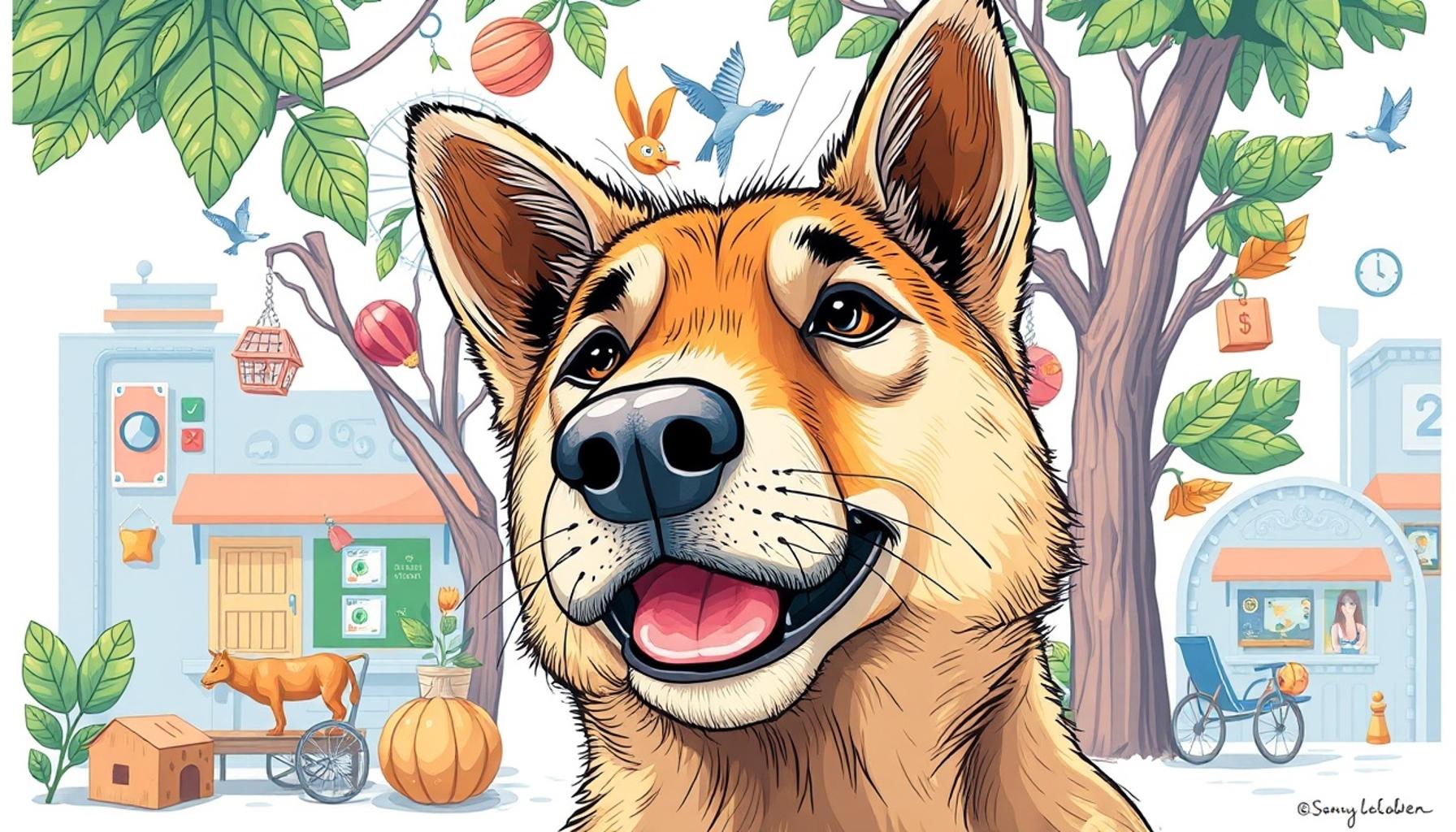
Living in bustling urban environments poses unique challenges for pet owners. Training your furry friend amidst traffic, crowds, and noise can be daunting, but it’s essential for ensuring their adaptation and safety. With the right approach, you can transform your pet into a well-adjusted city dweller, capable of navigating through the hustle and bustle of daily life.
Key Considerations for Urban Training
Urban settings require specialized training techniques. Here are some important factors to keep in mind:
- Socialization: Regular exposure to different people, animals, and environments is crucial. In the Philippines, where local bustling markets and busy streets are part of daily life, exposing your pet to various stimuli—from tricycles honking to playful children—helps build their confidence. Consider taking your dog to pet-friendly cafes or organized dog parks, such as the Eco Park in Quezon City, where they can interact with other pets and people.
- Leash Training: Mastering the art of walking peacefully on a leash is vital in busy streets. Start in a quiet area and gradually introduce distractions, like pedestrians or bicycles. Teaching commands such as “heel” can ensure your pet stays close and calm even when faced with chaotic street scenarios.
- Noise Desensitization: Gradually exposing your pet to city sounds can help lessen their anxiety. Use recordings of common urban noises or play audio clips of fireworks and sirens at a low volume, slowly increasing the intensity as your pet grows accustomed. This progressive training can prevent overwhelming situations from arising, especially during celebratory seasons like fiestas when fireworks are prominent.
Every urban pet owner must be well-versed in safety precautions. Ensure your pet:
- Wears Identification: Having a collar with ID tags and a microchip is essential. This is particularly important in densely populated areas where pets may slip away during exciting outings. In the Philippines, many veterinary clinics offer affordable microchipping services, making it easier to ensure your pet’s safety.
- Is Comfortable in Public: Train them to handle crowded areas and unfamiliar environments. Start with less busy locales and gradually move to more chaotic settings. This might involve visits to malls, like Greenhills, where numerous people and sights can provide an excellent opportunity for socialization.
- Has Access to Safe Play Areas: Identify enclosed parks or pet-friendly venues. During weekends or holidays, places like the Bonifacio High Street or the Ayala Triangle Gardens become popular spots for pets and owners alike. Look for events specifically designed for pets to help foster community and ensure your furry friend remains active and engaged.
These foundational skills not only enhance your pet’s quality of life in the city but also safeguard their well-being. Comfortable, well-trained pets can enjoy their urban settings, becoming enjoyable companions during your metropolitan explorations. As we delve deeper into practical techniques, you’ll discover strategies to create a harmonious and enriched urban experience for both you and your pet.
Effective Training Techniques for Urban Pets
Training your pet for life in an urban environment involves more than just teaching basic commands. It demands an understanding of the unique challenges your four-legged friend will face daily. From the sounds of honking cars to the sight of food vendors bustling about, every aspect of city life can overwhelm an unprepared pet. Here are some effective training techniques that cater to the specific needs of urban pets, ensuring they not only adapt but thrive in the concrete jungle.
Utilizing Positive Reinforcement
One of the most effective methods of training your pet is through positive reinforcement. This approach encourages desirable behaviors by rewarding them, creating a strong association between the behavior and a positive outcome. For example, if your dog remains calm while navigating through a busy market, reward them with treats or praise. Consistent application of this technique helps your pet understand what is expected within the urban landscape.
Creating a Daily Routine
Establishing a routine is essential for your pet’s comfort and security. Urban pets thrive when they know what to expect. Set specific times for walks, play, and training. This predictability can reduce anxiety levels, especially in environments bustling with unfamiliar sights and sounds. Include walks in various neighborhoods to provide exposure to different stimuli, which in turn enhances their adaptability.
Exploring Basic Commands
Basic commands such as “sit,” “stay,” and “come” are crucial for safety in an urban setting. These commands not only facilitate easier management of your pet but also help ensure their safety amidst potential hazards. Here are a few essential commands to focus on:
- “Sit”: This is fundamental for keeping your pet stationary in busy areas, preventing them from darting into the path of a cyclist or vehicle.
- “Stay”: Teaching your pet to stay put allows you to manage crossings and unpredictable situations without fear of losing control.
- “Come”: A reliable recall command is invaluable, particularly in crowded environments where you might need to quickly summon your pet away from distractions.
Interactive play can also reinforce these commands in an enjoyable way. Try out engaging games like fetch or hide-and-seek in your apartment or at your nearest park, allowing your pet to rehearse their commands while having fun.
Gradual Exposure to Urban Environments
Introducing your pet to the urban environment gradually is vital for their confidence. Start with quieter streets or less frequented parks, allowing them to adapt to their surroundings without the pressure of overwhelming distractions. As they grow comfortable, progressively increase the intensity of their environment, leading them through busier sidewalks or local festivals where noises and crowds might create anxiety.
Each of these tips lays the groundwork for successful training, ensuring safety, and enhancing your pet’s experience in urban settings. A well-trained pet not only navigates the city with ease but also contributes to a joyful connection between them and their owners. As we continue to explore more advanced strategies, the goal remains the same: transforming your pet into a confident and balanced urban companion.
| Training Techniques | Benefits |
|---|---|
| Positive Reinforcement | Encourages desired behaviors without fear, leading to a more confident pet. |
| Socialization Opportunities | Helps pets adapt to various stimuli in urban settings, reducing anxiety. |
| Structured Outings | Establishes a routine, essential for pets in busy environments. |
| Command Training | Instills discipline and enhances safety, ensuring pets respond to commands amidst distractions. |
In urban environments, where noise and crowd can overwhelm pets, effective training methods are crucial. Implementing positive reinforcement not only encourages desired behaviors but also strengthens the bond between you and your animal. A well-socialized pet is more adaptable; thus, exposing them to various sights, sounds, and experiences is essential. Establishing a routine with structured outings can guide your pet’s adaptation to city life. Consistent schedules promote confidence and create a secure environment. Additionally, teaching commands such as “stay” or “come” is vital for the safety of your pet. This discipline ensures that your furry friend can navigate the often unpredictable urban landscape safely. Explore these techniques further to discover how they can transform your pet’s experience in the city.
Socialization Strategies for Urban Pets
Another important aspect of training your pet in an urban environment is socialization. Urban settings are often filled with diverse types of people and animals, each presenting unique challenges and opportunities for your pet. Early and continued socialization can mean the difference between a fearful pet and one who is confident and adaptable in various situations.
Engaging with Diverse Environments
Expose your pet to different environments such as bustling markets, parks, and social gatherings. In the Philippines, local events like fiestas or street markets are perfect for this purpose. Try to visit during off-peak hours initially, allowing your pet to gradually acclimate to the bustling atmosphere. Over time, aim to introduce your pet to situations where they can learn to interact with new sights, sounds, and scents without overwhelming them.
Facilitating Positive Interactions
Encourage a variety of interactions by introducing your pet to strangers and other pets in a controlled environment. This can be done during play sessions or short walks with other pet owners. Always monitor interactions closely, celebrating positive behavior with praise or treats. This approach reinforces the notion that new encounters can be safe and enjoyable. In the Philippines, consider taking part in community dog walks or social events that promote pet interaction, providing a memorable experience for both you and your furry friend.
Leash Training for Safety and Control
Leash training is essential in urban areas where hazards are present. A well-trained pet on a leash provides both the owner and pet with the necessary control to navigate busy streets and park trails safely. Teaching your dog to walk on a loose leash reduces pulling and promotes a more pleasant walking experience. Use commands like “heel” to keep your pet close to you, minimizing distractions from other pedestrians or vehicles. Additionally, consider using a harness for added comfort and control, particularly for smaller breeds that may find traditional collars uncomfortable.
Recognizing Stress Signals
Urban environments can be stimulating and stressful for pets. Recognizing signs of stress or anxiety, such as panting, excessive barking, or withdrawing, is crucial. When you observe these signs, take a step back. Create a calm space for your pet, allowing them to retreat if needed. Training them to find their “safe spot” in your home, where they can relax away from the urban chaos, is equally as important. This could be a cozy corner with their favorite blanket, giving them peace amidst the bustling noise of city life.
Training for Urban Dangers
Awareness of urban-specific dangers is crucial for any pet owner. Teaching your pet to respond to emergency commands is vital. Train your dog to “leave it” when encountering tempting yet hazardous items like food wrappers or trash on the street, common in busy areas. Additionally, familiarizing your pet with basic traffic rules, like waiting at the curb, can play a critical role in their safety. The Philippines has a unique driving culture, so ensuring they understand the concept of crossing streets at designated areas is paramount.
These socialization strategies and safety training techniques lay a solid foundation for your pet’s comfort and security in urban settings. By making the right adjustments and providing continued exposure, you create an environment where your pet can learn to navigate the urban landscape with ease and confidence.
Conclusion: Nurturing a Happy Urban Companion
Training your pet in urban environments presents unique challenges, but with the right strategies, you can foster a vibrant and harmonious coexistence. By emphasizing socialization, you not only help your pet encounter the dynamic tapestry of urban life with confidence but also create valuable opportunities for positive interactions. Remember, gradual exposure to diverse settings and controlled playdates can significantly reduce anxiety and promote adaptability.
An equally crucial factor is safety. Equip your pet with commands tailored for urban living, such as “leave it” and practice essential leash training. Implementing these techniques will enhance your control during walks, especially in bustling city streets where distractions abound. Moreover, understanding your pet’s stress signals will enable you to create a supportive environment—having a designated “safe spot” in your home is vital for their emotional well-being.
Awareness of urban-specific dangers, including traffic and litter, plays a key role in preventing accidents and ensuring your pet’s safety. Teach them to navigate the complexities of city life, and they’ll thrive, turning each outing into a new adventure. With a foundation built on positive reinforcement and consistent training methods, your pet will become a well-adjusted urban dweller, bringing joy and companionship to your city life.
As you commit to these training techniques, remember that patience is paramount. The journey of adapting to urban living can take time, but the rewards of having a confident and happy pet are immeasurable. Explore local community events, dog parks, and fun activities that not only enrich your dog’s experience but also bond you further together. Together, you can not only survive but truly thrive in the vibrant urban landscape of the Philippines.

Linda Carter
Linda Carter is a writer and pet care expert specializing in pet health, grooming, and wellness. With extensive experience helping pet owners create safe, loving, and enriching environments for their animals, Linda shares her knowledge on our platform. Her goal is to empower readers with practical advice and strategies to ensure their pets thrive and lead joyful, healthy lives.