The Impact of Group Sports on Building Community and Social Connections
Why Team Sports Are More Than Just a Game
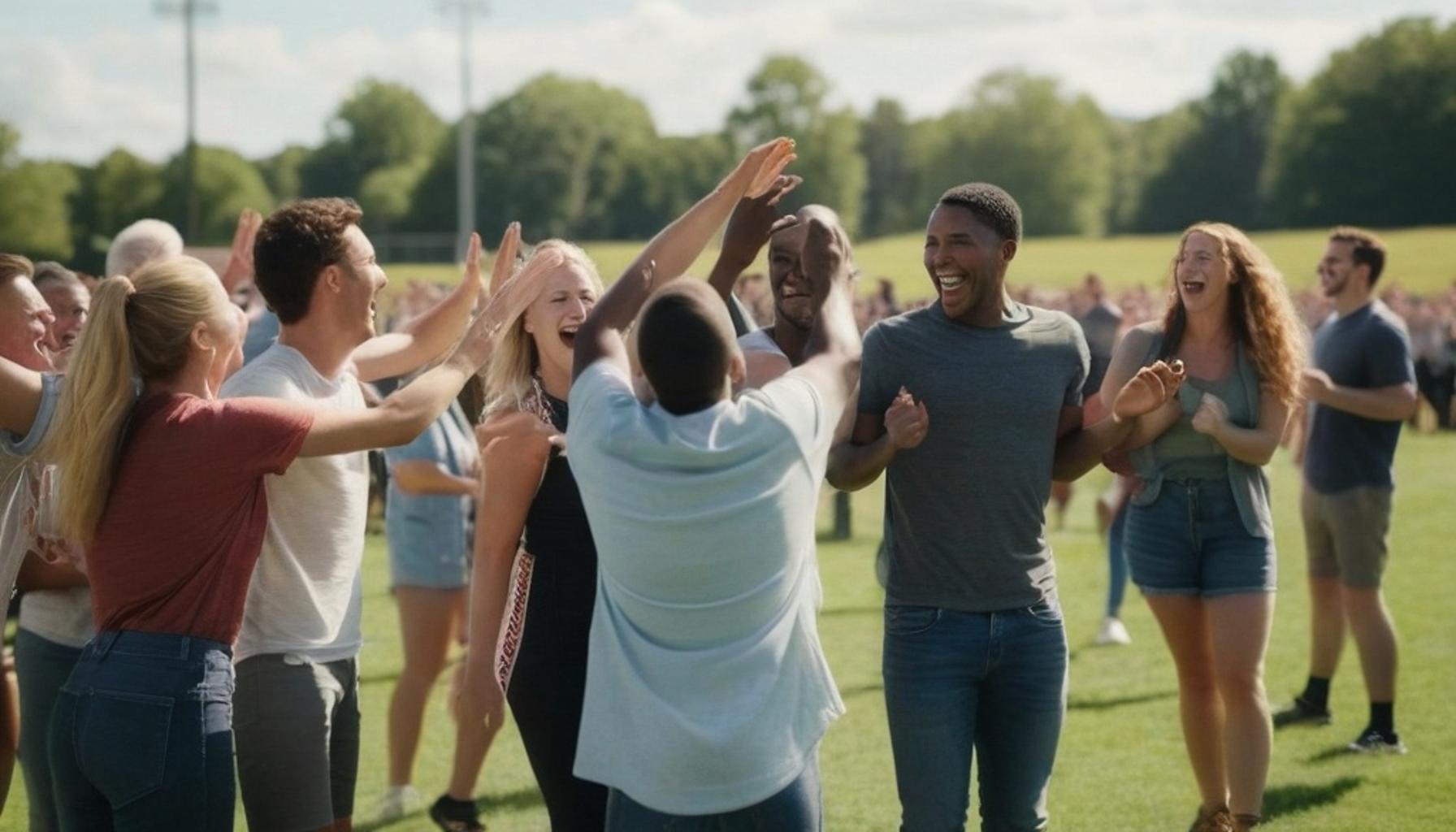
On any given Saturday morning across America, local parks fill with soccer leagues, softball games, and youth basketball tournaments. Beyond the scoreboards and stat sheets, something bigger is happening. The Impact of Group Sports on communities runs far deeper than physical fitness alone. Coaches become mentors, teammates become lifelong friends, and sidelines transform into informal gathering spots where neighbors swap stories between innings.
Research from the Aspen Institute shows that 76% of adults who played team sports as children report stronger social networks today. That statistic hints at a powerful truth: athletic fields are quietly becoming America’s modern town squares. In cities like Chicago, Austin, and Denver, adult kickball and dodgeball leagues have exploded in popularity, drawing thousands of participants who show up as much for the post-game gatherings as for the competition itself.
What This Article Will Explore
From youth leagues in small towns to adult recreational teams in major cities, group sports are reshaping how Americans connect. This piece dives into the mechanics behind building community through sports and why it matters now more than ever. We will look at data from public health researchers, testimonials from league organizers, and case studies from cities that have used athletics as a deliberate tool for civic engagement.
- How social connections in group sports combat rising isolation rates
- The measurable benefits of team sports on mental health and belonging
- Real examples of community engagement in athletics across U.S. cities
- Why group sports and socializing create lasting bonds beyond the field
Loneliness has been labeled a public health epidemic by the U.S. Surgeon General, with nearly half of American adults reporting measurable social disconnection. Could something as simple as joining a rec league be part of the solution? Early evidence from community health initiatives suggests it just might be, pointing toward a surprisingly accessible remedy hiding in plain sight, on ball fields and courts across the country.
RECOMMENDED: The role of physical activity in the prevention of chronic diseases and promotion of longevity
# From the Bleachers to the Neighborhood: How Sports Fields Became Social HubsWalk into any recreational league game in Minneapolis, Nashville, or Phoenix, and you will notice something beyond the athletic action. Parents chat near the fence line. Strangers become regulars. Someone always brings extra water bottles for the kid who forgot theirs.This is the quiet architecture of building community through sports, and it is happening in nearly every zip code across the country.
The Numbers Behind the Phenomenon
Sports sociologists have spent decades studying why athletic participation correlates so strongly with civic health. The findings are consistent and, frankly, striking.
- According to the National Recreation and Park Association, 68% of community members say local sports programs directly increase their sense of neighborhood belonging.
- A Harvard study on social capital found that towns with active recreational leagues report higher voter turnout and greater participation in local civic events.
- The Positive Coaching Alliance reports that youth athletes involved in team sports are 20% more likely to volunteer in their communities as adults.
These figures suggest that the Impact of Group Sports extends well past the final whistle. It shapes how people vote, volunteer, and invest in the places they live.
Why Adult Leagues Are Booming
Something interesting has happened over the past decade. Adult recreational sports, once dominated by casual softball games, have transformed into a full-fledged social movement.Cities like Portland and Charlotte now host adult leagues for everything from ultimate frisbee to pickleball, with some organizations reporting waitlists exceeding 500 people. Organizers say the appeal is not just exercise. Newly relocated professionals, remote workers craving human contact, and empty-nesters looking to expand their social circles are all showing up for the same reason: connection.Sarah Kessler, who runs a co-ed kickball league in Cincinnati, put it plainly during a recent interview with a local news outlet. She said players often stick around for the league’s happy hour longer than they play the actual game.This pattern reveals something important about social connections in group sports. The competition is often secondary. The relationships are the real prize.
A Pattern Worth Watching
What emerges from city after city is a consistent pattern. Athletic spaces, whether a public court in Brooklyn or a soccer pitch in rural Iowa, function as low-pressure environments where connection happens naturally, without the awkwardness of forced networking or small talk at a bar.That accessibility may be exactly why sports leagues are gaining renewed attention from public health officials searching for scalable solutions to isolation.
Key Aspects of the Impact of Group Sports on Community and Social Bonds
From weekend soccer leagues to neighborhood basketball courts, group sports quietly reshape how people connect. The table below breaks down the core dynamics driving building community through sports and highlights measurable outcomes worth exploring further.
| Category | Community & Social Benefit |
|---|---|
| Team Bonding | Shared goals foster social connections in group sports, with players reporting stronger trust within just weeks of joining a team. |
| Local Tournaments | Neighborhood leagues drive community engagement in athletics, drawing families and spectators who become regular supporters. |
| Peer Support Networks | Teammates offer emotional backing, one of the lesser-known benefits of team sports beyond physical fitness. |
| Cross-Group Interaction | Athletes from different backgrounds bond through play, proving group sports and socializing break down social barriers effectively. |
| Volunteer Involv
RECOMMENDED: The Impact of Daily Walks on Mental Health and Well-Being # When the Final Buzzer Fades: Sports as Bridges Across DividesLook closer at who fills the rosters of small-town softball teams or urban rec basketball leagues, and a different story unfolds. These spaces often bring together people who might never otherwise cross paths. Breaking Down Social Barriers Through Athletic ParticipationAge gaps disappear on a volleyball court. Income differences fade when everyone wears the same team jersey. This is one of the more underappreciated dimensions of social connections in group sports, and researchers are paying closer attention. Diverse Communities, Shared GoalsA 2022 Aspen Institute report on youth sports participation found that multigenerational leagues, where parents and grandparents coach alongside younger volunteers, produce measurably stronger neighborhood ties than single-generation programs.Immigrant communities in cities like Houston and Minneapolis have used soccer leagues specifically as onboarding tools. Nonprofits such as America SCORES report that new arrivals who join local sports programs build English-language confidence and civic familiarity faster than those who do not participate.Consider these patterns showing up nationwide:
The Economic Ripple EffectThere is also a financial dimension to this story that rarely makes headlines. Local businesses near sports complexes often see measurable upticks in foot traffic on game nights.A study from the Sports & Fitness Industry Association noted that communities investing in public athletic facilities saw surrounding commercial activity increase by double digits within three years, driven largely by families and league members gathering before and after games.Restaurant owners near youth soccer complexes in suburban Atlanta have openly credited weekend tournaments with sustaining their business during slower seasons.This intersection of commerce and connection illustrates the broader benefits of team sports: they do not just build friendships, they build local economies that depend on those very friendships showing up week after week. What Makes Community Engagement in Athletics StickNot every league achieves this level of cohesion. Organizers who successfully turn athletic participation into lasting community engagement in athletics tend to share certain practices.They schedule regular social events outside of gameplay. They rotate team assignments to prevent cliques. They actively recruit across neighborhoods rather than relying on word-of-mouth within existing social circles.The evidence suggests that group sports and socializing work best when intentionally designed for inclusion, not left to chance. The Final Score: Why Community Ties Outlast the SeasonStep back from the box scores and standings, and the real takeaway becomes clear. The impact of group sports on American communities reaches far beyond fitness or competition. It shapes how neighbors meet, how newcomers find footing, and how local economies stay afloat between paydays. From multigenerational leagues in small towns to refugee integration programs in Louisville and Boise, the throughline is consistent: shared physical activity creates trust that spreadsheets and city council meetings rarely achieve. What the Evidence Points TowardThe data reviewed throughout this piece suggests a pattern worth remembering.
None of this happens automatically. Leagues that rotate rosters, host off-field gatherings, and recruit beyond familiar social circles consistently report stronger community engagement in athletics than those that do not. That distinction matters for anyone designing the next rec league, coaching a youth team, or simply deciding where to spend a Saturday morning. As more cities weigh investment in public fields, courts, and pools, the conversation should extend beyond recreation budgets. It should include what these spaces make possible: strangers becoming teammates, and teammates becoming neighbors. The final buzzer may end the game, but the case for group sports and socializing as civic infrastructure is only getting louder. Frequently Asked QuestionsHow does the impact of group sports differ from individual sports when it comes to building community?Group sports require coordinated teamwork, shared goals, and regular face-to-face interaction, which naturally builds trust and camaraderie among participants. Individual sports can improve personal discipline but rarely create the same recurring social bonds since athletes often train and compete alone. The structured, repeated contact in group sports is what makes them especially effective for community building. Can joining a local adult recreational league really help combat loneliness?Yes, adult recreational leagues give people a consistent, low-pressure setting to meet others with shared interests, which is especially valuable for those who moved to a new city or work remotely. Studies on social connection show that regular group activities reduce feelings of isolation more effectively than sporadic social events. The routine of weekly games or practices creates familiarity that often grows into lasting friendships. What types of group sports are most effective for building strong social connections in a neighborhood?Sports like soccer, softball, volleyball, and basketball leagues tend to work well because they require minimal equipment, welcome mixed skill levels, and encourage frequent communication during play. Community-organized activities such as running clubs or youth sports leagues also draw parents and neighbors together, extending the social impact beyond just the players. The key factor is accessibility, since sports with low barriers to entry attract more diverse community participation. How do youth group sports programs impact social skills and community ties among children and families?Youth group sports teach children cooperation, communication, and conflict resolution skills that carry into other areas of life. They also create a shared space for parents to connect through carpooling, sideline conversations, and team events, which strengthens neighborhood ties. This dual impact on kids and parents makes youth sports leagues a powerful tool for community cohesion in the United States. Are there measurable benefits of the impact of group sports on mental health and social well-being?Research consistently links group sports participation to lower rates of depression and anxiety, largely due to the combination of physical activity and social support. Being part of a team provides a sense of belonging and accountability that individual exercise routines often lack. This social reinforcement is a key reason health experts increasingly recommend team-based activities for overall well-being. 
Linda CarterLinda Carter is a writer specializing in healthy habits and balanced living. With extensive experience helping readers build sustainable routines, she shares practical guidance on nutrition, physical activity, quality sleep, stress management, and emotional well-being. Her goal is to offer simple, accessible strategies that inspire people to care for their health and enjoy a more balanced life. |