Literary Collaboration: Creating Group Writing Projects to Expand Ideas and Connections
The Dynamics of Literary Collaboration
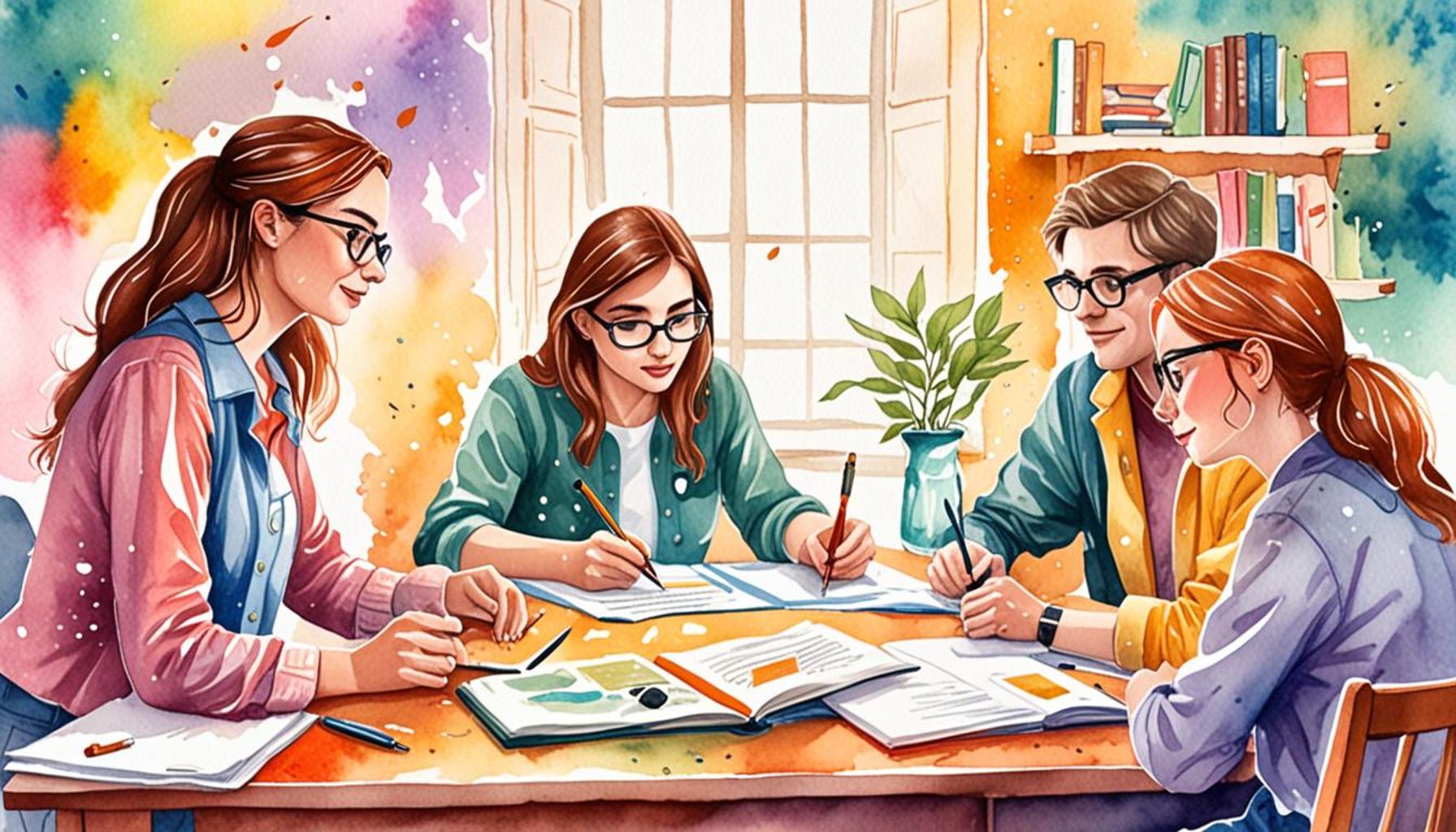
In today’s fast-paced world, literary collaboration emerges as a vital tool for writers seeking to expand their ideas and forge meaningful connections. Collaboration opens doors to new perspectives, inspiring authors to push the boundaries of their creativity. This approach has gained significant traction, as writers recognize the advantages of pooling their talents to produce innovative and impactful works.
Engaging in group writing projects can yield remarkable outcomes, including:
- Shared Knowledge: Pooling diverse experiences enhances the richness of the writing. For instance, a crime fiction author partnering with a psychologist can lead to a more nuanced portrayal of criminal behavior, thereby creating a gripping narrative that resonates with readers on multiple levels.
- Fresh Ideas: Collaborators spark innovation, leading to unexpected themes and narratives. A fantasy writer might collaborate with a science fiction author to blend elements of both genres, resulting in a unique storyline that captivates fans of both categories.
- Strengthened Bonds: Building relationships through shared goals fosters a supportive writing community. This can be seen in local writers’ groups or national movements such as NaNoWriMo, which encourage authors to work towards a common goal while forming lasting friendships.
Participating in collaboratively-driven literary projects can lead to various exciting formats, such as:
- Anthologies: Collections of stories or poems by multiple authors. For example, thematic anthologies like “The Best American Short Stories” showcase a variety of voices, underscoring the diversity and creativity present in contemporary literature.
- Writing Workshops: Group-oriented sessions that encourage creative feedback. These workshops often involve exercises and peer critiques, allowing writers to gain insights from others’ perspectives and refine their craft in a supportive environment.
- Online Platforms: Websites dedicated to collaborative writing and storytelling. Platforms like Wattpad and Scribophile allow writers to connect, share their work, and collaborate on projects, expanding their reach beyond traditional publishing boundaries.
As writers engage in these collaborative endeavors, they find themselves immersed in a world rich with potential. The journey of crafting together not only enhances individual skills but also cultivates a vibrant literary culture. Notable examples in American literature include the collaborative efforts of the “Harlem Renaissance” writers in the 1920s, who collectively championed African American culture and identity through their works.
The possibilities are endless when passionate writers unite. Whether through formal publishing collaborations or informal writing circles, the act of collaboration serves as a powerful catalyst for creativity that nurtures not only the individuals involved but the literary landscape as a whole. Engaging with fellow writers can unlock new avenues of expression, inspiring fresh narratives that reflect the diversity of human experiences. As the literary world continues to evolve, the power of collective creativity remains a compelling force, inviting writers everywhere to explore the art of collaboration.

DISCOVER MORE: Click here to uncover upcycling techniques!
Unveiling the Benefits of Literary Collaboration
As writers embark on the path of literary collaboration, they unlock a treasure trove of benefits that extend well beyond mere companionship. The essence of collaboration lies in its transformative power; together, writers can delve into deeper explorations of their themes, improve their writing skills, and foster creativity that might not flourish in solitude.
When engaging in group writing projects, there are several key advantages that emerge:
- Diverse Perspectives: Collaborators bring distinct viewpoints to the table, which can challenge preconceived notions and invite deeper discussions. When a poet teams up with a playwright, for example, the interplay of poetic imagery and dialogue can lead to powerful scenes that resonate emotionally with audiences.
- Collective Problem-Solving: Writing can be a solitary endeavor fraught with challenges such as writer’s block and narrative deadends. In a collaborative environment, writers can brainstorm solutions together, share strategies, and provide encouragement, making the process less daunting and more enjoyable.
- Accountability and Support: Working in a group setting creates a structure that promotes productivity. Writers can set shared deadlines and motivate each other to stay on track. This sense of accountability often leads to increased output, ultimately benefiting the collective work.
The advantages of literary collaboration are evident throughout various successful projects across genres. Take, for instance, the surge in popularity of thematic anthologies. These compilations allow multiple authors to contribute their unique narratives centered around a common theme. Some examples are:
- “Best American Series”: Annual collections that spotlight exceptional short stories and essays from diverse voices across the country, showcasing the vast tapestry of American literature.
- Genre-Specific Anthologies: Collections focused on topics like horror, romance, or speculative fiction where writers can delve into genre conventions while pushing boundaries by infusing their personal styles and insights.
- Local Writer Groups: Community-driven anthologies that reflect the voices of a specific region, highlighting local culture and social issues through the lens of fiction, poetry, or memoir.
These collaborative ventures breathe new life into literature, enabling authors to explore dimensions of their craft they may not have considered before. The fusion of styles and insights leads to works that are often richer and more varied than any single author could produce on their own. A fine example of this can be seen in the classic literary collaboration of the Inklings, the informal literary group that included renowned writers such as J.R.R. Tolkien and C.S. Lewis. Their discussions and critiques were pivotal in shaping some of the most beloved stories of the 20th century.
In an age where digital connectivity allows for unprecedented collaboration, writers are encouraged to embrace the potential of collective creativity. Whether through online platforms or local groups, the opportunities to engage with fellow writers are abundant. As the literary landscape continues to evolve, the enduring power of collaborative writing projects stands as a testament to the shared passion and innovative spirit that unites authors across the globe.
| Advantage | Description |
|---|---|
| Diverse Perspectives | Collaborating with others brings together varied viewpoints, enriching the creative process and leading to innovative outcomes. |
| Enhanced Creativity | Working within a group stimulates collective brainstorming, resulting in more dynamic storylines and deeper character development. |
Exploring the theme of “Literary Collaboration” highlights how group writing projects can significantly expand one’s ideas and connections. By inviting individuals with different experiences and knowledge into the fold, writers can tap into an expansive reservoir of creativity that may otherwise go unnoticed when writing alone. Each collaborator brings unique skills and insights, fostering a rich tapestry of narrative possibilities.Moreover, this collaboration not only helps unpack and build upon existing ideas but also encourages the sharing of techniques and strategies that can enhance personal writing styles. This cross-pollination of thoughts often leads to unexpected and compelling story arcs that stand out in the literary community.In addition, such collaborative efforts create a supportive environment for accountability and constructive criticism, vital components in developing writing skills. As teams brainstorm and navigate through various genres and styles, they not only grow personally but also strengthen the collective work, ultimately creating more impactful literary pieces.
DIVE DEEPER: Click here to explore the impact of cultural trends on art</a
Exploring Practical Models of Collaboration
As literary collaboration continues to gain traction, numerous models have emerged to facilitate effective group writing projects. Each model brings its own unique framework, allowing writers from diverse backgrounds to engage creatively while tackling different literary challenges. Understanding these models can equip aspiring collaborators with the necessary tools to embark on their collective literary journey.
Workshops and Writing Retreats have become increasingly popular as avenues for collaboration. These environments foster intensive writing periods where authors can share their work in a supportive setting. One noteworthy example is the Ucross Foundation, located in Wyoming, which hosts artists from various disciplines for immersive retreats. Such environments foster a sense of community and allow writers to engage in constructive criticism, honing their skills while building connections that may extend beyond the workshop.
Another effective model for literary collaboration is the concept of round-robin writing. In this approach, each participant takes turns contributing to a single piece of writing, often without consulting one another in real-time. This open exchange spurs unexpected twists and turns within the narrative. The Exquisite Corpse technique, originating from the Surrealist movement, exemplifies this method, where multiple authors provide collaborative pieces that together form a coherent yet surprising whole. The challenge lies in producing a seamless integration of diverse voices, which often results in nuanced storytelling.
Furthermore, the rise of online writing platforms enables writers to collaborate without geographical constraints. Websites like Wattpad and Google Docs facilitate collaborative writing projects in which multiple authors can contribute to and edit a document simultaneously. This versatility has given birth to numerous online anthologies, fan fiction collaborations, and shared writing challenges that encourage creativity while fostering connections among writers from different walks of life.
A tangible instance of successful literary collaboration in the digital age can be seen in the initiative called NaNoWriMo (National Novel Writing Month). Every November, participants commit to writing a 50,000-word manuscript over the course of the month, while engaging with a global community of writers. The sense of camaraderie and shared ambition transforms the solitary act of writing into a communal experience, promoting both individual and group successes.
In a more formal setting, writing collectives offer a structured environment where groups come together to foster collaborative writing endeavors. Some noteworthy collectives include Radical Publishing Collective and The Collective Artist Community, which focus on diverse storytelling and engagement with social justice issues. These collectives emphasize collaborative critique, mentorship, and the publication of works that might not find a platform in mainstream publishing.
Ultimately, exploring various models of literary collaboration can inspire writers to push boundaries and experiment with their craft. As these collaborations unfold, they often illuminate connections between writers, ideas, and narratives that would otherwise remain hidden. The rich tapestry woven from different voices and experiences serves not only to enhance the creative process but also to broaden the literary landscape, making it more inclusive and dynamic than ever. Writers looking to expand their horizons should actively consider these collaborative frameworks, allowing themselves to be swept up in the momentum of creative synergy.
DISCOVER MORE: Click here to learn about music’s role in reducing stress
Conclusion
Literary collaboration is not merely a trend but a transformative approach that empowers writers to merge their unique voices and creative visions. Through frameworks such as workshops, online platforms, and writing collectives, authors can transcend the limitations of solitary writing. Engaging in collaborative projects fosters a sense of community and encourages experimentation, ultimately enriching both the individual and collective artistic experience.
The diverse methods discussed in this article demonstrate that collaboration can lead to unexpected synergies and innovative storytelling. The round-robin writing technique and initiatives like NaNoWriMo exemplify how shared goals create a supportive environment conducive to creativity. Moreover, the use of digital tools broadens the horizon for collaborations that span geographical boundaries, inviting a global network of voices into the conversation.
As writers continue to explore these collaborative models, they not only cultivate their craft but also contribute to a more inclusive literary ecosystem. In this shared landscape, stories that reflect multiple perspectives and experiences can flourish. Thus, aspiring authors are encouraged to embrace literary collaboration as a means of expanding their ideas and building meaningful connections within the artistic community. By doing so, they join in a vibrant dialogue that enriches the narratives we share and the cultures we create.