Meal Prep Strategies for Balanced Eating
Why Meal Prep Strategies Are Changing the Way Americans Eat
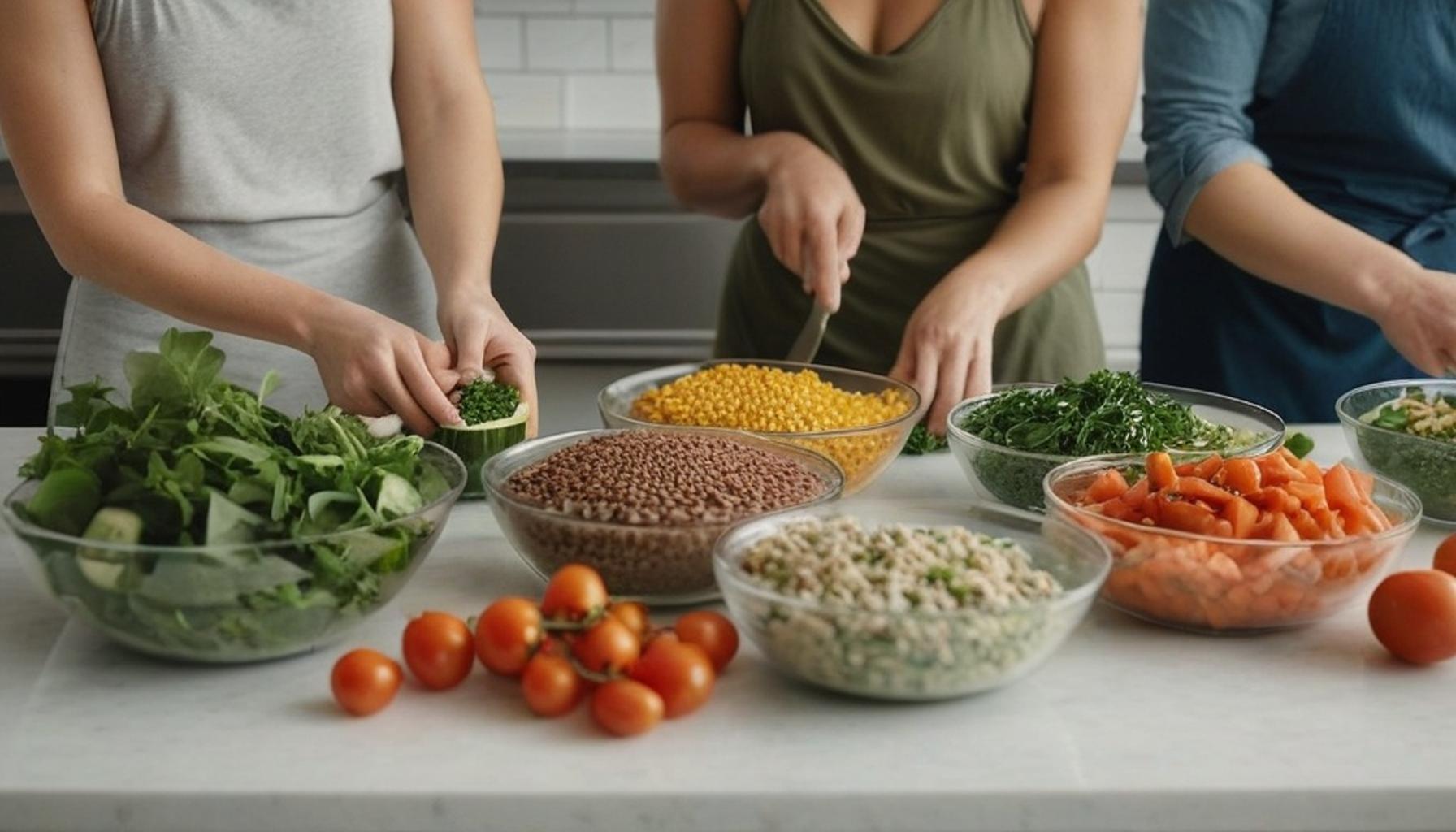
Sunday afternoons across the United States are quietly transforming into productivity powerhouses. Kitchens fill with the sound of chopping vegetables and simmering grains as busy professionals, parents, and students embrace meal prep strategies to reclaim control over their diets. This shift isn’t just a trend—it’s a response to rising food costs and shrinking free time.
According to nutrition experts, planning meals in advance can reduce weekly grocery spending by up to 20 percent while cutting food waste significantly. That’s a compelling reason to explore balanced eating tips that fit into even the busiest schedules. In cities like Chicago, Austin, and Seattle, community cooking classes centered on batch preparation have seen waitlists grow by double digits over the past year, signaling a cultural pivot toward intentional eating.
Part of this movement stems from the sheer exhaustion of decision fatigue. Nutritionists point out that Americans make hundreds of food-related choices daily, and having pre-portioned meals ready in the fridge eliminates the temptation to order takeout after a long shift. It’s not just about convenience—it’s about protecting mental bandwidth for what matters most.
What This Article Covers
Whether you’re aiming to drop a few pounds or simply eat smarter, understanding meal prep benefits can reshape your relationship with food. This guide breaks down proven techniques used by dietitians and home cooks alike, drawing on strategies popularized by wellness influencers and clinical nutrition programs across the country.
- Batch-cooking methods that save hours during the workweek
- Portion control strategies for meal prep for weight loss goals
- Storage tips that keep ingredients fresh for up to five days
- Budget-friendly grocery lists tailored to seasonal produce
From mason jar salads to sheet-pan dinners, easy meal prep recipes are proving that convenience and nutrition don’t have to be mutually exclusive. Many home cooks are discovering that a few hours of preparation can translate into an entire week of stress-free, wholesome meals. Grocery chains have even responded by introducing “meal prep aisles” stocked with reusable containers, pre-washed greens, and family-sized proteins designed for efficient cooking sessions.
Social media has amplified this movement further, with hashtags related to weekly food prep amassing billions of views. Viewers aren’t just watching for entertainment—they’re taking notes, screenshotting grocery lists, and adapting recipes to fit their own dietary needs, whether that means gluten-free, plant-based, or high-protein approaches.
Curious how to build a system that actually sticks? The following sections reveal practical, science-backed methods to help you eat better without sacrificing time or flavor, offering a roadmap for anyone ready to transform their kitchen routine into a sustainable, budget-conscious habit.
YOU MAY ALSO LIKE: The Impact of Plant-Based Diets on Long-Term Health and Wellness
Walk into any kitchen on a Sunday afternoon across the United States, and you might spot the same scene repeating itself: containers lined up on countertops, chicken breasts sizzling in one pan, rice steaming in another. Yet despite this widespread ritual, most people abandon their prepped meals by midweek. Understanding why certain approaches succeed while others collapse requires looking at the psychology and science behind sustainable food preparation.
Before diving into recipes, it helps to understand why certain approaches to meal preparation succeed while others fizzle out by Wednesday. Registered dietitians consistently point to one factor: structure. Random cooking sessions without a plan rarely translate into sustainable habits, but methodical meal prep strategies built around a weekly framework tend to stick.
The most successful home cooks follow what nutrition coaches call the “three-pillar approach.” This method breaks preparation into protein, complex carbohydrates, and vegetables, allowing for mix-and-match flexibility throughout the week rather than committing to identical meals every day. Surveys conducted by food industry analysts suggest that Americans who batch-cook using this modular system report higher satisfaction rates than those who prepare five identical, pre-assembled dishes.
The Three-Pillar Framework Explained
Consider how this looks in practice for a typical American household juggling work schedules and family commitments. Instead of spending hours crafting five distinct dinners, cooks focus energy on components that combine in countless ways.
- Protein selection: Grilling or baking four to five portions of chicken thighs, salmon, or tofu in one session
- Carbohydrate base: Cooking a large batch of quinoa, brown rice, or roasted sweet potatoes
- Vegetable rotation: Roasting two to three varieties, such as broccoli, bell peppers, and Brussels sprouts, to prevent flavor fatigue
- Sauce and seasoning kits: Preparing small containers of dressings or spice blends to transform the same base ingredients into different-tasting meals
This structure supports balanced eating tips because it naturally encourages portion diversity without requiring five separate recipes each week. A person following this method might pair chicken and quinoa with a lemon-herb dressing on Monday, then switch to a spicy peanut sauce by Thursday, using identical base ingredients. This rotation keeps taste buds engaged while dietitians note that variety in flavor profiles, even when nutritional content stays constant, plays a measurable role in whether people actually finish their prepped meals rather than tossing them.
Why Timing Matters More Than People Realize
Food safety researchers at university extension programs emphasize that when you prep matters almost as much as what you prep. Cooking proteins and grains within 24 hours of purchase, then cooling them properly before refrigeration, significantly reduces bacterial growth risk. The USDA recommends refrigerating cooked food within two hours to avoid entering the temperature danger zone where pathogens multiply rapidly.
Data from culinary training programs suggests that meals stored in airtight glass containers maintain optimal texture and flavor for four to five days, whereas plastic alternatives can degrade quality by day three. This detail matters enormously for anyone pursuing meal prep for weight loss, since abandoning bland, soggy leftovers midweek often leads to impulsive takeout orders that derail calorie goals. Restaurant delivery data from major metropolitan areas shows spikes in order volume precisely on Wednesday and Thursday evenings, coinciding with when many home-prepped meals begin losing appeal.
Investing in proper storage isn’t just about convenience anymore. It’s become a genuine component of nutritional success, influencing whether prepped food actually gets eaten or quietly discarded by Friday.

Key Aspects of Meal Prep Strategies for Balanced Eating
Successful Meal Prep Strategies rely on a few essential pillars that work together to create sustainable, nutritious routines. Below is a breakdown of the core categories every home cook should master to maximize Meal Prep Benefits and simplify weekly nutrition planning.
| Category | Key Features |
|---|---|
| Portion Control | Pre-measured containers reduce overeating and support Meal Prep for Weight Loss. |
| Ingredient Variety | Rotating proteins, grains, and vegetables keeps Easy Meal Prep Recipes exciting and nutrient-dense. |
| Storage Techniques | Airtight containers and freezing methods preserve freshness for up to five days. |
| Time Efficiency | Batch cooking on weekends cuts daily prep time, reinforcing practical Balanced Eating Tips. |
Each category above contributes directly to healthier eating habits without added stress. Exploring these elements further reveals how small adjustments in Healthy Meal Prep Ideas can transform weekly routines into consistent, balanced nutrition.
YOU MAY ALSO LIKE: The Impact of Hydration on Nutritional Choices and Overall Health
Building Weekly Systems That Actually Work
Once the three-pillar foundation is in place, the next challenge involves scaling it into a repeatable weekly system. Nutrition researchers at several land-grant universities have studied households that maintain consistent prep habits for six months or longer, and their findings reveal a pattern most casual cooks overlook: successful preppers treat grocery shopping as a scheduling exercise, not just a shopping trip. The distinction sounds subtle, but it changes everything about how a kitchen operates during a busy work week.
The Grocery List Blueprint
Rather than wandering supermarket aisles reacting to sales or cravings, experienced meal preppers build lists around a fixed rotation of ingredients that cover multiple healthy meal prep ideas simultaneously. A single shopping trip might include:
- Two protein sources: One that reheats well, like ground turkey, and one that stays fresh cold, like shrimp for grain bowls
- Three vegetable types: A mix of fast-cooking greens, sturdy roasting vegetables, and something raw for texture contrast
- One versatile starch: Farro, barley, or brown rice that absorbs sauces without turning mushy
- Pantry staples: Canned beans, nut butters, and vinegars that stretch across multiple recipes without spoiling
This approach eliminates decision fatigue, a factor behavioral economists frequently cite as one of the biggest obstacles to sticking with any structured eating plan. When ingredients are predetermined, cooks spend less mental energy deciding what to make and more energy actually preparing it. Grocery chains across the Midwest and Southeast have even begun stocking pre-bundled produce boxes designed around this exact rotation model, a sign that retailers are catching on to how shoppers actually behave once they commit to a system.
Portioning for Real Life, Not Instagram
Container choice matters far more than most people assume. Nutrition coaches often recommend dividing plates using a simple visual ratio: half vegetables, one quarter protein, one quarter starch. This isn’t arbitrary. It mirrors guidelines from the Harvard T.H. Chan School of Public Health, which has long promoted similar proportions for supporting metabolic health without requiring strict calorie counting. Unlike restrictive diet plans that dominate social media feeds, this method leans on visual consistency rather than obsessive tracking, making it far easier to sustain past the first few weeks of enthusiasm.
For households pursuing meal prep for weight loss, portioning consistency matters more than perfection. Studies on food journaling behavior show that people who use standardized containers, rather than eyeballing servings, tend to maintain calorie targets within a tighter range over time. Some registered dietitians in cities like Chicago and Austin report that clients who switch to compartmentalized containers see measurable improvements in adherence within the first month, often before any changes in recipes occur.
Batch cooking also opens the door to easy meal prep recipes that require minimal hands-on effort. Sheet pan dinners, slow cooker grain bowls, and one-pot chili variations allow home cooks to prepare four or five servings using a single dish, cutting cleanup time significantly. For families juggling soccer practices and late work shifts, this efficiency often determines whether the habit survives the second week or collapses under the weight of a hectic schedule.
The cumulative effect of these small systemic choices, smarter shopping, consistent portioning, and simplified cooking methods, produces one of the most underrated meal prep benefits: reduced daily decision-making. That mental bandwidth, freed from constant food planning, often gets redirected toward other health goals, from exercise consistency to better sleep habits. It raises an intriguing question worth exploring further: how many other daily routines might improve simply by removing unnecessary choices?
DISCOVER MORE: Click here to enhance your productivity
The Bigger Picture Behind the Containers
Stepping back from grocery lists and portion ratios, a broader truth emerges. Meal Prep Strategies succeed or fail not because of fancy equipment or elaborate recipes, but because of how well they fit into the messy reality of daily life. The households that stick with this habit for months, not weeks, are rarely the ones with the most Pinterest-worthy containers. They are the ones who built systems flexible enough to survive a canceled grocery run or a chaotic Tuesday night.
Throughout this discussion, a few themes kept resurfacing. Structure beats motivation. A rotating list of proteins, vegetables, and starches removes the guesswork that derails so many good intentions. Standardized portioning, rather than rigid calorie math, supports steadier progress for anyone focused on meal prep for weight loss without turning every meal into a math problem.
These balanced eating tips also point toward something less obvious: the value of reclaimed mental energy. When decisions about food are settled in advance, that bandwidth shifts elsewhere, often toward exercise, sleep, or simply feeling less frazzled by dinnertime.
None of this requires culinary expertise. A few easy meal prep recipes on rotation, paired with realistic expectations, tend to outperform ambitious plans that collapse under their own complexity.
The real meal prep benefits may extend well beyond the plate. As more households experiment with these systems, researchers will likely keep asking what else improves when food decisions stop dominating the day, and that question alone makes this a habit worth watching.
Frequently Asked Questions
How many days ahead should I meal prep for balanced eating?
Most people find 3 to 4 days is the sweet spot for freshness and variety without spending an entire weekend cooking. Proteins and cooked grains typically stay fresh in the fridge for up to 4 days, while raw veggies can be prepped for up to a week. If you want to go longer, freezing portions in 2-day batches keeps meals tasting fresh.
What containers work best for meal prep strategies focused on portion control?
Divided glass containers with 3 compartments are ideal because they naturally separate protein, carbs, and vegetables, making it easy to visualize a balanced plate. Glass is preferred over plastic since it’s microwave-safe, doesn’t stain, and doesn’t retain odors from sauces like curry or garlic. Look for containers with airtight, leak-proof lids if you’re transporting meals to work.
How do I meal prep without eating the same boring food every day?
The key is prepping components separately rather than fully assembled meals, so you can mix a base of rice, quinoa, or greens with rotating proteins and sauces throughout the week. Cook two or three different proteins and 3-4 sauce or seasoning options in bulk, then combine them differently each day. This modular approach keeps flavors interesting while still saving time on cooking.
What’s the best way to balance macronutrients when meal prepping?
A simple rule is to fill roughly a quarter of your container with lean protein, a quarter with complex carbs like brown rice or sweet potato, and half with non-starchy vegetables. Adding a small portion of healthy fat, such as avocado, olive oil, or nuts, helps with satiety and nutrient absorption. Batch-cooking these three categories separately makes it easy to build balanced plates all week.
How can I meal prep on a tight budget while still eating balanced meals?
Focus on affordable protein sources like eggs, canned beans, chicken thighs, and lentils, which are cheaper than premium cuts but still nutrient-dense. Buying seasonal vegetables and frozen produce in bulk also cuts costs without sacrificing nutrition. Planning meals around sales and cooking large batches of grains like rice or oats stretches your grocery budget further.
Is it safe to meal prep meals that include raw vegetables or salads?
Yes, but store dressing separately and keep delicate greens like spinach or arugula away from moisture until you’re ready to eat to prevent wilting. Sturdier vegetables like cabbage, carrots, and bell peppers hold up well for 4-5 days when prepped raw. Always wash and dry produce thoroughly before storing to extend freshness and reduce bacterial growth.

Linda Carter
Linda Carter is a writer specializing in healthy habits and balanced living. With extensive experience helping readers build sustainable routines, she shares practical guidance on nutrition, physical activity, quality sleep, stress management, and emotional well-being. Her goal is to offer simple, accessible strategies that inspire people to care for their health and enjoy a more balanced life.