Participatory Art: How to Engage the Audience in Artistic Projects and Create Collective Experiences
Understanding the Impact of Participatory Art
Participatory art is redefining how society interacts with creativity and expression. In an age where the barriers between artist and audience continue to blur, this artistic practice encourages a more inclusive approach to art-making, which not only enriches the cultural landscape but also fortifies community bonds.
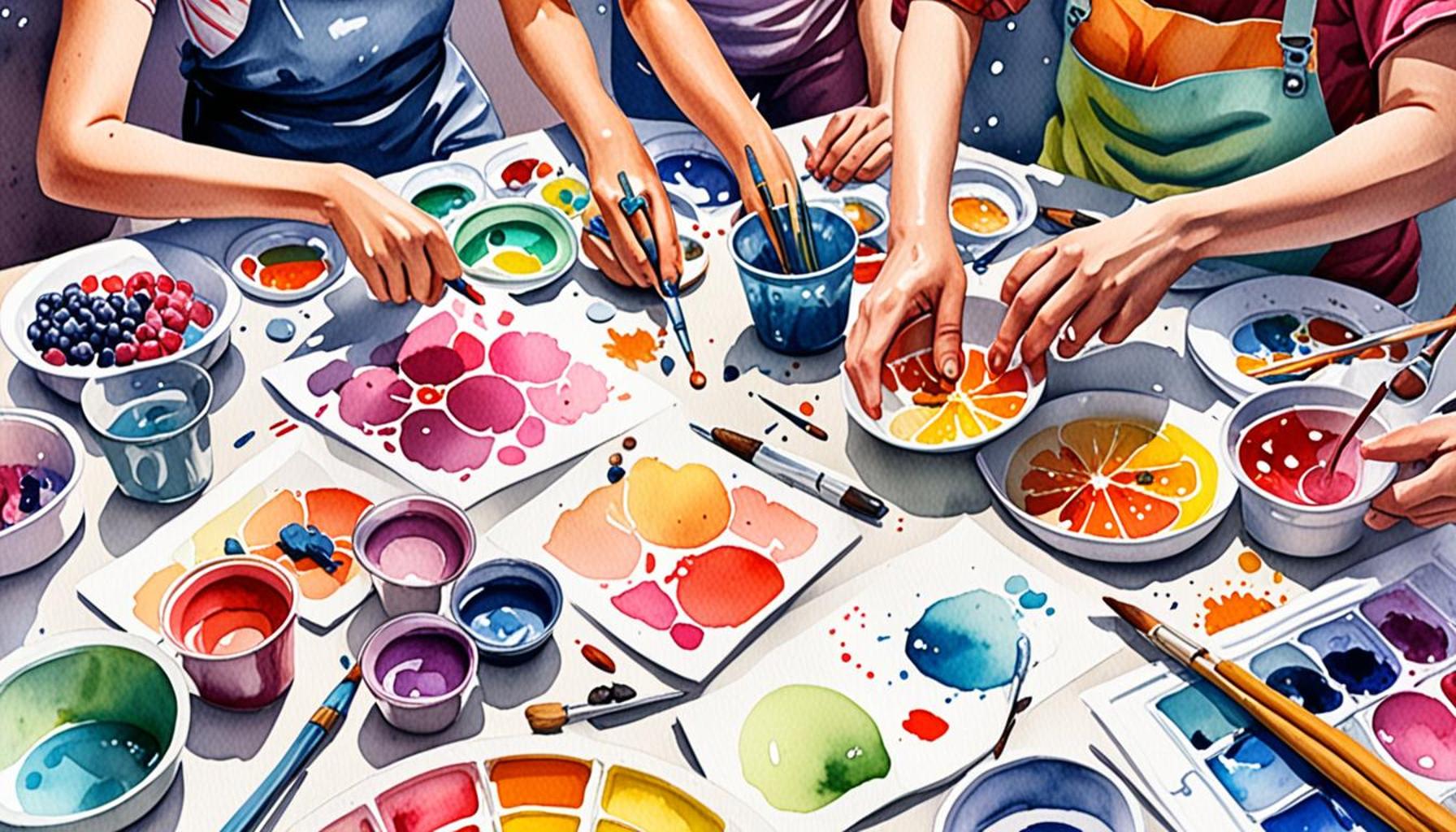
At its core, participatory art emphasizes collaboration and shared experiences. By inviting individuals to contribute directly, artists create an environment where the creative process is accessible to all, regardless of their background or expertise. This fosters a profound sense of belonging and investment, allowing communities to engage in dialogues around their own identities and experiences.
For example, one widely recognized participatory art project is the Before I Die wall, initiated by artist Candy Chang. After losing a loved one, Chang transformed an abandoned building in New Orleans into a space where individuals could share their aspirations and fears of mortality by writing on the wall with chalk. This project quickly spread worldwide, turning simple insights into a global conversation about how people choose to live their lives while acknowledging their mortality.
Further illustrating the power of participatory art are mural festivals across the United States, such as the annual Philadelphia Mural Arts Festival, where community members collaborate with artists to create large-scale murals. These festivals not only beautify urban landscapes but also serve as platforms for addressing local issues, such as social justice, identity, and community history. By allowing citizens to contribute to these works, these events create lasting visual narratives that reflect the diversity and resilience of the community.
The involvement of the public in these projects serves several significant purposes: it raises awareness around social issues, empowers marginalized voices, and fosters a sense of ownership over one’s environment. Additionally, through collaborative performances—such as public theater and dance—participants not only engage in the art but also in the underlying themes being addressed, such as equality and the need for dialogue on critical societal issues.
As we explore participatory art further, the strategies for engaging audiences effectively become crucial. Each project can be designed to ensure that every participant feels their input is valued, thus elevating the overall impact of the artistic work. The collaborative nature of these experiences can yield transformative outcomes, making individuals not just observers but active contributors to the evolution of their cultural landscapes.
DISCOVER MORE: Click here for deeper insights
Strategies for Engaging Audiences in Participatory Art
To harness the full potential of participatory art, artists and facilitators must employ strategies that actively engage their audiences. This involves creating immersive experiences that welcome diverse voices, ideas, and skill sets while ensuring participants feel a sense of ownership and pride in the collective outcome. Below are several approaches to consider when designing participatory art projects:
- Facilitative Workshops: Conduct workshops where participants can brainstorm ideas and contribute to the project from its inception. By involving the community in the planning stages, artists can foster collaboration, spark creativity, and deepen connections among participants.
- Interactive Installations: Encourage audience participation through installations that invite individuals to touch, move, or alter components of the artwork. These installations can often result in spontaneous performances or interactions that add layers of meaning to the art piece.
- Storytelling Sessions: Integrate storytelling as a vehicle for engagement. Participants can share personal narratives that relate to the theme of the artwork, enriching the experience and providing context for individual contributions.
- Public Feedback Mechanisms: Utilize tools such as suggestion boxes, digital platforms, or open forums to gather feedback on the art project. This encourages a dialogue between artists and participants, making individuals feel heard and valued.
- Collaborative Creation: Design projects that evolve in real-time through audience input, whether that’s through live painting, dance, or music sessions. This approach transforms the art-making process into a shared event, enhancing the communal experience.
The essence of these strategies lies in their capacity to demystify the art-making process. By breaking down traditional barriers, artists can create environments where everyone feels empowered to express themselves. This notion is supported by research from the National Endowment for the Arts, which has shown that engaging in the arts can promote not only personal growth but also strengthen community ties. Participation in these projects can foster critical thinking, build empathy, and enhance cultural awareness amongst individuals.
In a practical sense, cities around the United States are embracing participatory art in creative and innovative ways. For instance, the The Mural Project in Los Angeles invites locals to work hand-in-hand with established street artists, merging diverse perspectives to share the richness of urban culture. Meanwhile, community events, like First Fridays across various cities, emphasize local artists’ work while encouraging residents to engage with the art through discussions and live performances.
The goal of these participatory experiences goes beyond mere art appreciation; they aim to cultivate a sense of community ownership and identity. By taking part in artistic projects, individuals can explore their shared histories, address pressing social issues, and collectively envision the future of their neighborhoods. Successful participatory art initiatives not only inspire creativity but initiate crucial conversations that can lead to lasting change.
Understanding the Impact of Participatory Art
Participatory art goes beyond the traditional boundaries of artistic creation by inviting the audience to become active collaborators. This transformation not only enhances the overall experience but also fosters a sense of community. Engaging in artistic projects allows participants to express their creativity, share their perspectives, and form connections with others. One of the critical aspects of participatory art is its ability to address social issues. Artists can create projects that resonate with the values and concerns of the community, making art relevant and accessible. For instance, public installations that allow passersby to interact or contribute actively can spark conversations about topics such as identity, belonging, and social justice. This process encourages a collective reflection that can lead to meaningful change.Moreover, participatory art serves as a powerful tool for education. By incorporating interactive elements, artists can create immersive experiences that leave a lasting impression. Workshops and collaborative sessions not only enhance artistic skills but also promote critical thinking and teamwork among participants. Engaging audiences in the creation process influences their perception of art, transforming passive viewers into active contributors who feel empowered by their involvement.Another key benefit involves the democratization of art. Traditionally, art has been seen as an elite domain, often disconnected from everyday experiences. Participatory art breaks down these barriers by making art more inclusive. It invites individuals from diverse backgrounds to engage, allowing for a variety of voices and narratives to be expressed, thus enriching the artistic landscape.By harnessing the transformative power of collective experience, participatory art has the potential to impact individuals profoundly. It fosters empathy and understanding among different communities, resonating with the heart of social change. As the conversation around participatory practices continues to evolve, artists and audiences alike are discovering new ways to collaborate, creating a powerful synergy that challenges traditional artistic norms and ignites cultural dialogue.
| Category | Advantages |
|---|---|
| Community Engagement | Fosters connections among participants, enhancing social bonds. |
| Civic Awareness | Encourages dialogue around social justice issues, making art a catalyst for change. |
Exploring the intricate layers of participatory art reveals a rich tapestry of interaction and innovation. Artists, audiences, and communities can co-create experiences that redefine conventional perceptions of art and its role in society. As we investigate the potential pathways for future projects, one concept remains clear: participatory art is not only a creative endeavor but also a vital societal force.
DIVE DEEPER: Click here to unlock your storytelling potential
The Role of Technology in Enhancing Participatory Art
In today’s digital age, technology plays an increasingly vital role in expanding the reach and impact of participatory art projects. By leveraging digital tools, artists can not only engage audiences in innovative ways but also transcend geographical barriers, allowing for broader participation and collaboration. Here are several technological avenues artists can explore to enhance their participatory art initiatives:
- Virtual Reality (VR) Experiences: Artists can create immersive VR environments that transport participants into dynamic artistic landscapes. By wearing VR headsets, audience members can interact with art in a three-dimensional space, significantly enhancing their sensory experience. Projects like the VR Dream Gallery invite users to explore users’ interpretations of dreams, making their interaction with art deeply personal.
- Augmented Reality (AR): Through AR applications, artists can overlay digital images or information onto physical art pieces, introducing an interactive component that engages viewers on multiple levels. For example, the AR Art Walk in San Francisco utilizes AR to bring historical artwork to life, revealing stories behind each piece as participants explore neighborhoods.
- Social Media Platforms: Artists can utilize platforms like Instagram, TikTok, and Twitter to invite audience participation in real-time. Incorporating hashtags or challenges can turn the audience into contributors, as they share their interpretations or creative responses to the work, thereby increasing visibility and fostering a sense of community.
- Crowdsourcing Ideas: Online platforms allow artists to gather ideas and feedback from a wider audience. Initiatives like Artstarter enable communities to propose projects or themes they wish to see in their neighborhoods, thereby democratically shaping the artistic landscape.
- Live Streaming Events: Hosting live-streamed art sessions can draw in global audiences, allowing them to witness the creative process in real-time. Platforms like Facebook Live or Twitch provide an opportunity for discussion and interaction, as viewers can ask questions or offer suggestions during the event.
The integration of technology not only makes art more accessible but also fosters interaction among diverse audiences. A study conducted by Americans for the Arts revealed that digital engagement in arts programs has increased audience participation by up to 60%, demonstrating the effectiveness of these tools in expanding reach and enhancing collective artistic experiences.
Moreover, specific initiatives across the United States illustrate how technology can elevate participatory art. For example, the Digital Art Bridge project in New York encourages artists to collaborate with tech developers, creating interactive installations that invite community input and engagement. These multifaceted approaches underscore the versatility of participatory art in adapting to contemporary societal contexts.
Ultimately, the confluence of participatory art and technology opens new pathways for creativity and connection. By embracing digital tools, artists not only enhance their projects but also foster deeper engagement with audiences, allowing for a transformative exploration of shared experiences and identities. Engaging with technology in art provides both immediacy and permanence, ensuring that the conversations sparked by these projects resonate far beyond the initial interactions and continue to evolve.
DISCOVER MORE: Click here for upcycling techniques
Conclusion
In summary, participatory art stands as a powerful mechanism for fostering community engagement and creating shared experiences that resonate deeply within audiences. By inviting spectators to partake in the artistic process, artists not only democratize the art form but also break down traditional barriers between creator and consumer. As discussed, innovative tools and methods—including the use of technology, social media, and virtual platforms—have significantly transformed the landscape of participatory art, offering diverse opportunities for interaction and collaboration.
Moreover, projects such as the Digital Art Bridge and various AR initiatives in urban settings illustrate the remarkable potential of merging artistry with contemporary digital advancements. These advancements enable artists to connect with broader audiences, creating inclusiveness that is essential in today’s fragmented society. Through crowdsourcing, live streams, and immersive experiences, artists can ensure that their work not only engages but also empowers individuals to express their own narratives.
As we move forward, it becomes increasingly crucial for artists to embrace both participatory practices and technological innovations, paving the way for art that is collectively recognized and personally meaningful. This evolution reflects a shift towards community-driven expression, where the audience is not just an observer but an integral part of the creative journey. Ultimately, the future of participatory art promises to be a vibrant tapestry of voices, ideas, and experiences, urging us all to contribute to the ongoing dialogue of creativity and culture.