Performance Narrative: Telling Stories Through Music and Poetry
Unveiling the Dimensions of Performance Narrative
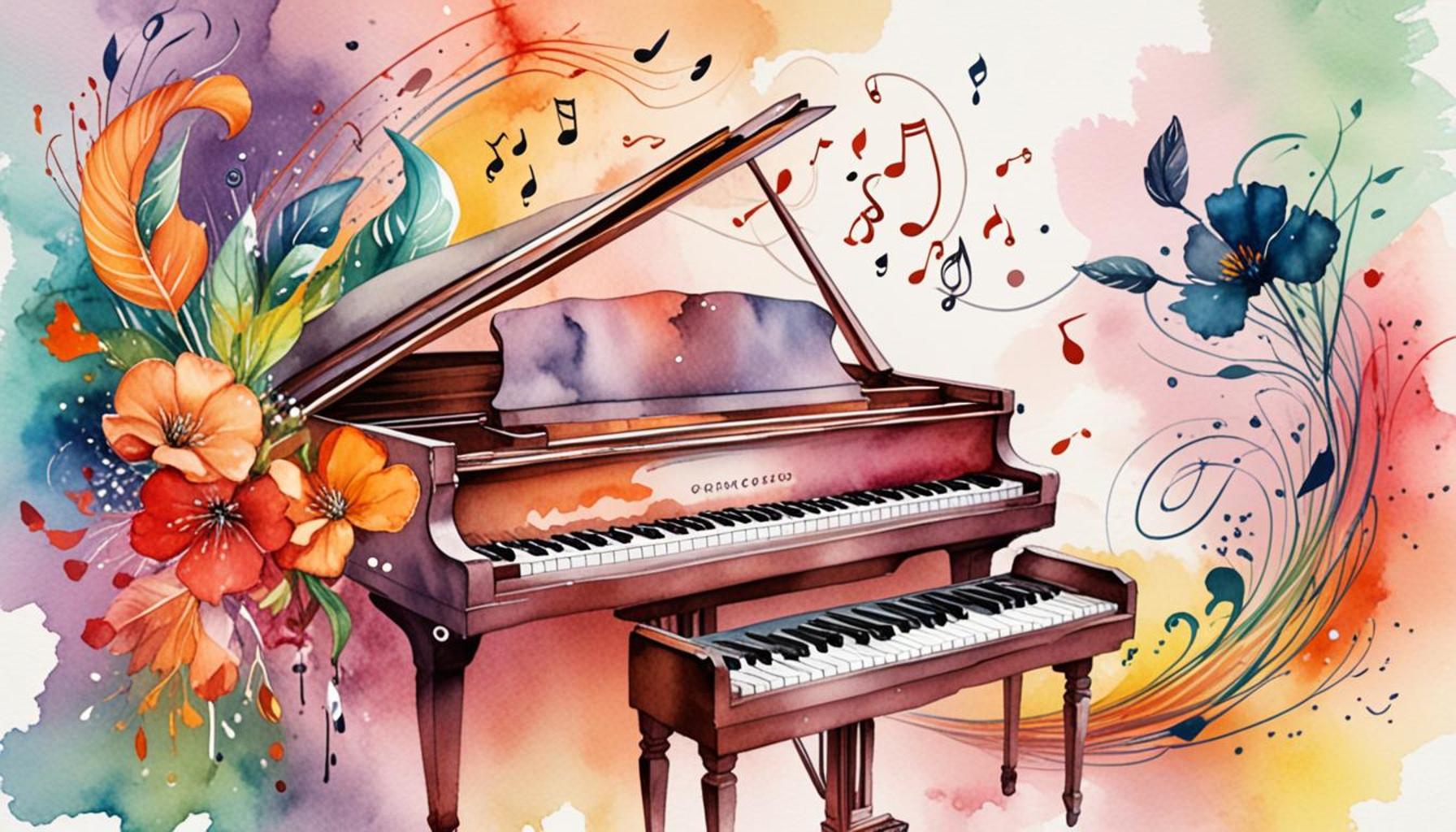
At its core, the blend of music and poetry is an age-old tradition that transcends mere entertainment. These art forms serve as profound vessels for storytelling, weaving intricate narratives that resonate deeply with audiences across generations and geographies. They do not merely appease our senses but also ignite a plethora of emotions, provoke profound thoughts, and foster connections across diverse cultures and life experiences.
Performance narrative goes beyond the confines of conventional storytelling, merging rhythm, melody, and lyrical verse to craft compelling tales that engage listeners in a dynamic manner. The captivating nature of this fusion can be attributed to several key elements:
- Emotion: Music has the innate ability to evoke emotions, while poetry articulates and amplifies those feelings. Songs often tap into the listener’s sentiment, whether it’s the bittersweet melody of a love ballad or the upbeat tempo of a celebratory anthem.
- Cultural Reflection: Both music and poetry act as mirrors reflecting societal norms, struggles, and changes. Genres like hip-hop and country often encapsulate narratives of personal empowerment, social justice, or the human experience in rural settings, providing a glimpse into the artist’s cultural background.
- Personal Stories: Artists frequently draw from their own life experiences, infusing their work with authenticity. For example, the storytelling traditions of folk music allow songwriters to convey personal narratives that create genuine connections with audiences, making the shared experience more relatable.
- Imagery: Vivid descriptions found in poetry, complemented by the evocative soundscapes of music, enhance the storytelling experience. The imagery of a setting sun or the sound of rain can transport listeners to different realms, inviting them to visualize the artistic narrative.
In the United States, this rich cultural phenomenon thrives in various forms. From the gritty rhythms of blues that echo the struggles of the Deep South to the evocative spoken word performances that pulse with the heartbeat of urban life, the diversity within this narrative landscape is immense. Festivals such as the National Poetry Slam and the Newport Folk Festival celebrate this vibrant fusion, giving artists a platform to share their stories while connecting with a wider audience.
As we traverse the realms of performance narrative, it becomes clear that these stories not only entertain but also shape our understanding of the world around us. They reflect the human condition in all its complexity, offering insights into our shared experiences. Artists across the nation continue to innovate, pushing creative boundaries and inviting audiences to witness their journeys through the seamless interplay of sound and word. This ever-evolving interplay leads us to a deeper appreciation of artistry that transcends mere performance, turning each narrative into an intriguing exploration of life itself.
DISCOVER MORE: Click here to dive deeper
The Artistry of Storytelling in Performance
In exploring performance narrative, it is essential to recognize the craftsmanship behind the stories woven through music and poetry. Artists have an innate ability to encapsulate their thoughts and emotions, inviting listeners on a journey that transcends time and space. The synergy between melody and verse crafts an experience that not only captures attention but also resonates with the heartstrings of the audience.
One of the most striking aspects of this fusion is the use of thematic elements that emerge through both music and poetry. Themes such as love, loss, and resistance frequent the works of iconic artists, with the art form serving as a channel to explore complex emotions. For instance, a poignant ballad may recount heartbreak, its lyrics rich with imagery of shattered dreams and the lingering echoes of a lover’s voice. Coupled with a hauntingly beautiful melody, these nuances draw the audience into an emotional embrace, often leading them to reflect on their own life experiences.
Among the diverse genres found in the United States, several stand out for their unique approach to storytelling:
- Blues: Originating in the African American communities of the Deep South, blues music historically narrates tales of struggle and resilience. Artists like B.B. King and Muddy Waters used their powerful vocals and guitar riffs to convey the emotional weight of life’s hardships, transforming personal sorrow into universal understanding.
- Folk: Folk music is a treasure trove of storytelling traditions, where artists like Woody Guthrie and Joan Baez immortalized the experiences of everyday people. Through their lyrics, they captured the essence of social injustices, environmental concerns, and community life, forging connections between generations of listeners.
- Hip-Hop: In the realm of contemporary music, hip-hop emerges as a powerful narrative form that provides a voice to marginalized communities. Artists like Kendrick Lamar and Chance the Rapper delve into the complexities of identity and systemic struggles through intricate rhymes and rhythms, crafting stories that resonate deeply with a modern audience.
- Spoken Word: This art form takes storytelling to an intimate level, with performers using their voices as instruments to convey poignant messages. Festivals like the National Poetry Slam bring together talented poets who captivate onlookers with personal reflections on societal issues, love, and identity, blending rhythmic language with a powerful performance.
The impact of performance narrative extends beyond the stage; it cultivates a sense of community and fosters dialogue among listeners. Whether expressing collective grief or celebrating triumphs, these artistic expressions allow audiences to come together in shared experiences. In an era marked by division and uncertainty, music and poetry serve as bridges, uniting individuals through their common humanity.
As burgeoning artists continue to push the boundaries of creativity, the rich tapestry of performance narrative becomes an even more compelling lens through which we can view the human experience. With each performance, our understanding of individuality and collective memory deepens, reminding us of the art’s timeless power to connect and inspire.
Exploring the Essence of Performance Narrative
The compelling theme of Performance Narrative: Telling Stories Through Music and Poetry intertwines art and expression, captivating audiences by engaging them in profound narratives. This unique blend of music and poetry transcends traditional storytelling, inviting listeners into a multifaceted emotional experience. Historical figures such as Langston Hughes and Bob Dylan exemplify the power of this artistic combination, where lyrics serve as a poetic vessel that evokes deep connections with the audience.
Emotional Connection Through Art
Music and poetry share an intimate relationship, enhancing each other’s narrative power. Songs like “The Times They Are A-Changin'” not only tell stories but also evoke a sense of urgency and empowerment. This emotional resonance makes performances unforgettable, leaving a lasting impact on listeners, and showcasing the capability of an artist to convey complex ideas and themes.
The Role of Performance in Storytelling
Performance is vital in this narrative framework, as the way a story is told influences its reception. The act of performing—be it through spoken word or musical interpretation—allows artists to embody their stories, providing a visual dimension that amplifies the message. The interplay of voice, melody, and rhythm can transform a simple narrative into a powerful journey, compelling audiences to reflect on their own experiences.
Engaging Diverse Audiences
In an increasingly diverse world, performance narratives cater to varied audiences, bridging cultural gaps. Genres ranging from traditional folk to contemporary rap highlight different histories and perspectives, allowing individuals from all backgrounds to see their experiences reflected on stage. This inclusivity is crucial in today’s artistic landscape, fostering a deeper understanding of collective human experiences.
| Category 1 | Category 2 |
|---|---|
| Artistic Innovation | Merging diverse artistic forms enhances creativity. |
| Cultural Relevance | Addresses contemporary issues through engaging narratives. |
The Future of Narrative Performance
The future of performance narrative lies in continued collaboration across genres and mediums. As technology advances, virtual performances and multimedia storytelling will redefine how stories are shared. The essence of connecting through music and poetry will remain, urging artists to innovate and push boundaries, while audiences continue to seek authenticity and emotional depth in their artistic experiences.
DISCOVER MORE: Click here to learn about the transformative power of visual arts
The Cultural Significance of Performance Narratives
The influence of performance narrative extends far beyond the personal stories artists tell; it reflects the intricate tapestry of cultural identity and societal values. As various genres blend and evolve, music and poetry emerge as powerful vehicles for cultural storytelling, influencing social movements and sparking critical discourse. This cultural significance becomes even more evident when examining historical events where artists chronicled their surrounding realities through creative expression.
Protests and Movements: Throughout American history, music and poetry have played pivotal roles in social movements, offering both a soundtrack and narrative framework. The Civil Rights Movement of the 1960s, for instance, witnessed artists like Nina Simone and Bob Dylan using their platforms to communicate messages of resistance and hope. Simone’s haunting rendition of “Strange Fruit,” addressing the horrors of racism and lynching, transcends mere entertainment. It serves as a poignant reminder of the struggles faced by African Americans, and its stirring lyrics continue to resonate today.
Similarly, the rise of hip-hop was not only a cultural movement but also a powerful narrative tool for young voices in urban communities. Rappers like Public Enemy and N.W.A. highlighted issues of police brutality and systemic oppression, shedding light on experiences often silenced in mainstream discourse. The rhythm and poetry of their verses offer insights into societal struggles, creating a platform for change and sparking crucial conversations about race and inequality in America.
The Therapeutic Aspects of Storytelling: The art of performance narrative plays a significant role in healing and self-expression. Many artists utilize music and poetry as therapeutic outlets to navigate personal challenges such as trauma, addiction, and mental health. The cathartic nature of their art not only provides solace to the creators but also gives voice to listeners who may share similar experiences. This dialogue encourages vulnerability, fostering deeper connections between artists and audiences.
- Example of Healing: Consider artists like Eminem, whose albums often explore his personal battles with addiction and family dysfunction. Through raw and autobiographical lyrics, he invites listeners into his world, allowing them to find solace in shared experiences.
- Community Healing: Spoken word events and open mic nights in various cities across the U.S. often serve as therapeutic spaces for marginalized voices, where participants can share their narratives openly. These gatherings not only validate personal experiences but also foster community solidarity.
The Digital Age: A New Frontier for Storytelling: With the advent of technology and social media, the landscape of performance narrative is undergoing transformation. Artists now have the capability to reach global audiences through platforms like YouTube, Instagram, and TikTok, altering how stories are disseminated and experienced. This democratization of art allows underrepresented voices to emerge, enriching the tapestry of narratives available to audiences. The accessibility provided by these platforms not only amplifies individual stories but also cultivates a more inclusive understanding of collective experiences.
As musicians and poets continue to innovate and adapt, they push the boundaries of what performance narratives can be. This ever-evolving form encourages exploration and experimentation, inviting audiences to engage with storytelling in dynamic and meaningful ways. The vitality of performance narrative not only enhances our appreciation for music and poetry but also reinforces their role as critical components of cultural heritage and social dialogue.
DIVE DEEPER: Click here to discover the art of personal storytelling
Conclusion: The Enduring Power of Performance Narrative
In exploring the multifaceted realm of performance narrative, it becomes clear that the stories woven through music and poetry resonate on deeply personal and collective levels. As a dynamic form of expression, it serves as a mirror reflecting societal challenges, cultural identities, and the shared human experience. From powerful protest songs of the Civil Rights Movement to contemporary hip-hop illuminating systemic injustices, artists have consistently harnessed their creative tools to advocate for change and inspire action.
Moreover, the therapeutic aspects of storytelling within this framework reveal the cathartic potential of art. Through personal revelations and communal sharing, both artists and audiences engage in a healing journey that strengthens bonds and fosters empathy. The rise of communities celebrating spoken word and open mic events emphasizes the importance of providing safe, affirming spaces for voices that may otherwise remain unheard.
As we navigate the digital age, the accessibility of platforms like social media equips artists with unprecedented opportunities to connect with global audiences. This democratization not only amplifies individual narratives but enriches the cultural discourse, allowing a broader spectrum of experiences to be recognized and validated. As performance narratives continue to evolve, they invite us all to explore the intricate tapestry of storytelling through music and poetry, encouraging us to question, reflect, and ultimately embrace the diverse narratives that shape our lives.
Thus, the journey of performance narrative remains an essential aspect of cultural heritage, reminding us of the power of art to transcend barriers, ignite conversation, and reflect the essence of humanity.