Performance Skills in Martial Arts: Discipline and Creative Expression
The Multifaceted Nature of Martial Arts
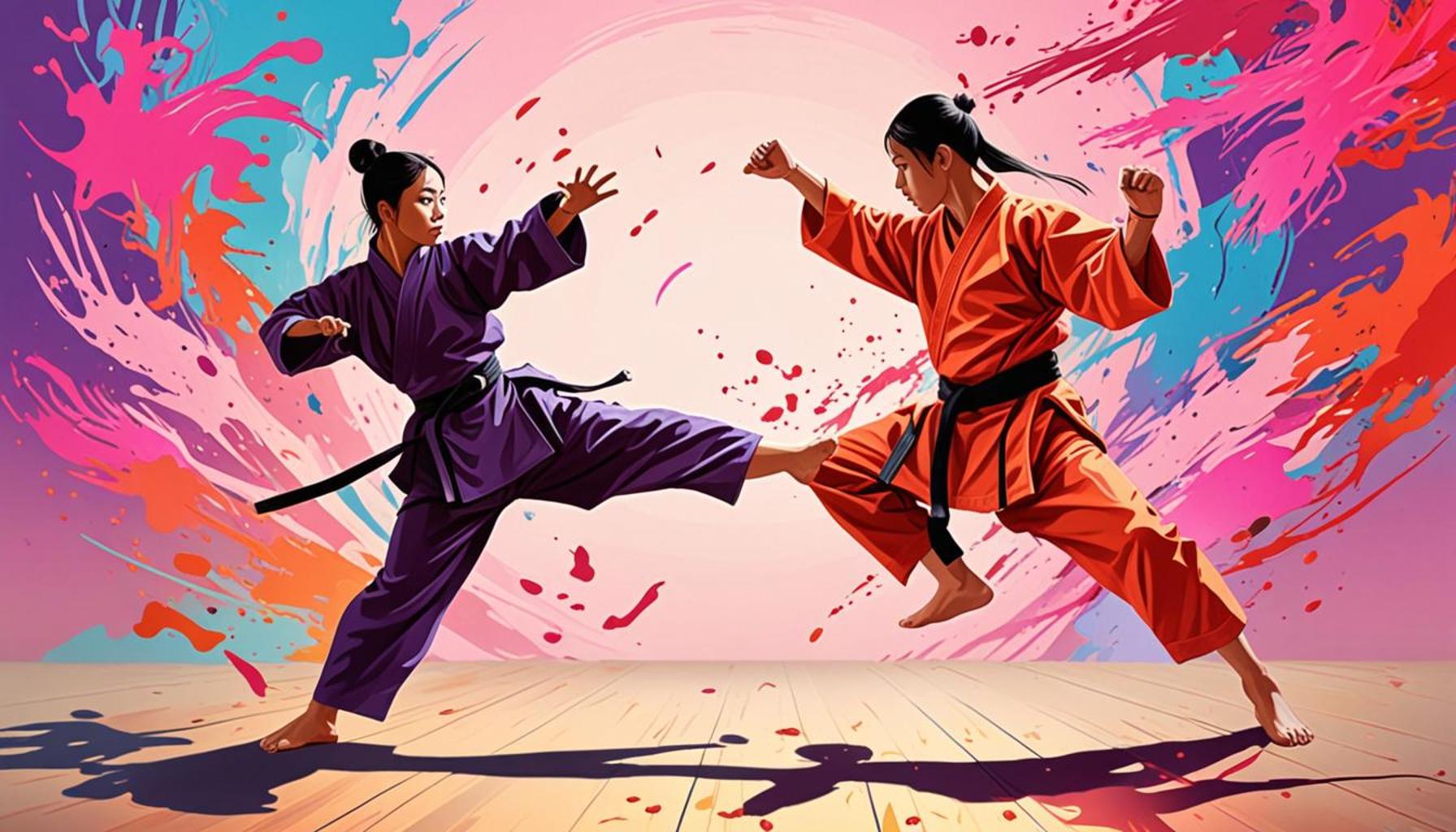
Martial arts are often perceived solely as physical disciplines involving striking and grappling techniques; however, this perception is limiting. They represent a comprehensive blend of discipline and creative expression, evolving into a holistic practice that engages both the body and mind. Understanding this dual nature can significantly enrich the experience for practitioners and enthusiasts alike.
The journey in martial arts is not just about perfecting kicks or mastering grappling maneuvers; it also embodies rigorous training and artistic manifestations. Below, we explore the core components that define this duality:
- Discipline: At the heart of martial arts lies a deep-seated commitment to regular practice and self-improvement. For instance, to execute a flawless roundhouse kick, a practitioner must dedicate countless hours to refining their technique and increasing their physical conditioning. This level of commitment fosters mental resilience, enabling martial artists to navigate life’s challenges with composure and focus.
- Creative Expression: While martial arts emphasize technique, they also allow for individual creativity. Different styles such as Taekwondo, with its high-flying kicks, or Capoeira, with its fluid dance-like movements, showcase how practitioners can personalize their training. This element of self-expression can transform traditional routines into a unique art form, enhancing the overall experience and allowing individuals to showcase their personality.
- Cultural Richness: Each martial art is steeped in history, philosophy, and cultural significance. For example, Aikido originates from Japan and emphasizes harmony and balance, reflecting the moral principles of its founder. By learning these arts, practitioners also encounter a broad tapestry of philosophical frameworks that enrich their understanding of themselves and the world around them.
In the United States, millions of individuals are captivated by diverse martial arts, from Karate to Brazilian Jiu-Jitsu. While many start their journey for practical reasons like self-defense, they quickly discover the holistic benefits of these disciplines. Physical fitness, mental clarity, and emotional regulation are just a few advantages that attract people from all walks of life.
As we delve deeper into the performance skills required in martial arts, it becomes evident that they do not only enhance physical capabilities but also provoke a profound awakening of the spirit. The harmonious blend of discipline and creativity cultivates not just skilled fighters but well-rounded individuals. This exploration into the martial arts provides a pathway to discover how these training methods foster personal growth and societal connection.
Ultimately, the expansive journey into martial arts continues to grow, inviting practitioners to delve deeper into its enriching traditions. By appreciating both the discipline and artistic value, one can uncover the true essence of this dynamic world, making each practice session a unique adventure filled with both challenge and expression.
DISCOVER MORE: Click here to dive deeper
Building Discipline Through Martial Arts Training
Discipline in martial arts goes beyond mere obedience to rules; it reflects a profound commitment to personal growth and self-control. Each training session requires martial artists to push their limits, stay focused, and embrace a structured regimen. As students lace up their gloves or tie their belts, they are not just preparing for sparring or drills but are engaging in a transformational process that shapes their character.
The practice of setting goals is an essential aspect of this discipline. Martial artists often find themselves developing both short-term objectives, such as mastering a specific technique, and long-term ambitions, like attaining higher belt ranks. Achieving these milestones involves rigorous routines that teach practitioners the value of perseverance and delayed gratification.
Moreover, the discipline formed during martial arts training seeps into other facets of life. Research shows that individuals who practice martial arts tend to exhibit heightened focus and improved time management skills, which can translate into academic success and professional efficiency. For instance, studies indicate that students participating in martial arts programs score higher on standardized tests—evidence of increased cognitive function often linked to the mental acuity developed during martial arts practice.
The Art of Creative Expression in Martial Arts
While discipline is crucial, the artistic essence of martial arts should not be underestimated. The ability to express oneself creatively through movement and technique allows practitioners to explore their individuality within the structured environment of martial arts. This blend of discipline and creativity offers a unique platform for self-expression, freeing individuals from the confines of rigid combat techniques.
Different martial arts styles illustrate this rich tapestry of creative expression:
- Capoeira: This Brazilian martial art combines dance, acrobatics, and rhythmic music, encouraging practitioners to create fluid movements that tell a story. The improvisational nature of Capoeira allows individuals to contribute their personal flair, making each performance distinct.
- Taekwondo: Known for its visually stunning high kicks and jumps, Taekwondo practitioners often incorporate personal style into their forms or “hyung.” This element enables students to adapt techniques based on their strengths, thereby expressing their unique interpretation of the art.
- Kung Fu: Often characterized by graceful movements and elaborate forms, Kung Fu allows for a degree of theatricality. Students can showcase their personalities through the artistic execution of forms, employing gestures and postures that reflect their inner spirit.
The interplay between discipline and creative expression fosters a culture of innovation within martial arts communities. This mutual enhancement ensures that martial artists do not merely execute techniques; they infuse their practice with creativity that elevates their training to an art form. Such creative approaches keep martial arts engaging and exciting, inviting practitioners to explore new dimensions of their skills.
This extraordinary blend of discipline and artistic freedom allows martial artists to navigate the complexities of their environments both physically and emotionally. Understanding how these performance skills manifest in training can greatly enrich the practitioner’s experience, leading them down a path of continued exploration and growth.
Exploring Performance Skills in Martial Arts: The Interplay of Discipline and Creative Expression
In the world of martial arts, the journey of mastering performance skills is multifaceted, combining discipline and creative expression to create a rich tapestry of physical and mental growth. As practitioners engage in their training, they discover that performance is not merely about executing techniques; it also involves a profound understanding of one’s own abilities and emotions.Discipline is the backbone of martial arts training. It fosters resilience and commitment, teaching students the importance of perseverance through rigorous practice and the mastery of techniques. The structured nature of martial arts allows individuals to set personal goals, embrace challenges, and develop a strong work ethic. This aspect of discipline is essential for progression, enabling practitioners to refine their skills over time and prepare for performances or competitions with confidence.On the other hand, creative expression within martial arts is often expressed through forms, also known as kata in several disciplines. These sequences of movements allow practitioners to demonstrate their unique interpretations of techniques, movements, and emotions. By embracing creativity, martial artists can showcase their individuality while remaining grounded in traditional practices. This interplay enhances the practitioner’s overall experience, as it encourages them to explore their artistic side and push the boundaries of their martial artistry.Moreover, the performance aspect creates an environment where students can connect with others, share their experiences, and learn through collaboration. This camaraderie helps cultivate a deep sense of community and respect among martial artists, enriching their journey. Engaging in performances, whether in demonstrations or competitions, holds substantial value. It allows individuals to present their skills to an audience, highlighting their hard work, and commitment, and sparking a sense of achievement.As one delves deeper into performance skills in martial arts, it becomes evident that the combination of discipline and creative expression serves as a powerful catalyst for personal transformation. Practitioners not only enhance their physical capabilities but also enrich their mental fortitude. This burgeoning knowledge opens the door to exploring the many ways martial arts can transform lives, instilling qualities that extend beyond the dojo into everyday life.
| Advantages | Key Aspects |
|---|---|
| Enhanced Focus | Through discipline, martial artists develop mental clarity that improves their ability to concentrate. |
| Self-Expressive Outlet | Creative expression in performance allows martial artists to showcase individuality in their techniques. |
As we deepen our understanding of performance skills in martial arts, it is vital for practitioners and enthusiasts alike to recognize the dual significance of discipline and creative expression, and how they work harmoniously to enrich the martial arts experience.
DIVE DEEPER: Click here to discover the power of teamwork in writing
Cultivating Confidence and Resilience Through Martial Arts
In addition to discipline and creative expression, martial arts training plays a pivotal role in developing confidence and resilience. These performance skills, often overshadowed by physical prowess, are fundamental for martial artists striving to excel in their craft. Confidence is built through a series of small successes, whether it’s executing a complicated move for the first time or defeating an opponent during sparring. Each achievement reinforces a martial artist’s belief in their abilities, empowering them to tackle challenges both on and off the mat.
For example, many martial arts schools in the United States utilize a belt-ranking system that requires practitioners to demonstrate proficiency through various tests. The anticipation of these exams can induce anxiety, yet the triumph of passing them instills a profound sense of accomplishment. This process teaches students that facing fears and stepping outside their comfort zones lead to personal growth. The courage to confront challenges head-on creates a foundation for resilience, a trait essential not only in martial arts but also in daily life where setbacks are inevitable.
Moreover, martial artists often share personal stories that highlight their journey towards overcoming obstacles. The narrative of Brazilian Jiu-Jitsu practitioner and MMA fighter Demetrious Johnson serves as an illustrative example. Johnson faced numerous rejections early in his career but persisted due to his training’s formative impact on his confidence and resilience. His determination eventually led him to become a dominant force in the UFC, demonstrating how martial arts can empower individuals to rise above challenges.
The Role of Mindfulness in Martial Arts
Another compelling dimension of martial arts performance skills is the incorporation of mindfulness. This practice enhances focus, promoting a deep connection between the mind and body—an essential element for successful execution of techniques and creative expression. Techniques such as meditation and controlled breathing are often integral parts of training, helping practitioners develop a heightened awareness of their movements and surroundings.
Mindfulness in martial arts encourages individuals to maintain a clear and calm mind, especially in high-pressure situations such as competitions or self-defense scenarios. The ability to stay present allows practitioners to make split-second decisions, an invaluable skill that enhances their performance. Studies have indicated that engaging in mindfulness practices can lead to improved cognitive function and emotional regulation, ultimately benefiting martial artists as they navigate their training and competitions.
Community and Collaboration in Martial Arts
Lastly, the aspect of community within martial arts cannot be overlooked. Training often occurs in a collaborative environment where students encourage one another and share insights. This sense of camaraderie fosters an atmosphere of support, propelling practitioners to explore their creative expression within martial arts more freely. Many martial arts schools host workshops and tournaments, where diverse perspectives and interpretations are celebrated, nurturing a rich community culture.
As practitioners exchange techniques and feedback, they develop skills not just as individuals but also as part of a collective. This collaborative environment enhances not only the learning experience but also the overall journey of self-discovery, allowing martial artists to embrace their unique voices within the larger martial arts community.
DISCOVER MORE: Click here to dive deeper into creative activities for kids
Conclusion: The Holistic Benefits of Martial Arts
In conclusion, the comprehensive landscape of performance skills in martial arts extends far beyond the physical domain. While discipline and creative expression are foundational elements, the development of confidence and resilience, coupled with the practice of mindfulness, contribute significantly to the personal growth of martial artists. These intertwined skills transform the journey of martial arts into a holistic experience that nurtures both the body and the mind.
As seen through the narratives of exceptional athletes, such as Demetrious Johnson, martial arts fosters a spirit of perseverance, teaching individuals to embrace challenges and view setbacks as opportunities for growth. The collaborative nature of training within a strong community amplifies this experience, as practitioners learn from one another, celebrate diverse perspectives, and cultivate a sense of belonging. This environment not only enhances their skill set but also bolsters their ability to express themselves creatively.
Ultimately, the study and practice of martial arts provide valuable lessons applicable to everyday life beyond the dojo. The unique combination of discipline, resilience, and community underscores the transformative potential of martial arts, inviting individuals to discover not just fighters within themselves but also artists capable of creative expression. For those considering training, the journey of martial arts awaits, promising profound benefits that elevate both personal and collective growth.