Preventive Care: Vaccines and Routine Exams for Pets
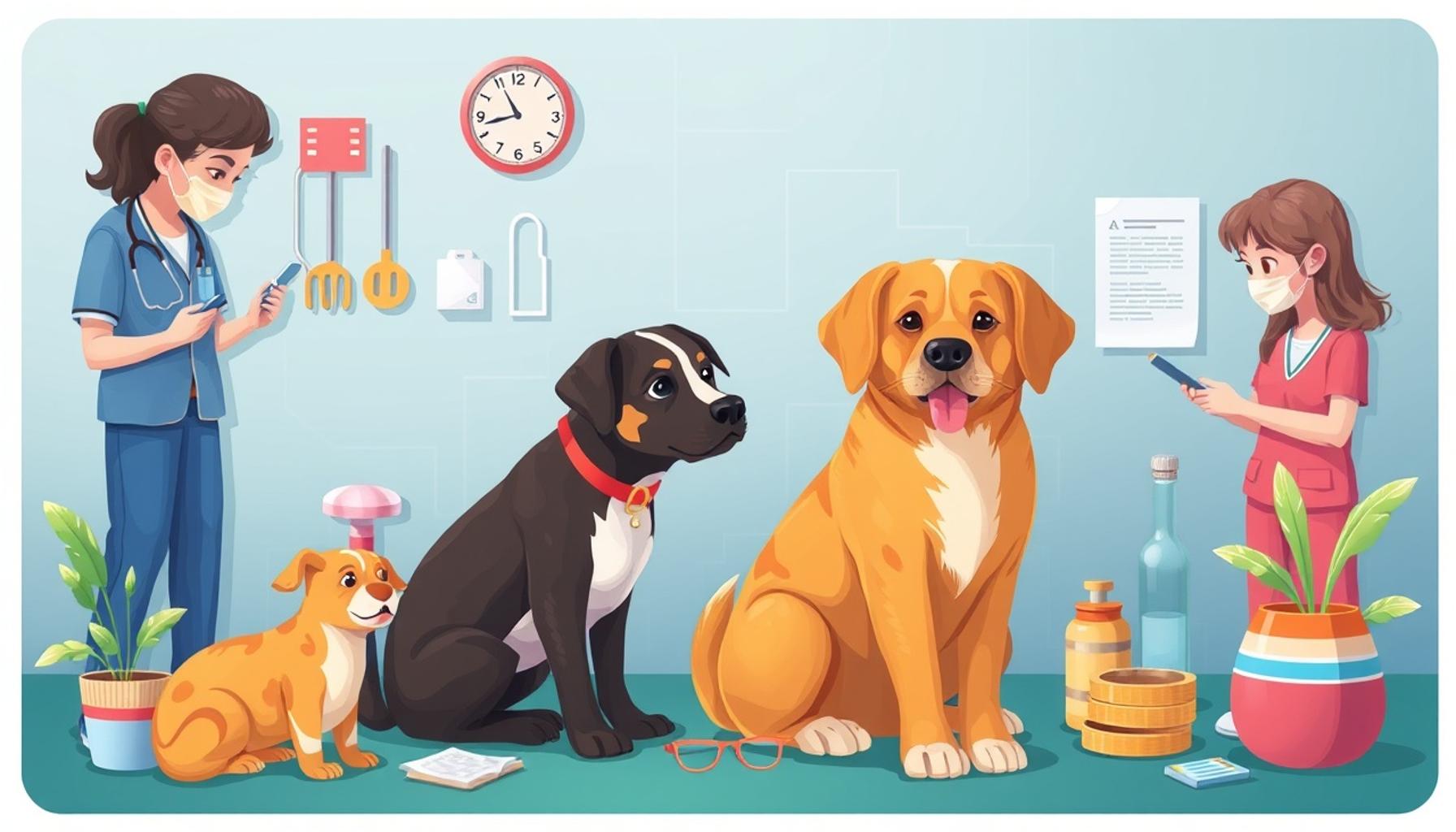
The Importance of Proactive Health Measures for Your Pet
Pets are not just companions; they are beloved members of our families whose health and well-being are paramount. Just as we prioritize our own healthcare routines, it’s essential to apply the same diligence to our furry friends. The focus on preventive care through vaccinations, routine examinations, and parasite prevention plays an integral role in ensuring their long-term health.
In the Philippines, however, many pet owners may underestimate the significance of preventive care. A shift in perspective is essential to safeguard and enhance their pet’s quality of life. Here are some crucial aspects to consider:
- Vaccines: Vaccinations are vital in protecting pets against debilitating diseases. For instance, rabies—a deadly viral infection—is preventable through routine vaccination, which is mandated by law in many areas. Common vaccines also cover illnesses such as parvovirus, which can cause severe gastrointestinal distress, and distemper, a virus that attacks the respiratory and nervous systems. Keeping your pet’s vaccine schedule up to date is crucial to shielding them from these potential threats, particularly given the rising cases of these diseases.
- Routine Exams: Regular veterinary check-ups form the backbone of preventive care. During these visits, veterinarians conduct thorough examinations to identify early signs of diseases such as diabetes, dental disease, or kidney abnormalities. Early detection often leads to more effective treatments and a better prognosis. For example, a simple blood test can uncover metabolic issues before your pet exhibits any symptoms, allowing for timely intervention.
- Parasite Prevention: Pets in the Philippines are often susceptible to parasites such as fleas, ticks, and intestinal worms due to the tropical climate. Regular screenings and preventive medications can keep these unwanted guests at bay. Fleas and ticks not only cause discomfort but can also transmit serious diseases like Lyme disease. Similarly, intestinal worms can lead to severe health issues, which can be easily prevented with the right medications.
Despite the clear benefits of preventive care, surveys indicate a concerning trend: only a small percentage of pets in urban areas are current on their vaccinations and wellness check-ups. This gap showcases a critical need for awareness and education among pet owners.
Investing in preventive care does more than simply ensure your pet’s health; it can significantly extend their lifespan and increase their quality of life. Staying informed about what your pet needs, including the timing of vaccines and the necessity of regular check-ups, can make a world of difference.
By adopting a proactive approach to your pet’s health, you not only safeguard against preventable diseases but also enrich the time you spend together. Join us in exploring the vital components of preventive care, and discover how these straightforward measures can lead to a happier, healthier life for your beloved pet.
Understanding Vaccinations: The First Line of Defense
Vaccinations are a cornerstone of preventive care, designed to protect pets from harmful diseases that can lead to severe health complications or even death. In the Philippines, where certain illnesses such as rabies remain prevalent, ensuring that pets are vaccinated according to veterinary recommendations is not just a responsible choice—it’s a necessity. Vaccines work by stimulating the immune system, allowing your pet’s body to recognize and fight off specific pathogens before they can cause illness.
Among the vaccines recommended for pets in the Philippines, several stand out due to the diseases they prevent:
- Rabies Vaccine: This vaccine is crucial, as rabies is a fatal disease transmissible to humans. In the Philippines, the law mandates getting your pet vaccinated against rabies, usually when they are around three months old, with boosters every one to three years thereafter.
- Canine Parvovirus: This virus can be deadly and is particularly troublesome among puppies. It’s essential to vaccinate puppies at six to eight weeks of age, followed by additional doses until they reach four months.
- Distemper Vaccine: Canine distemper affects the respiratory, gastrointestinal, and nervous systems. Vaccination is typically given in combination with other vaccines and is critical for young puppies.
Despite the availability of vaccines, many pet owners in urban areas of the Philippines are inadequately informed about their importance. A surprising number of pets remain unvaccinated or have inconsistent vaccination history, leaving them vulnerable to outbreaks of vaccine-preventable diseases. Public campaigns and education about the risks associated with delayed or missing vaccinations can foster greater compliance among pet owners, ensuring that families are not exposed to preventable illnesses.
The Role of Routine Examinations in Your Pet’s Wellness
While vaccines provide significant protection, routine examinations complement this by allowing for comprehensive monitoring of your pet’s health over time. Regular veterinary visits are essential as they facilitate early disease detection. A thorough examination can uncover potential health issues before they escalate. For instance, during a routine exam, a vet may assess your pet’s weight, dental health, and overall physical condition. Blood tests can also be conducted to check for signs of metabolic disorders that may not yet show symptoms.
Recommendations typically suggest a visit at least once a year for adults, while puppies and kittens may require more frequent visits as they grow. Consider the following benefits of routine examinations:
- Opportunity for preventive care: This is the ideal time to discuss vaccination schedules and any necessary preventive treatments for fleas, ticks, and heartworms.
- Observation of behavioral changes: Vets can help identify behavioral signals that might indicate underlying health issues, such as lethargy or changes in appetite.
- Customized health plans: Each pet is different, and a veterinarian can create tailored health and wellness plans that cater to the specific needs of your pet.
Engaging in preventive care is not merely about addressing health issues as they arise; it’s about creating a foundation for your pet’s lifelong health and happiness. Recognizing the importance of vaccines and routine exams will ensure that your beloved companion is protected from preventable diseases and receives the comprehensive care they deserve.
| Category | Description |
|---|---|
| Vaccinations | Vaccines protect pets from serious diseases, extending their longevity and quality of life. |
| Routine Health Exams | Regular examinations enable early detection of health issues, ensuring timely treatment and prevention of serious conditions. |
Preventive care through regular vaccines and routine exams is crucial in safeguarding your pets’ health. Vaccinations can significantly reduce the risk of diseases such as rabies, parvovirus, and distemper, ensuring that your furry friends live vibrant, healthy lives. Additionally, vaccines are not just a one-time event; they require consistent updates to maintain immunities.On the other hand, routine health exams serve as a fundamental aspect of preventive care. These check-ups allow veterinarians to monitor your pet’s overall condition, including weight, dental health, and nutrition. During these visits, professionals can also provide much-needed vaccinations, ensuring that pets remain protected from a variety of infectious diseases. The statistics are clear: pets that receive regular preventive care tend to have longer, healthier lives compared to those who do not. With the right preventive measures, you can save on potential future medical costs and give your pets the best chance at a long, active, and happy life.
Understanding the Importance of Early Detection
In the realm of preventive care, early detection is pivotal. The consistent pattern of health monitoring through routine examinations allows pet owners to catch potential issues before they evolve into serious medical problems. For instance, common conditions such as obesity, dental disease, or kidney problems often show no initial symptoms. A veterinarian’s trained eye can spot changes in body condition or behavioral responses that may indicate an underlying issue requiring attention.
Monitoring Lifestyle Changes
As pets age, their health needs fluctuate significantly. Pets often develop different conditions like arthritis, diabetes, and heart disease as they grow older. Routine exams provide an opportunity to engage in dialogue with your veterinarian regarding the changing health landscape of your pet.
Nutrition plays a crucial role in maintaining your pet’s health. For instance, many pet owners in the Philippines are unaware of how local dietary habits can affect their pets’ well-being. Discussing a suitable diet with your veterinarian can help mitigate the risks of obesity and related diseases. Regular check-ups often present a chance for vets to suggest dietary adjustments based on your pet’s age, size, and lifestyle, ensuring they maintain a healthy weight.
Behavioral Observations and Mental Health
Veterinarians are trained to recognize not just physical symptoms but also behavioral changes. A pet exhibiting signs of stress, aggression, or lethargy could be silently suffering from anxiety, pain, or even early signs of more severe health issues. Sometimes, pet owners attribute these behaviors to normal aging, but regular examinations can lead to actionable insights.
For example, if a dog suddenly becomes aggressive when approached or a cat withdraws from social interaction, these could signify conditions ranging from chronic pain to organ dysfunction. Early interventions, guided by your veterinarian’s expertise, can make a world of difference in your pet’s quality of life.
The Impact of Preventive Dental Care
Oral health is often overlooked in pet care, yet it plays a critical role in general health. Routine examinations usually include a thorough oral health check to assess for signs of dental disease. In the Philippines, where dry kibble diets are popular, pets may benefit from professional dental cleanings or veterinary-recommended dental treats that help combat plaque buildup.
Untreated dental issues can lead to severe consequences, including systemic infections that affect the heart, liver, and kidneys. Educating pet owners in urban areas about the importance of oral care can promote better health outcomes.
Utilizing Technology for Enhanced Monitoring
With the rise of technology, pet owners now have more tools at their disposal for tracking pet health. Smart collars that monitor activity levels and hydration are gaining popularity in the Philippines. These devices provide valuable information that can alert owners to concerning changes that warrant a vet visit. Early detection through such technology paired with routine exams sets the stage for effective interventions that lead to happier, healthier pets.
In summary, embracing preventive care through vaccinations and routine exams ensures that pet owners can manage their pets’ health actively. By combining early detection, behavioral analysis, dental health, and the embrace of technology, the cycle of responsible pet ownership fosters a healthier future for your furry friends.
Conclusion: The Path to a Healthier Pet
In the dynamic landscape of pet ownership, preventive care emerges as a cornerstone for ensuring the longevity and happiness of our furry companions. Regular vaccinations and routine exams are not mere formalities; they are vital practices that empower pet owners to monitor and maintain their pets’ well-being. These proactive measures facilitate early detection of health issues, allowing for timely intervention that can significantly enhance a pet’s quality of life.
The discussion surrounding nutrition and dental health also highlights an essential facet of preventive care. Understanding how local diets can impact our pets, coupled with professional guidance, can mitigate health risks that arise from poor dietary habits. Moreover, emphasizing the importance of oral hygiene not only aids in preventing dental diseases but also protects against potentially severe systemic infections.
As technology evolves, tools such as smart collars have become indispensable for health monitoring. By leveraging these innovations alongside traditional veterinary care, pet owners can gain deeper insights into their pets’ health, ensuring that any concerns can be promptly addressed. This holistic approach to pet care fosters a vibrant partnership between owners and veterinarians, ultimately leading to better health outcomes.
In conclusion, prioritizing preventive care through vaccinations and routine examinations is pivotal for the lifelong health of our pets. As responsible pet owners in the Philippines, embracing these practices not only enriches the lives of our beloved animals but also cultivates a profound bond that stands the test of time. It’s time to advocate for our pets’ health by making informed decisions about their care and well-being.

Linda Carter
Linda Carter is a writer and pet care expert specializing in pet health, grooming, and wellness. With extensive experience helping pet owners create safe, loving, and enriching environments for their animals, Linda shares her knowledge on our platform. Her goal is to empower readers with practical advice and strategies to ensure their pets thrive and lead joyful, healthy lives.