Seasonal Eating: Embracing Local Produce for Nutritional Benefits
Why Timing Your Plate to Nature’s Calendar Matters
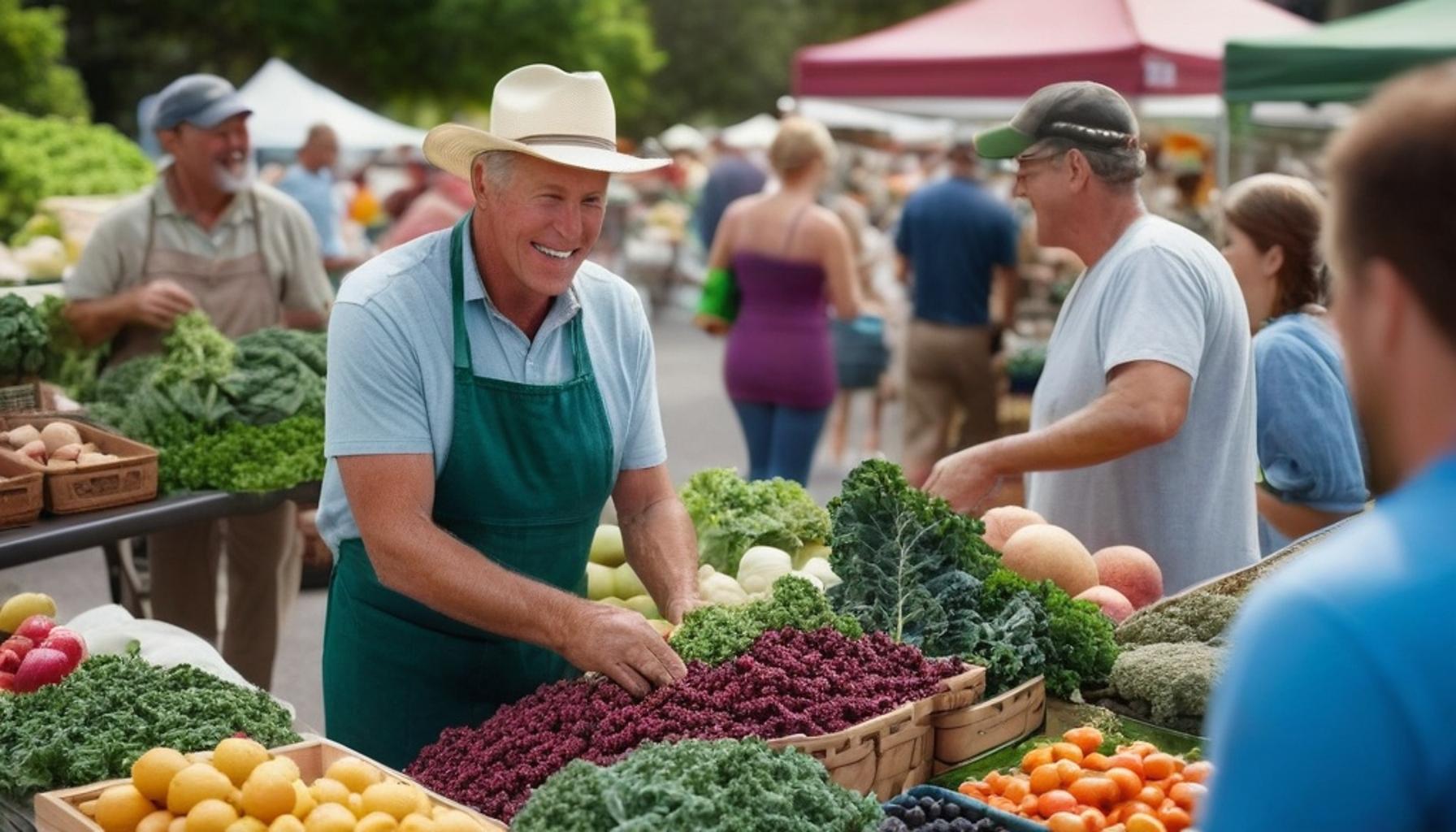
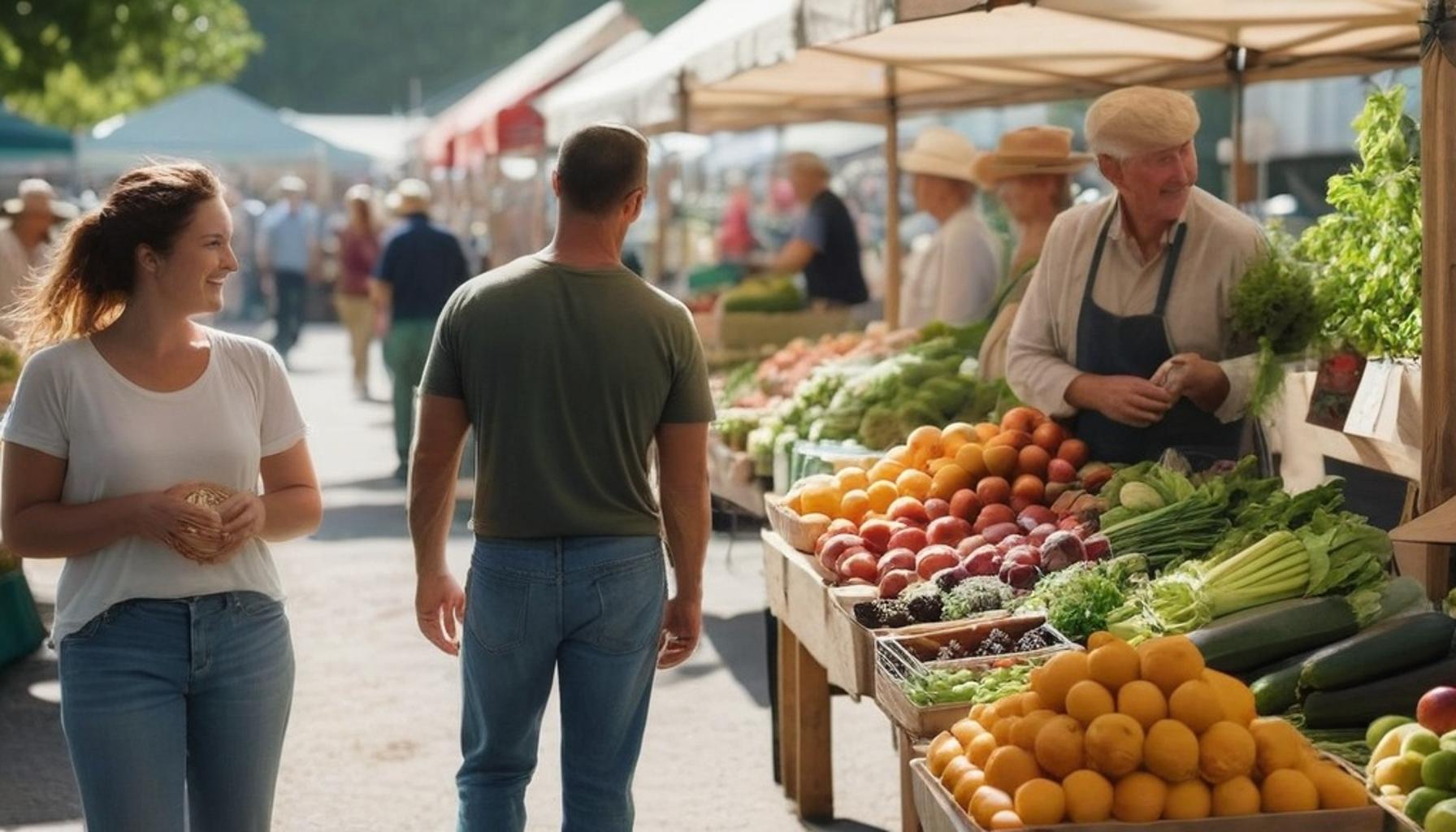
Walk into any farmers market across the United States in July, and you’ll notice something striking: tomatoes practically bursting with flavor, corn so sweet it needs no butter. This is seasonal eating in action, and it’s reshaping how Americans think about nutrition.
The concept isn’t new, but it’s experiencing a revival. Chefs, dietitians, and everyday home cooks are rediscovering the nutritional benefits of seasonal food that industrial agriculture had pushed to the sidelines. From Portland’s bustling farmers markets to roadside stands in Vermont, a quiet shift is happening—one that questions why we ever accepted flavorless, out-of-season produce as normal in the first place.
The Hidden Cost of Year-Round Produce
Ever wonder why a winter strawberry tastes like watery disappointment? Produce picked before peak ripeness and shipped thousands of miles loses significant nutritional value along the way. That strawberry in your grocery cart in January may have traveled from Chile or Mexico, sitting in refrigerated trucks and warehouses long before it reaches your kitchen.
- Studies show some vegetables lose up to 50% of certain vitamins within days of harvest
- Long-distance transport can take a week or more, further degrading nutrients
- Cold storage extends shelf life but sacrifices flavor compounds and antioxidants
- Spinach, for example, can lose significant folate content within just a few days of being picked
This is where local produce benefits become impossible to ignore. When food travels less, it retains more of its original nutritional punch—and frankly, it just tastes better.
What Eating With the Seasons Actually Looks Like
Picture a Midwest autumn table: butternut squash, apples, and kale replacing summer’s zucchini and berries. This natural rotation isn’t restrictive—it’s strategic. Nature, it turns out, has a way of providing exactly what our bodies crave during specific times of year.
- Spring: asparagus, peas, and strawberries packed with vitamin C
- Summer: tomatoes, corn, and stone fruits rich in antioxidants
- Fall: squash, sweet potatoes, and cranberries loaded with beta-carotene
- Winter: citrus, root vegetables, and hearty greens
Embracing seasonal fruits and vegetables also connects directly to a broader movement: farm-to-table eating. Restaurants from Brooklyn to Austin have built entire menus around this philosophy, sourcing ingredients within a hundred-mile radius and changing their offerings monthly based on what’s actually thriving in nearby fields. Together, these practices are proving that what’s good for your health often aligns with what’s good for local farms and the planet—a connection worth paying attention to at your next grocery run.
SEE ALSO: The Impact of Plant-Based Diets on Long-Term Health and Wellness
The Science Behind Nutrient Density in Seasonal Foods
Here’s something most shoppers never consider: the nutritional value of produce isn’t fixed—it’s a moving target that starts declining the moment fruits and vegetables are harvested. This reality sits at the heart of why seasonal eating matters so much more than most nutrition labels reveal.
Researchers at the University of California, Davis, have tracked nutrient degradation in fresh produce for decades. Their findings are eye-opening: broccoli can lose up to 25% of its vitamin C within a week of storage, even under refrigeration. Multiply that across the supply chain—harvest, transport, warehouse, grocery shelf, home fridge—and you start to understand why that “fresh” produce aisle isn’t quite what it seems.
Peak Ripeness Versus Early Harvest
Commercial agriculture operates on a different timeline than nature intended. Produce destined for cross-country shipping gets picked before it’s fully ripe, allowing it to survive the journey without spoiling. The problem? Many fruits and vegetables continue developing nutrients right up until peak ripeness.
- Tomatoes picked green and gassed with ethylene to “ripen” during transport never develop the same lycopene levels as vine-ripened fruit
- Peaches harvested early lack the full sugar and antioxidant development found in tree-ripened counterparts
- Bell peppers gain significant vitamin C content in their final days of ripening on the plant
- Berries stop producing antioxidants entirely once removed from the plant
This is precisely why local produce benefits extend beyond convenience or supporting small farms. When a Georgia peach farmer sells directly at a Saturday market, that fruit likely hung on the branch until days—not weeks—before reaching your bag. Compare that to supermarket peaches, which may have traveled from Chile or California, spending anywhere from ten days to three weeks in transit and cold storage before landing in a produce bin.
Food scientists refer to this gap as the “ripening deficit,” and it’s more significant than most consumers realize. A 2019 study published in the Journal of Agricultural and Food Chemistry found that produce harvested at peak ripeness contained, on average, 40% more polyphenols—compounds linked to reduced inflammation and lower disease risk—than produce picked early for shipping durability.
A Closer Look at the Numbers
Consider corn, a Midwest summer staple. Sweet corn begins converting sugars to starch within hours of being picked, which explains why corn from a local stand tastes dramatically different from supermarket varieties that traveled from California or Florida. Farmers in Iowa and Nebraska often say the clock starts the second an ear leaves the stalk, and chefs across the country echo that sentiment when praising farmers market finds.
The nutritional benefits of seasonal food become even clearer when comparing vitamin retention rates. Green beans stored for a week lose roughly 15-20% of their vitamin C content. Leafy greens like spinach and kale fare worse, sometimes shedding significant folate within just three to five days of harvest. Even hardy vegetables like carrots and potatoes, often assumed to be nutritionally stable, show measurable declines in antioxidant activity after two weeks of storage.
These aren’t abstract statistics—they translate directly into what ends up on your fork. A tomato that ripened on a New Jersey vine and reached your table within 48 hours simply delivers more nutritional firepower than one that spent ten days in transit. For anyone serious about maximizing nutrition, understanding this timeline changes how they shop, cook, and think about what “fresh” actually means. It also raises a broader question worth investigating further: how much nutritional value are Americans unknowingly losing every time they reach for out-of-season produce shipped thousands of miles?
Seasonal Eating: Embracing Local Produce for Nutritional Benefits
Understanding how seasonal eating impacts your plate starts with recognizing the key aspects that make it a nutritional powerhouse. The table below breaks down these elements, highlighting why eating with the seasons deserves a permanent spot in your kitchen routine.
| Category | Key Insight |
|---|---|
| Nutrient Density | Produce harvested at peak season delivers up to 50% more vitamins than off-season imports. |
| Farm-to-Table Eating | Shorter supply chains mean produce reaches you within 24-48 hours of harvest. |
| Cost Efficiency | Seasonal fruits and vegetables often cost 30% less due to abundant local supply. |
| Flavor Profile | Sugar and antioxidant levels peak naturally, enhancing taste without additives. |
| Environmental Impact | Reduced transportation lowers carbon footprint, reinforcing local produce benefits for sustainability. |
YOU MAY ALSO LIKE: The Impact of Hydration on Nutritional Choices and Overall Health
How Regional Growing Seasons Shape Your Plate
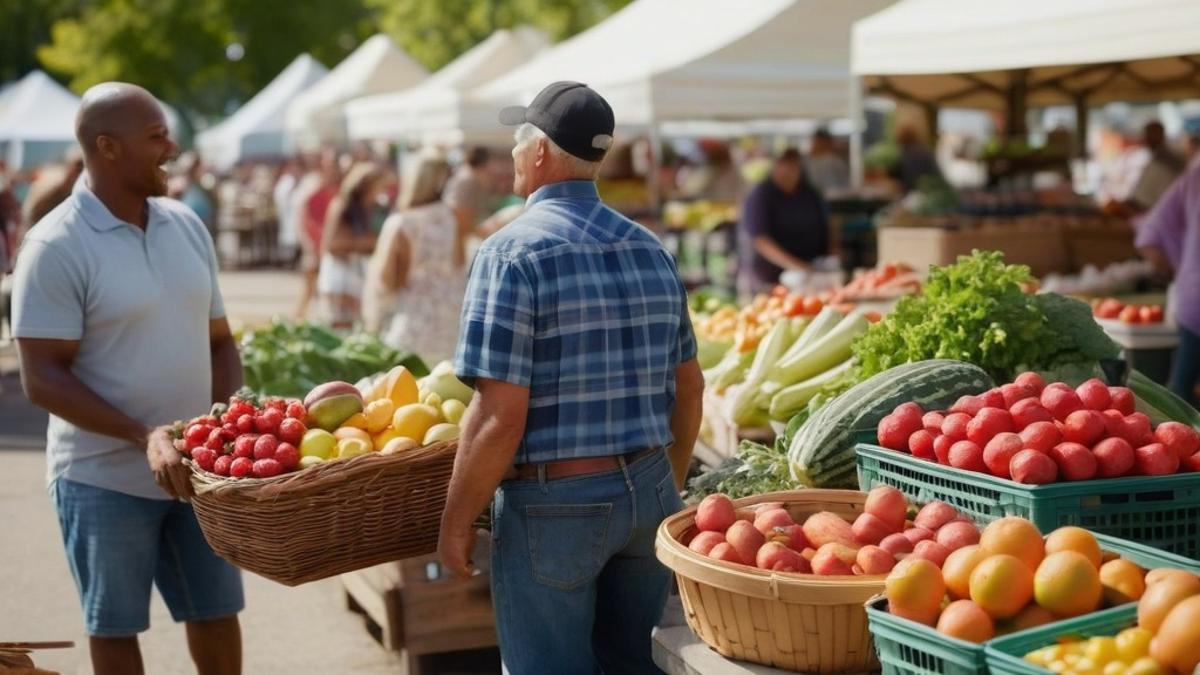
Step into any farmers market across the United States in July, and you’ll notice something a grocery chain can’t replicate: the produce changes with geography. What’s piled high in a Vermont market looks nothing like what’s overflowing in an Arizona stand, and that regional variation is precisely the point of eating with the seasons.
The USDA divides the country into distinct plant hardiness zones, and these zones dictate far more than gardening schedules. They determine when specific seasonal fruits and vegetables reach peak nutritional density in your particular region. A Minnesota winter squash harvest looks entirely different from a Florida citrus season, yet both represent the same underlying principle of eating what thrives locally, right now.
Mapping Nutrition Against the Calendar
Nutrition researchers at Cornell University have documented how regional harvest timing affects nutrient availability nationwide. Their data suggests that consumers who align their produce choices with regional growing calendars consume, on average, a wider variety of micronutrients than those who buy the same handful of “convenient” vegetables year-round.
- Pacific Northwest berries peak in nutrient concentration during June and July, when anthocyanin levels reach their highest measured points
- Southern collard greens and sweet potatoes hit peak antioxidant activity in the cooler months of October through December
- Midwest sweet corn and heirloom tomatoes reach maximum sugar and lycopene content during the brief window of August
- Southwestern chilies and squash develop concentrated capsaicin and beta-carotene levels during the intense late-summer heat
This regional patchwork explains why farm-to-table eating has become more than a restaurant marketing term—it reflects a genuine nutritional strategy. Chefs in cities like Portland, Austin, and Charleston have built entire menus around what’s harvested within a 100-mile radius that week, and the practice is spreading into home kitchens through community-supported agriculture programs.
The Cost of Ignoring the Calendar
When shoppers bypass regional seasonality, they often unknowingly settle for greenhouse-grown or imported substitutes with measurably different nutrient profiles. A greenhouse tomato grown in January, for instance, typically shows lower levels of vitamin C and lycopene compared to a field-grown tomato harvested during its natural summer window, according to comparative studies published by horticultural researchers at Michigan State University.
Data from the USDA’s Agricultural Marketing Service also shows that produce prices tend to drop 20% to 40% during peak regional harvest windows, meaning seasonal eating often rewards shoppers financially as well as nutritionally. That Georgia farmer isn’t just delivering a fresher peach—that peach usually costs less than its out-of-season, well-traveled counterpart.
Understanding your specific region’s harvest calendar transforms grocery shopping from a routine chore into an informed nutritional decision, one that changes month to month and keeps both your plate and your palate considerably more interesting.
LEARN MORE: Click here for insights on healthy eating and stress relief
Bringing Seasonal Eating Into Everyday Life
Nutrition, geography, and economics all point toward the same conclusion: seasonal eating isn’t a fleeting food trend, it’s a practical strategy grounded in measurable data. From the antioxidant peaks in Pacific Northwest berries to the price drops tracked by the USDA during regional harvests, the evidence keeps circling back to one idea—timing matters as much as choice.
The nutritional benefits of seasonal food extend beyond vitamin counts on a lab report. Eating produce at its peak means better flavor, lower cost, and a smaller footprint between farm and fork. It also means reconnecting with a rhythm that industrial food distribution has spent decades erasing.
Small Shifts, Lasting Impact
Adopting eating with the seasons doesn’t require an overnight overhaul. A few manageable steps make the transition realistic for busy households:
- Visit a regional farmers market once a month to learn what’s actually in season nearby
- Join a community-supported agriculture program to receive seasonal fruits and vegetables automatically
- Swap one greenhouse-grown staple, like winter tomatoes, for a regional alternative already at its peak
- Check state agricultural extension calendars, many of which list harvest windows by county
These small adjustments compound. Over a year, they can mean noticeably more nutrient variety, plus real grocery savings during peak harvest windows.
The larger takeaway is this: local produce benefits aren’t confined to farmers markets or upscale restaurants practicing farm-to-table eating. They’re available to anyone willing to pay attention to what their region grows and when. As more research emerges from institutions like Cornell and Michigan State, the case for aligning diet with regional harvest calendars only grows stronger, and considerably more interesting to explore.
Frequently Asked Questions
What exactly does seasonal eating mean?
Seasonal eating means choosing fruits and vegetables at their natural peak harvest time in your region, rather than relying on produce shipped from distant climates year-round. In the United States, this shifts throughout the year, such as berries and tomatoes in summer or squash and root vegetables in fall. Eating this way typically means fresher, more flavorful food that hasn’t spent weeks in cold storage or transit.
Does seasonal produce actually have more nutrients than off-season produce?
Yes, produce picked at peak ripeness and eaten soon after tends to retain more vitamins like vitamin C and certain antioxidants, which can degrade during long storage or transport. Off-season fruits and vegetables are often harvested early and shipped long distances, giving them more time to lose nutritional value before reaching your plate. Studies show nutrient loss can be significant, sometimes 15-55% for certain vitamins, the longer produce sits after harvest.
How can I find out what produce is in season near me in the US?
Check resources like the USDA’s seasonal produce guides, state agriculture department websites, or apps like Seasonal Food Guide that let you search by state and month. Visiting local farmers markets is also a reliable way to see firsthand what’s currently being harvested in your area. Many grocery stores now label produce with its growing region, which can help you spot in-season options too.
Is seasonal eating more affordable than buying produce year-round?
Generally yes, because seasonal produce is more abundant when it’s in peak harvest, supply increases and prices drop compared to importing the same item during its off-season. For example, buying local strawberries in June will typically cost less than buying imported strawberries in December. Shopping at farmers markets or joining a CSA (Community Supported Agriculture) program can further reduce costs while supporting local farms.
What are some easy ways to start eating seasonally if I’m used to buying whatever I want?
Start small by picking one or two in-season items each grocery trip and building meals around them, like a summer tomato salad or a fall roasted root vegetable dish. Visiting a local farmers market once a week can also naturally guide your choices since you’ll only see what’s currently harvested. Freezing or preserving seasonal produce at its peak lets you enjoy those nutritional benefits even outside the harvest window.
Does eating seasonally really make a difference for the environment, or is that overstated?
Seasonal eating genuinely reduces environmental impact because in-season local produce requires less long-distance transportation, refrigeration, and energy-intensive greenhouse growing than off-season imports. Buying from local farms also cuts down on packaging and supports farming practices with a smaller carbon footprint compared to industrial-scale international shipping. While it’s not a complete solution to climate concerns, it’s a meaningful step that also happens to benefit your health and wallet.

Linda Carter
Linda Carter is a writer specializing in healthy habits and balanced living. With extensive experience helping readers build sustainable routines, she shares practical guidance on nutrition, physical activity, quality sleep, stress management, and emotional well-being. Her goal is to offer simple, accessible strategies that inspire people to care for their health and enjoy a more balanced life.