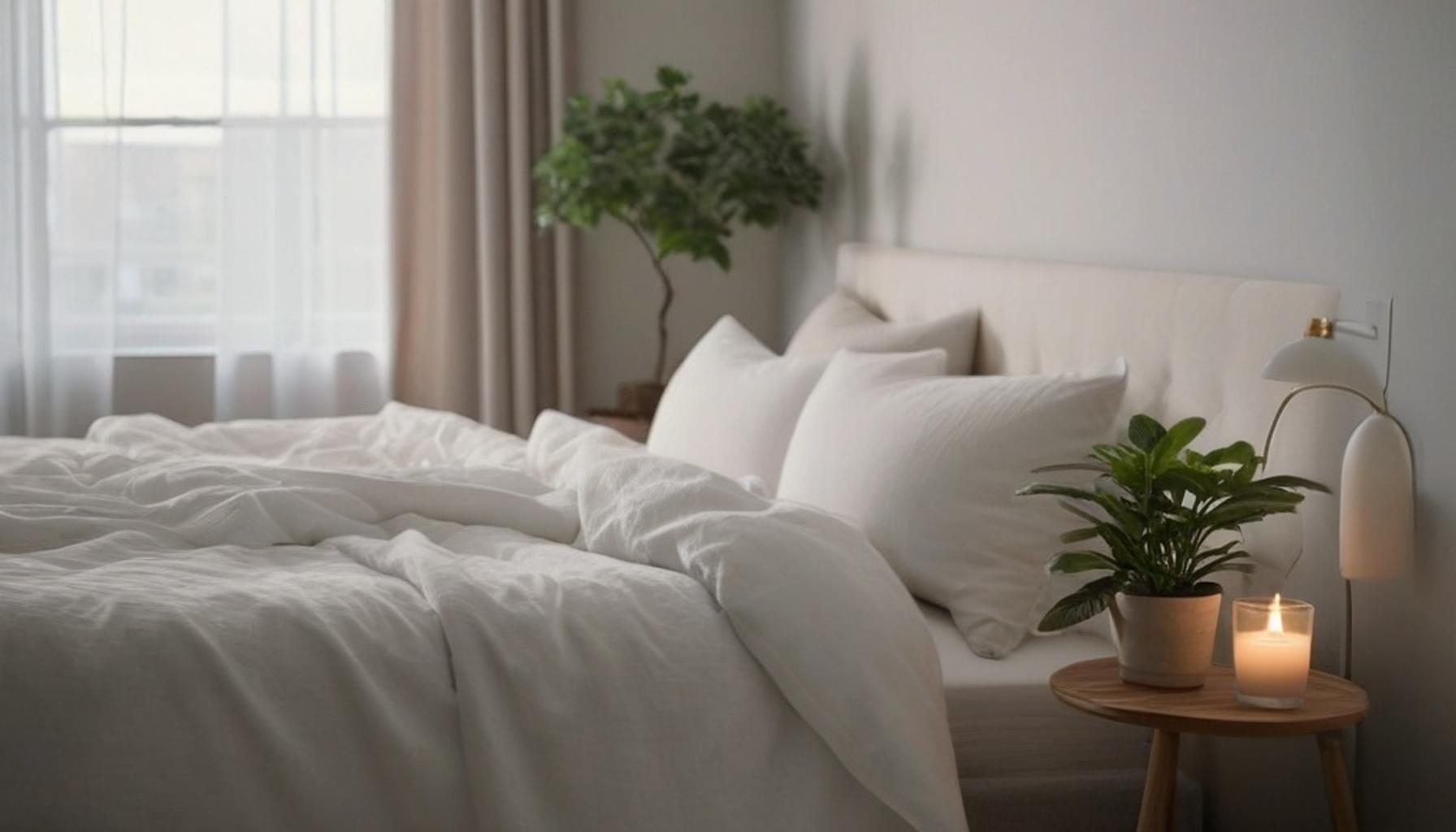
The importance of sleep hygiene for a balanced life

Why Your Nightly Routine Deserves a Second Look
Nearly 1 in 3 American adults fail to get the recommended seven hours of sleep each night, according to the CDC. That statistic alone reveals why understanding sleep hygiene importance has become essential for anyone chasing a balanced, productive life. Consider the ripple effect: missed sleep doesn’t just leave you groggy at your morning coffee run, it quietly chips away at decision-making, immune function, and even long-term cardiovascular health.
Sleep hygiene isn’t just about how many hours you spend in bed. It’s a collection of habits and environmental factors that determine whether your rest actually restores you. Think about the difference between lying in bed for eight hours while checking your phone every twenty minutes versus falling into a deep, uninterrupted sleep cycle for the same duration. The hours look identical on paper, but the outcomes couldn’t be more different.
What This Article Covers
- The real benefits of sleep hygiene on energy, focus, and mood
- How sleep hygiene and mental health are deeply connected
- Practical sleep hygiene tips you can start using tonight
- The surprising effects of poor sleep hygiene on daily performance
- Step-by-step guidance on how to improve sleep hygiene naturally
From late-night scrolling to inconsistent bedtimes, small habits quietly sabotage sleep quality for millions of Americans. Picture the average worker in Chicago or Austin, wrapping up emails at midnight, then wondering why they can’t drift off despite feeling exhausted. That disconnect between physical tiredness and mental restlessness is one of the most common complaints sleep specialists hear across the country.
Yet the fix often requires less effort than most people assume. Simple adjustments, like dimming lights an hour before bed or setting a consistent wake-up time even on weekends, can produce noticeable results within days rather than weeks. Researchers at institutions like the National Sleep Foundation have repeatedly found that behavioral consistency often outperforms expensive gadgets or supplements when it comes to long-term sleep improvement.
This guide breaks down the science, the myths, and the small changes that make the biggest difference. We’ll explore why your bedroom temperature matters more than you think, how caffeine timing affects sleep architecture, and why weekend “catch-up” sleep might be doing more harm than good. By the end, you’ll see exactly why sleep hygiene deserves a permanent spot in your wellness routine, right alongside diet and exercise as a pillar of everyday health.
CHECK OUT: The influence of sleep routine on mental and emotional health
# The Science Behind Sleep Hygiene Importance
Walk into any pharmacy in the United States and you’ll find entire aisles dedicated to sleep aids, from melatonin gummies to weighted blankets. Americans spent over $30 million on sleep-related products in recent years, yet insomnia rates keep climbing. This paradox points to a deeper truth: supplements can’t fix what poor habits break.
Understanding sleep hygiene importance starts with recognizing that sleep isn’t a passive state. It’s an active biological process where your brain cycles through distinct stages, each responsible for different repair functions. Deep sleep restores muscle tissue and strengthens immune defenses. REM sleep consolidates memories and regulates emotional processing. Disrupt either stage repeatedly, and the consequences compound quickly.
How Poor Habits Translate Into Real Consequences
The effects of poor sleep hygiene extend far beyond feeling tired. A landmark study from Harvard Medical School found that adults who consistently slept fewer than six hours per night showed measurable declines in cognitive performance comparable to being mildly intoxicated. That’s a sobering comparison for anyone driving to work or making financial decisions on minimal rest.
Beyond cognitive fog, chronic sleep disruption has been linked to:
- Increased risk of type 2 diabetes due to impaired glucose regulation
- Weakened immune response, leading to more frequent colds and infections
- Elevated blood pressure and higher rates of cardiovascular disease
- Weight gain, driven by hormonal imbalances in ghrelin and leptin
- Reduced workplace productivity, costing the U.S. economy an estimated $411 billion annually according to RAND Corporation research
These aren’t rare edge cases. They represent the lived experience of millions of Americans juggling demanding careers, family obligations, and screens that never seem to power down.
Consider the average commuter in a major metro area like Atlanta or Los Angeles, spending upward of an hour behind the wheel each way. Now factor in a body running on five hours of broken sleep. The math becomes alarming when you realize drowsy driving contributes to thousands of crashes every year, according to the National Highway Traffic Safety Administration. Sleep debt isn’t an abstract inconvenience; it shows up in traffic reports, hospital admissions, and missed deadlines.
The Mental Health Connection Nobody Talks About Enough
Perhaps the most underappreciated link involves sleep hygiene and mental health. Sleep deprivation doesn’t just follow anxiety and depression, it often precedes and intensifies them. A 2023 study published in JAMA Psychiatry found that individuals with irregular sleep patterns had a 27% higher likelihood of developing mood disorders within two years.
This creates a frustrating cycle. Stress disrupts sleep, poor sleep amplifies stress hormones like cortisol, and elevated cortisol makes falling asleep even harder the next night. Breaking that loop requires more than willpower, it requires understanding which specific habits are fueling the disruption in the first place.
Take late-night scrolling, a habit practically woven into modern American life. The blue light emitted from phones and tablets suppresses melatonin production, tricking the brain into thinking it’s still daytime. Combine that with the emotional stimulation of social media feeds, news alerts, or work emails arriving at 11 p.m., and the nervous system stays activated precisely when it should be winding down.
Caffeine consumption patterns compound the issue further. That afternoon coffee run, so ingrained in office culture from coast to coast, can linger in the bloodstream for six hours or more. For many people, a 3 p.m. latte translates directly into difficulty falling asleep at midnight, even if they don’t consciously connect the two events.
Inconsistent sleep schedules, perhaps the most overlooked culprit, disrupt the body’s circadian rhythm in ways that even a full eight hours can’t fully offset. Going to bed at 10 p.m. on weekdays and 2 a.m. on weekends confuses the internal clock, forcing it to reset repeatedly rather than settle into a stable rhythm.
Researchers increasingly argue that addressing these behavioral patterns, rather than reaching for another supplement, offers the most sustainable path toward genuine rest. The evidence suggests something worth investigating further: the solution may already exist within daily routines, waiting to be adjusted rather than purchased.
SEE ALSO: The relationship between sleep quality and productivity at work
The Hidden Architecture of a Good Night’s Rest
If poor habits create the problem, targeted changes create the solution. Understanding how to improve sleep hygiene means looking at both environment and behavior, since neither factor works in isolation. A pitch-black room won’t help much if someone’s mind is racing from an unresolved argument or a stimulant consumed hours earlier. Sleep, it turns out, is less a switch that flips and more an ecosystem that needs multiple conditions aligned simultaneously.
Temperature plays a surprisingly large role in this equation. Sleep researchers at the National Sleep Foundation recommend keeping bedrooms between 60 and 67 degrees Fahrenheit for optimal rest. This might explain why so many Americans in humid regions like Houston or Miami struggle with restless nights during summer months when air conditioning can’t quite keep pace with outdoor heat. Even a few degrees above that range can delay the body’s natural drop in core temperature, a physiological cue that normally signals it’s time to drift off.
Noise and light pollution compound the issue further. Urban dwellers in cities like New York or Chicago often contend with street noise, flashing signage, or neighbors’ schedules that clash with their own. White noise machines, blackout curtains, and even simple earplugs have become quiet staples in households trying to reclaim uninterrupted rest.
Practical Sleep Hygiene Tips That Fit Real Schedules
Consistency ranks as the single most effective strategy among sleep hygiene tips, yet it’s often the hardest to implement. The body’s circadian rhythm thrives on predictability, responding best when sleep and wake times remain fixed within a 30-minute window, even on weekends. Weekend sleep-ins, while tempting, can actually create a mini form of jet lag that makes Monday mornings feel worse than they should.
Beyond scheduling, several evidence-backed adjustments make a measurable difference:
- Dimming household lights at least an hour before bedtime to encourage natural melatonin release
- Reserving the bedroom exclusively for sleep, removing televisions and work materials that signal wakefulness
- Limiting caffeine intake after 2 p.m., particularly for those sensitive to its six-hour half-life
- Incorporating light physical activity earlier in the day, since morning or afternoon exercise improves sleep onset far more than evening workouts
- Establishing a wind-down ritual, whether that’s reading, stretching, or journaling, to signal the nervous system that rest is approaching
- Keeping phones and tablets outside arm’s reach, since blue light exposure can suppress melatonin production even at low brightness settings
None of these require expensive equipment or specialized products. They rely entirely on consistency, which is precisely why so many people overlook them in favor of quicker fixes like sleep aids or supplements that address symptoms rather than root causes.
What the Data Reveals About Long-Term Payoff
The benefits of sleep hygiene extend well beyond simply feeling rested. A 2022 analysis from the Sleep Research Society tracked participants who adopted structured sleep routines for eight weeks and found a 19% improvement in memory retention tests compared to a control group with irregular habits. Cognitive gains like these suggest that sleep isn’t just recovery time, it’s active brain maintenance.
Workplace performance metrics tell a similar story. Employees who reported consistent, quality sleep were significantly less likely to experience burnout symptoms, according to survey data from the American Psychological Association. This finding carries particular weight for shift workers, a group representing roughly 16% of the U.S. workforce, who often face circadian disruption as an occupational hazard rather than a lifestyle choice. Hospitals, factories, and logistics companies have started experimenting with rotating schedules designed to minimize this toll, though results remain mixed.
Nutrition intersects with this picture more than most people realize. Heavy meals close to bedtime force the digestive system into overdrive precisely when the body should be lowering its core temperature to initiate sleep. Nutritionists frequently point to lighter evening meals, finished at least two to three hours before lying down, as a simple yet underused adjustment.
Alcohol deserves particular attention here, since many Americans mistakenly view it as a sleep aid. While it may accelerate the onset of drowsiness, alcohol fragments sleep architecture later in the night, reducing REM cycles and often triggering early morning waking. The perceived benefit rarely outweighs the disruption that follows a few hours later, leaving many people groggy despite technically logging eight hours in bed.
SEE ALSO: Foods and drinks that affect sleep quality
Rethinking Rest as a Daily Investment
The sleep hygiene importance conversation ultimately circles back to a simple truth: rest is not a passive byproduct of a well-lived day but an active ingredient in creating one. From bedroom temperature to blue light exposure, every detail examined throughout this discussion points toward the same conclusion. Small, consistent choices compound into measurable outcomes, whether that’s sharper memory, steadier mood, or fewer sick days.
The effects of poor sleep hygiene rarely announce themselves dramatically. Instead, they accumulate quietly, showing up as brain fog during a work presentation or irritability during a family dinner. Recognizing this slow erosion is often the first step toward reversing it.
Equally important is the growing recognition of sleep hygiene and mental health as deeply intertwined systems. Anxiety and disrupted sleep frequently feed each other in a cycle that’s difficult to break without addressing both simultaneously. This is why clinicians increasingly treat sleep habits as a frontline intervention rather than an afterthought in mental health care.
What makes this topic worth continued attention is how accessible the solutions truly are. Unlike many health interventions requiring costly equipment or specialized care, improving sleep largely depends on habits anyone can adjust starting tonight. A cooler room, a consistent wake time, a lighter dinner, these are not luxuries reserved for those with unlimited time or resources.
Americans juggling demanding careers, family obligations, and digital distractions may find perfect sleep hygiene unrealistic every single night. But progress, not perfection, is where the real payoff lives. Even partial adherence to these principles tends to yield noticeable improvements within weeks.
As research continues to uncover new connections between sleep quality and long-term health, one thing remains clear: prioritizing rest is not indulgence, it’s maintenance for a balanced, functional life.
Frequently Asked Questions
What exactly is sleep hygiene and why does it matter for a balanced life?
Sleep hygiene refers to the habits and environmental factors that influence the quality and consistency of your sleep, such as bedtime routines, light exposure, and screen use. Good sleep hygiene helps regulate your body’s internal clock, which supports better mood, energy, and focus throughout the day. Without it, stress, productivity, and overall well-being can suffer, making it a foundation for a balanced lifestyle.
How many hours of sleep do adults actually need to maintain good sleep hygiene?
Most adults need between 7 and 9 hours of quality sleep each night to support cognitive function, emotional regulation, and physical health. Consistently getting less than this can disrupt hormone levels and increase the risk of chronic conditions like heart disease and diabetes. Sticking to a regular sleep schedule, even on weekends, is key to reinforcing healthy sleep hygiene.
Can poor sleep hygiene affect mental health and daily productivity?
Yes, poor sleep hygiene is strongly linked to increased anxiety, irritability, and difficulty concentrating during the day. Over time, chronic sleep deprivation can contribute to more serious mental health issues like depression and burnout. Improving sleep habits, such as limiting caffeine and screen time before bed, can significantly boost both mental clarity and daily performance.
What are some simple sleep hygiene practices I can start tonight?
Start by setting a consistent bedtime and wake-up time, even on weekends, to train your body’s internal clock. Avoid screens and bright lights at least 30 minutes before bed, and keep your bedroom cool, dark, and quiet for optimal rest. Limiting caffeine intake in the afternoon and creating a relaxing wind-down routine, like reading or light stretching, can also make a noticeable difference.

Linda Carter
Linda Carter is a writer specializing in healthy habits and balanced living. With extensive experience helping readers build sustainable routines, she shares practical guidance on nutrition, physical activity, quality sleep, stress management, and emotional well-being. Her goal is to offer simple, accessible strategies that inspire people to care for their health and enjoy a more balanced life.