Sustainable Crafting: How to Create Unique Pieces Using Recycled Materials
The Allure of Creative Sustainability
In recent years, there has been a significant shift in how people perceive waste and creativity, paving the way for an exciting avenue: crafting with recycled materials. This burgeoning trend stems from a universal desire to cultivate an eco-friendly lifestyle while simultaneously expressing artistic flair. By taking items that would otherwise end up in landfills, individuals have the unique opportunity to transform them into stunning, functional art pieces.
Exploring the realm of recycled materials not only encourages imaginative thinking but also invites individuals to engage with their surroundings in a more meaningful way. Let us dive into a few innovative projects to ignite your passion for sustainable crafting:
- Upcycled furniture: Breath new life into old chairs or tables by refurbishing them with vibrant paints and stylish fabrics. Pinterest is teeming with DIY ideas, showcasing how a simple coat of chalk paint or new upholstery can redefine a vintage piece. It’s a great way to express your personality while saving money on new furniture.
- Jewelry from plastic: The trend of creating jewelry from discarded plastic bottles and containers is rapidly gaining traction. Not only do these pieces serve as eye-catching accessories, but they also make a bold statement on the importance of minimizing plastic waste. Artisans are using techniques such as melting and molding plastics to create intricate designs—an excellent way to promote sustainability while keeping up with fashion.
- Paper projects: Scrap paper holds untapped potential; consider turning it into exquisite cards or vibrant collages. Techniques like paper mache or origami allow for endless creativity. What’s more, local craft stores often host workshops where individuals can learn the art of paper crafting, fostering community engagement in sustainable practices.
The impact of sustainable crafting reaches far beyond personal gains. By adopting these practices, individuals contribute to reducing landfill waste, all while cultivating a stronger sense of community. These created items can be displayed or gifted, serving as conversation starters about the necessity of sustainability. Moreover, showcasing creativity reinvigorates the collective dialogue on consumption habits and environmental responsibility.
As awareness of environmental challenges grows, crafting with recycled materials becomes a welcoming avenue for transformative change. This movement invites everyone to explore their creativity within the framework of sustainability—encouraging you to create items that are not only unique but also environmentally friendly. Seize the opportunity to craft, connect, and inspire a more sustainable future!
Understanding the Value of Recycled Materials
The quest for sustainable crafting is not just a trend; it’s a compelling way to engage creatively with our surroundings while being mindful of ecological impacts. Central to this endeavor is the idea of upcycling, which involves transforming items typically seen as waste into something valuable and new. This practice allows for a profound exploration of creativity, where basic materials like glass jars, fabric scraps, cardboard, and metal cans can serve as catalysts for artistic expression.
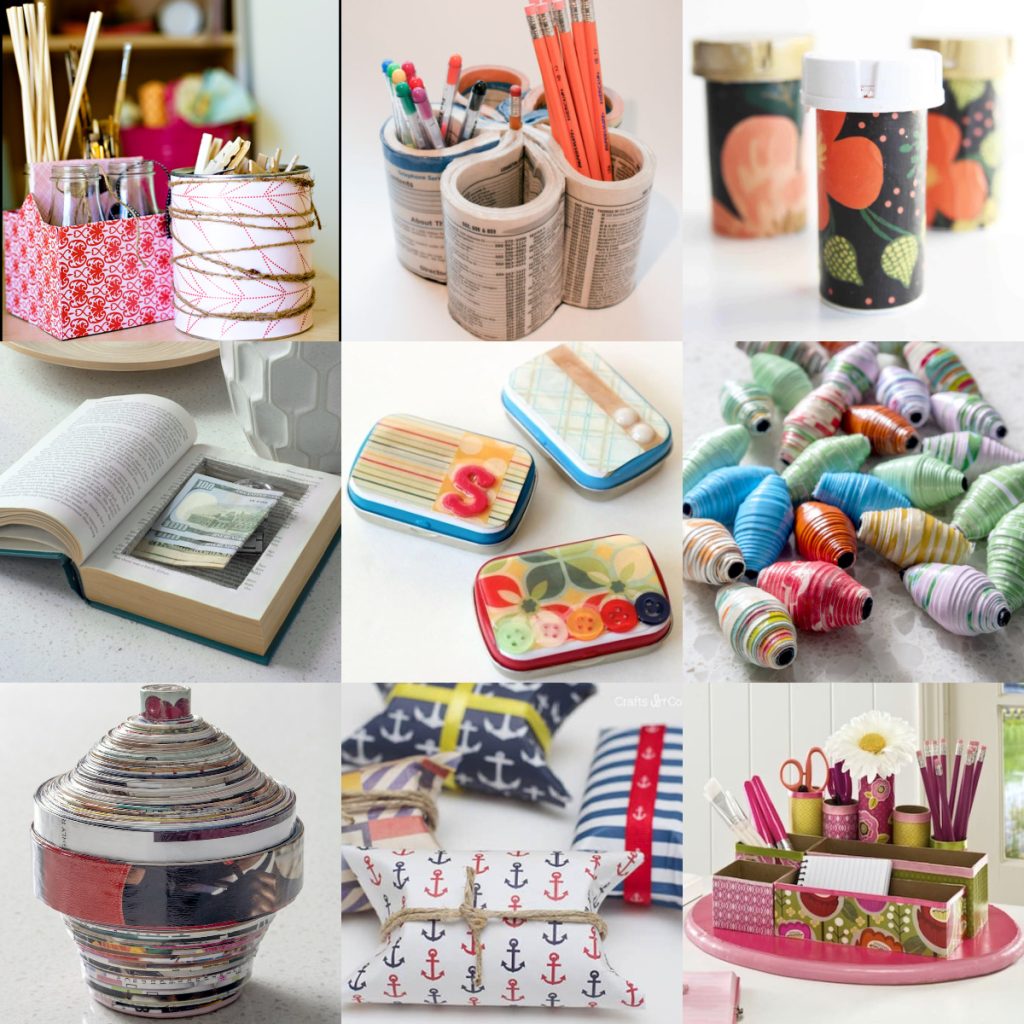
Here’s an in-depth look at some of the most commonly utilized recycled materials and innovative approaches to reimagining them:
- Glass: Crafters often find that recycled glass is incredibly versatile. You might collect empty wine bottles, mason jars, or even shattered glass scraps. These can be cut and reshaped into beautiful items such as candle holders or vases. For instance, glass-tile mosaics are a popular project wherein pieces of colored glass can be arranged into stunning patterns to adorn walls or furniture. Moreover, glass etching—a technique that uses acid to create designs—adds a modern flair to any piece, allowing for personal touches that make your creations one-of-a-kind.
- Wood: The charm of working with recycled wood lies in its texture and history. Old pallets, barn wood, and discarded furniture offer a rich patina that can’t be replicated. Through careful sanding, upcyclers can create chic shelving units, rustic picture frames, and even functional art pieces like coat racks or side tables. For example, transforming a dilapidated wooden chair into a planter stand not only revitalizes the wood but also adds a decorative element to a garden or patio. This form of crafting can be particularly satisfying as it embodies both sustainability and artistry.
- Textiles: Fabric waste represents a significant portion of landfill contributions, yet the potential for repurposing is immense. Crafting projects using old clothes or fabric remnants can lead to unique items. People often create t-shirt bags as an alternative to single-use plastic, while patchwork quilts can emerge from scraps, connecting various textiles into a cohesive design. Advanced techniques like fabric dyeing and weaving can turn drab materials into striking wall hangings or table runners, effectively blending art with functionality.
As you delve into crafting with recycled materials, consider how each item holds potential stories and emotional connections. This awareness not only sparks creativity but also fosters a heightened sense of environmental consciousness. By using crafting as a platform for self-expression, we can spotlight crucial issues surrounding resource consumption and waste management in our everyday lives.
The allure of sustainable crafting rests in its accessibility—handicrafting from recycled materials is open to all skill levels and backgrounds. Community engagement is key; scouring local thrift stores, flea markets, or online exchanges can often yield surprising finds ripe for upcycling. Engaging with local makers’ groups or workshops allows individuals to share skills and resources, emphasizing that crafting can serve as a means to build community and champion sustainability.
In your crafting adventures, embrace the imperfections that come with the territory. Each project not only represents your personal journey but also contributes to a broader narrative about environmental stewardship. Gather your supplies, unleash your imagination, and dive into the boundless opportunities that sustainable crafting offers to rethink resource usage while creating something extraordinary.
Sustainable Crafting Techniques
Sustainable crafting goes beyond merely using recycled materials; it encompasses a variety of innovative techniques that maximize resources while minimizing environmental impact. Here are some methods that can inspire your next project and contribute to a sustainable future.
Upcycling vs. Recycling
Understanding the difference between upcycling and recycling is critical in sustainable crafting. While recycling breaks materials down to create something new, upcycling involves creatively reimagining items without physical alteration of their form. For instance, turn an old ladder into a bookshelf or transform glass jars into stylish lighting fixtures. These practices not only extend the life of materials but also reduce waste significantly.
Creative Sourcing
One of the fascinating aspects of sustainable crafting is sourcing materials. Consider exploring local thrift shops, flea markets, or even your own home for hidden treasures. There’s an abundance of items waiting to be transformed into unique pieces. From vintage fabrics to rustic wood, each item has potential. Engaging in community swaps can also invoke creativity and reduce unnecessary purchases.
Techniques to Enhance Aesthetics
When using recycled materials, you’ll find that creativity is your strongest ally. Techniques such as decoupage, paint distressing, and fabric patching can give dull objects a refreshed and stylish appearance. Additionally, learning proper woodworking skills can allow you to craft functional pieces that showcase the beauty of reclaimed wood.
Enhancing Your Skills
There is no shortage of resources available for those looking to refine their sustainable crafting skills. Online platforms like YouTube offer tutorials for beginners and advanced crafters alike. Local community classes centered around sustainable practices can also be a great way to learn while connecting with like-minded individuals. To summarize, embracing sustainable crafting fosters creativity and environmental consciousness. The challenge lies in discovering innovative ways to adapt and transform, turning the old into something beautiful and functional. In this journey, the possibilities are boundless and affirm that everyone can contribute to a more sustainable future.
| Category 1 | Category 2 |
|---|---|
| Upcycling Techniques | Transforming old items into new treasures, such as using crates for storage solutions. |
| Cost-Effectiveness | Reduces spending on new materials and promotes creativity in resource use. |
By integrating these techniques into your crafting, you not only heighten your creativity but also contribute to a greener planet, making every project a step towards sustainability.
Techniques and Ideas for Sustainable Crafting
Once you’ve identified your recycled materials, the next step is to explore various techniques and ideas to create truly unique pieces. Sustainable crafting is not only about reusing materials but also about employing innovative methods that embrace creativity, functionality, and ecological mindfulness.
Here are some practical techniques and project ideas that can help you unleash your inner craftsman while getting the most out of your recycled materials:
- Decoupage: This popular technique involves decorating an object by gluing colored paper cutouts onto it. You can use old magazines, maps, or even wrapping paper to breathe new life into tired furniture, picture frames, or boxes. Decoupage allows you to personalize items, resulting in pieces that reflect your style while serving a functional purpose—like a stylish storage box made from a shoe box adorned with vintage magazine cutouts.
- Jewelry Making: Repurposing materials to create jewelry is not only environmentally friendly but also a fantastic way to express personal style. Things like old buttons, bottle caps, and fabric scraps can be transformed into eye-catching necklaces, bracelets, or earrings. For example, crafting an elegant necklace from a single button paired with a simple chain can result in a chic statement piece that invites conversation.
- Plant Terrariums: Old glass jars can take on new life as beautiful terrariums, offering the perfect showcase for succulents and small plants. Layering stones, soil, and decorative elements like moss or pebbles in a mason jar is an engaging activity that reuses materials while contributing to indoor greenery. Plus, low-maintenance succulents are eco-friendly choices that thrive in terrariums.
- Paper Mache: Using newspapers, cardboard, and reclaimed paper to create paper mache sculptures or bowls can be incredibly rewarding. Whether it’s making decorative bowls, masks, or whimsical sculptures, paper mache encourages imagination and experimentation. This versatile medium not only provides a tactile experience but also promotes recycling paper waste.
- Concrete Casting: Combine recycled materials with concrete to produce custom planters, garden ornaments, or coasters. You can use disposable containers, such as yogurt cups or plastic molds, to shape your concrete creations. Incorporating embellished items like stones or seeds from previous crafting projects can add a stunning visual effect while showcasing your personal touch.
As you embrace these techniques in your sustainable crafting journey, it’s crucial to remember safety and environmental practices. Always use non-toxic adhesives and paints where possible, and responsibly dispose of any materials that cannot be reused. Shopping at thrift shops not only offers the thrill of early-morning treasure hunts but also aligns with the sustainability ethos by reducing waste and promoting recycling.
Furthermore, social media platforms like Pinterest and Instagram serve as invaluable sources of inspiration for sustainable crafting. Follow hashtags like #Upcycling and #SustainableCrafting for fresh ideas and community support. Engaging with fellow crafters can not only enhance your skills but also encourage you to share your completed projects, inspiring others to join the sustainable crafting movement.
In essence, sustainable crafting opens the door to a world of creative possibilities. By utilizing recycled materials, you not only support environmental sustainability but also create distinctive pieces that reflect individuality and resourcefulness. Each crafted item tells a story, transforming waste into something beautiful and purposeful that might very well spark joy in your daily life.
Embracing the Art of Sustainable Crafting
In conclusion, sustainable crafting is a transformative journey that elevates waste into artistic treasures, all while fostering a deeper connection to our environment. By leveraging recycled materials, you not only contribute to the reduction of landfill waste but also champion a mindset that values resourcefulness and creativity. Each crafted piece tells a unique story, reflecting its origins and the hands that shaped it, thereby allowing you to express your individuality while participating in a broader movement toward sustainability.
As you embark on your crafting endeavors, remember that the techniques discussed—ranging from decoupage and jewelry making to plant terrariums and paper mache—are merely the starting points. The beauty of sustainable crafting lies in its flexibility and the potential for innovation. It encourages experimentation with unconventional materials and new methods, inspiring crafters to redefine traditional art forms. By continuously seeking inspiration from platforms like Pinterest and Instagram, you can stay connected to a vibrant community that shares your passion for sustainability.
Ultimately, embracing sustainable crafting not only beautifies your surroundings with unique pieces but also instills a sense of accomplishment and responsibility towards our planet. So gather your recycled materials, ignite your creativity, and embark on a crafting journey that celebrates both artistic expression and environmental stewardship. Your next masterpiece awaits!