Sustainable DIY Craft Projects Create with Recycled Materials
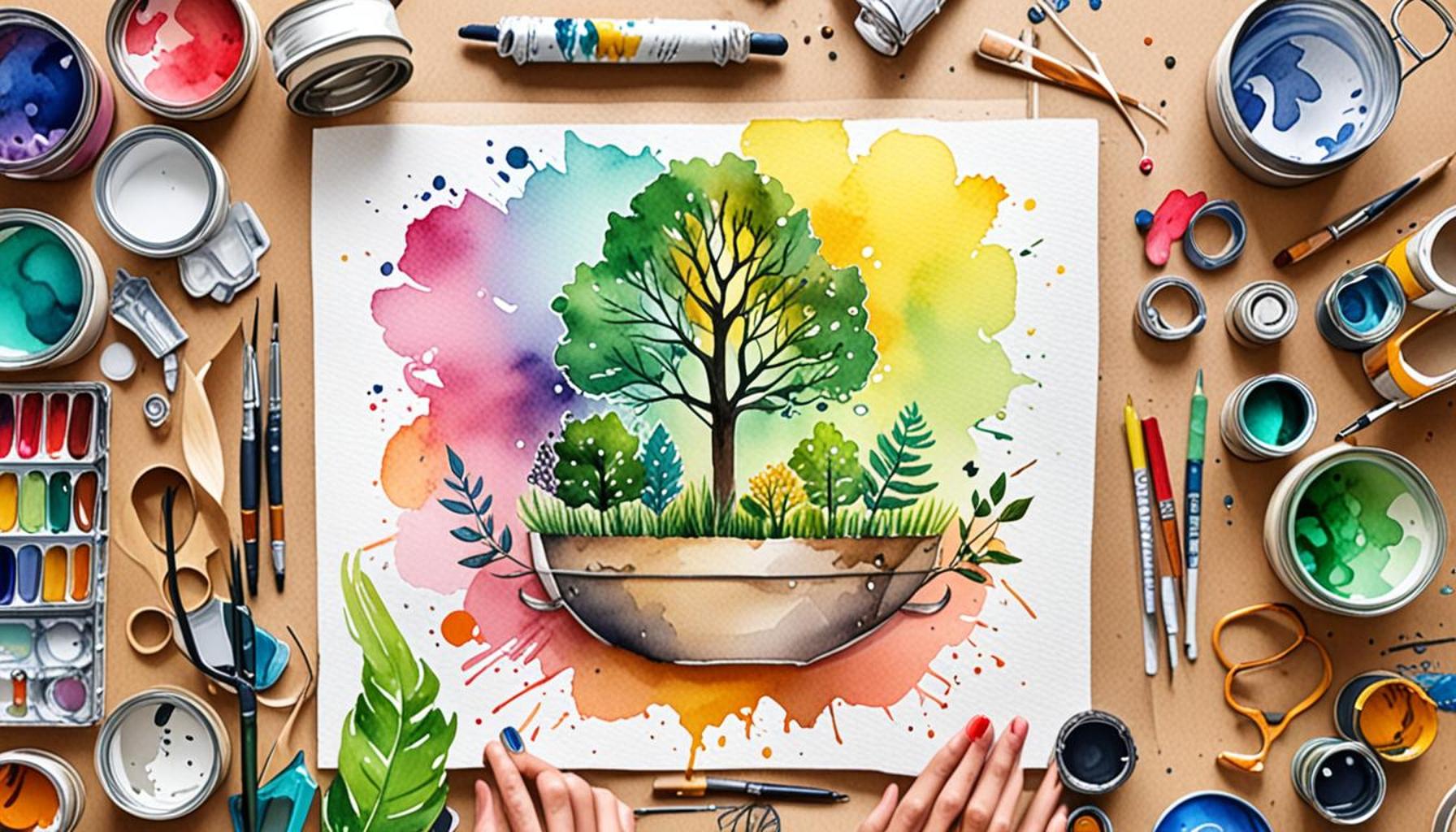
In an era where sustainability has become a pressing concern, creative hobbies have evolved beyond simple entertainment to include responsible practices. Diving into the world of DIY projects using recycled materials allows enthusiasts to express their creativity while making a positive impact on the environment. This approach not only reduces waste but also inspires innovation, making it an ideal pursuit for eco-conscious individuals.
Whether you’re a seasoned crafter or a beginner, engaging in sustainable arts and crafts brings a sense of fulfillment. Here are some compelling reasons to consider this DIY journey:
- Reduces waste: Gives new life to items that would typically be discarded.
- Cost-effective: Utilizes materials often available at home, making it budget-friendly.
- Encourages creativity: Inspires originality and uniqueness in crafting.
- Strengthens community: Fosters connections through shared values of sustainability.
Ready to unlock your potential? In this article, we’ll explore the “Top 5 Craft Projects” that utilize recycled materials, ensuring you not only embrace your artistic side but also contribute to a greener planet.
Top 5 Sustainable DIY Crafts Using Recycled Materials
In an era where environmental consciousness is gaining momentum, crafting with recycled materials offers not only a solution to the burgeoning waste crises but also a chance for personal artistic expression. Recycling old items into new, functional pieces minimizes waste and turns the ‘throwaway’ culture upside down. Whether you’re a seasoned DIY enthusiast or someone who’s exploring the world of crafting for the first time, here’s a detailed guide to the top 5 sustainable DIY crafts that will inspire you to embrace these eco-friendly practices.
5. Magazine Coasters
Magazine coasters are a delightful project that beautifully marries functionality with creativity. This craft breathes new life into old and vibrant magazine pages, transforming them into colorful coasters that stand out in any home setting.
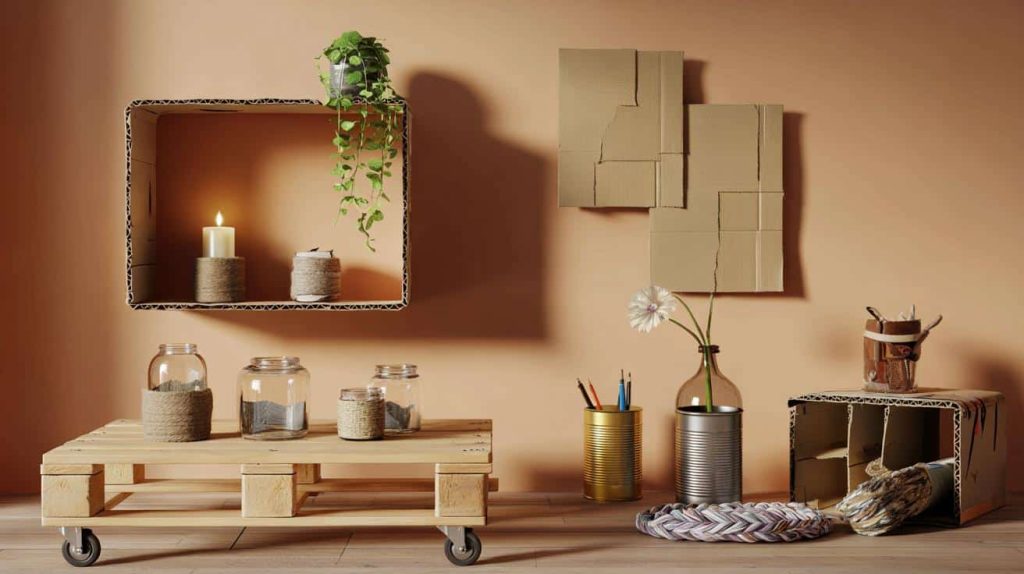
The process begins by gathering old magazines or colorful papers from your recycling bin. This is an opportunity to critically assess how often we accumulate such disposable items and the potential each holds for transformation.
- Step 1: Cut the pages into equal-sized square or round shapes. Each cut represents both a visual element and a step towards a new sustainable habit.
- Step 2: Stack several layers of these cutouts, taking care to apply a durable craft glue between each layer. This ensures stability and durability for frequent use.
- Step 3: Finish your creation with a layer of sealant to protect against water damage. This final touch not only ensures longevity but secures your work against daily kitchen challenges.
These coasters become an extension of your commitment to sustainability, subtly initiating conversations about repurposing waste and fostering a greater appreciation for reduced consumption.
4. Plastic Bottle Planters
Plastic bottles are prolific in modern society, but their longevity in landfills can be detrimental. Repurposing them as plant holders transforms a significant plastic waste issue into an eco-friendly solution that adds beauty and function to your space.
Starting with the simple act of cutting the bottle in half, this project reveals the inherent value in items often discarded without a second thought.
- Step 1: Use the top half as a watering funnel, or drill holes in the bottom of the lower half for drainage. Such versatility highlights the importance of adaptability in sustainable practices.
- Step 2: Fill the planter with soil and introduce your favorite herbs or flowers. This not only enhances your living environment but also nurtures a personal connection with the natural world.
- Step 3: Add personality by decorating the outside of the bottle—painting it to suit your taste, perhaps even using leftover paint from previous projects to further reduce waste.
This project is a beautiful intersection of recycling and botany, encouraging green thumbs and sustainability advocates alike to rethink their use of plastic.
3. Jar Candle Holders
Mason jars, a staple in many kitchens, often get sidelined after their initial use. Turning them into elegant candle holders offers a chic way to add ambiance to your home while championing recycling.
The process begins with thoroughly cleaning the jars to remove all previous residue, ensuring a pristine canvas for your creative vision.
- Step 1: Embellish the jar’s exterior with materials such as twine, paint, or lace. This not only personalizes each piece but also showcases the diverse aesthetic possibilities of upcycling.
- Step 2: Use candles or safer tea lights inside, transforming each jar into a glowing piece of decor that bathes your space in cozy, sustainable warmth.
These jar candle holders serve as a reminder of the beauty found in what might otherwise be considered waste, each flickering light echoing a commitment to environmentally friendly living.
2. Upcycled T-Shirt Tote Bags
Old t-shirts present a unique opportunity to minimize textile waste while tapping into the world of fashion. Turning them into tote bags allows you to declutter your wardrobe and reduce the demand for new plastic bags simultaneously.
The transformation begins with laying the shirt flat, creating an awareness of the garment’s potential beyond initial wear.
- Step 1: Cut away the sleeves and neckline to form the bag’s handles. This simple step opens up a world of alternations that can extend the shirt’s lifecycle.
- Step 2: Flip the shirt inside out and either sew or knot the bottom tightly to hold contents securely. This step not only showcases practicality but encourages the acquisition of handy sewing skills.
Each tote becomes a personal emblem of resistance against the excessive use of disposable materials, showcasing how fashion can intersect with environmental responsibility.
1. Wine Cork Bulletin Board
Wine corks, often collected as mementos of enjoyable experiences, can serve a greater purpose when transformed into a bulletin board. This project seamlessly combines creativity with utility.
Your journey begins by collecting a significant number of wine corks, encouraging an appreciation for the stories each cork tells and the events it commemorates.
- Step 1: Select a robust base like cardboard or a wooden frame to provide the necessary support.
- Step 2: Play with arrangements, positioning each cork to create patterns or designs married by purpose and aesthetic appeal.
Not only does the bulletin board provide an organized space for notes and reminders, but it also stands as a testament to how materials typically discarded can find new life in function and form.
These DIY projects lead beyond the physical crafting, prompting deeper involvement in ecological sustainability. As more individuals embrace these ideas, we move closer to a world where creativity and environmental stewardship walk hand in hand, proving that small steps can indeed initiate significant change.
| Category | Details |
|---|---|
| Cost-Effective Solutions | DIY projects using recycled materials can save significant amounts of money compared to purchasing new items. This allows individuals to engage in creative endeavors without breaking the bank, making art accessible to all. |
| Environmental Impact | Incorporating recycled materials into crafting promotes sustainability by reducing waste and conserving resources. This practice encourages a more responsible mindset regarding consumption and environmental stewardship. |
| Creativity Enhancement | Using unconventional materials can spark innovative ideas and unique designs. This not only expands the boundaries of traditional crafting but also fosters a mindset of problem-solving and outside-the-box thinking. |
| Community Engagement | Participating in DIY projects that use recycled materials often leads to community involvement and collaboration. Shared workshops and crafting sessions can create bonds among participants, while also promoting a greater understanding of sustainability initiatives. |
In the ever-evolving landscape of sustainable living, DIY projects that embrace recycled materials are not merely a trend; they revolutionize our approach to consumption and creativity. As individuals explore the myriad possibilities of transforming everyday waste into functional and artistic pieces, they uncover a world of benefits that extends far beyond personal gratification.Exploring cost-effective solutions becomes increasingly important in a society characterized by rampant consumerism. By repurposing items that would typically contribute to landfill overload, individuals realize that art can indeed reflect economic prudence. The newfound ability to craft without the constraints of high costs opens the artistic door to everyone, unleashing hidden talents and potential within communities.Moreover, the positive environmental impact cannot be overshadowed. As crafters immerse themselves in the world of recycling, they not only reduce their carbon footprint but also contribute to a broader change in societal attitudes towards waste. Sharing success stories around environmental stewardship cultivates a culture where sustainability becomes part of everyday life, thus shaping future generations to value the planet.The enhancement of creativity through recycled projects further ignites intrigue. Each piece of recycled material brings its history and purpose to the creative process, encouraging artisans to envision items in ways that challenge conventional aesthetics. This unpredictability is a catalyst for surprising creations that redefine the essence of art and functionality.Lastly, the element of community engagement highlights the collective spirit that blossoms from crafting with recycled materials. Whether gathering for a workshop or initiating community projects, the shared commitment to sustainable practices bridges gaps and fosters a sense of belonging. The conversations sparked during these experiences not only enrich the crafting process but also unify participants around a common goal: a healthier planet. As interest in DIY projects continues to flourish, the exploration of recycled materials is bound to expand, paving the way for innovative artistic endeavors powered by sustainability.
Frequently Asked Questions about Sustainable DIY Crafts with Recycled Materials
How can I start a DIY project using recycled materials?
Beginning a DIY project with recycled materials starts with gathering items that might otherwise be discarded. Look around your home for old newspapers, bottles, and fabric scraps that can be repurposed. Craft stores often provide inspiration and supplies for creative ideas. The key is to see potential where others see waste. Ensuring the materials are clean and safe is essential; for instance, wash bottles thoroughly before use. Embrace creativity and let your imagination guide the project!
What are some benefits of using recycled materials in crafts?
Crafting with recycled materials has numerous benefits. For one, it’s environmentally friendly, reducing the demand for new raw materials and helping to decrease waste. Additionally, it can be a cost-effective way to create beautiful and unique pieces. Engaging in sustainable crafts also fosters creativity as you innovate new uses for otherwise mundane materials. Finally, it often leads to a deeper consciousness of sustainable practices in everyday life.
What types of projects can I make with recycled materials?
There is a wide range of projects you can create using recycled materials. Common examples include turning glass bottles into decorative vases, using old fabric to make quilts or wall art, and crafting jewelry from metal scraps. Each material offers a different scope of possibilities. A growing trend is upcycling furniture – transforming outdated pieces into refreshed, stylish home decor. The possibilities are virtually endless, restricted only by your imagination!
Are there any challenges involved with DIY crafts using recycled materials?
While rewarding, crafting with recycled materials can pose some challenges. You may need to invest time in gathering and preparing materials, such as cleaning and sorting. Additionally, some projects might require specific tools or skills. Learning to work with different materials may involve a trial-and-error process, but it can also be part of the fun! Online communities and tutorials can provide support and ideas when challenges arise.
Can DIY crafts with recycled materials be profitable?
Indeed, sustainable crafting can become a profitable venture. Many artisans have successfully launched businesses by selling unique, eco-friendly products. There’s a growing demand for sustainable goods in the market, and consumers often value items made with a conscious effort to protect the environment. Having a strong online presence and understanding your target market can help turn a hobby into a thriving business. Explore platforms focusing on handmade crafts to reach potential buyers!
Conclusion
In conclusion, the art of creating sustainable DIY projects using recycled materials offers a unique and impactful approach to creative hobbies. By integrating these eco-friendly practices, individuals not only contribute to reducing waste but also embrace a personal form of creativity that brings new life to discarded items. Through the exploration of DIY sustainable crafts, enthusiasts can experience the joy of transforming everyday waste into aesthetically pleasing and functional artifacts.
Throughout this article, we have delved into various methods for sourcing materials such as plastics, glass, metals, paper, and textiles, each offering a myriad of possibilities for responsible crafting. By understanding the potential of these materials and applying creative techniques, crafters are empowered to produce works that echo sustainability and innovation.
Furthermore, embracing sustainable DIY crafting fosters a growing community of individuals who are passionate about environmental conservation and artistic expression. This practice not only aids in reducing the carbon footprint but also cultivates a mindset of mindful consumption and resourcefulness. The endeavor aligns with a global movement towards greener practices and encourages a shift towards a more sustainable lifestyle.
As we continue to face pressing environmental challenges, the significance of incorporating recycled materials into our creative endeavors becomes increasingly vital. By making conscious choices in our hobbies, we can spark positive change and inspire others to do the same. The journey of crafting with recycled materials is not only about creating beautiful pieces but also about reshaping our relationship with consumption and waste. Whether you are a seasoned crafter or a beginner, this approach empowers each of us to contribute creatively to a more sustainable future.