The impact of music education on mental health and well-being
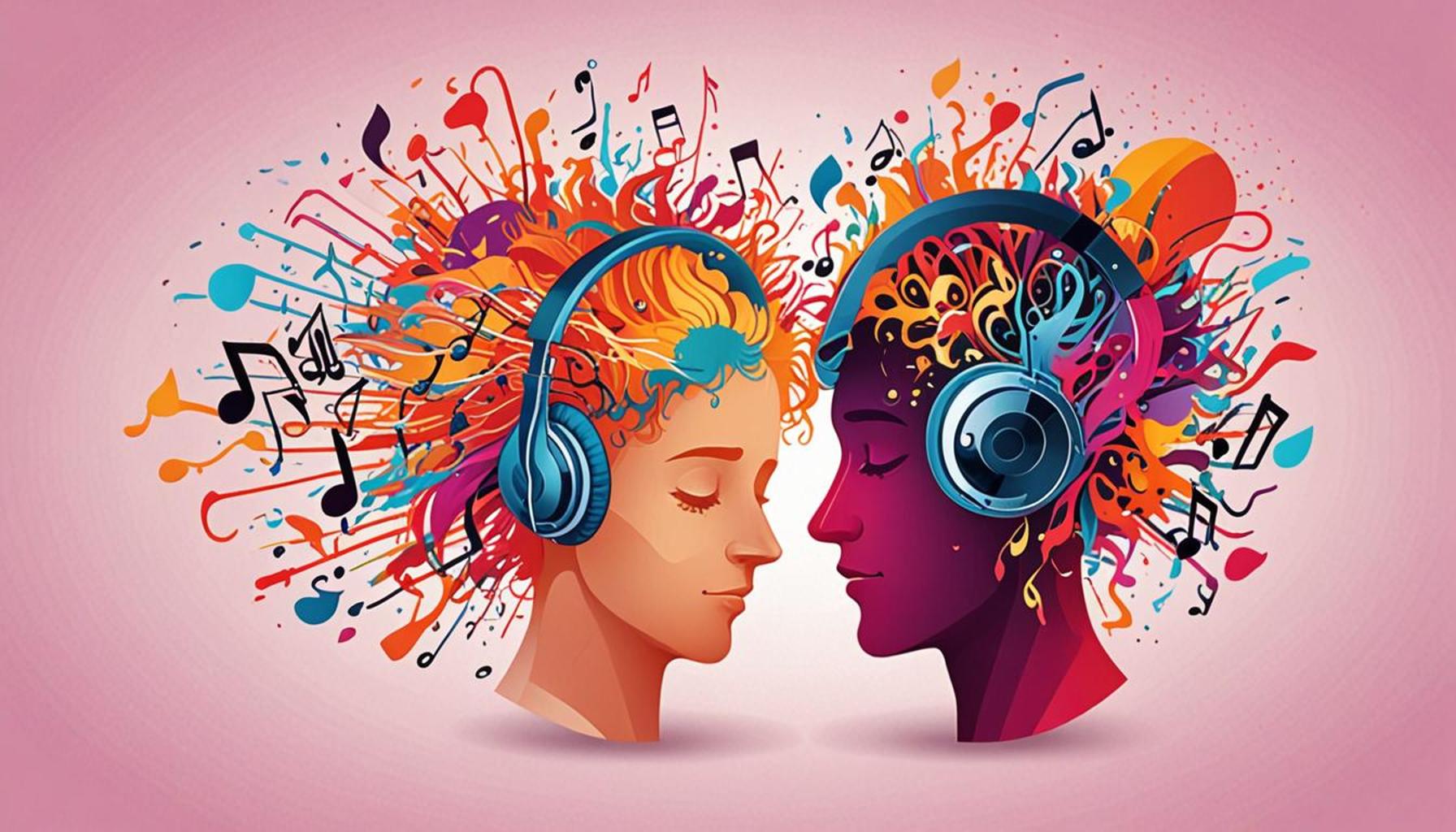
The Impact of Music Education on Psychological Well-Being
In today’s fast-paced society, the significance of music education is often overlooked. Yet, a growing body of research illuminates its profound effects on mental health. Experts continue to draw a strong correlation between music education and various aspects of psychological well-being. For example, a study published in the Journal of Music Therapy found that music participation significantly decreased anxiety levels among adolescents, suggesting that engagement with music can serve as an effective coping mechanism during challenging times.
One of the most compelling arguments for integrating music programs into school curricula is their positive impact on cognitive function. Students involved in music education tend to outperform their peers academically. Research from the University of California revealed that children who participated in music programs experienced enhancements in areas such as mathematics and reading. This cognitive boost can be attributed to the development of skills such as improved memory and critical thinking, both of which are heightened through learning to play an instrument or mastering music theory.
- Additionally, regular exposure to music can strengthen neural connections, which are essential for overall brain development.
Beyond cognitive advancements, participation in music has been shown to actively reduce symptoms of anxiety and depression. Music therapy, particularly in clinical settings, has been effective in assisting individuals cope with emotional challenges. An example includes programs in hospitals that use music as a form of therapy for patients struggling with severe mental health issues, providing them an outlet to express themselves and foster healing.
Furthermore, music activities often take place in group settings, creating a unique environment for social interaction. Engaging with peers in musical ensembles fosters social connections, acting as a safety net for emotional support. For instance, band or choir members often form close-knit friendships that not only enhance their musical experiences but also create a community where individuals feel valued and understood. These social bonds can significantly alleviate feelings of loneliness and isolation, particularly in adolescence when establishing social identities is crucial.
- Moreover, regular collaboration in musical groups helps build vital communication skills, further enhancing interpersonal relationships.
The mental health benefits extend even further, with countless testimonials from students and parents highlighting improvements in self-esteem and confidence. Through mastering an instrument or performing in front of an audience, students often experience a sense of achievement that translates into other areas of their lives. This newfound confidence often leads to lower incidences of stress and behavioral issues in school settings, enabling a more conducive learning environment.
As we explore the richness of these insights, it becomes clear that investing in music education is not just a cultural luxury, but a vital component of holistic education. Unlocking the psychological benefits of music can serve as a compelling argument for educational policy reforms that emphasize the inclusion and support of music programs across the United States. Future research and advocacy may very well shape the landscape of education, making music as integral to a curriculum as core academic subjects.
DISCOVER MORE: Click here to dive deeper
Transformative Effects of Music Education on Mental Health
As the exploration of music education continues to gain momentum, its influence on mental health and well-being becomes increasingly evident. For many students, engaging in music not only enhances their artistic abilities but also contributes positively to their emotional and psychological states. Delving deeper into this relationship reveals that music education serves as a multifaceted approach to improving mental health.
One of the most intriguing aspects of music education lies in its ability to foster emotional expression. Learning to play an instrument or participate in a choir provides students with a unique outlet for their feelings. This creative expression helps to articulate emotions that might otherwise be difficult to confront. In essence, music becomes a language of its own, allowing individuals to communicate joy, sadness, excitement, and even frustration, thus acting as a catalyst for emotional release.
- Research indicates that individuals engaged in music tend to experience increased levels of emotional resilience, enabling them to navigate life’s challenges with greater ease.
- Moreover, studies have shown that active participation in music programs can lead to a significant decrease in stress levels, highlighting its potential as a natural stress reliever.
- Music not only serves as a mechanism for relaxation but also has been shown to help regulate mood, thus positively impacting overall psychological health.
An often-overlooked benefit of music education is its correlation with mindfulness. Engaging with music requires heightened awareness and focus, skills that are crucial for grounding individuals in the present moment. Activities such as rhythm exercises or improvisation compel students to concentrate deeply, facilitating a meditative state that can reduce symptoms of anxiety and create a sense of peace. This mindfulness is essential, particularly in a world where distractions abound and mental clutter persists.
Furthermore, the therapeutic aspects of group music activities cannot be overstated. When students unite in bands, orchestras, or vocal groups, they not only create music but also cultivate a sense of belonging. This shared experience is invaluable in promoting healthy social behavior and emotional well-being. Participating in collaborative music-making fosters teamwork and empathy, allowing students to understand and respond to the emotions of their peers. These interactions serve as building blocks for strong friendships and support systems, especially during formative years.
Lastly, the long-term implications of music education on mental health bolster the argument for its inclusion in academic settings. Research conducted by the National Endowment for the Arts indicates that students involved in music education exhibit lower dropout rates and greater engagement in school. Such findings underscore the notion that music not only enriches educational experiences but also enhances overall mental health, helping to prepare individuals for future success.
As we uncover the layers of music education’s impact on mental health, it is clear that the benefits extend beyond mere academic performance. The integration of music into school curricula serves an essential role in nurturing emotional intelligence, resilience, and overall well-being, setting the stage for advocating for the instrumental role of music in education across the United States.
| Category | Benefits |
|---|---|
| Emotional Expression | Music provides a safe channel for individuals to express and process emotions. This can lead to improved emotional regulation and decrease symptoms of anxiety. |
| Social Connection | Participating in music groups fosters social engagement, creating a sense of community that can combat feelings of loneliness and isolation. |
| Cognitive Development | Music education enhances cognitive skills such as memory, attention, and problem-solving, which contribute to overall mental sharpness and resilience. |
Engaging in music education has significant implications for mental health. Studies reveal that students involved in music programs exhibit lower levels of stress and higher self-esteem. This transformation stems from the discipline and creativity fostered in musical learning. With a toolkit that includes emotional expression and cognitive enhancements, music serves as a formidable ally in the battle against mental health challenges.Additionally, the presence of music therapy programs in schools and community centers highlights the increasing recognition of these benefits. As awareness grows, more research continues to unveil the profound ways in which music can fortify mental well-being, encouraging individuals of all ages to explore their musical potential. With these compelling insights, the nexus between music, education, and mental health invites further exploration and participation, promising a richer, more meaningful life through the art of music.
EXPLORE MORE: Click here to enhance your skills through creativity
Music Education: A Bridge to Cognitive Development and Social Connectivity
Beyond fostering emotional expression, music education significantly impacts cognitive development and social connectivity, further emphasizing its role in enhancing mental health and well-being. Studies show that engaging in music not only stimulates the brain but also fortifies critical thinking and problem-solving skills. The challenge of learning to play an instrument or mastering musical theory necessitates concentration and persistence, which can translate into improved academic performance in other subjects such as mathematics and languages.
- According to a landmark study by researchers at the University of California, students involved in music programs score higher on standardized tests, demonstrating stronger verbal and mathematical abilities.
- This connection between music education and cognitive skills is attributed to the brain’s capacity for neuroplasticity – the ability to form new neural connections as a result of learning, enhancing overall intelligence.
Furthermore, engaging in music education cultivates social skills that are integral to long-term mental health. As students learn to collaborate in groups, whether in a band or choir, they are encouraged to communicate effectively and support one another. Such interactions not only promote teamwork but also enhance empathy. The shared challenge of producing music builds a community within classrooms, creating bonds that often extend beyond the school environment.
The aspect of cultural connection in music education also plays a critical role in mental well-being. Exposure to diverse musical traditions can broaden students’ perspectives, allowing them to engage with varying cultural identities, fostering inclusivity and acceptance. Programs that include world music offer students a chance to learn about different histories and heritage, nurturing respect and appreciation for diversity. This cultural understanding can contribute positively to a student’s self-identity and promote a sense of belonging in a multicultural society.
Moreover, the modern educational landscape recognizes the key role that music can play in therapeutic practices. Music therapy, often integrated into school health programs, utilizes music-making as an intervention to support students dealing with mental health challenges, such as anxiety or depression. The process taps into music’s intrinsic ability to evoke emotions and create mental states that enhance therapy effectiveness. An example is the use of rhythmic drumming and improvisation, which allows students to express their feelings in a safe environment, offering a profound therapeutic escape.
To further illustrate the thriving nature of music education in the United States, various initiatives, such as the National Association for Music Education (NAfME), actively advocate for music to be a fundamental part of every student’s learning experience. Their findings reveal that schools with robust music programs report lower instances of behavioral issues among students, suggesting a direct link between music involvement and positive behavioral health outcomes.
In conclusion, the narrative surrounding music education is one of profound influence on mental health, touching on aspects well beyond mere learning. Its rich tapestry weaves emotional, cognitive, and social elements together, creating a holistic approach to fostering well-rounded individuals. As schools evaluate the importance of curricula, the undeniable connection between music education and mental well-being will only grow more critical in preparing students for the complexities of life ahead.
DIVE DEEPER: Click here to discover new musical horizons</p
Concluding Thoughts: The Multifaceted Benefits of Music Education
As we delve deeper into the transformative effects of music education, it becomes increasingly clear that its advantages extend far beyond the confines of musical skill acquisition. By providing a unique blend of cognitive enhancement, emotional expression, and social bonding, music education emerges as a vital component of overall mental health and well-being. The capacity for music to foster neuroplasticity not only nurtures intellectual growth but also lays the groundwork for improved mental agility, benefiting students academically and personally.
Moreover, the collaborative nature of music-making cultivates essential social skills and a sense of community that is invaluable for the development of empathy and emotional intelligence. In a society increasingly characterized by digital interactions, the face-to-face connections formed through group music activities can be a powerful antidote to feelings of isolation and anxiety. Additionally, exposure to cultural narratives through music broadens horizons, enhancing cultural awareness and respect for diversity while fostering a sense of belonging among students.
Recognizing the role of music as a therapeutic tool, educational institutions must prioritize music education programs and incorporate them into broader mental health initiatives. The clear correlation between participation in music education and positive behavioral health outcomes cannot be overlooked, especially for today’s youth navigating complex emotional landscapes. As we advocate for a holistic approach to education, embracing music as a cornerstone of cognitive and emotional development is not merely desirable; it is essential.
Ultimately, the ongoing commitment to integrating music education into the fabric of learning will yield profound benefits for future generations, empowering them with the tools they need for a balanced and fulfilling life. The journey towards understanding the full impact of music education on mental health and well-being is just beginning, and its importance in enriching the lives of students cannot be overstated.