The Importance of Dog Socialization in Urban Life in the Philippines
Dogs as Urban Companions
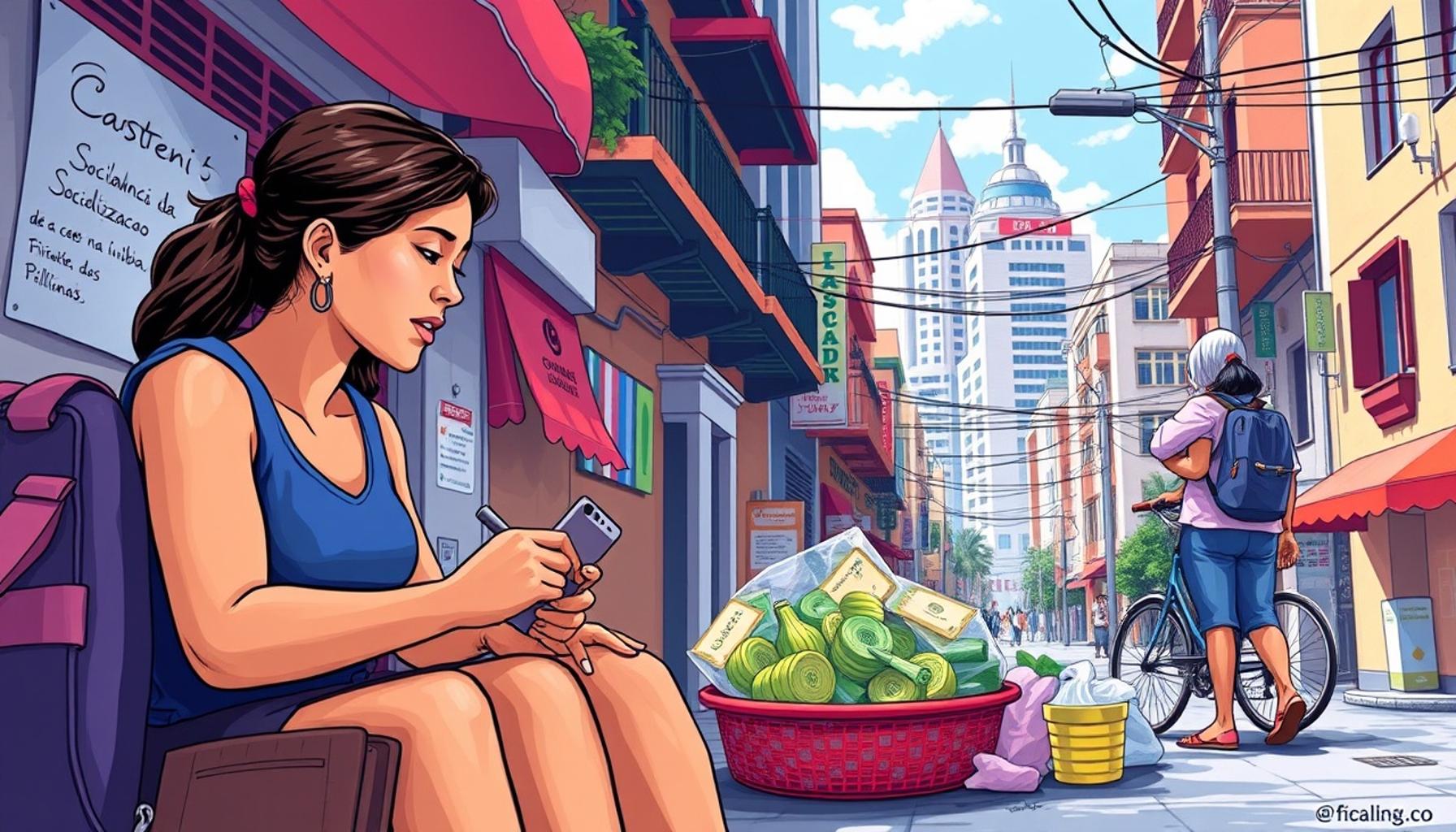
In the vibrant and fast-paced cities of the Philippines, dogs have transcended their roles as mere pets; they have evolved into companions, guardians, and beloved family members. However, urban living brings a set of unique challenges that can impact the well-being of these furry friends. From navigating congested streets to coping with the constant buzz of city life, dogs require special attention when it comes to dog socialization. This essential process ensures that our canine companions thrive amidst the complexities of urban environments.
The Importance of Dog Socialization
Socialization is pivotal to raising well-adjusted and balanced dogs. Through regular interactions with both other animals and various people, dogs build their confidence and learn to manage anxieties. This becomes especially relevant in bustling neighborhoods marked by:
- Crowded streets filled with pedestrians, cyclists, and traffic.
- Limited green spaces for exercise and play.
- Frequent and varied social encounters, as city dwellers often gather in community spaces such as parks or markets.
The sensory experiences of urban life—such as the blaring of car horns, the sight of unfamiliar faces, and the distinctive smells emanating from local street vendors—can easily overwhelm a dog not accustomed to such stimuli. Thus, laying a strong foundation for socialization is vital in helping them develop resilience and adaptability, enabling them to embrace their role in urban communities.
Advantages of Socialization for Urban Dogs
Effective socialization offers numerous advantages that significantly enhance the daily lives of dogs in the city landscape. The following are some key benefits:
- Enhanced communication skills: Dogs that are well-socialized are better equipped to communicate effectively with other dogs and humans, reducing the chances of misunderstandings that could lead to conflicts or fear-based reactions.
- Improved behavior: Socialized dogs typically exhibit better manners in public settings, making outings to local parks, cafes, or even shopping centers a pleasant experience for both owners and their pets.
- Increased opportunities for engagement: Well-adjusted dogs are more likely to enjoy trips to pet-friendly areas, participate in group classes, or even enjoy outdoor adventures with their families, fostering stronger bonds between them and their owners.
Recognizing the importance of dog socialization in urban life is just the first step. As awareness increases among pet owners in the Philippines, the potential for creating a harmonious coexistence between dogs and their urban settings also expands. By investing time and effort into proper socialization techniques, dog owners can help their pets develop robust social skills, ultimately contributing to a more peaceful and fulfilling urban life for everyone involved.
Understanding Urban Challenges for Dogs
As urban centers in the Philippines continue to expand, the complexities of city life pose distinct challenges for our canine companions. Awareness of dog socialization is vital in mitigating these challenges, ultimately improving the quality of life for pets and their owners alike. In metropolitan areas like Metro Manila, Cebu, and Davao, dogs encounter a variety of stimuli that can be both exciting and overwhelming. This is particularly evident in densely populated areas where the pace of life can be fast and unpredictable.
Unique Urban Behaviors
It is crucial for dogs to adapt to the unique behaviors and nuances of urban living. Canine socialization is instrumental in achieving this adaptability. Without proper exposure, dogs may develop stress, fear or even aggressive tendencies towards their environment. In street markets where the sounds of vendors shouting, vehicles honking, and children playing intermingle, dogs unfamiliar with such environments might react negatively. Proper socialization helps dogs learn how to navigate these situations confidently.
Key aspects that underscore the need for socialization in urban settings include:
- Exposure to Diverse Stimuli: Urban dogs are exposed to a cacophony of sights, sounds, and smells. Regular socialization activities, such as visiting local parks or joining pet meet-ups, allow dogs to engage with different environments, helping them to become desensitized to the bustle of city life.
- Meeting a Variety of People: The Philippines is renowned for its friendly culture where strangers can quickly become friends. Socializing dogs with a variety of people—from children to elderly citizens—teaches them to read human body language and respond appropriately, reducing the risk of unexpected aggressive behaviors.
- Interacting with Other Dogs: In urban areas, encounters with other dogs are frequent. Well-socialized dogs are typically more adept at reading canine body language, which minimizes conflicts and enhances their play experience, making outdoor socialization sessions productive and enjoyable.
Moreover, dogs that lack socialization are often at a greater risk of developing behavioral issues that can adversely affect their interaction with their environment. These issues may manifest in different ways, such as excessive barking, anxiety, or even destructive behaviors at home. The long-term consequences not only trouble dog owners but may also lead to challenging situations in public settings.
Creating a Positive Environment
The importance of dog socialization in urban life cannot be understated. Developing a well-rounded socialization strategy not only equips dogs with essential skills but also contributes to the overall peace and comfort of urban living. As Filipino pet owners, creating a nurturing environment where dogs can safely interact sets the stage for a harmonious relationship with their surroundings.
By prioritizing dog socialization techniques, owners can cultivate an urban lifestyle where dogs play an integral role in communities and enjoy their lives to the fullest, helping to pave the way for responsible pet ownership across the bustling streets of the Philippines.
The Importance of Dog Socialization in Urban Life in the Philippines
Urban environments in the Philippines present unique challenges and opportunities for dog socialization. With the rise of condominium living and densely populated areas, pet owners must be particularly vigilant about their dogs’ interactions with people and other animals. Proper dog socialization is not just beneficial; it is essential for fostering a harmonious coexistence in busy cities.First and foremost, socializing dogs helps to mitigate behavioral problems that may arise from fear or anxiety. In crowded urban settings, dogs encounter a myriad of stimuli—from loud sounds to bustling crowds—that can be overwhelming. A well-socialized dog is typically calmer and more adaptable, making it easier for owners to take their pets out safely. Moreover, exposing dogs to a variety of experiences, including different environments, people, and pets, nurtures their confidence. This confidence can translate to better behavior in public spaces. Regular interaction with other dogs plays a crucial role; it allows them to learn essential canine etiquette. For example, they understand proper play styles and the cues of other dogs, which reduces the risk of aggressive incidents.Urban dog parks and community events focused on pet activities serve as invaluable zones for socialization. These spaces not only promote public awareness of responsible pet ownership but also create opportunities for social engagement among dog owners. The shared experience can inspire newcomers to the city, encouraging them to participate in active dog-related communities that enrich both their lives and their pets’.Additionally, urban life often isolates individuals, but dog socialization can bridge this gap. Owners often connect with one another, facilitating friendships that might not have occurred otherwise. Group walks or community training sessions are great ways to foster this sense of belonging.In this evolving urban landscape, promoting the importance of dog socialization is vital. Ensuring that dogs are well-adjusted not only enhances their quality of life but also contributes to the overall well-being of urban communities. As pet ownership continues to rise in urban areas, understanding and implementing effective socialization practices will remain a cornerstone for creating a harmonious environment in the Philippines.
| Advantages | Description |
|---|---|
| Reduced Anxiety | Socialized dogs are less fearful in busy settings, leading to calmer behavior. |
| Enhanced Confidence | Exposure to different stimuli helps dogs build confidence and adaptability. |
| Community Engagement | Dog parks foster connections among owners and promote active lifestyles. |
Promoting a culture of dog socialization in urban settings not only enriches the lives of pets but also enhances the dynamics of urban living.
Building Community Through Dog Friendship
In addition to the individual benefits for dogs, dog socialization fosters a sense of community among pet owners in urban areas. When dogs are well-socialized, their owners often feel more at ease bringing them to public spaces. This can lead to an increase in interactions among owners, encouraging a culture of responsible pet care. Community events, such as dog parades, training sessions, and local pet fairs, create opportunities for dog owners to come together while promoting an inclusive environment for their pets.
The Role of Pet-Friendly Spaces
The growth of pet-friendly parks and establishments is a promising development in the Philippines’ urban landscape. These spaces not only offer dogs a safe environment to socialize but also assist owners in meeting fellow pet lovers. Cities like Quezon City and Makati are increasingly recognizing the need for designated dog parks, where dogs can run freely and interact with each other, easing the pressures of urban constraints. For instance, parks equipped with dog agility courses provide enriching environments that stimulate both the physical and mental well-being of dogs.
Moreover, community-oriented initiatives can transform city infrastructure. For example, organizing a ‘dog month’ celebration in local neighborhoods can increase awareness about responsible pet ownership, promptly showcasing the benefits of dog socialization. Dog lovers can advocate for better urban planning, ensuring that future developments cater not only to human needs but also to that of canine companions.
Education and Training Opportunities
A vital component of dog socialization is education. Training programs that focus on socialization techniques are crucial for both new pet owners and seasoned ones. Various organizations and trainers offer workshops and classes that empower owners with knowledge and skills to help their dogs adapt to the urban environment. These programs often cover topics like basic obedience training, understanding dog behavior, and management of on-leash encounters in public settings.
Participating in structured socialization classes allows dogs to learn appropriate behaviors in a controlled environment while simultaneously facilitating connections among owners. With the right guidance, both owners and their furry friends build confidence, reducing the likelihood of behavioral issues that stem from fear or anxiety associated with unfamiliar situations.
Benefits to Human-Dog Relationships
Strong socialization not only enhances dog’s experiences but also strengthens the bond between dogs and their owners. A well-socialized dog is more likely to respond positively to commands and behave appropriately in public, creating a less stressful experience for both parties. This harmonious relationship translates into higher satisfaction for owners, elevating their quality of life in a bustling city. Studies show that people walking well-behaved dogs often receive more positive interactions from fellow community members, facilitating friendships and connections that extend beyond just dog interactions.
Additionally, well-socialized dogs can help combat urban issues like loneliness and isolation among their owners. Engaging with other dog owners at parks, cafés, or on walks cultivates an environment of camaraderie, offering social support and an opportunity for casual connections in a fast-paced setting. This shared experience can lead to meaningful relationships, enriching city life in ways that extend beyond the animal’s benefits.
Conclusion
In the bustling urban landscape of the Philippines, dog socialization is not merely a luxury; it is an essential aspect of responsible pet ownership that aligns with the realities of urban living. As cities expand and populations grow, creating avenues for dogs to interact safely and positively not only enhances their well-being but also enriches the lives of their owners. Well-socialized dogs contribute to a harmonious community by reducing stress and anxiety during public outings, fostering responsible pet care and friendships among dog owners.
The advent of pet-friendly spaces and community initiatives drives home the need for a collective commitment toward building an environment where both humans and dogs can thrive. This multifaceted approach empowers pet owners through education and structured training programs that address urban challenges, equipping them with the skills necessary to navigate the complexities of city life with their dogs. Moreover, enhancing the human-dog dynamic plays a crucial role in combating feelings of loneliness among urban dwellers, transforming not just the social landscape of communities but also elevating the quality of urban life.
Ultimately, prioritizing dog socialization reflects a broader understanding of urban living that benefits both people and pets. As we navigate the unique challenges posed by an urban environment, fostering a culture of inclusion, connection, and advocacy for our canine companions is indispensable. By championing initiatives that encourage dog socialization, we build not only better pets but also stronger, more resilient communities, paving the way for a more harmonious future where dogs and their owners can flourish together amidst the hustle and bustle of everyday life.

Linda Carter
Linda Carter is a writer and pet care expert specializing in pet health, grooming, and wellness. With extensive experience helping pet owners create safe, loving, and enriching environments for their animals, Linda shares her knowledge on our platform. Her goal is to empower readers with practical advice and strategies to ensure their pets thrive and lead joyful, healthy lives.