The Importance of Manual Activities for the Development of Creativity in Children
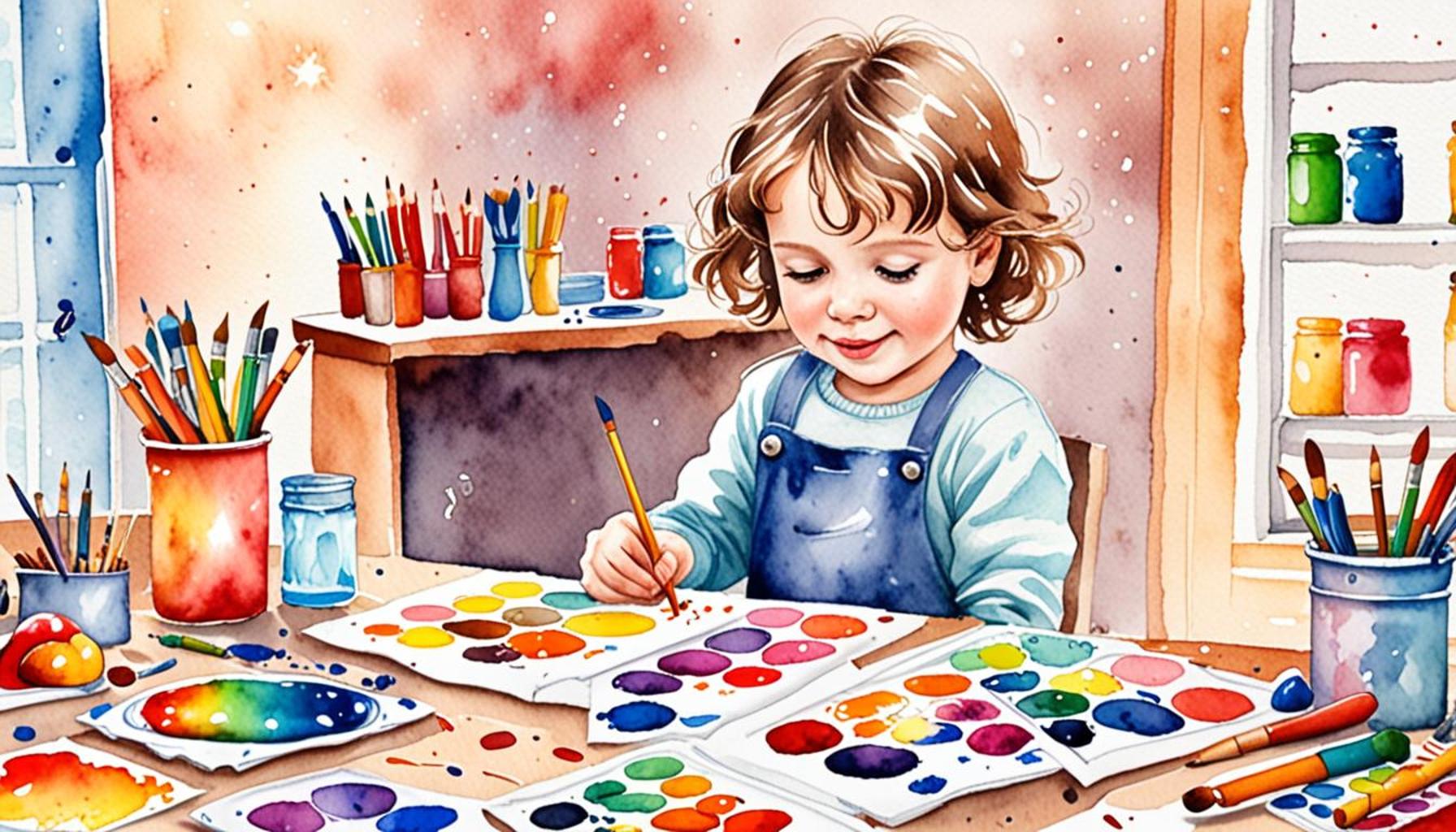
The Importance of Hands-On Activities in Childhood Development
In an era dominated by screens and digital distractions, it is essential to recognize the value of hands-on activities for children. These activities not only serve as a medium for fun but are also pivotal in shaping young minds. They provide a platform for children to delve deeper into their innate creativity, unlocking their potential in ways that traditional academic settings might not. When kids engage with materials—be it clay, paint, or wood—they become active participants in their learning journey, stimulating both their minds and bodies.
Research indicates that children who engage in manual activities frequently exhibit:
- Enhanced Problem-Solving Skills: Crafting or constructing often presents challenges. For instance, when building a model with blocks, a child must determine how pieces fit together and how to support structures without collapsing. These hands-on problem-solving instances sharpen critical thinking.
- Improved Motor Skills: Activities like painting, drawing, and sculpting refine hand-eye coordination. For example, weaving or knitting not only encourages creativity but requires precise finger movements, enhancing fine motor dexterity.
- Increased Focus and Patience: Tasks such as assembling puzzles or completing a model train set require sustained attention. As children navigate the complexities of these intricate tasks, they learn patience and how to concentrate effectively.
Beyond individual growth, manual activities foster essential social skills. When children engage in collaborative projects, they naturally enhance their ability to work in teams, communicate effectively, and share ideas dynamically. These interactions pave the way for:
- Stronger Relationships: Whether it’s a joint art project or a group science experiment, collaborating fosters bonding and helps children understand the importance of mutual support and encouragement.
- Confidence Building: Successfully completing a project gives children a sense of accomplishment. When they see their ideas come to life, whether it’s a handcrafted birdhouse or a painting, their self-esteem and confidence soar.
As we explore the multifaceted benefits of hands-on activities, it becomes evident that their impact stretches far beyond merely entertaining children. The skills and attributes developed through these experiences are foundational for future innovation and success. They encourage children to embrace challenges with enthusiasm, nurturing future creators, thinkers, and leaders. Families and educators should, therefore, encourage participation in these types of activities—be it through art classes, community workshops, or simple DIY projects at home. The implications for childhood development are profound, as hands-on experiences shape a more engaged, resilient, and imaginative generation.
DIVE DEEPER: Click here to learn more
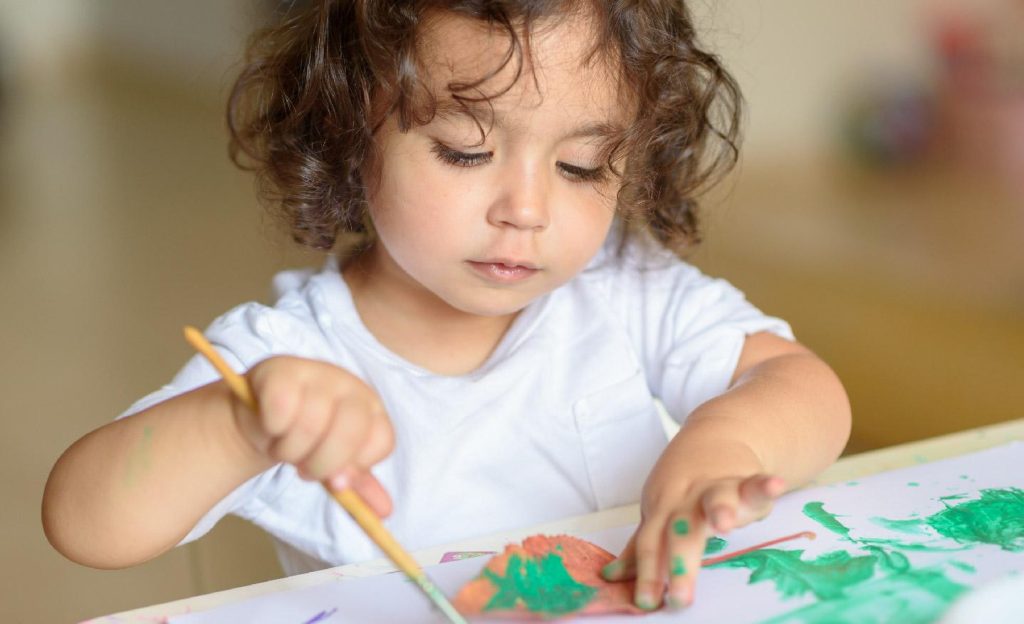
The Role of Manual Activities in Fostering Creative Expression
Exploring the realm of manual activities reveals a treasure trove of benefits that extend beyond mere play. At the heart of childhood development lies the need for creative expression, and hands-on activities serve as the ideal catalyst for this. By engaging in creative projects, children are given the freedom to experiment, innovate, and express their thoughts and emotions in tangible forms. This process not only nurtures creativity but also enhances various developmental domains, enriching their overall childhood experience.
One of the most profound ways that manual activities cultivate creativity is through the freedom they provide for exploration. When children engage in art, crafting, or building, they often do so without strict guidelines or evaluations, allowing their imaginations to run wild. This atmosphere encourages risk-taking, as children learn that failure is simply a step toward finding a solution, igniting their passion for creation. Empirical studies suggest that children who frequently partake in these types of activities develop a stronger capacity for creative thinking, as they learn to view challenges from multiple perspectives.
Consider the benefits in detail:
- Expression of Emotions: Through manual activities, children harness an outlet for their feelings. A child may express joy by creating vibrant paintings or channel their frustrations into clay sculptures. This capability to externalize emotions through creativity is crucial for emotional intelligence development.
- Development of Originality: The hands-on nature of these activities encourages children to think outside the box. For instance, making a diorama requires an understanding of three-dimensional space, which prompts original ideas and creative problem-solving, as children mold their visions into reality.
- Connection to Cultural Heritage: Engaging in traditional crafts or local art practices connects children to their cultural roots while also enhancing their creativity. For example, pottery or basket weaving can introduce children to history and artistry specific to their community, enhancing both familial bonds and a sense of identity.
Furthermore, the intertwining of manual activities and creativity does not solely pertain to individual expression, as collaborative projects amplify this effect. When children work together in groups—be it in classrooms or community settings—they develop shared creative visions, combining their ideas into a collective masterpiece. This collaboration not only fosters creativity but also instills a sense of teamwork and respect for diverse viewpoints. Engaging in shared projects can yield:
- A Broader Perspective: Collaboration leads children to appreciate the different ways others may interpret or approach a task, promoting empathy and understanding.
- Effective Communication Skills: Discussing ideas and negotiating roles within a project develops communication skills that are invaluable in both social and academic settings.
In summary, the multi-faceted advantages of manual activities in nurturing creativity underscore their significance in childhood development. As children immerse themselves in hands-on projects, they cultivate critical skills that evolve their imaginative capabilities while enriching their emotional and social worlds. With these insights in mind, it becomes increasingly imperative for parents and educators to integrate manual activities into daily routines, ensuring that creativity remains a vibrant focus throughout a child’s early years.
The Impact of Manual Activities on Cognitive Development
Manual activities such as drawing, crafting, and building play a significant role in enhancing children’s cognitive skills. Engaging in these creative processes allows children to develop critical thinking abilities as they learn to solve problems and make decisions during their projects. For instance, when children work on constructing a model or painting, they are faced with choices about colors, materials, and techniques, which encourages them to think critically about the outcomes of their decisions.Moreover, manual activities foster fine motor skills essential for various tasks. Activities like cutting, pasting, or threading beads help improve hand-eye coordination and dexterity. This development can be profoundly beneficial as children transition into more complex academic tasks that require precision and control, such as writing or using technology.
Social and Emotional Benefits
Participating in manual activities also contributes to children’s social and emotional development. Collaborative projects, such as group crafts or building games, encourage teamwork, communication, and sharing, which are crucial social skills. In a group setting, children learn to express their ideas and listen to the contributions of others, leading to greater empathy and understanding.Additionally, the sense of achievement that comes from completing manual activities enhances self-esteem and confidence. As children create tangible products from their ideas, they gain a sense of pride in their work, fostering a positive self-image. This emotional boost can have long-lasting impacts on their willingness to take on new challenges.
| Cognitive Skills | Creative Problem Solving |
|---|---|
| Enhances critical thinking | Encourages decision-making |
| Improves fine motor skills | Promotes creativity through exploration |
Through these insights, it becomes evident that manual activities are not merely playful pastimes; they are pivotal tools in nurturing well-rounded, creative thinkers who will thrive in both academic and social environments.
DISCOVER MORE: Click here to learn about the benefits of craft activities for children
Manual Activities as a Gateway to Problem-Solving Skills
Beyond the realms of creative expression, manual activities play a pivotal role in honing problem-solving skills among children. Engaging in hands-on projects invites children to navigate challenges, formulate solutions, and endure the trial and error inherent in the creative process. This experiential learning fosters a sense of resilience, a crucial characteristic that benefits children not only in their current activities but also in their future academic and life settings.
A prime example of this can be seen in activities such as construction play. When children build with blocks or engage in model-making, they face logistical challenges: how to balance structures, which materials provide the best support, and how to envision the final product. Such tasks prompt them to manipulate materials and adjust their strategies based on feedback from their creations. Consequently, children learn to approach problems analytically and creatively, skills that translate seamlessly across various disciplines including mathematics, science, and engineering.
- Critical Thinking Development: Manual activities require children to analyze situations, weigh options, and make informed choices. For instance, while creating a robot from recycled materials, a child must assess the functionality of different items and determine which best serve the purpose, promoting critical thinking and logic.
- Resourcefulness: When resources are limited, children must innovate and use what they have effectively. This necessity teaches them to think on their feet, nurturing their ability to pivot and adapt – a fundamental skill that extends well beyond the crafting table.
Moreover, the psychological benefits of engaging in manual activities are significant. Studies have shown that creating with one’s hands can lead to reduced stress and anxiety levels, which are often present in the fast-paced environment children face today. The act of crafting, painting, or constructing allows children a reprieve from screens and structured academic pressures, enabling moments of mindfulness and reflection. Research conducted by the American Journal of Public Health emphasizes that creative activities can boost mood and emotional well-being, leading to improved focus when the child returns to more traditional learning environments.
Integration of Science and Technology through Manual Activities
In an age where STEM education is becoming increasingly prioritized, manual activities also play a crucial role in introducing children to scientific principles and technological processes. Activities such as robotics workshops, DIY science experiments, and engineering challenges provide a practical context in which children can apply theoretical concepts. For instance, building a simple circuit in a hands-on electronics workshop not only demystifies complex scientific ideas but also fosters a sense of achievement upon successful completion.
- Encouragement of Inquiry: Participation in manual activities ignites a natural curiosity, prompting children to ask questions. Why does this mechanism work? How can I improve this design? This inquiry-driven approach supports a lifelong love of learning and exploration.
- Hands-On Learning: Engaging with materials directly enhances retention of information. Research by educational institutions has indicated that kinesthetic learning – learning by doing – can lead to a deeper understanding of complex concepts, as children associate their hands-on experiences with academic knowledge.
In summary, the myriad benefits of manual activities extend far beyond creativity, embracing critical thinking, emotional well-being, and foundational knowledge in science and technology. As children engage in these multi-dimensional experiences, they unlock not just their creative potential but also build essential life skills that will serve them well into adulthood. It is crucial for educators and caregivers to recognize and promote these activities to enrich the developing minds of our future generations.
DIVE DEEPER: Click here for creative ideas using recycled materials
Conclusion: Nurturing Creativity Through Hands-On Engagement
In conclusion, the significance of manual activities in fostering creativity in children cannot be overstated. These engaging experiences serve as vital avenues for not only creative expression but also for cultivating important skills such as problem-solving, critical thinking, and emotional resilience. By immersing themselves in activities ranging from art projects to DIY science experiments, children learn to navigate challenges and embrace the iterative nature of creativity.
The integration of STEM education through hands-on learning opens doors to understanding complex scientific and technological principles, all while encouraging a sense of inquiry that fuels lifelong learning. Furthermore, these tactile experiences provide an essential counterbalance to the digital screens that dominate children’s lives today. They create opportunities for mindfulness and emotional well-being, enriching the mental landscape of young minds.
As we move forward in an increasingly digital world, it remains imperative for parents, educators, and communities to prioritize and facilitate manual activities as a cornerstone of a well-rounded education. By doing so, we not only enhance children’s creative capacities but also equip them with the essential life skills they will carry into their futures. The hands-on experiences we nurture today will shape the innovative thinkers and problem-solvers of tomorrow, making our commitment to promoting these activities a lasting investment in the future of our children.