The importance of music in creative expression: how musical practice can transform your life
The Impact of Music on Our Lives
Music is more than just a collection of notes; it is a vital form of creative expression. This ancient art form permeates every culture around the globe and unveils a world of possibilities that profoundly enhance emotional well-being and social connections. Engaging with music can resonate deeply with individuals, allowing them to experience its transformative power in various aspects of life.
Emotional Outlet
One of the most compelling aspects of music is its ability to serve as an emotional outlet. Consider a teenager navigating the challenges of high school. Their struggles with identity, peer pressure, and parental expectations are often complex and overwhelming. Through music, whether by listening to poignant lyrics or creating their own, individuals can articulate feelings that might be too difficult to express otherwise. For instance, genres like blues or folk music often reflect themes of heartbreak or resilience that resonate with those experiencing similar challenges.
Social Connection
Beyond individual expression, music acts as a bridge, fostering connections among people. This is evident in communal experiences such as live concerts, music festivals, and community jam sessions. For example, events like the Newport Folk Festival in Rhode Island not only entertain but also unite diverse groups, creating a shared bond among attendees. Collaborative activities such as forming a band or participating in choir further enhance these connections, allowing individuals to build friendships rooted in a collective passion for music.
Cognitive Development
The benefits of engaging with music extend to cognitive development as well. Research indicates that learning to play an instrument can significantly improve cognitive skills, particularly in children. It enhances memory, coordination, and problem-solving abilities. For instance, studies have shown that children who engage in musical training often display increased academic performance in subjects like mathematics and reading due to improved concentration and discipline.
Therapeutic Effects
Music therapy has emerged as a powerful intervention in mental health care. This therapeutic approach utilizes music to alleviate anxiety, depression, and stress. Sessions may include listening to favorite songs, songwriting, or even improvisation. For example, hospitals across the United States have integrated music therapy programs to help patients manage pain and improve emotional recovery. This demonstrates how the gentle power of music can instigate profound healing and emotional relief.
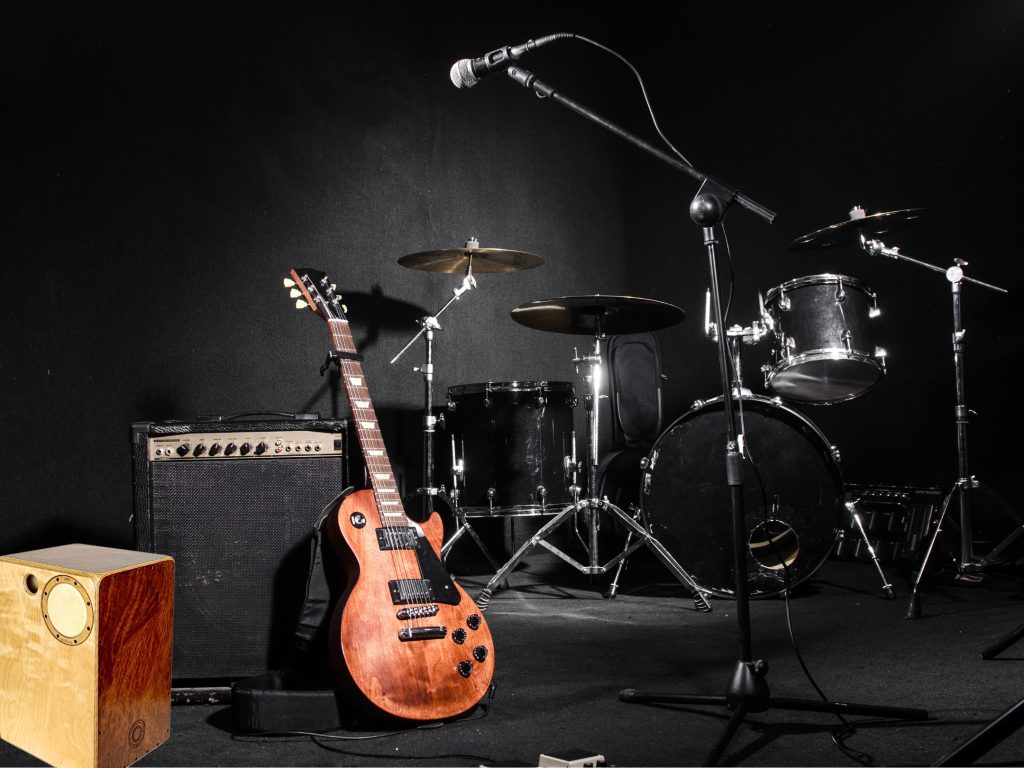
Exploring how engaging in music can transform your life opens the door to understanding its profound impact. From personal growth to enhanced creativity, music shapes not just artists but everyone who dares to engage with it. The multifaceted nature of music reveals that it is more than a source of entertainment; it is a fundamental element of the human experience. Join us as we delve deeper into this captivating blend of art and life, uncovering the ways music can enrich and transform our journeys.
DISCOVER MORE: Click here to dive deeper
The Role of Music in Personal Growth
Music, as a potent form of creative expression, has the remarkable ability to facilitate personal growth and development. Engaging in musical practice allows individuals to explore their identities, connect with their innermost feelings, and navigate life’s complexities. By immersing oneself in the world of music, one can unlock new avenues for self-discovery and reflection.
Creative Exploration
At its core, music is a canvas for creative exploration. Whether it is through songwriting, composing, or performing, music empowers individuals to express their thoughts and emotions in unique ways. This creative process fosters innovation, encouraging musicians to think outside the box as they experiment with rhythms, melodies, and harmonies. Research shows that individuals who regularly engage in creative practices are more adept at problem-solving, as they learn to approach challenges from different angles.
Some benefits of creative exploration through music include:
- Increased Confidence: As individuals develop their musical skills, they often experience a boost in self-esteem, enabling them to share their creations with others.
- Self-Reflection: Music provides a platform for introspection, helping individuals process their thoughts and emotions.
- Adaptability: Musicians learn to navigate new and sometimes unpredictable situations, enhancing their ability to adapt in various aspects of life.
Enhanced Emotional Intelligence
Another compelling aspect of engaging with music is the enhancement of emotional intelligence. Through exposure to diverse musical styles and genres, individuals develop a deeper understanding of their own emotions as well as those of others. Music, particularly lyrical content that tells a story or conveys genuine emotion, nurtures empathy and compassion. For example, songs that explore themes of love, loss, and triumph resonate on a universal level, allowing listeners to connect with their experiences and with each other.
Building Resilience
Musical practice also plays a significant role in building resilience. The journey of learning an instrument or mastering a new piece of music is often riddled with challenges. From facing performance anxiety to overcoming technical difficulties, musicians develop perseverance and determination. This resilience extends beyond the realm of music, equipping individuals with the skills needed to confront adversity in all areas of life. Studies have shown that those who actively engage in music tend to possess a stronger sense of grit and mental fortitude.
As we delve deeper into the power of music, it is essential to recognize how this art form can radically transform one’s life. By nurturing creativity, enhancing emotional intelligence, and fostering resilience, music emerges as an invaluable tool not only for artists but for anyone seeking personal growth and a richer understanding of the human experience. Join us in exploring the many facets of how musical practice transcends mere entertainment and becomes a fundamental part of our lives.
The Impact of Music on Personal Development
Music is not just an auditory experience; it serves as a powerful tool for personal development. Engaging in musical practice can lead to significant improvements in cognitive abilities, emotional health, and social skills. Various studies show that learning to play an instrument enhances memory and critical thinking. When individuals immerse themselves in music, they also cultivate discipline and patience, essential traits that can be applied to various aspects of life.Moreover, music can be a form of emotional expression. It gives individuals a voice during times of struggle and joy, allowing them to process feelings in a constructive way. Whether composing a song or simply strumming a guitar, the act of making music can provide a cathartic release, serving as an efficient coping mechanism for stress and anxiety.Additionally, the social aspect of music cannot be ignored. Collaborating with others in bands, orchestras, or choirs fosters a sense of community. These interactions can lead to lifelong friendships, enhance communication skills, and even provide networking opportunities within the creative industry. Cultivating these connections is invaluable in creating a support system that benefits both personal and professional life.Finally, as individuals explore different genres and styles, they gain insight into diverse cultures and histories, broadening their perspectives and increasing cultural awareness. Music acts as a bridge that connects people from various backgrounds, facilitating empathy and understanding in our increasingly diverse world.In conclusion, the transformative power of music in creative expression goes beyond mere enjoyment; it challenges individuals to grow, connect, and thrive in multiple dimensions of life. By integrating music into daily routines, individuals set the stage for richer, more fulfilling experiences.
| Category | Advantages of Musical Practice |
|---|---|
| Cognitive Enhancement | Improves memory, focus, and critical thinking skills. |
| Emotional Expression | Fosters emotional processing through creative outlets. |
| Social Connections | Builds community and strengthens communication skills. |
| Cultural Awareness | Encourages understanding of diverse cultures and traditions. |
DISCOVER: Click here to uncover exciting DIY ideas!
The Societal Impact of Music in Creative Expression
Beyond personal growth, music also holds the power to influence society at large by fostering community bonds and promoting social change. The shared experience of music has the unique ability to bring people together, transcending cultural, geographical, and linguistic barriers. This collective aspect of musical practice can transform individual lives into voices for communal action and expression.
Building Community Through Music
Music has long served as a catalyst for fostering community connections. Whether it’s through local jam sessions, school bands, or community choirs, musical interaction creates a sense of belonging among participants. These shared experiences strengthen interpersonal relationships, allowing individuals to create lasting friendships and support networks. Community music programs can even serve as lifelines for marginalized groups, providing a creative outlet and a sense of solidarity. For instance, initiatives that bring together youth from diverse backgrounds through music help break down stereotypes and encourage understanding and acceptance.
The Role of Music in Activism
Musical practices have also been instrumental in driving social and political movements. Throughout history, songs have been used as powerful tools for activism, galvanizing communities around important causes. An excellent example of this is the folk music movement of the 1960s, which gave rise to protest songs that became anthems for civil rights and anti-war movements. Artists such as Bob Dylan and Joan Baez utilized their musical platforms not only to entertain but also to inspire action and mobilize public sentiment.
Today, a multitude of genres from hip-hop to pop continue to serve as vehicles for social commentary. Artists like Kendrick Lamar and Billie Eilish, through their potent lyrics, tackle pressing issues such as mental health, inequality, and climate change. This convergence of music and activism highlights how musical practice can transform not only lives but also societal structures, reminding us that every note played can resonate powerfully beyond the stage.
Music Therapy: Healing Through Sound
Another groundbreaking area where music plays a transformative role is in the realm of music therapy. This discipline harnesses the therapeutic properties of music to aid in the healing process for individuals dealing with mental health issues, trauma, and chronic illnesses. Research has shown that engaging with music can lead to measurable improvements in emotional health, cognitive function, and even physical well-being. Patients who participate in music therapy often report reduced anxiety and improved mood, illustrating how musical practice can serve as a profound form of healing.
Programs integrating music therapy into rehabilitation for veterans or individuals with special needs further underscore the comprehensive benefits of engaging with music. These practices not only empower individuals by promoting self-expression but also enhance their quality of life, making music an essential component in the landscape of therapeutic interventions.
Music as a Vehicle for Cultural Identity
Furthermore, music serves as an essential vehicle for cultural identity, allowing individuals to explore their heritage and share it with others. From folk traditions to contemporary genres, musical practices help preserve cultural narratives and foster appreciation for diversity. Communities that celebrate their musical roots encourage pride and understanding, creating an enriched social tapestry. In this way, the power of music extends far beyond isolated expressions, weaving connection and recognition across broader societal landscapes.
As we uncover the multifaceted ways music impacts both individual lives and society, it becomes evident that engaging with musical practice is not merely an artistic pursuit; it is a vital instrument for collective healing, empowerment, and transformative change.
DIVE DEEPER: Click here to discover more creative activities
Conclusion: The Transformative Power of Music in Creative Expression
In summary, the significance of music in creative expression reverberates deeply within both individual and societal realms. As explored throughout this article, engaging with music not only enriches personal experiences but also cultivates community, drives social activism, and fosters cultural identity. By embracing the creative practice of music, individuals are empowered to explore their emotions, enhance their mental well-being, and forge meaningful connections with others.
Furthermore, the role of music therapy highlights the profound healing capabilities inherent in musical engagement, transforming lives in ways both tangible and intangible. Whether embedded in the fabric of local communities or resonating within larger social movements, music serves as a bridge that connects diverse expressions, transcending barriers of all kinds. It carries the potential to inspire change, invoke solidarity, and create a collective voice for issues that resonate deeply across generations.
As we continue to navigate a world increasingly driven by fast-paced technology and complex social issues, the importance of turning to music becomes ever more critical. By fostering spaces for musical expression, we not only nurture creativity but also herald the beginnings of healing, empowerment, and solidarity. The transformative impact of music calls on each of us to engage actively, whether as creators or listeners, ensuring that the rhythms of our lives remain vibrant and meaningful.
In this journey of musical exploration, the possibilities are endless, waiting to be discovered. So, let us embrace the art of music and allow it to guide us toward new horizons of personal growth and communal harmony.