The Importance of Performance Skills in Personal Development through Creative Hobbies
The Importance of Creative Hobbies
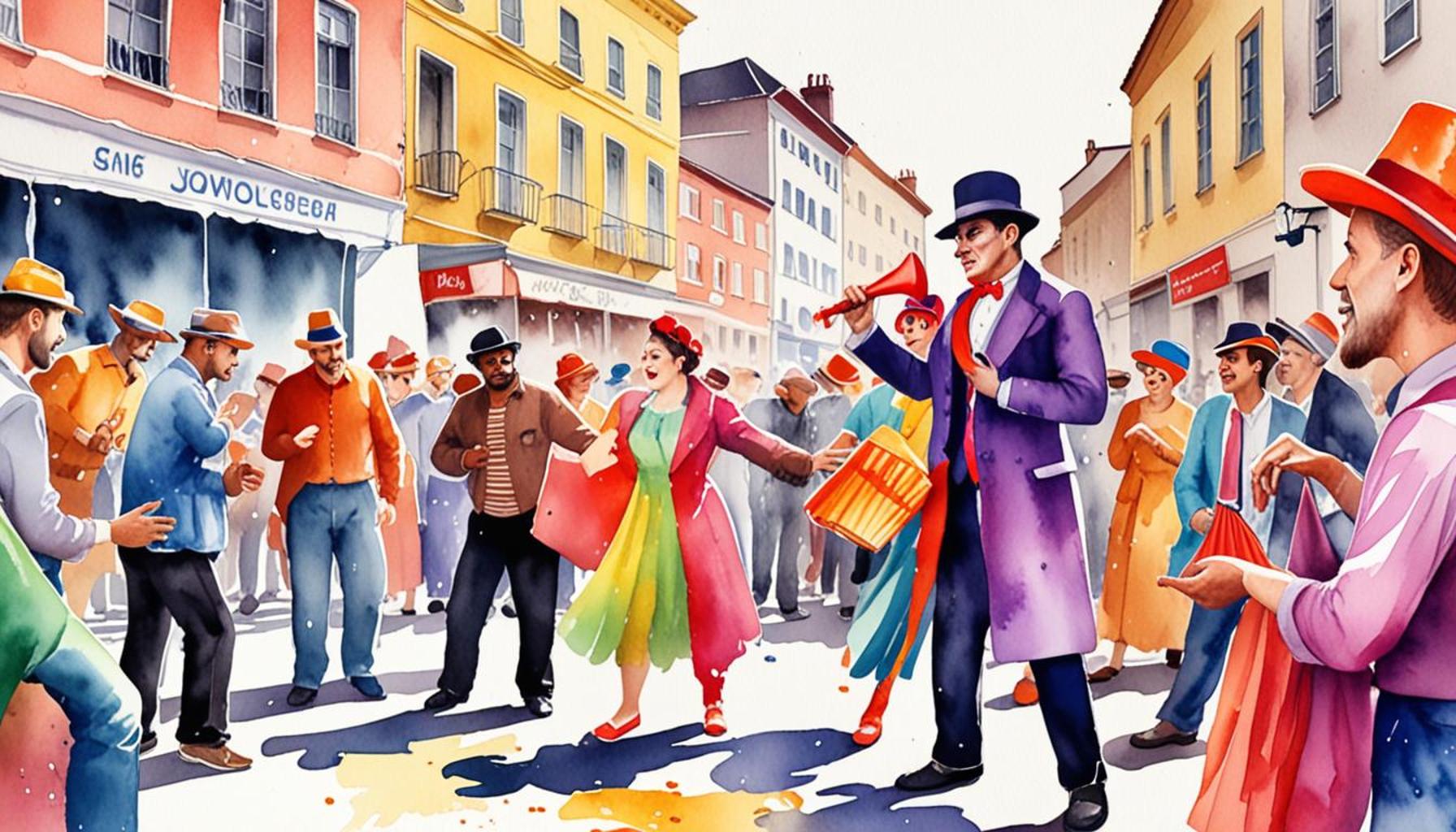
The realm of creative hobbies serves as a transformative landscape that can profoundly influence personal development. Engaging in performance-based activities like acting, dancing, or playing musical instruments transcends mere entertainment; it nurtures a range of vital skills that enhance daily life. Individuals often find that stepping onto a stage or participating in a collaborative artistic endeavor equips them with tools that extend beyond the confines of their chosen activities.
Boosting Confidence
When individuals perform in front of an audience, they confront one of the most significant sources of anxiety: public speaking. Overcoming this fear fosters greater self-confidence. For instance, community theater often welcomes aspiring actors of all experience levels. A beginner may initially feel a wave of apprehension before their first performance, but as they take the stage and connect with the audience, they gain a sense of accomplishment. Many report that this newfound confidence spills over into their careers and personal lives, prompting them to engage with others more freely.
Enhancing Communication
The arts are inherently social, requiring interaction, expression, and feedback. Participants in performing arts learn to convey emotions through both verbal and non-verbal methods. For example, actors develop enhanced communication skills as they interpret scripts and embody characters, which compels them to understand the nuances of body language and tone. Such skills can be invaluable in everyday conversations, mejorarating relationships at work or home and even in negotiation scenarios.
Encouraging Creativity
Creative hobbies inspire individuals to think outside the box. Engaging in dance or music allows for personal self-expression that is often liberating. Artists draw inspiration from everyday life, transforming emotions and experiences into art. This practice promotes a habit of creative thinking that can lead to innovative solutions both personally and professionally. In fact, a study published in the Journal of Creative Behavior demonstrated that individuals who participate in artistic activities display enhanced problem-solving skills.
Improving Teamwork
Many creative endeavors demand collaboration. Whether participating in a dance troupe or a band, individuals learn the importance of working together toward a common goal. This teamwork nurtures interpersonal skills, teaching patience, active listening, and cooperative problem-solving. These skills are essential in any workplace, where team dynamics can significantly impact productivity and morale.
Statistics indicate that individuals who regularly engage in creative hobbies report higher levels of happiness and life satisfaction. A survey by the National Endowment for the Arts found that those participating in the arts were not only more likely to engage in their communities but also expressed increased overall well-being. The act of creating and performing cultivates not just artistic talents but also enriches personal interaction skills, emotional intelligence, and resilience.
Ultimately, exploring the correlation between creativity and personal development highlights the profound benefits of engaging in the performing arts. As individuals take the leap into these creative experiences, they will likely discover layers of growth that enhance not just their artistic capacities but their interactions and satisfaction in everyday life. Embracing these hobbies leads to a more fulfilling and enriched existence.
DISCOVER MORE: Click here to uncover innovative upcycling techniques
Developing Life Skills through Performance Arts
Engaging in performance arts is more than a pursuit of creativity; it serves as a practical medium for developing essential life skills that enrich various aspects of personal development. Through activities such as theater, music, and dance, individuals cultivate skills that permit them to navigate the complexities of social interactions and personal challenges with greater finesse. Here are several ways performance skills contribute to individual growth:
Fostering Emotional Resilience
Performance artists often face daunting situations—whether it’s overcoming stage fright or handling critical feedback. Navigating these challenges not only builds emotional resilience but also equips individuals with coping strategies that are invaluable in real-life scenarios. For instance, regularly performing may lead an individual to develop a mindset that embraces failure as part of growth. A 2020 study from the American Psychological Association found that adults engaged in creative hobbies reported lower levels of anxiety and improved mood regulation, highlighting the emotional advantages of artistic pursuits.
Building Time Management Skills
Balancing rehearsals, practice sessions, and performances requires effective time management. Participants in the performing arts learn to prioritize tasks and set goals, which translates into improved organizational skills applicable in both academic and professional settings. Here’s how performance activities may sharpen this skill set:
- Commitment to Practice: Regular rehearsals demand a schedule, teaching individuals to allocate time wisely.
- Setting Milestones: Preparing for a show necessitates identifying short-term and long-term goals, honing strategic planning capabilities.
- Adapting to Change: Performance often involves unexpected challenges; artists learn to adapt quickly, a trait beneficial in various life situations.
Encouraging Self-Discipline
Creative hobbies such as acting or music performance require a substantial commitment to mastering the craft. This journey fosters self-discipline, as consistent practice is crucial for improvement. Training one’s body and mind to perform requires sustained effort and dedication, translating into an enhanced work ethic. According to a report from the National Endowment for the Arts, individuals who engage in structured creative activities often exhibit higher levels of self-motivation, reflecting in both personal and professional realms.
Navigating Criticism and Feedback
In the world of performance, feedback—whether from peers, instructors, or audiences—plays a critical role in personal and artistic growth. Learning to accept and act on critiques cultivates humility and a growth mindset. Individuals practicing this skill often find it easier to handle criticism in other aspects of life, contributing to improved relationships and professional development. A survey conducted by the College Art Association revealed that over 70% of artists believe that constructive criticism is essential for growth, underscoring the value of feedback in the creative process.
The intersection of performance skills and personal development illustrates how engaging in creative hobbies aids in cultivating a myriad of life-enhancing abilities. As individuals delve deeper into the performing arts, they may unearth wells of strength and skill that were previously latent, all while fostering a vibrant connection with themselves and their communities.
As we delve deeper into the importance of performance skills in personal development through creative hobbies, it’s vital to understand how these skills can significantly enhance one’s overall growth. Engaging in activities such as theater, music, or dance cultivates essential competencies beyond the creative realm. These skills contribute to improved communication, adaptability, and self-confidence.
In the dynamic world we inhabit, the ability to effectively convey thoughts and emotions is crucial. Performance-oriented hobbies urge individuals to articulate their ideas clearly while enhancing their emotional intelligence. This dual benefit can be instrumental in both personal and professional landscapes.
Moreover, practicing a performance skill requires discipline and commitment, traits that often spill over into other areas of life. As one navigates the challenges and triumphs of mastering a performance, they inherently cultivate resilience. This resilience proves invaluable when faced with life’s various hurdles, prompting individuals to tackle challenges head-on.
Collaboration forms another pillar of the personal development journey through creative hobbies. Performing arts necessitate teamwork—working collaboratively with others fosters social skills and teaches the value of listening, cooperation, and compromise. As individuals engage in creative projects, they practice being part of a collective effort, ultimately preparing them for a more interconnected world.
Incorporating performance skills into daily life can lead to enhanced problem-solving abilities. The improvisational nature of many creative pursuits encourages out-of-the-box thinking and innovation. Individuals learn to navigate unpredictability and adapt to new circumstances, which is increasingly valuable in today’s fast-paced environment.
This exploration into the relationship between performance skills and personal development underscores the profound impact that engaging in creative hobbies can have. By actively participating in these pursuits, individuals can unlock a wealth of opportunities for growth, reshaping their identities and bolstering their confidence in navigating life’s adventures.
| Category | Details |
|---|---|
| Communication Skills | Performance skills enhance the ability to express thoughts, fostering clearer communication and greater emotional intelligence. |
| Resilience | The discipline involved in performance training builds resilience, aiding individuals in overcoming challenges in other aspects of life. |
| Teamwork | Creative collaboration teaches social skills, highlighting the importance of cooperation and the art of listening. |
| Problem-Solving | Engaging in performative arts encourages innovative thinking and adaptability, essential for navigating unpredictable situations. |
DON’T MISS: Click here to dive deeper into the world of creativity
Enhancing Interpersonal Skills through Performance Engagement
Creative hobbies centered around performance skills, such as drama, dance, or music, play a pivotal role in developing interpersonal skills. These skills are crucial for effective communication, relationship building, and team collaboration—attributes highly prized in both personal and professional spheres. Here are several dimensions through which performance arts elevate interpersonal capabilities:
Improving Communication Skills
Performing arts require not just the articulation of words, but also the conveyance of emotions and ideas through body language and expression. Participants learn to communicate nuances through their performances, which can significantly enhance their verbal and non-verbal communication abilities. Research from the National Communication Association indicates that individuals who participate in performing arts experience improved clarity in communication, thereby making them proficient conversationalists. The ability to articulate one’s thoughts effectively can lead to more meaningful connections and dialogues.
Encouraging Teamwork and Collaboration
Most performance hobbies involve collaboration, whether it’s a theater production requiring an ensemble cast or a band performing together. This environment encourages the development of teamwork skills, as individuals must learn to listen to one another, share responsibility, and appreciate diverse perspectives. A 2021 study from the American Association of Colleges and Universities found that students engaged in collaborative creative projects demonstrated better problem-solving capabilities—an essential aspect of teamwork—in class and later in their careers. The experience of working successfully within a team creates a foundation for interpersonal harmony and synergy in future endeavors.
Emphasizing Empathy and Perspective-Taking
Engaging in performance arts often requires individuals to immerse themselves in the lives and experiences of various characters. This practice nurtures a sense of empathy, allowing participants to appreciate different perspectives. By stepping into another’s shoes, artists develop a greater understanding of the emotional states of those around them. According to a report by the Research Council for the Arts, empathetic individuals tend to cultivate deeper relationships and foster supportive communities. Consequently, this attribute is indispensable in both personal relationships and professional environments, enhancing collaboration and conflict resolution.
Networking Opportunities through Creative Communities
Performance skills open doors to numerous networking opportunities within the creative community. Being part of shows, clubs, or workshops connects individuals with like-minded peers, mentors, and industry professionals. This environment can lead to valuable friendships and collaborations that may extend beyond the artistic realm. Data from the Arts Foundation reveals that nearly 80% of performers find that their creative pursuits significantly enhance their social circles, magnifying their ability to connect with others in various contexts.
As one immerses in the world of performance arts, they not only hone their craft but also cultivate a broader suite of interpersonal skills. The impact of these skills extends far beyond the stage—enriching personal relationships, enhancing workplace dynamics, and fostering community engagement. Thus, the continuous exploration of creative hobbies proves invaluable for personal and professional development.
DISCOVER MORE: Click here to enhance your performative skills
Conclusion: Unlocking Potential through Performance Skills
In conclusion, the exploration of performance skills through creative hobbies such as theater, music, and dance contributes significantly to personal development. Not only do these activities enhance interpersonal skills like communication and empathy, but they also cultivate teamwork and collaboration amongst participants. As evidenced by various studies, engaging in creative pursuits fosters a sense of community and connection, elevating personal relationships while preparing individuals for professional success.
Moreover, the networking opportunities that arise from these creative communities cannot be overstated. The relationships formed with mentors, peers, and collaborators can enrich one’s personal and career paths immeasurably. These interactions are essential in a world where soft skills are increasingly important and valued by employers. The ability to work effectively with others, understand diverse perspectives, and communicate clearly can set individuals apart in competitive environments.
As we ponder the myriad benefits of performance arts, it becomes clear that embracing creative hobbies is not merely a means of leisure but a strategic avenue for unlocking one’s full potential. In essence, the journey to personal growth through performance skills is a transformative process that empowers individuals to thrive in various aspects of life. For those seeking to enhance their self-awareness and interpersonal capacities, the stage is set to embark on this rewarding adventure, encouraging exploration and commitment to the performing arts.