The Importance of Socialization in the Lives of Pets
A Closer Look at Animal Socialization
Socialization is not just a process; it is a cornerstone of a pet’s upbringing that profoundly influences their mental health and behavior. Understanding how to effectively socialize pets can mean the difference between a well-adjusted animal and one that may struggle with anxiety or aggression. This process typically involves exposing pets to a variety of stimuli, including other animals, different people, and various environments, nurturing their development through these enriching experiences.
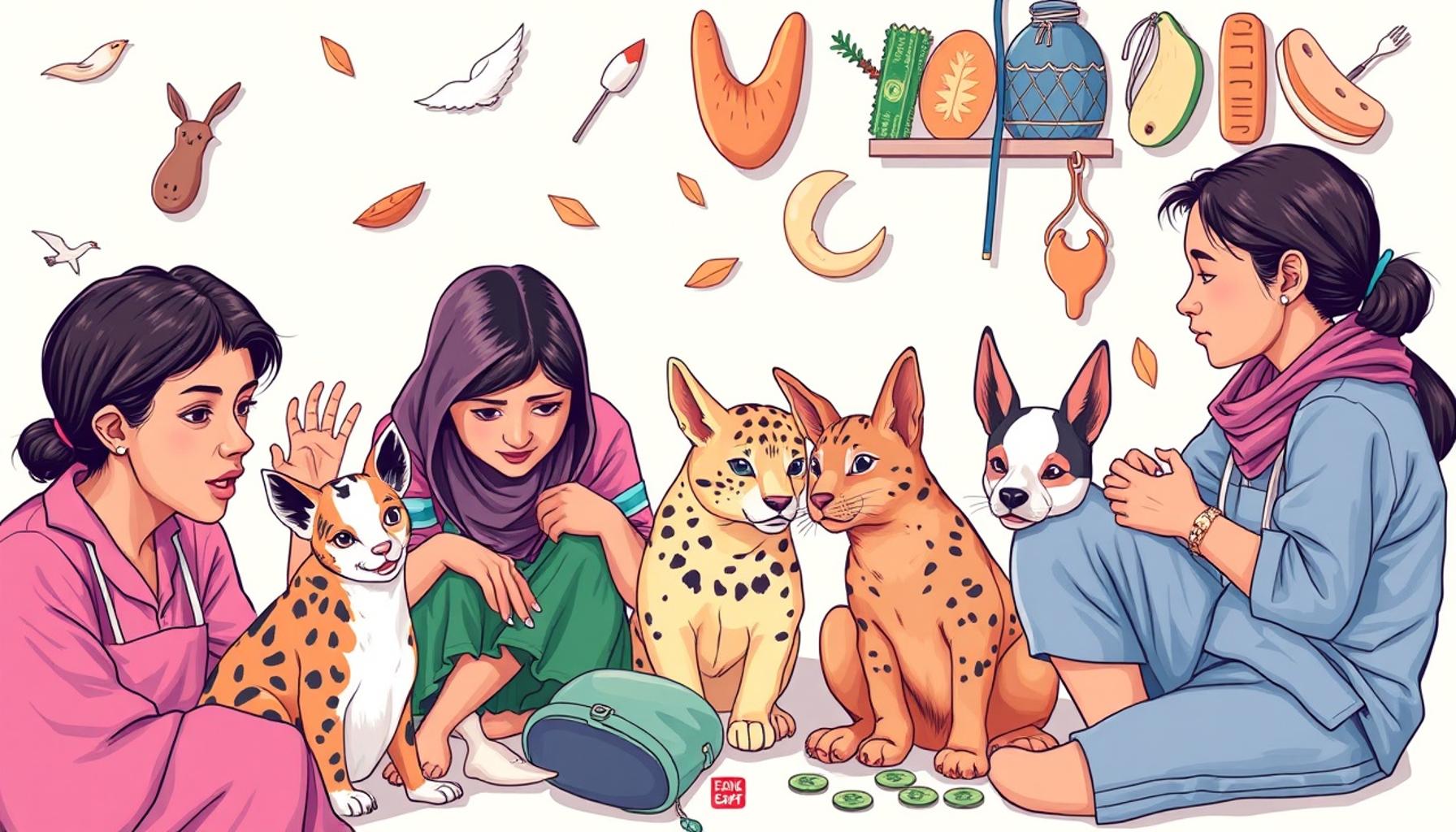
- Dogs are particularly reliant on social interactions. A puppy that meets other dogs during its critical socialization period—from about three weeks to three months of age—will learn essential behaviors and communication cues. For instance, a dog that plays with others learns how to interpret body language, and this is crucial for their development. In the vibrant streets of Makati, dog parks can serve as ideal venues for these social encounters, allowing dogs to mingle and learn together.
- Cats, often perceived as solitary creatures, also greatly benefit from socialization. Kittens exposed to different environments, sounds, and gentle human handling are more likely to grow into relaxed and adaptable adult cats. For example, in regions like Cebu, where community cat shows are becoming popular, the variety of experiences available to young cats can significantly improve their confidence levels.
- Small animals such as rabbits, guinea pigs, and hamsters thrive on socialization as well. When these pets are gradually familiarized with human handling and the presence of other pets, they often display less fear and greater curiosity. Local pet expos often provide opportunities for owners to help their pets interact safely, which can enhance their social behavior.
In the Philippines, where a wealth of outdoor adventures and community activities exist—from pet-friendly cafes in Quezon City to vibrant festivals—
the impact of socialization is amplified. Pets that are exposed to different sights and sounds flourish in diverse environments, making them adaptable companions during family outings or neighborhood gatherings.
Conversely, neglecting socialization can result in significant challenges. Pets that do not receive adequate social interaction may become anxious, aggressive, or fearful when faced with unfamiliar situations. Properly socialized pets often exhibit:
- Increased confidence in new situations, minimizing fear-based reactions.
- Better communication skills, allowing for harmonious interactions with other animals and people.
- Stronger bonds with their owners, as socialized pets tend to trust and engage more with humans.
Investing time in socialization can profoundly affect the quality of pet ownership, leading to happier pets and, by extension, happier families. Understanding the nuances of socialization—by leveraging community resources, attending events, and engaging in consistent training—can create a richer and more fulfilling relationship between pets and their human companions.
The Benefits of Socialization for Pets
Socialization is an essential aspect of pet ownership that fosters not only good behavior but also the overall happiness and well-being of pets. By providing opportunities for pets to interact with their environment, other animals, and people, owners are contributing to the development of confident and well-adjusted companions. The ramifications of a well-socialized pet extend far beyond mere companionship; they impact the dynamics of family life, community interactions, and even individual mental health.
For our beloved dogs, socialization plays a critical role in their early development. It is during the first few months of life when puppies are most receptive to new experiences. This time frame, often referred to as the critical socialization period, encompasses various interactions that shape their future behavior. For example, allowing a puppy to engage with different breeds, people, and environments not only promotes emotional stability but also cultivates vital skills. A well-socialized dog becomes adept at reading cues from other animals, which can drastically reduce instances of fear or aggression in new situations.
- Enhanced Adaptability: Dogs that are exposed to a diverse range of stimuli are more adaptable, enabling them to thrive in various scenarios, from busy marketplaces to quiet park picnics.
- Positive Play Behavior: Through playdates at local parks or dog cafes, dogs learn to communicate effectively, avoiding conflicts and fostering friendships with other animals.
- Balanced Temperament: A well-socialized dog is less likely to develop issues such as separation anxiety or excessive barking, leading to a more harmonious home environment.
Not to be overlooked, cats also benefit significantly from socialization. While often labeled as independent or aloof, socialization offers kitties the tools needed to feel secure and comfortable amid varying situations. Early exposure to a range of activities and interactions can lead to more sociable and relaxed adult cats. For instance, participating in community cat events in places like Iloilo can enhance a kitten’s confidence and reduce the likelihood of anxiety as they grow. These experiences provide them with a wealth of stimuli that prepares them to handle diverse environments.
Similarly, small pets, including guinea pigs and rabbits, thrive when given opportunities for social interaction. These animals are inherently social creatures that seek companionship. When introduced properly to other pets or humans, they display more curiosity and less fear, resulting in happier, healthier lives. Local community events are often perfect venues for these animals to engage in positive social interactions, ultimately leading to meaningful bonds and less stress for both the pets and their owners.
In the diverse landscape of the Philippines, the emphasis on socialization can be especially profound due to the wide variety of local customs and practices, from bustling markets in Manila to beautiful beaches in Palawan. Allowing pets to participate in these vibrant environments fosters adaptability and confidence, paving the way for richer experiences. Failure to prioritize socialization, however, may lead to behavioral challenges such as anxiety, fear, and aggression, making it vital for pet owners to recognize the long-term implications of socialization.
The Role of Socialization in Promoting Well-Being in Pets
Socialization is a crucial aspect of pet ownership that significantly influences the lives of our furry companions. Strong socialization experiences can lead to more balanced, confident, and happy pets. Through socialization, pets learn to understand their environment, which helps them navigate various situations with ease. This understanding reduces anxiety and fearfulness, which can lead to behavioral issues and even aggression. Moreover, regular interaction with other animals and people enriches a pet’s life. It allows them to develop vital social skills and build confidence. For instance, when a dog interacts with other dogs, it learns important cues such as body language and communication styles that are essential for harmonious relationships with its peers. Cats, too, benefit from social experiences, which can transform their typically solitary nature into a more interactive lifestyle, fostering playfulness and reducing stress.Pet owners often overlook the emotional benefits that come with a well-socialized animal. A pet that has engaged in positive social interactions tends to be more adaptable to new experiences, travel, and changes in their environment. This adaptability can greatly enhance the bond between pets and their owners, as pets become more integrated into family life and community activities, forging stronger connections that can lead to mutual happiness.To further explore the multi-faceted advantages of socialization in pets, let’s delve into some essential aspects that pet owners should consider.
| Category | Benefits |
|---|---|
| Enhanced Behavioral Skills | Reduces anxiety and fear-related behaviors, leading to a more confident pet. |
| Improved Social Interactions | Encourages playfulness and reduces the likelihood of aggression, resulting in stronger relationships. |
Emphasizing the importance of socialization can pivot the attention of pet owners towards creating more enriching environments for their pets. It leads to happier, healthier companions while also enhancing the overall pet-owner relationship.
Fostering Lifelong Social Skills
The process of socialization extends beyond the early puppy and kitten stages; it is a lifelong journey that can significantly enhance not just the relationship between pets and their owners, but also the overall quality of life for pets regardless of their age. The importance of continuous socialization becomes evident as pets encounter new experiences throughout their lives, making it essential for owners to maintain an ongoing commitment to introducing their furry friends to varying environments, people, and other animals.
When looking at dogs, consistent socialization is key to counteracting natural aging processes that may lead to reduced sociability. Senior dogs, though typically less energetic, can benefit substantially from regular outings, playdates, and engagement with younger companions. Participation in community activities, like dog shows or pet-friendly events in places such as Cebu, allows older dogs to blend with various age groups, ensuring they maintain their social skills. Furthermore, these interactions can stave off cognitive decline, as mental stimulation from new experiences is known to support brain health.
Moreover, a pet’s ability to remain social can also affect their owners’ mental health. The companionship provided by a well-socialized pet can lead to improved mood and decreased feelings of isolation. Research indicates that pet owners are more likely to experience reduced stress levels and increased feelings of happiness and connection. In the bustling urban life of cities like Manila, where the pace can be overwhelming, having a socially adept pet provides an avenue for connection not only between the owner and the pet but also between various community members who share the same interests.
- Improved Behavior in Public Spaces: Well-socialized pets are less likely to exhibit negative behaviors, such as barking, pulling on the leash, or showing aggression towards strangers or other animals, making outings more enjoyable for everyone involved.
- Increased Opportunities for Training: A socially engaged pet is often more responsive to training commands and routines. This openness to learning translates into better obedience and an overall more manageable pet.
- Enhanced Bonding Experience: The shared adventures that come from socialization not only solidify the bond between pets and their owners but also create cherished memories that enrich their lives.
For cats, proper socialization can make them more adaptable and friendly, leading to a more satisfying home environment. Engaging cats in social activities, such as participating in local feline fairs or simply hosting play sessions with other cats in green community spaces, can cultivate a more relaxed temperament, reducing instances of aggression or withdrawal. Facilities offering cat cafes, where kittens mingle freely with patrons and their pets, also exemplify how socialization can be fostered while simultaneously enhancing exposure to new situations.
It’s crucial to recognize that, as our pets age, their perspectives on socialization may shift. Regular adjustments to their social experiences can help accommodate their changing needs, safeguarding their mental and emotional health. Reassessing how and when to socialize pets, particularly rescue animals who may have had traumatic pasts, is pivotal in ensuring a positive experience.
In a country as vibrant and diverse as the Philippines, opportunities for pet socialization abound. From community festivals that welcome dogs and other pets to local outreach programs aimed at educating owners, it is vital for pet owners to embrace these chances for their furry friends. Facilitating such interactions can lead to a harmonious cohabitation, enhancing the lives of pets while also building a supportive community of fellow pet enthusiasts.
Conclusion: Embracing the Power of Socialization
In summary, the role of socialization in the lives of pets cannot be overstated. A well-socialized pet is not only more adaptable and less prone to behavioral issues, but they also contribute positively to their owner’s mental and emotional health. As highlighted throughout this article, the benefits of socialization span across all stages of a pet’s life, offering both physical and psychological advancements. From energetic puppies to wise senior dogs, and even our more reserved feline friends, continuous engagement with various people, animals, and environments creates a well-adjusted and stable companion.
Moreover, the vibrant culture of the Philippines offers a plethora of opportunities for pet owners to enhance their pets’ social experiences. By participating in local events, community gatherings, and interactive activities, pet owners not only enrich their pets’ lives but also foster connections within their neighborhoods, creating a sense of belonging for both pets and humans alike. This can be particularly impactful in urban areas where feelings of isolation may prevail.
Ultimately, nurturing a pet’s social skills through ongoing interaction is vital for a healthy and satisfying bond. As responsible pet owners, making this commitment paves the way for happier pets and a more harmonious living experience. For anyone looking to deepen their understanding of pet care, embracing socialization as a crucial component will undoubtedly lead to rewarding outcomes. So, get out there, explore new experiences, and watch your pet thrive as they discover the world around them.

Linda Carter
Linda Carter is a writer and pet care expert specializing in pet health, grooming, and wellness. With extensive experience helping pet owners create safe, loving, and enriching environments for their animals, Linda shares her knowledge on our platform. Her goal is to empower readers with practical advice and strategies to ensure their pets thrive and lead joyful, healthy lives.