The influence of music on artistic practices: how different musical genres inspire and shape visual creation
The Intricate Dance of Sound and Sight
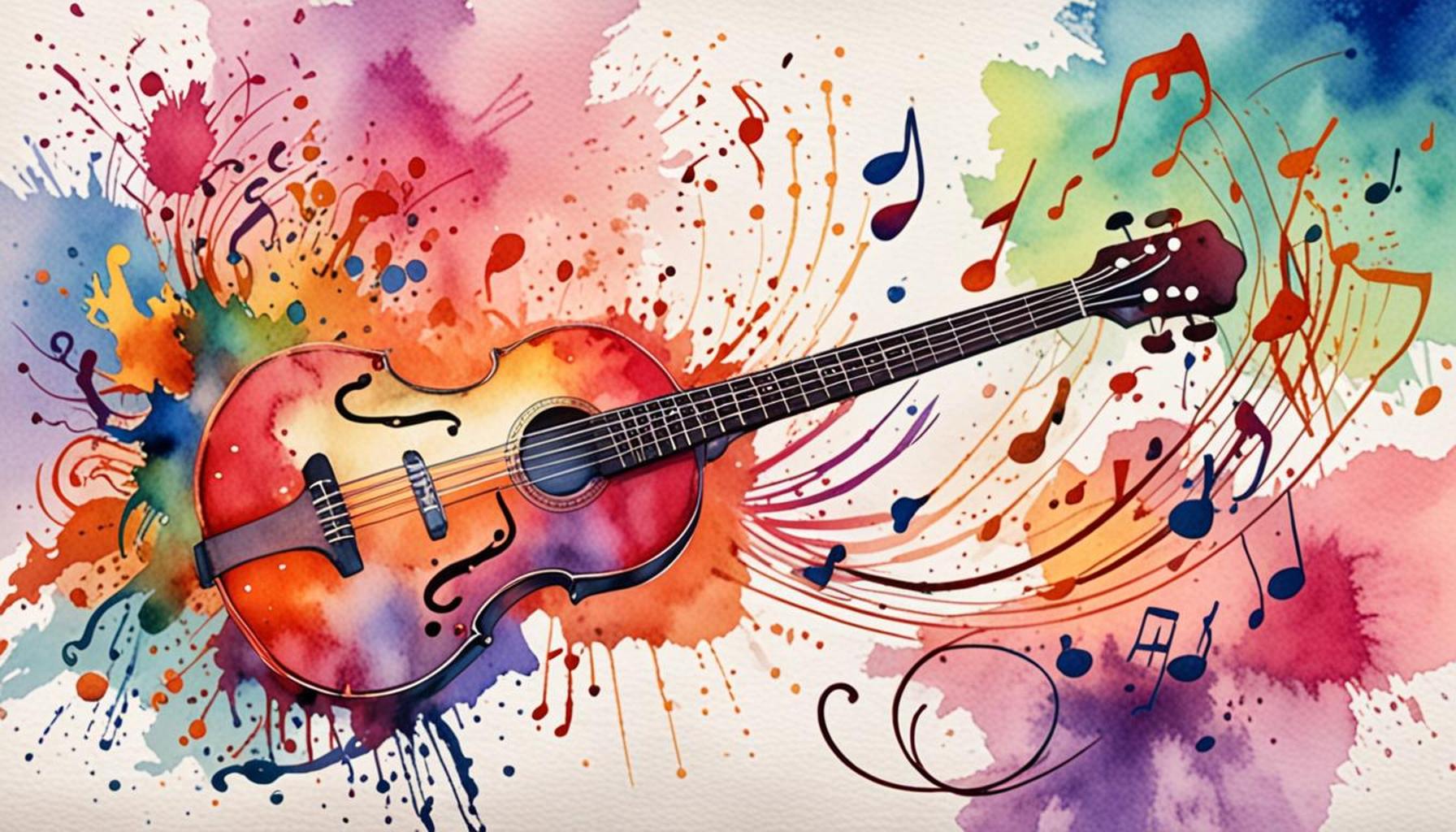
Throughout history, the relationship between music and visual arts has been one of mutual influence and inspiration. As composers and musicians craft their soundscapes, visual artists often find themselves drawn to the emotional resonance and narrative possibilities that music presents. This artistic synergy not only enhances the creative process but also deepens the audience’s experience of both art forms.
Exploring this connection reveals that various musical genres can profoundly impact the choices and styles of visual artists. For example, classical music, with its complex structures and emotive orchestrations, tends to inspire artists to create intricate and detailed artworks. Renowned painters such as Claude Monet and Vincent van Gogh often drew parallels between their artistic endeavors and the compositions of their time, producing works that reflect the nuance and depth of classical compositions.
- Jazz: Rooted in spontaneity, jazz music encourages artists to embrace improvisation. This can lead to dynamic and fluid styles reminiscent of the genre’s free-form nature. Influential contemporary artists like Jean-Michel Basquiat infused their work with the raw energy and emotional depth found in jazz, translating the music’s improvisational spirit into vibrant visual narratives.
- Rock and Pop: Often synonymous with themes of rebellion, these genres inspire bold visuals. Artists like Keith Haring and Andy Warhol captured the essence of rock culture, channeling the angst, individuality, and electric energy of rock music into their unique styles, often using striking colors and iconic imagery.
- Electronic Music: The progressive soundscapes of electronic music often lead to abstract and futuristic artworks. Artists such as Olafur Eliasson create immersive installations that echo the ethereal qualities of electronic compositions, emphasizing the connection between technological innovation in both music and visual art.
Additionally, the fusion of music and visual arts often embodies cultural movements. For instance, the hip-hop scene has significantly influenced street art and urban aesthetics, giving rise to a vibrant culture that celebrates resilience and self-expression. Artists like Banksy and Shepard Fairey have adopted hip-hop’s boldness and social commentary in their work, showcasing how music can serve as a catalyst for visual storytelling.
Understanding the dynamic interplay between music and visual arts not only illuminates the creative endeavors of individual artists but also promotes a richer appreciation of both media. As musicians and visual artists continue to collaborate and inspire one another, the boundaries between these two forms of expression blur, fostering an environment where creativity flourishes. This exploration reveals opportunities for cross-disciplinary innovation, underscoring the idea that sound and sight, when intertwined, can create a profound impact on culture and society.
DISCOVER MORE: Click here to learn how creative hobbies can enhance your skills</a
Musical Genres as Catalysts for Visual Innovation
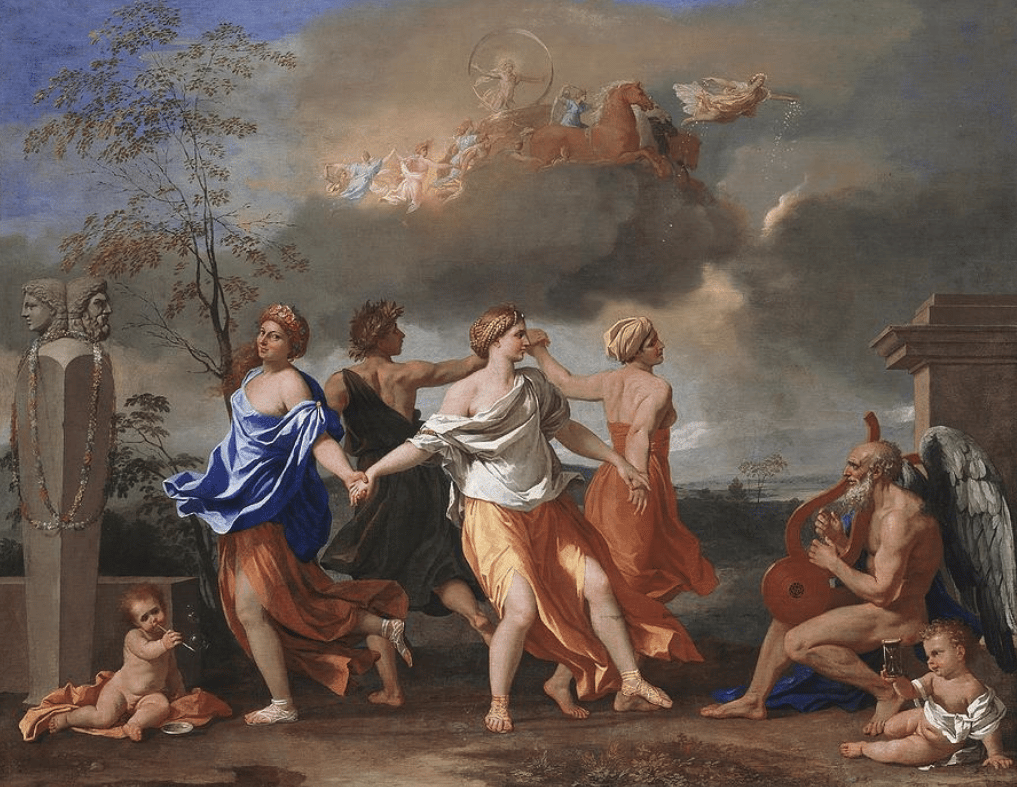
The intricate bond between music and visual arts has continually shaped the landscape of artistic practices. As varied musical genres emerge, each brings its distinctive flavor and ethos, igniting a surge of creativity in visual artists. The emotional core inherent in each style often resonates deeply, influencing artists to explore new techniques, themes, and expressions. By delving into specific genres, we can uncover the profound ways in which music guides and inspires visual creation.
Classical Music: A Symphony of Intricacy
Beginning with classical music, its rich orchestrations and intricate compositions have prompted artists to produce works that reflect the depth of emotion found in these timeless pieces. Many artists create visual responses to musical compositions, using color, form, and line to translate the rhythmic nuances and harmonies into visual language. Renowned artists such as Wassily Kandinsky were particularly drawn to classical music, with Kandinsky famously stating that his abstract works were inspired by the music of composers like Beethoven. His paintings often mimic the flow and spontaneity of orchestral arrangements, demonstrating the powerful convergence of sound and sight.
Jazz: Embracing Freedom and Improvisation
Jazz, with its roots in spontaneity and improvisation, encourages visual artists to embrace a similar ethos in their work. Jazz’s fluidity is mirrored in the dynamic brushstrokes and bold colors employed by artists like Jean-Michel Basquiat. His canvases burst with energy akin to a live jazz performance, reflecting the freedom intrinsic to both art forms. The improvisational nature of jazz allows visual communication to flow without constraint, inviting artists to express raw emotions and experiences on their canvases. This genre not only enriches the artistic process but also fosters a conversation between the performer and the artist, where each influence resonates with the other.
Rock and Pop: Defiance and Daring Aesthetics
Rock and pop music, often associated with themes of rebellion and self-expression, instigates a vibrant visual language that speaks to the heart of youth culture. Artists such as Keith Haring and Andy Warhol used their work to encapsulate the fervor and existential angst that characterized these genres. Haring’s graffiti-inspired designs and Warhol’s iconic imagery demonstrated how visual art could proclaim social messages, reflect countercultural movements, and harness the energetic spirit of rock music. As the lines between art and life blur, these artists capture the zeitgeist, creating visuals that resonate with collective consciousness.
Electronic Music: The Future of Visual Expression
In our increasingly digital world, electronic music has paved the way for groundbreaking intersections between sound and visual art. Artists like Olafur Eliasson create immersive installations that echo the ethereal qualities inherent in electronic soundscapes. Utilizing technology, they bridge traditional artistic methods with modern innovation, enabling a multi-sensory experience that captivates audiences. The abstract qualities of electronic music often lend themselves to experimental visuals, encouraging artists to explore the boundaries of perception and technology. This synergy serves as a reminder of the ever-evolving nature of both music and visual arts, as artists seek new methods for collaboration and inspiration.
The influence of music on artistic practices is undeniably profound. As each genre propels unique narratives and emotions, visual artists respond with creativity that reflects their interpretations and experiences. Through this lens, we observe how sound can shape and transform visual creation, ultimately enriching both art forms and enhancing cultural dialogue.
The Influence of Music on Artistic Practices: How Different Musical Genres Inspire and Shape Visual Creation
In exploring the profound relationship between music and visual art, it becomes evident that various musical genres not only evoke emotions but also inspire specific aesthetic choices in artists. For instance, the energetic rhythms of jazz have historically encouraged dynamic brush strokes and vibrant color palettes in the works of abstract expressionists. Artists like Jackson Pollock often attributed their frenetic techniques to the improvisational nature of jazz, suggesting that the spontaneous beats shaped their creative expression dramatically.On the other hand, classical music, with its structured compositions and emotive melodies, often inspires artists to create with a sense of harmony and proportion. The works of impressionist painters, such as Claude Monet, reflect the delicate nuances found in classical symphonies, where the colors and light interact in a balanced yet emotive way, mirroring the cadences of musical phrases. This interplay suggests that melody and hue share a language of their own, one that artists can draw upon to enhance their visual narratives.Additionally, the rise of contemporary genres such as hip-hop has introduced a fresh perspective on visual art, aligning street art with music culture. The vibrant graffiti seen in urban spaces reflects not just the vigor of hip-hop beats but also communicates powerful social messages, which resonates deeply within the community. This genre serves as an example of how sound can manifest in visual mediums, making the historical context of music crucial to understanding modern artistic expressions.As we delve deeper into this musical-visual dialogue, it becomes clear that the synergy between sound and sight fosters innovative artistic practices that challenge conventional boundaries. Artists continuously draw inspiration from the rich tapestry of musical genres, suggesting that the two forms of art are interwoven, influencing one another in a constant cycle of inspiration and creation.
DISCOVER MORE: Click here for insights on transforming your story
Experiential Landscapes: Music as a Visual Muse
The ways in which music shapes visual practices are not limited to its rhythmic and emotional qualities; it also extends into the experiential landscapes that different genres cultivate. Each musical style brings with it a set of cultural contexts and narratives that visual artists can tap into, thereby enriching their approach to creativity. By emphasizing the environment that particular genres create, we can further appreciate how music informs and inspires visual art.
Folklore and Traditional Music: Cultural Narratives in Art
Folklore and traditional music, often steeped in storytelling, provide visual artists with rich narratives to explore. Artists like Frida Kahlo drew inspiration from Mexican folk music, embedding the essence of cultural identity into her paintings. The melodies and sentiments expressed in traditional song often find manifestation in vibrant colors and motifs, inviting viewers to connect with the cultural heritage portrayed. This tradition persists in modern contexts–contemporary street artists harness the sounds of local neighborhoods, like the rhythms of Bluegrass in Appalachia or the beats of Tejano music in Texas, allowing their art to reflect the local populace’s stories and struggles.
Hip-Hop: A Voice for Change
The revolutionary genre of hip-hop has reshaped visual arts, serving as a conduit for social commentary and identity expression. Artists such as Banksy and Kara Walker infuse their works with the socio-political messages that resonate with hip-hop culture, using visual art as a means to challenge societal norms. Street art and graffiti, often influenced by hip-hop, encapsulate this fusion—conveying messages of resistance while celebrating the vibrancy of urban life. The interplay of visuals and lyrics further enhances the narrative force of both art forms, prompting discussions on topics such as empowerment and inequality, and pushing the boundaries of traditional artistic expression.
Ambient and Experimental Music: Eliciting Introspection
Ambient and experimental music offer a different approach, often focusing on evoking emotion and guiding introspection rather than promoting a narrative. Visual artists inspired by these genres, like James Turrell, create installations that engage viewers on a more subconscious level. The marriage of sound and light leads to immersive experiences, challenging perceptions of space and existence. These artists utilize specific patterns, colors, and rhythms to create a sensory atmosphere that mirrors the fluidity and exploration found in ambient soundscapes. Visitors are not merely spectators; they are invited to participate, echoing the meditative quality of the music that inspires these artistic endeavors.
Global Influences: Crossing Cultural Boundaries
The globalization of music has also played a pivotal role in shaping visual arts, allowing artists to draw from an eclectic mix of influences across genres and cultures. This cross-pollination is evident in the works of artists such as Yayoi Kusama, who blends her fascination with the pulsating beats of various world music into her immersive infinity rooms. Similarly, the genre-blurring phenomenon evident in modern music, such as Fusion and World Music, inspires visual artists to explore hybrid techniques that meld different artistic practices. The result is a contemporary art scene rich with diversity and dialogue, where sonic inspiration drives artists to merge forms, textures, and meanings from disparate cultural backgrounds.
By investigating the interconnections between music and visual creation, we unravel a tapestry of artistic expression that is dynamic and multifaceted. Each genre, with its unique character and narrative, fuels the creative fires in visual artists, fostering collaborations that enhance cultural understanding and appreciation. The influence of music on artistic practices continues to evolve, ensuring that this interplay remains an integral part of the creative landscape.
DISCOVER MORE: Click here to unlock the benefits of creative hobbies</p
Conclusion: The Harmonious Interplay of Music and Visual Art
The relationship between music and visual art is a vibrant tapestry woven through shared cultural experiences, emotions, and narratives. As we have explored, different musical genres—from folklore and hip-hop to ambient and experimental sounds—each provide distinct thematic landscapes for artists to draw from. This interplay encourages not just inspiration, but also a greater understanding of the societal and personal contexts within which these creations occur.
We have witnessed how artists like Frida Kahlo and Banksy harness the emotional resonance of music to address cultural identities and social issues, establishing a dialogue between their visual art and the musical rhythms that motivate their creative processes. Additionally, the global synthesis of musical styles fosters rich cross-cultural dialogues, reminding us of the limitless potential for artistic collaboration. As boundary-defying genres emerge and evolve, visual artists are inspired to experiment with new techniques, merging diverse media to create work that challenges conventional norms.
Ultimately, the influence of music on artistic practices is profound and ever-evolving. This dynamic synergy between sound and sight not only enriches artistic expression but also engages viewers in deeper reflection on their own experiences. As our auditory and visual landscapes continue to intertwine, we are invited to explore new interpretations of art, and perhaps even discover dimensions of our own creativity, inspired by the multifaceted world of music.