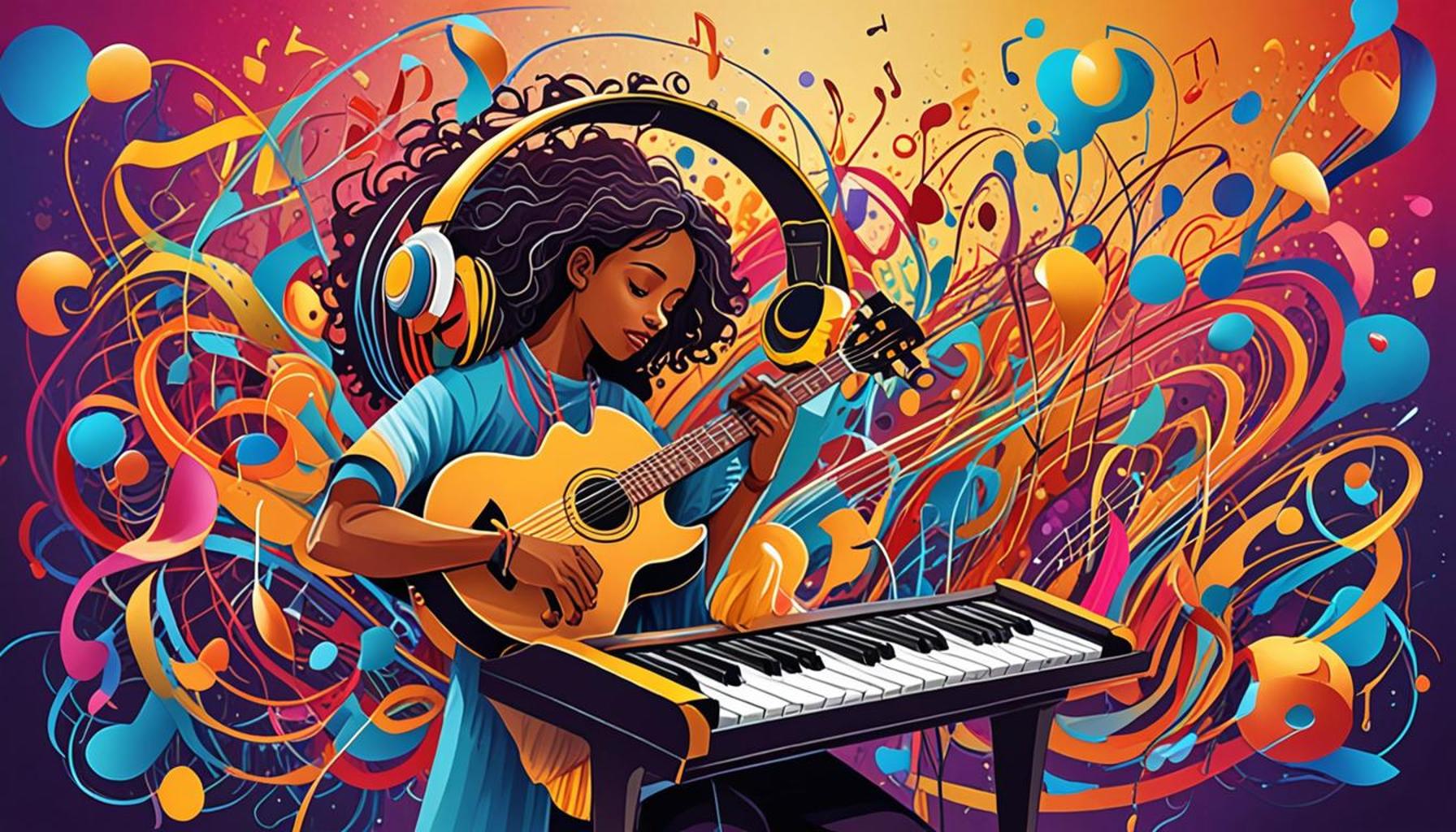
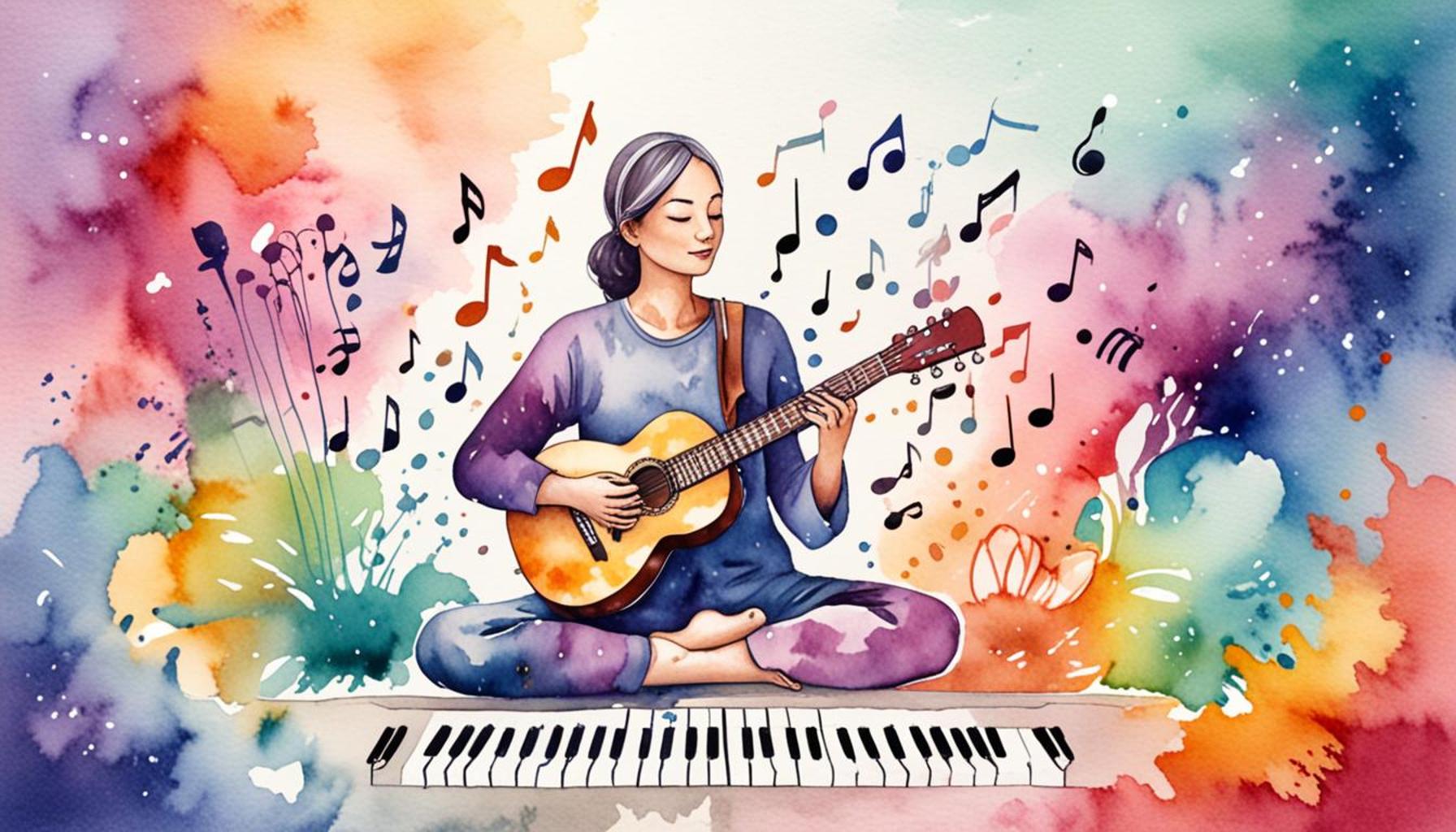
The journey of self-discovery through musical composition
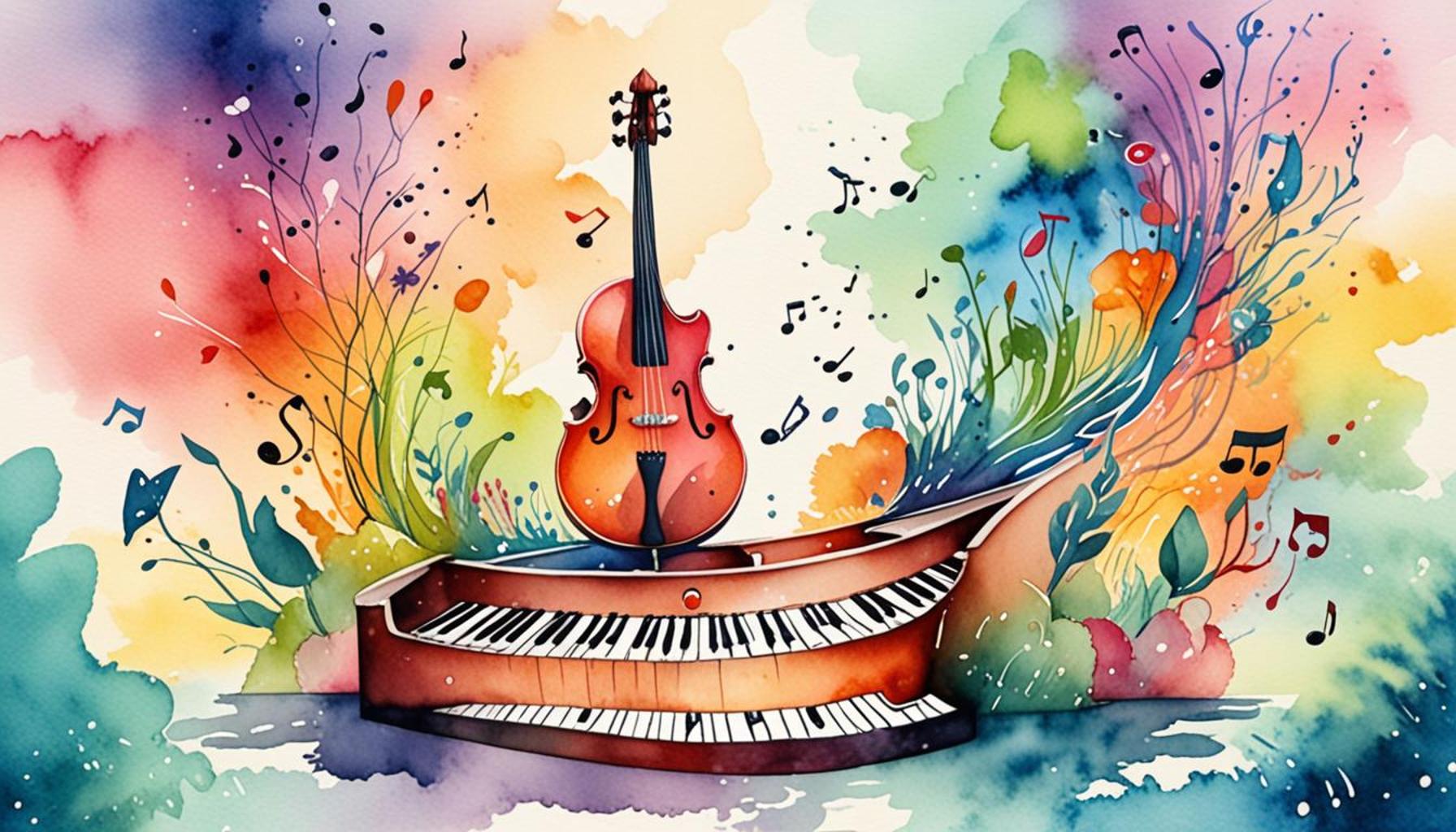
The Journey of Music and Self-Discovery
Music has always served as a powerful medium of expression, transcending mere entertainment to become a tool for emotional exploration and self-awareness. Through the art of musical composition, individuals embark on a profound journey of self-discovery, where the creative process mirrors their thoughts and feelings. Each chord struck and lyric penned can reveal layers of personal experience, allowing composers to communicate emotions that may otherwise remain silent.
As composers immerse themselves into their craft, they often navigate through various dimensions of their selves, discovering not only their talent but also their identity. One significant aspect of this exploration includes:
- Emotional Landscapes: Each note can serve as a representation of a particular feeling or memory. For instance, a minor key might evoke sadness or nostalgia, while a major key can inspire joy and optimism. Composers might find themselves revisiting cherished childhood moments or grappling with loss, allowing their music to become a soundtrack for their life’s narrative.
- Cultural Influences: The diverse tapestry of musical styles—ranging from jazz and blues to country and hip-hop—reflects the rich cultural backgrounds of composers. A musician raised in a vibrant New Orleans neighborhood may incorporate elements of jazz and rhythm & blues, while someone from the Midwest might draw upon folk or country influences. This blending of genres creates a unique sound that is intrinsically tied to their identity.
- Personal Challenges: Composing music can serve as a therapeutic outlet for those facing life’s hurdles. For example, artists like Taylor Swift often channel their personal adversities, such as heartbreak or betrayal, into their work, resulting in songs that resonate deeply with listeners undergoing similar experiences. Such reflections not only heal the composer but also forge connections with their audience.
The act of composing music goes beyond mere creation; it becomes a transformative experience that can illuminate various aspects of an individual’s being. Through this creative outlet, composers often uncover:
- Passions and Interests: Discovering one’s musical preferences can lead to revelations about broader interests and even career paths. A budding musician might find that they thrive in writing upbeat, motivational tracks, suggesting a personality drawn towards positivity and inspiration.
- Life Experiences: Each composition often serves as a mirror reflecting significant milestones, from celebrating achievements to coping with loss. An epic ballad might commemorate a wedding, while a fast-paced rock anthem could echo the exhilarating highs of youth.
- Creativity: The challenge of innovating and experimenting with different sounds and arrangements pushes composers to expand their limits. This exploration not only nurtures creativity but also fosters resilience as they learn to navigate failures and setbacks within their artistic endeavors.
The musical journey of composition is profoundly personal, yet its themes resonate universally. By probing the intricate relationship between self-discovery and music, individuals have the potential to unlock new facets of their identity, inviting a richer understanding of themselves. Whether you’re a seasoned composer or someone who finds solace in listening, the world of music offers endless opportunities for introspection and growth.
DISCOVER MORE: Click here to enhance your understanding of teamwork in writing
Unveiling Emotions Through Sound
The journey of self-discovery through musical composition often begins with a single note—a moment that captures the essence of an emotion. As composers dive deeper into their craft, the relationship between their inner world and musical expression becomes increasingly intricate. This interconnection leads to profound revelations about who they are and what they feel. One crucial aspect of this journey is the role of emotion, which serves as both a catalyst and a compass in the creative process.
When crafting a piece, musicians frequently tap into core feelings that drive their artistic expression. These emotions can be as diverse as the genres of music itself, and they often stem from personal experiences, relationships, and aspirations. Consider the following dimensions of emotional exploration through musical composition:
- Melodic Memory: Many composers draw inspiration from memories that evoke strong emotional responses. A melody might resonate with a joyful family gathering or recall a bittersweet moment from the past. These auditory snapshots not only beautify the composition but also serve as vessels for storytelling that connect with listeners on a deeper level.
- Thematic Chords: Composers often use chord progressions to elicit various feelings. For example, the classic I-IV-V-I progression can invoke feelings of resolution and comfort, while dissonant chords can illustrate discomfort or tension. By manipulating these musical elements, composers can articulate their emotional landscapes, conveying subtle nuances that words may not capture.
- Improvisation as Reflection: The act of improvisation encourages spontaneity and instinctive choices, allowing composers to play through their feelings in real-time. This immediacy often leads to unexpected breakthroughs and personal insights. Many artists, such as jazz musicians, often emphasize the significance of improvisational practice as a path to understanding their emotional core.
In addition to emotional exploration, the journey of self-discovery through musical composition also involves cultural connections. Composers draw upon their heritage and surroundings, seamlessly weaving these influences into their work. This cultural tapestry not only enriches the music but also cultivates a sense of belonging and identity. Musicians from varying backgrounds—be it Latino, Native American, or African American—integrate traditional elements from their cultures, resulting in unique compositions that reflect their story and community.
The implications of this cultural expression can be profound. For instance, artists like Lin-Manuel Miranda have transformed historical narratives through musical theater, providing audiences with compelling representations of identity and social issues. Similarly, genres like hip-hop have become powerful platforms for voices often marginalized in mainstream media, inviting introspection on race, class, and the struggle for equity.
The journey of self-discovery through musical composition is multifaceted, as it encompasses the healing power of creative expression. Engaging with one’s emotions and cultural heritage allows for deeper self-inquiry, enabling composers to uncover personal truths amid the notes and rhythms. As they venture forward, these musical storytellers find themselves not only learning about their craft but also illuminating beloved aspects of their identity along the way.
| Advantages | Insights |
|---|---|
| Emotional Expression | Musical composition serves as a profound outlet for emotions, allowing individuals to channel feelings into creative work. |
| Personal Growth | Engaging in music creation promotes self-reflection and enhances confidence, paving the way for confidence and self-discovery. |
The journey of self-discovery through musical composition is a profound experience that intertwines personal and artistic development. Composers often manifest their innermost thoughts and emotions through notes and chords, creating a bridge between the heart and the mind. This meticulous craft encourages introspection, revealing aspects of one’s identity that may remain unknown. Moreover, as musicians explore various genres, they uncover diverse influences from their life experiences, cultural backgrounds, and personal challenges. This exploration not only enriches their creations but also cultivates a deeper understanding of self and the world around them. The collaborative nature of musical composition further enriches this process, inviting individuals to share their thoughts and identity with others. Collaboration can lead to unexpected revelations, offering new perspectives on familiar emotions and experiences. Understanding the crucial link between musical creation and personal identity is vital. Each note penned is not just a sound but a reflection of the composer’s journey of self-exploration. This powerful realization propels many to delve further into their musical endeavors, making the entire process not only fulfilling but transformative.
DISCOVER MORE: Click here to dive deeper
Crafting Identity Through Collaboration
Another significant dimension of the journey of self-discovery through musical composition lies in the collaborative process. Working alongside other musicians can challenge and enhance a composer’s understanding of their own voice. Collaboration introduces a diversity of perspectives and techniques that can push individuals beyond their creative comfort zones. Collaboration isn’t just about pooling ideas; it’s a dialogue that can create a fertile ground for new insights and revelations.
In genres such as rock and pop, collaboration is often seen as a key ingredient for innovation. For example, collaborations among artists like Beyoncé and Jay-Z demonstrate how combining distinct styles can yield groundbreaking works that resonate with a broader audience. The interplay of their creative energies doesn’t just deliver a polished product; it reveals pieces of their individual stories and identities, often shining a light on personal struggles, triumphs, and shared histories.
- Co-Writing as Exploration: The process of co-writing songs encourages composers to express vulnerabilities they might otherwise not confront alone. Co-writing can often lead to unexpected themes emerging within the music, as other artists bring their own narratives and emotional landscapes into the mix. This shared experience can serve as a catalyst for deeper self-discovery, allowing each collaborator to reveal and confront hidden aspects of their identity.
- Inclusivity of Voices: Many contemporary composers are prioritizing inclusivity in their collaborations, inviting artists from diverse backgrounds to participate. For example, the genre of folk music has seen a rich tapestry of voices coming together, reflecting a broader array of experiences and stories. This blending not only promotes a sense of community but also aids in dismantling the traditional boundaries that often confine musical expression.
Moreover, the experiences garnered from collaboration can serve as a microcosm for understanding larger social dynamics. By working with musicians from varying racial, socioeconomic, and cultural backgrounds, composers not only enrich their works but also engage in meaningful dialogues about identity and representation. This aspect of musical collaboration encourages a greater sense of empathy and understanding—a theme central to many compositions today.
The Role of Technology and Modern Platforms
The digital age has revolutionized the way composers collaborate. Through platforms like SoundCloud, Bandcamp, and social media, musicians can connect with others globally, sharing innovative ideas and influences that weren’t as accessible before. This connectivity enables composers to explore unconventional partnerships and allows for a broader engagement with their audience. The implications are profound: musicians can now share their struggles and stories with listeners from all walks of life, transcending geographical borders and cultural divides.
Furthermore, technology fosters experimentation with sound and structure, facilitating composers’ ability to reflect on their identities more profoundly than ever before. Tools like digital audio workstations (DAWs) allow for endless modifications and explorations of sound that can surface hidden layers of a composer’s psyche. As a result, the journey becomes less about adhering to traditional forms and more about molding music to accurately reflect the composer’s evolving sense of self.
Ultimately, the journey of self-discovery through musical composition is a layered experience enriched by collaboration and innovation. With each collaboration and technological advancement, composers not only create music but also unveil facets of their identities that may have remained dormant otherwise. This ongoing exploration transforms music into a powerful conduit for personal and cultural expression, fostering connections that can traverse both time and place.
DIVE DEEPER: Click here to discover the role of music in your life
Finding Harmony in Self-Exploration
In conclusion, the journey of self-discovery through musical composition serves as a profound exploration of not only individual identity but also the intricate connections we share with others. Through collaboration, artists glean insights that might have otherwise remained hidden within the confines of their creativity. By engaging with diverse voices and perspectives, composers can challenge their own narratives, allowing for a richer tapestry of sound that reflects both personal and collective experiences.
The advent of technology has further catalyzed this journey, providing platforms where musicians can share their stories with global audiences. This democratization of music-making facilitates innovative partnerships and greater inclusivity, broadening the scope of expression. In this interconnected landscape, the creative process evolves into a mirror of society, beckoning composers to reflect on pressing themes of identity, vulnerability, and empathy.
Ultimately, as composers craft their musical narratives, they embark on a transformative path towards self-awareness and authenticity. The melodies and harmonies they create not only tell their individual stories but also resonate deeply with listeners from all walks of life. As we listen, we too engage in our own journeys of self-discovery, prompting us to explore the complexities of our identities through the universal language of music. The journey is ongoing, and the possibilities for exploration are limitless, inviting all of us to embrace our unique musical odysseys.