The Psychology of Handicrafts: How Manual Creation Can Improve Mental Health and Self-Esteem
The Therapeutic Benefits of Crafting
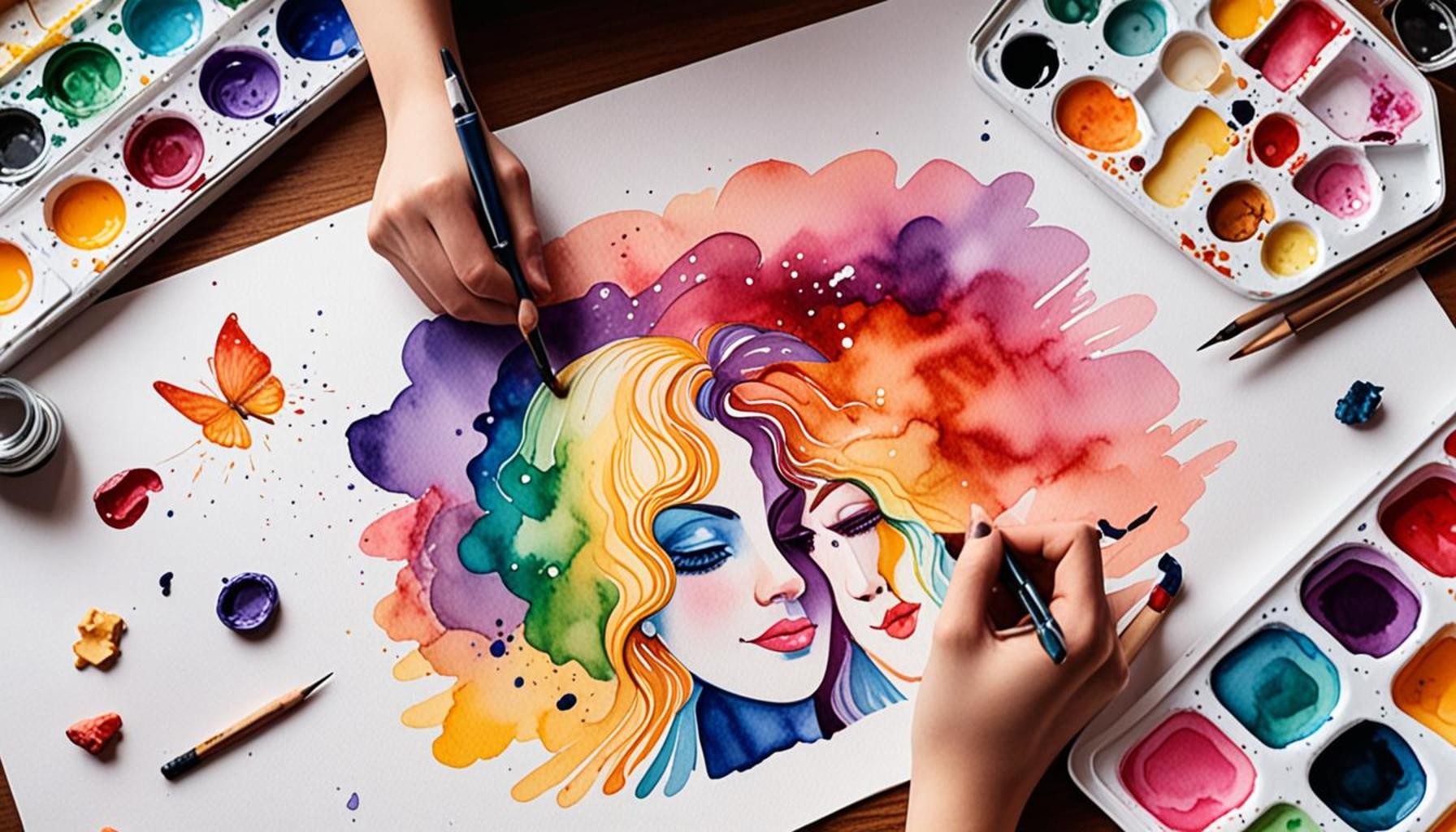
Engaging in handicrafts offers individuals more than a means of creative expression; it serves as a powerful avenue for enhancing mental health and building self-esteem. The intrinsic act of making something with one’s hands establishes a profound connection between the creator and their creation. This interaction leads to several psychological benefits that resonate deeply with many individuals seeking solace in creativity.
Research substantiates that manual creation can:
- Reduce stress and anxiety through focused activities that distract from everyday worries.
- Foster a sense of accomplishment and pride as crafters can see tangible results from their efforts.
- Enhance fine motor skills while promoting mindfulness and concentration, as attention to detail becomes vital in the crafting process.
Crafting activities, such as knitting, woodworking, or pottery, not only offer therapeutic benefits but also create a supportive community. In the United States, initiatives promoting craft therapy have gained popularity, encouraging individuals to seek comfort and expression through creative endeavors. One notable program is the “Knitting for Peace” initiative, which combines crafting with social good by encouraging knitters to create items for those in need, effectively combining community bonding with the calming effects of knitting.
Additionally, the repetitive motions involved in various crafts can lead to a meditative state, providing a platform for profound self-reflection and emotional clarity. Activities like painting or candle-making allow participants to focus solely on the task at hand, temporarily quieting the mind and creating space for emotional exploration.
The Psychology of Crafting
The fascinating interplay between creativity and mental well-being is multifaceted. Studies indicate that engaging in art and craft activities can significantly decrease cortisol levels, the body’s primary stress hormone. This physiological response is linked to improved mood and reduced feelings of tension and anxiety. Furthermore, a creative outlet promotes self-expression, allowing individuals to explore their emotions through their creations.
For many, crafting is not just a pastime; it becomes a lifeline. For example, during the COVID-19 pandemic, individuals turned to arts and crafts not only to pass the time but also to cope with the isolation many experienced. Social media platforms like Instagram and Pinterest fostered communities where enthusiasts could share their creations, garner support, and inspire one another.
As we delve deeper into the world of handicrafts, it becomes evident that these activities are more than mere hobbies. They are essential tools for mental health improvement, providing emotional release and a sense of purpose in a fast-paced world. Embracing the art of crafting could be the key to unlocking personal potential and emotional well-being.
DISCOVER MORE: Click here to explore upcycling techniques
The Transformative Power of Crafting
Crafting is more than a simple hobby; it can catalyze lasting changes in one’s mental health and self-esteem. When individuals engage in hands-on activities, they are not merely filling their time; they are stepping into a world where their creativity blooms, and their emotional burdens begin to lighten. According to a study published in the journal Art Therapy, individuals who partake in creative activities report heightened positive emotions and lower anxiety levels. This phenomenon is largely attributed to the hands-on nature of crafting, which demands focus and a departure from daily stressors.
One of the most remarkable aspects of handicrafts is their ability to foster a sense of purpose. Many crafters find that the process of creating something from scratch—whether it’s a handmade piece of jewelry, a painted canvas, or a hand-knit sweater—instills a profound feeling of accomplishment. This tangible output can serve as a visual reminder of one’s capabilities, reinforcing a positive self-image. In fact, experts in psychology claim that completing a project generates a sense of achievement that can be crucial for those grappling with low self-esteem.
Moreover, the act of creating can lead to increased mindfulness. Crafting requires individuals to be present and engaged with the materials before them, effectively pushing aside worries and fostering a meditative state. Many practitioners find that this process not only enhances their focus but also encourages a form of self-reflection. The repetitive motions involved in activities such as pottery, weaving, or even adult coloring can induce a calming effect, similar to the practice of meditation. This serenity is particularly beneficial for individuals managing anxiety, as it allows for greater emotional regulation.
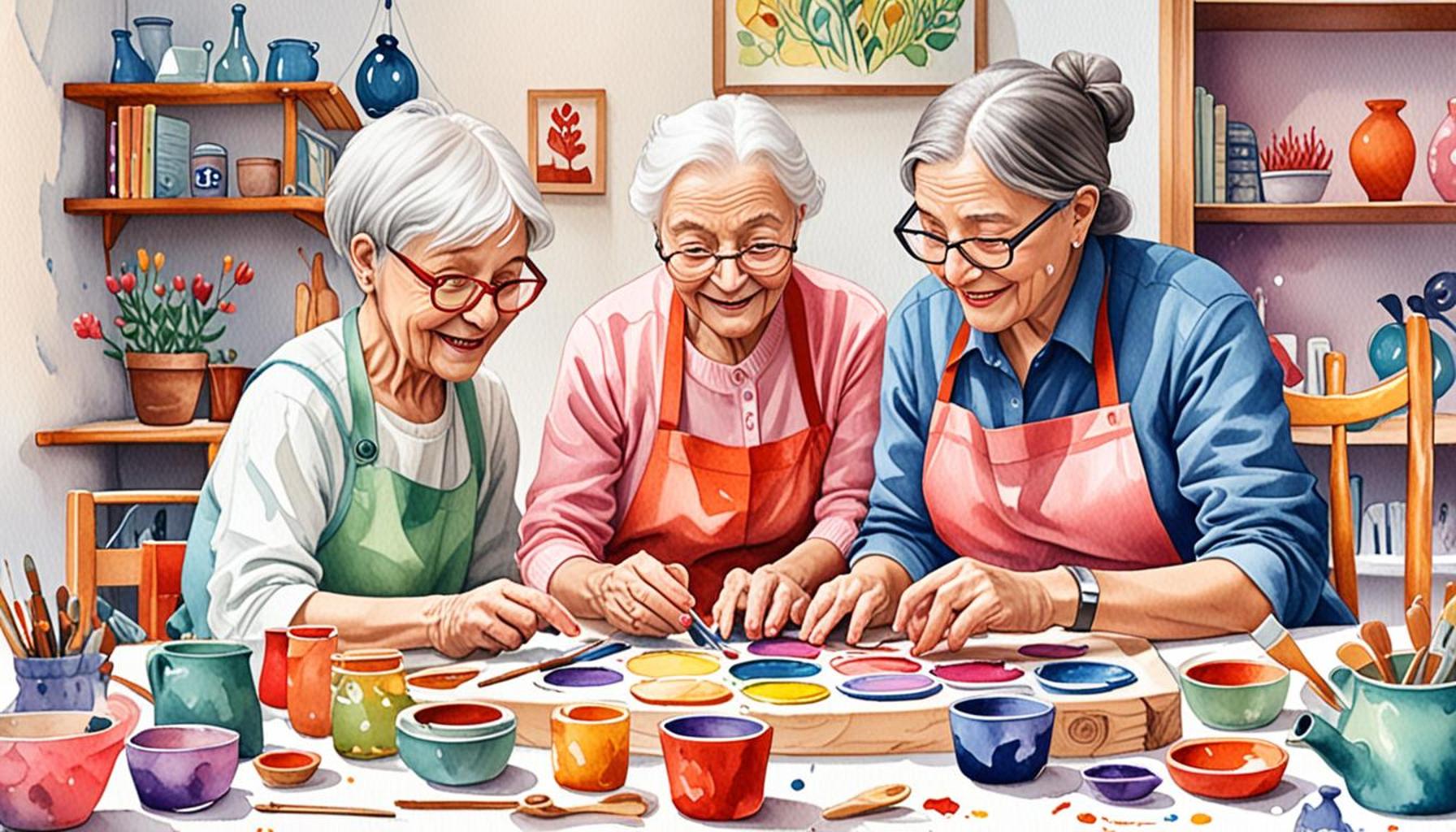
Additionally, the social dimensions of crafting play an essential role in its psychological benefits. Joining a crafting group or participating in workshops offers camaraderie and support, promoting social interactions that can enhance one’s quality of life. The sharing of ideas, tips, and encouragement creates positive bonds among participants. Evidence from various crafting communities suggests that these interactions can lead to increased social ties, which are crucial for fostering a sense of belonging—an important factor in mental well-being.
- Improved mental clarity: Crafting allows the mind to focus on constructive tasks, reducing clutter and chaos in thoughts.
- Cultivation of creativity: The freedom to create fosters innovative thinking, helping individuals discover new facets of themselves.
- Community engagement: Group crafting initiatives provide not just the joy of creating but also a sense of shared experience, which is uplifting.
As we consider the myriad benefits of handicrafts, it’s evident that these activities are not simply pastimes; they are a pathway to enhanced mental health and well-defined self-worth. Embracing crafting is an invitation to rediscover one’s capabilities and a means to soothe the mind in times of distress. As we continue to explore the psychological effects of manual creation, we will uncover how various crafts can be tailored to individual needs, contributing to unique journeys of healing and self-discovery.
| Advantage | Impact on Mental Health |
|---|---|
| Enhanced Mindfulness | Engaging in crafts promotes a state of mindfulness, helping reduce anxiety and increase focus. |
| Boosted Self-Esteem | Creating tangible items fosters a sense of accomplishment, directly contributing to improved self-worth and identity. |
Engaging in handicrafts offers numerous advantages for mental health and self-esteem. One notable benefit is the promotion of enhanced mindfulness. When individuals immerse themselves in manual creation, they often experience a meditative state that reduces anxiety and helps sharpen focus. This shift in attention can lead to a more serene mindset and greater emotional clarity, which is desirable in our fast-paced world.Moreover, handicrafts provide a unique avenue for boosting self-esteem. The act of bringing an imaginative idea to life instills a strong sense of achievement. Individuals who create tangible items feel validated and embrace their creative identity, which, in turn, elevates their overall self-worth. Knowing that they can produce something meaningful fosters a deeper understanding of their capabilities, allowing them to navigate personal and social challenges with greater confidence. By actively participating in these creative activities, one not only nurtures their mental health but also cultivates a robust sense of self that can positively influence other areas of life, illustrating the profound impact that manual creation can have.
DIVE DEEPER: Click here for inspiring DIY projects
Coping Strategies Through Crafting
In addition to fostering self-esteem and enhancing mindfulness, crafting has emerged as a powerful tool for developing effective coping strategies. For individuals grappling with stress, depression, or anxiety, engaging in creative pursuits serves as a therapeutic outlet, facilitating emotional expression. A study from the American Journal of Public Health highlights that activities such as quilting and knitting have demonstrated significant reductions in the symptoms of depression among participants. This therapeutic aspect of crafting enables individuals to confront their feelings, providing a constructive means to process complex emotions.
Crafting also promotes resilience, empowering individuals to tackle challenges both within and outside the creative sphere. The process of creating something with one’s own hands inherently comes with trials and errors. Learning to embrace imperfections, whether it’s a wonky stitch in knitting or a smudge in painting, fosters a growth mindset. This acceptance can transfer to other areas of life, encouraging individuals to face setbacks with patience and determination. Research indicates that those who engage in creative activities are more likely to develop a sense of agency, bolstering their ability to navigate life’s uncertainties.
- Emotional release: Crafting provides a safe space to channel feelings into something tangible, serving as both an emotional outlet and a source of comfort.
- Skill development: As individuals practice crafting, they cultivate new skills that can lead to sustained confidence and a greater sense of self-reliance.
- Empowerment through creation: The act of making something from the ground up allows individuals to reclaim autonomy over their lives, reinforcing their belief in their creative potential.
The diversity of crafting avenues also lends itself to tailored coping mechanisms. For instance, individuals wanting to cultivate tranquility may find solace in knitting or crocheting, while those seeking to unleash their imaginative flair could gravitate toward painting or woodworking. Such activities not only align with personal preferences but also enhance the therapeutic benefits derived from crafting. As a flexible form of self-care, handicrafts can be adapted to various levels of difficulty, allowing individuals to engage at their own comfort and skill level.
Moreover, the accessibility of crafting materials contributes to its appeal as a therapeutic practice. Much of what is needed for crafting can be found at home or sourced affordably, making it an attainable option for many. Community resources, like local art supply stores, workshops, or online tutorials, further support individuals in their crafting journeys. The wide availability of resources fosters not only creativity but also inclusivity. This inclusivity ensures that people from all walks of life are empowered to explore their artistic capabilities.
The Role of Digital Platforms
Today, the rise of digital platforms has transformed how individuals engage with handicrafts, providing access to virtual crafting communities and instructional resources. Websites and apps focused on crafts encourage sharing experiences and ideas among users, allowing for collaboration and inspiration. This burgeoning digital space not only widens the reach of crafting but also acts as a supportive network for individuals seeking help or encouragement during their creative endeavors. Studies suggest that online crafting communities can enhance participation and sustain motivation, reinforcing the psychological benefits inherent in this pursuit.
As we delve deeper into the intersection of crafting and mental health, it becomes increasingly clear that manual creation is a multifaceted practice. From empowering individuals to cultivate their unique identities to providing vital coping strategies, crafting serves as an effective means of addressing and improving mental wellness. The myriad tools and spaces available in the crafting world signify an exciting evolution, inviting more individuals to explore the benefits that accompany the simple act of creation.
DISCOVER MORE: Click here to dive deeper
Conclusion: The Transformative Power of Crafting
In conclusion, the exploration of the psychology of handicrafts reveals a profound relationship between manual creation and mental health. Crafting not only fosters self-esteem and nurtures mindfulness, but also acts as a powerful mechanism for emotional healing and personal growth. As individuals immerse themselves in activities like knitting, painting, or woodworking, they cultivate essential coping strategies that promote resilience and self-reliance. The therapeutic benefits derived from these creative pursuits affirm their role in addressing issues such as stress, anxiety, and depression.
The adaptability of crafting to various preferences and skill levels opens the door to an inclusive environment where everyone has the opportunity to harness their creative potential. Furthermore, the integration of digital platforms amplifies this experience, connecting individuals to supportive communities that encourage collaboration and boost motivation. With the accessibility of resources, anyone can start their journey into the enriching world of handicrafts—from DIY projects at home to classes offered in local art centers.
As we continue to recognize the importance of mental well-being in our fast-paced society, incorporating crafting into self-care routines may be one of the simplest yet most impactful changes individuals can make. Ultimately, embracing the art of manual creation not only enriches lives but also facilitates a deeper understanding of oneself. This journey invites us to not only create but to heal, empowering communities and promoting a culture where artistic expression is celebrated as a vital aspect of mental health.