The relationship between music and meditation: how musical practice can promote mindfulness
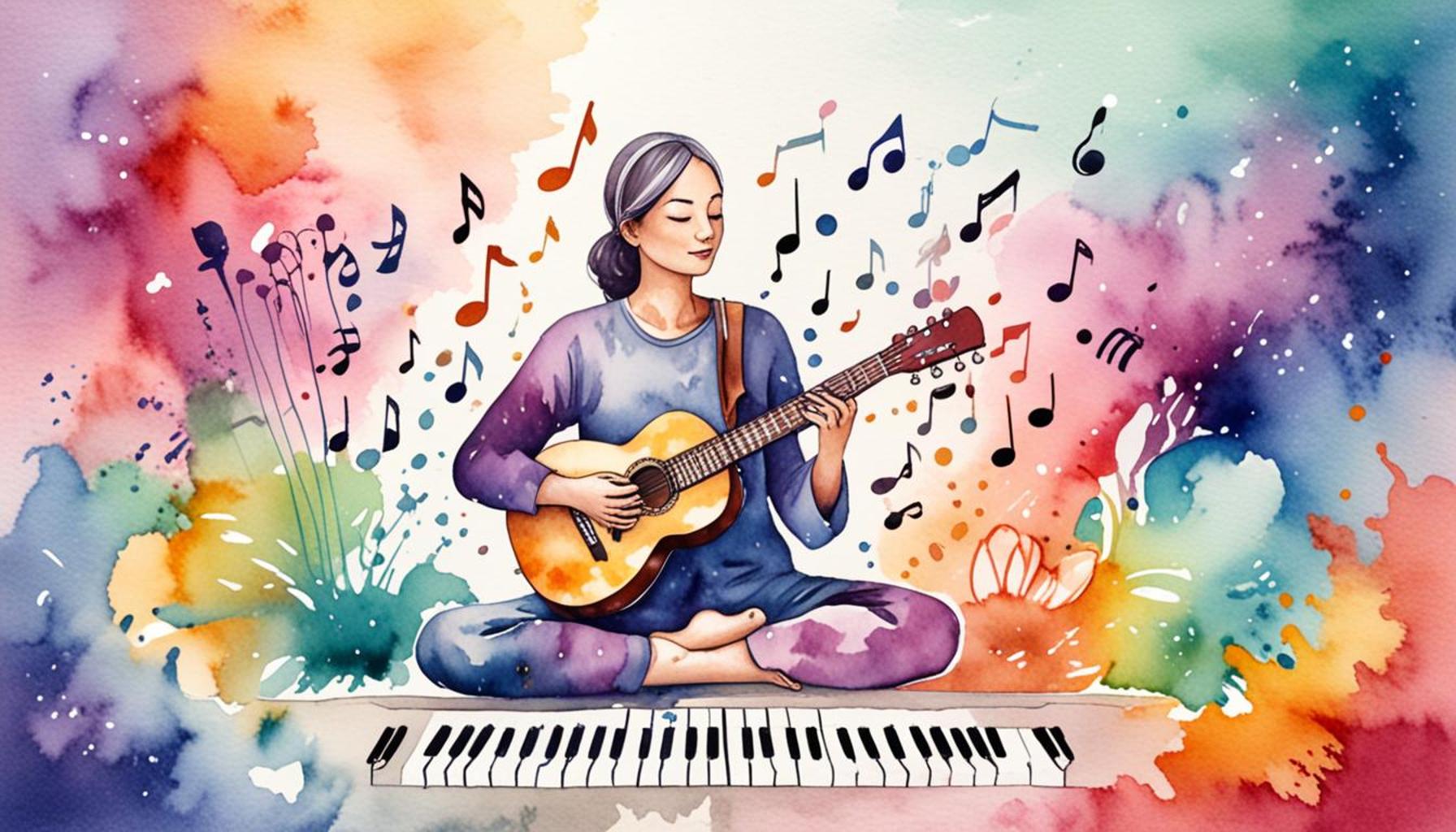
Understanding Music’s Role in Cultivating Inner Peace
In an era characterized by relentless hustle and bustle, many individuals are turning to various techniques to cultivate mindfulness and inner peace. Among these techniques, the synergy between music and meditation is emerging as a focal point of research and practice. Music, which forms an integral part of human expression and culture, has been shown to play a pivotal role in enhancing the practice of meditation, thereby offering unique pathways to improve overall well-being.
To grasp the powerful relationship between music and meditation, it is essential to delve deeper into several key aspects:
- Emotional Resonance: The ability of music to evoke profound emotional responses can facilitate emotional release during meditation. For instance, soft piano melodies or ambient sounds can lead listeners to a cathartic experience, allowing them to confront and process their feelings in a safe and supportive environment.
- Focus and Concentration: Specific rhythms and melodies can create an auditory backdrop that assists practitioners in honing their focus, making it simpler to attain meditative states. For example, traditional drumming patterns found in African and Native American cultures can serve to anchor one’s mind, preventing distractions and enhancing the meditative experience.
- Cultural Practices: Across various cultures, music plays an essential role in meditative rituals. For example, Tibetan singing bowls are used in Buddhist meditation to create resonant tones that help practitioners enter profound states of relaxation. Similarly, in Indian traditions, ragas are meticulously composed musical pieces intended to evoke specific emotional and psychological responses during meditation.
Emerging research highlights that fusing musical practices with meditation yields numerous benefits:
- Improved stress management by reducing cortisol levels
- Enhanced relaxation techniques that can lower blood pressure
- Greater clarity of thought and emotional stability, leading to improved decision-making and interpersonal relations
As you explore this captivating relationship, consider how you might incorporate musical elements into your own meditation routine. Reflect on the kinds of music that resonate with you—whether it be nature sounds, classical compositions, or modern instrumental tracks. What role could music play in your journey toward mindfulness? The responses you uncover may not only illuminate your meditation practice but may also empower you in your quest for tranquility and self-discovery.
In summary, embracing the interplay between music and meditation can lead to a profound transformation in how you connect with your inner self. Whether you are a seasoned practitioner or a newcomer, the incorporation of music into your meditation can serve as both a guide and a companion, allowing each session to be an opportunity for deeper reflection and relaxation.
DIVE DEEPER: Click here to discover upcycling techniques
Exploring the Psychological Benefits of Music in Meditation
The relationship between music and meditation is not merely a trivial observation; it is intricately linked to how the brain processes sound and its subsequent effects on the mind. Understanding this connection requires a closer examination of how the psychological benefits of music can serve as a powerful aid in enhancing mindfulness practices. Scientific studies indicate that the neuroscientific mechanisms behind music appreciation and meditation share common pathways, emphasizing the potential for musical practices to elevate meditative experiences.
Research suggests that listening to music can activate the brain’s reward centers, triggering the release of neurotransmitters such as dopamine. This chemical not only enhances feelings of motivation and pleasure but can also serve to elevate mood during meditation. When combined with meditative techniques, music can amplify these effects, encouraging a deeper engagement and facilitating a greater sense of presence in the moment.
Furthermore, music can act as a vehicle for mindful awareness, guiding practitioners to stay anchored in the present. The elements of music such as tempo, melody, and harmony can provide an auditory roadmap, allowing individuals to redirect their thoughts and maintain focus despite external distractions. Here are several ways in which music enhances mindfulness meditation:
- Creating a Calm Environment: Ambient music or sounds of nature can significantly reduce anxiety levels, setting a serene atmosphere that fosters deeper relaxation.
- Enhancing Breath Awareness: Certain musical compositions can synchronize well with breathing patterns, allowing individuals to cultivate their breath in harmony with the music, promoting a state of calm.
- Facilitating Visualization: Music often evokes imagery and memories, enabling practitioners to visualize peaceful scenes or experiences during their meditation sessions, deepening their meditative state.
Moreover, the structure of music itself—its rhythms, variations, and flows—can serve as a model for understanding the ebbs and flows of the mind during meditation. This aspect of musicality can be particularly beneficial for novice practitioners, who may struggle with the stillness required for meditation. By anchoring their focus on music, beginners can gradually cultivate mindfulness without the overwhelming pressure to maintain silence.
The art of incorporating music into meditation practices is not limited to any specific genre; rather, it invites a broad spectrum of sounds. Whether it’s the soft strumming of a guitar, the tranquil notes of a flute, or the intricate layers of electronic soundscapes, the variety allows individuals to select music that resonates with their personal journey toward mindfulness. Understanding your preferences can lead to a more customized meditation experience, enhancing your overall well-being.
Ultimately, integrating music into your meditation practice may help you navigate the complexities of modern life, providing a sanctuary where you can find clarity, peace, and self-discovery amidst the chaos. As we continue to explore this fascinating interplay, it becomes increasingly clear that music is not just a backdrop; it is a potent partner in the journey toward achieving lasting mindfulness.
| Category | Description |
|---|---|
| Musical Engagement | Participating in music, whether through active play or listening, can enhance mindfulness by encouraging a focused experience on the present moment. |
| Rhythm and Meditation | The repetitive nature of music can facilitate a meditative state, reducing anxiety and promoting a sense of peace as one immerses in rhythmic patterns. |
| Sound Frequencies | Specific sound frequencies can stimulate brain waves linked to deep relaxation and mindfulness states, helping individuals connect more profoundly with their emotions. |
| Emotional Release | Music can evoke strong emotions, which is an important step in meditation as it allows for self-reflection and processing feelings that contribute to mindfulness. |
Incorporating music into meditation practices not only enhances the experience, but also develops a deeper connection to the self. It encourages practitioners to embrace the complexity of their thoughts, fostering an environment conducive to mindfulness. Additionally, the synthesis of musical therapy along with meditation techniques can offer therapeutic benefits that further promote emotional well-being. The exploration of how this cognitive engagement intertwines with everyday life opens a path for individuals seeking balance and clarity through their daily routines. Music becomes a tool not just for entertainment, but a companion in one’s journey toward mindfulness, cultivating a greater awareness of self and surroundings.
DISCOVER MORE: Click here to learn about the significance of craft activities
The Transformative Power of Rhythm and Melody in Mindfulness Practices
Delving deeper into the relationship between music and meditation reveals another layer of significance—how rhythm and melody can profoundly influence the meditative experience. The interplay of these musical elements not only enhances mindfulness but also serves to alter brain wave activity, profoundly impacting emotional states and cognitive processes. Research indicates that specific rhythmic patterns can induce a trance-like state conducive to meditation, effectively reducing mental chatter.
The therapeutic rhythm found in drumming or repetitive percussive elements can act as a sonic anchor, luring the mind away from distractions and into a more focused state. This phenomenon is particularly evident in practices such as Shamanic drumming, where participants use rhythmic beats to transcend ordinary consciousness, leading to vivid states of awareness. With drumming interventions recognized as effective tools for reducing anxiety, one begins to understand the power that rhythm holds in mediative practices.
Moreover, melodic structures play a crucial role in shaping emotional responses, functioning as emotional maps that guide practitioners through their mindfulness journeys. For example, the spontaneous creation of melodies in a meditation session can trigger therapeutic emotional releases. This can be tied back to concepts found in both psychology and neuroscience, where melodic progression has been shown to correlate with changes in mood and cognitive receptivity.
The ambient music genre, which often fuses soothing soundscapes with gentle melodies, has become increasingly popular in mindfulness and meditation circles. Its ethereal quality can create a sense of timelessness and space, making it an ideal companion for introspective practices. One study highlighted that participants who meditated with ambient sounds reported higher levels of relaxation compared to those who practiced in silence. This elevates the conversation about how the choice of music can actively influence the quality of the meditative experience.
The Intersection of Culture and Musical Preference in Mindfulness
The exploration of music and meditation is also deeply tied to cultural contexts, where various musical traditions offer unique insights into mindfulness practices. For instance, the use of Tibetan singing bowls in meditation is rooted in Buddhist traditions and assists practitioners in achieving deep states of consciousness through resonant vibrations. Similarly, the Sufi whirling incorporates music and dance as means to reach spiritual transcendence, demonstrating cultural diversity in how music can enhance meditative experiences.
In the United States, the rise of mindfulness programs in schools and workplaces has opened avenues for integrating diverse musical styles into meditation practices. Programs that utilize Hip-Hop meditation or contemporary genres resonate with younger audiences, making mindfulness accessible and engaging. These initiatives indicate a transforming landscape where the music-meditation connection can be tailored, reflecting cultural relevances and preferences.
The role of music in meditation is increasingly acknowledged as more than just an accompaniment; it is recognized as a catalyst for emotional healing and mental clarity. The intersection of rhythm, melody, and cultural elements enhances the practice of mindfulness by fostering a more profound connection to one’s thoughts and feelings. As individuals continue to explore music’s potential within meditation, it opens a realm of possibilities for personal growth and self-awareness.
DIVE DEEPER: Click here to discover more about enhancing creativity in artistic hobbies
Finding Harmony: The Future of Music in Mindfulness Practices
In conclusion, the intricate relationship between music and meditation offers a transformative approach to enhancing mindfulness practices. As we have explored, the impact of rhythm and melody extends far beyond mere accompaniment; these elements act as profound catalysts for emotional release, mental clarity, and deeper self-awareness. The physiological effects observed through rhythmic patterns and melodic structures illustrate music’s ability to shift cognitive states, foster tranquility, and reduce anxiety, further validating its role in meditation.
The intersection of cultural practices also enriches this dialogue, showcasing the diversity of musical methods utilized in meditation. From traditional Tibetan singing bowls to contemporary Hip-Hop meditation, these varied approaches highlight the adaptability of mindfulness practices in resonating with different audiences. This cultural inclusivity not only broadens accessibility but also makes mindfulness more relevant to the diverse population in the United States and beyond.
As we continue to witness the integration of music into mindfulness programs across educational institutions and workplaces, the potential for personal growth expands exponentially. The exploration of music’s role in meditation invites individuals to experiment with different sounds, rhythms, and melodies, enhancing their practice and enriching their lives. Ultimately, by recognizing and harnessing the unique synergy between music and meditation, we open new doors to achieving greater awareness, emotional resilience, and a profound connection with ourselves and our surroundings.