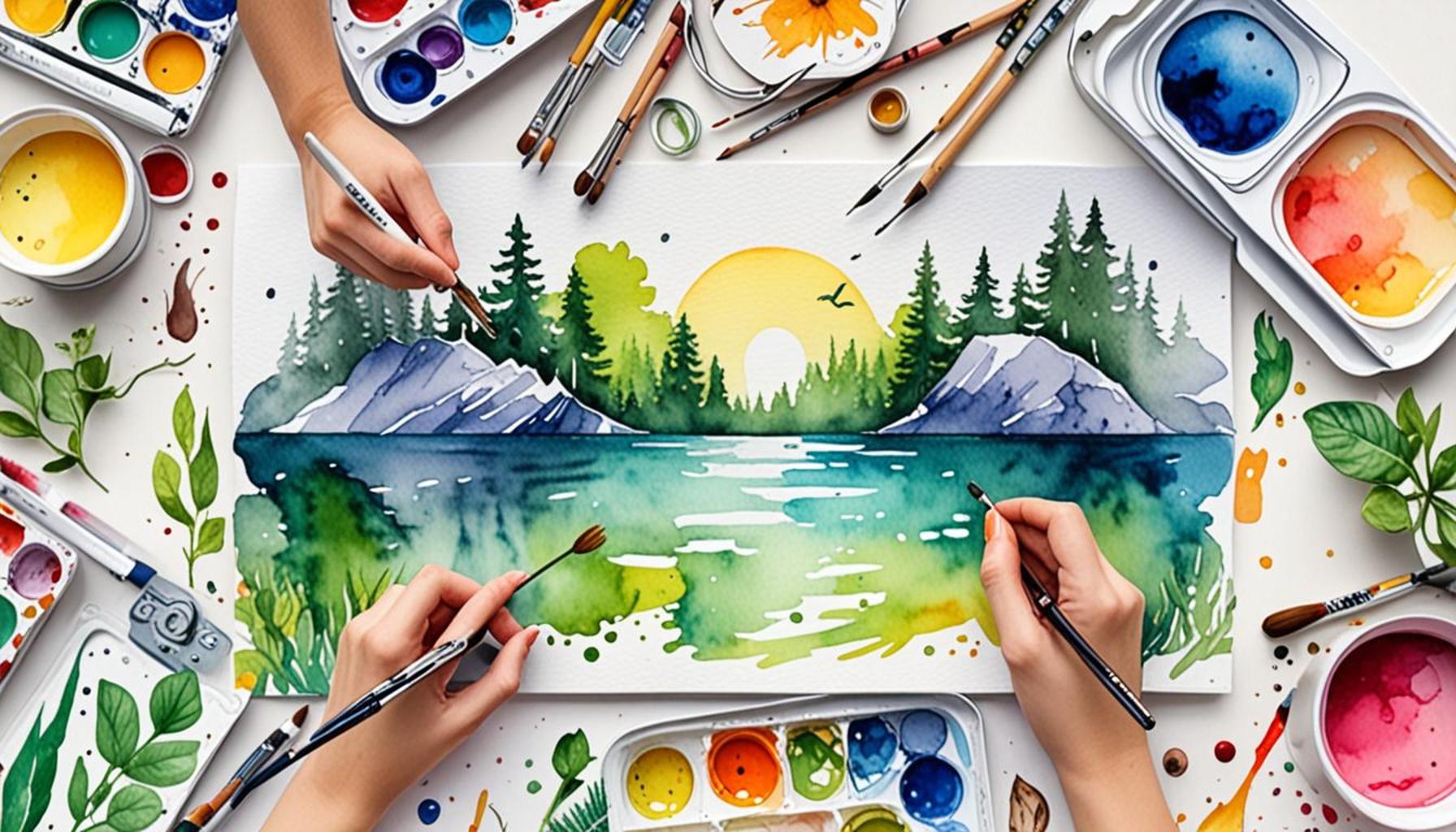
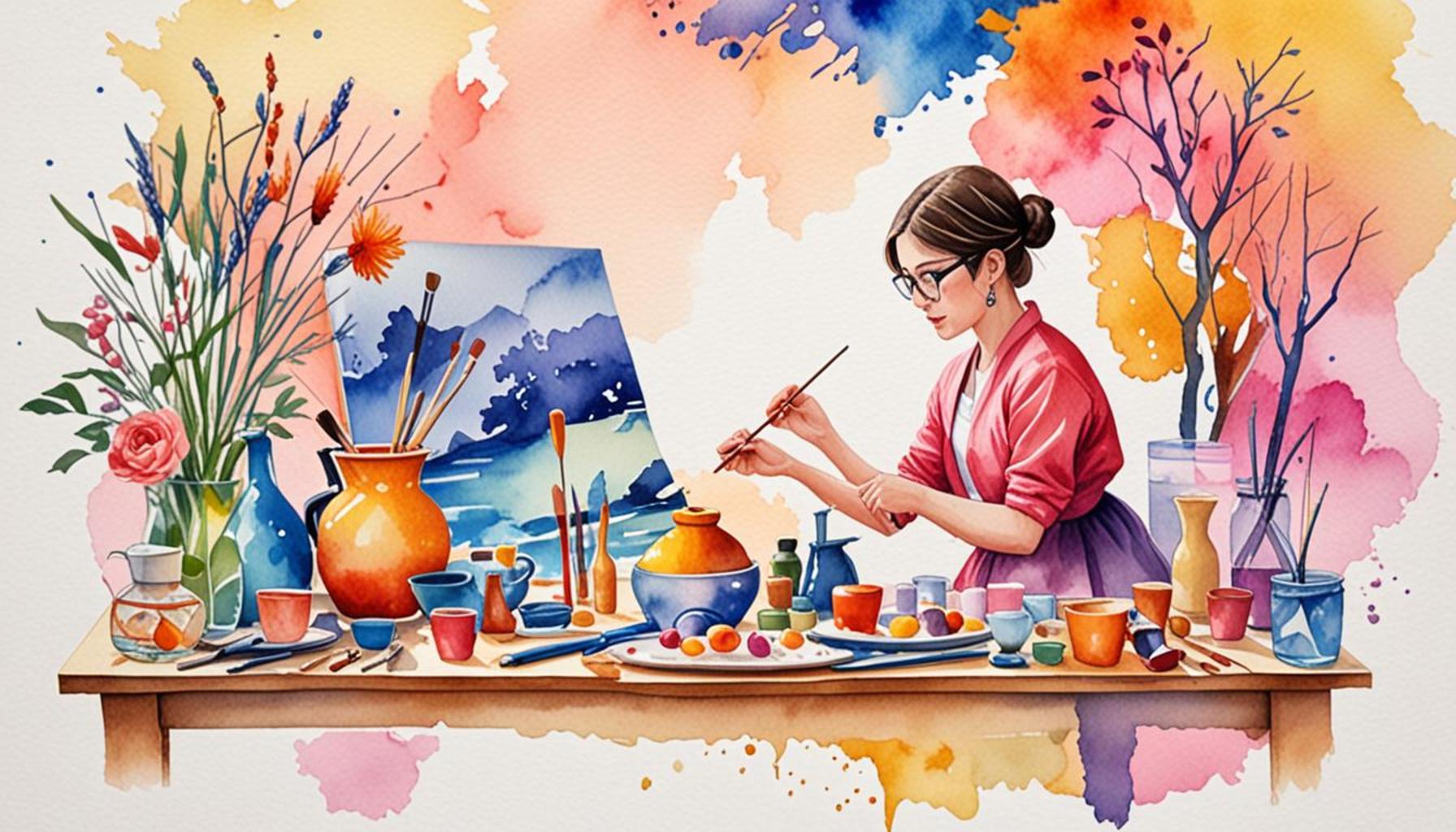
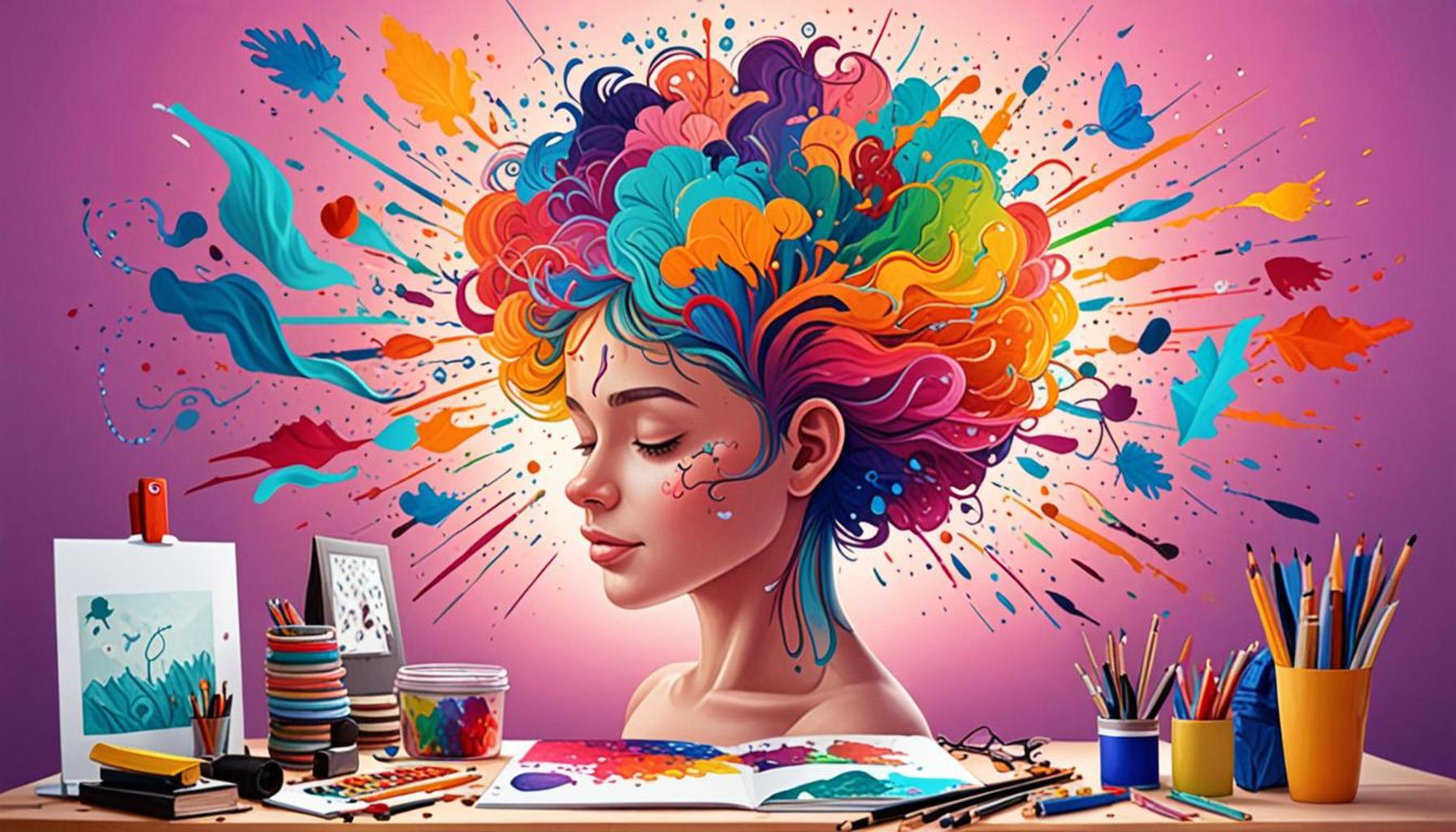
The role of art in building personal identity: how artistic hobbies aid in self-exploration and self-discovery
The Power of Artistic Expression
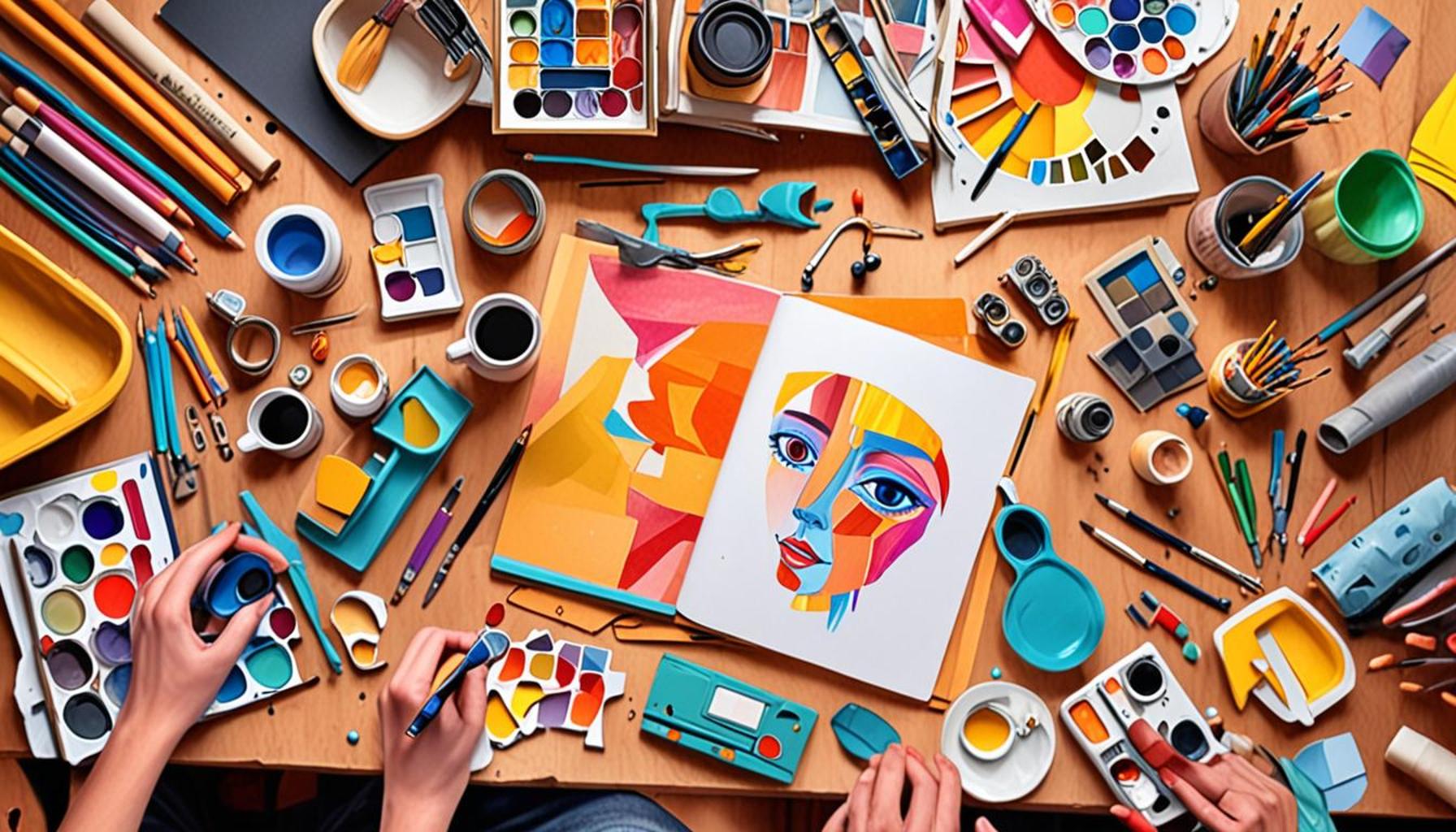
Art serves as a powerful medium for expressing our innermost thoughts, feelings, and identities. When individuals engage in artistic hobbies, they embark on journeys of self-exploration and self-discovery, which can lead to transformative personal growth. This exploration allows us to examine who we are, what we value, and how we connect with the world. Artistic expression presents an opportunity to not only reflect on personal experiences but also to explore our place within larger societal contexts.
Engaging in various artistic activities provides countless avenues for personal expression. Activities such as:
- Painting and Drawing: The visual arts allow individuals to convey emotions and concepts that words may fail to communicate; for instance, an abstract painting can reflect confusion or joy in ways that narratives can struggle to articulate. Artists like Mark Rothko and Frida Kahlo used their visual styles to explore complex emotions and personal narratives, inspiring viewers to confront similar feelings.
- Writing: Creative writing, poetry, or journaling helps articulate personal experiences and beliefs. Poetry slams and open mic nights across the United States have created platforms for individuals to share their stories, fostering a sense of validation and community among those who engage in similar struggles or triumphs.
- Music: Composing or playing an instrument provides a unique outlet for feelings and cultural heritage. Genres ranging from blues to hip-hop have roots in personal and collective narratives, allowing artists such as Billie Holiday and Kendrick Lamar to share their experiences and impacts of society on their lives through lyrics and melodies.
- Dance: Movement expresses individuality and can foster a deeper connection to one’s own body and emotions. Styles such as contemporary and hip-hop often serve as powerful forms of expression, touching on themes of identity, social issues, and personal experiences.
Engaging in these activities not only enhances our understanding of ourselves but also aids in forming meaningful connections with others. By sharing our creations, we can find communities that resonate with our experiences, whether through local art shows, writing groups, or music festivals. The simple act of sharing can lead to conversations that deepen interpersonal connections, allowing us to recognize our shared struggles and triumphs.
Furthermore, art encourages reflection and introspection, urging us to confront our identities in a myriad of ways. In a diverse country like the United States, artistic expression can bridge cultural gaps, allowing individuals from different backgrounds to share their unique stories and perspectives. The role of art is crucial—it equips us with tools to navigate the complexities of our existence while driving social change through awareness and dialogue.
In the crowded landscape of interpersonal and societal expectations, artistic expression becomes an essential tool for discovering and solidifying personal identity. As we delve deeper into the significance of artistic hobbies, it becomes clear how these pursuits empower us to explore our identities and contribute meaningfully to the world around us. Through art, we discover not only ourselves but also the shared human experience that binds us all.
DISCOVER MORE: Click here to dive deeper
Artistic Hobbies as Avenues for Self-Reflection
The journey of self-exploration and self-discovery through art begins when individuals immerse themselves in creative pursuits that resonate personally. Each artistic hobby offers a unique lens for viewing oneself and understanding deeper layers of personal identity. By engaging in creative activities, individuals can navigate their emotions, thoughts, and beliefs, fostering a clearer sense of self.
For many, art acts as a catalyst for introspection. Through the process of creating, individuals can often stumble upon feelings they were unaware existed. For example, when pouring paint onto a canvas or writing a heartfelt story, hidden emotions may surface, inviting a connection with one’s past experiences and shaping future aspirations. This act of discovery is not merely about producing a finished piece of work but about the journey itself—each stroke of a brush or line of poetry serves as a reflection of the creator’s evolving self.
Artistic hobbies also allow for personal narratives to emerge. Activities such as photography can communicate life stories through visual imagery, giving a voice to the silent struggles and triumphs that shape one’s identity. For instance, many photographers leverage social media platforms to share their work, utilizing hashtags that reflect their experiences with mental health or cultural identity. This not only reinforces their sense of self but also opens dialogues with others, fostering connections with those who may share similar journeys.
Moreover, the process of creating art can be therapeutic, often leading to significant emotional breakthroughs. Engaging in artistic expression allows individuals to release pent-up feelings in a constructive manner. Consider the impact of participating in a community dance troupe. Through movement, dancers connect with their bodies, confronting issues of body image and confidence while simultaneously discovering personal expression. This exploration can have profound effects on how they perceive themselves within the broader tapestry of society.
- Creative Writing: Writing memoirs, blogs, or short stories not only provides an outlet for expression but also enhances self-awareness. Through narrative construction, writers can examine life events from new perspectives, reshaping their understanding of these events.
- Music Composition: Creating music often serves as a powerful mechanism for healing and expression. The process of writing lyrics or composing melodies can facilitate emotional release, leading to poignant realizations about personal struggles and joys.
- Culinary Arts: Cooking can become a medium for exploring cultural identity. Immersing oneself in traditional recipes connected to one’s heritage can reinforce cultural pride and individuality while celebrating personal narratives through food.
As individuals engage in these artistic initiatives, the connections made with others who share similar passions further cultivate a sense of belonging. Joining local art classes, writing workshops, or community theater groups provides a supportive environment where shared experiences amplify the self-explorative journey. In this collective space, identities can be formed and reinforced, revealing the intrinsic links between personal expression and communal relationships.
By investigating the role of art in building personal identity, it becomes evident that the act of creating is much more than a pastime. It is a potent instrument for personal development, capable of revealing the multifaceted nature of our identities and bridging the gap between the self and society.
Artistic hobbies serve as powerful vehicles for self-exploration and self-discovery, allowing individuals to express emotions and thoughts that may be difficult to articulate verbally. Engaging in activities like painting, dancing, writing, or sculpting can facilitate a deeper understanding of oneself, revealing layers of identity that might otherwise remain hidden. Through the act of creating art, individuals often confront their innermost feelings, which can lead to significant personal insights. For instance, a painter may discover their life experiences reflected in their choice of colors and techniques, while a writer might find solace in crafting narratives that echo their struggles or aspirations. This process not only fosters creativity but also encourages personal reflection, helping artists to navigate their emotional landscapes effectively.Moreover, artistic hobbies promote mindfulness and presence, allowing individuals to immerse themselves fully in the process of creation. This engagement is vital in today’s fast-paced world, where distractions abound. The meditative aspect of art can help reduce anxiety and enhance emotional awareness, making it a therapeutic outlet for self-exploration. In addition, sharing art with others can further enhance the journey of self-discovery. Participating in community art projects or attending workshops offers opportunities for feedback and connection with like-minded individuals, reinforcing a sense of belonging. Collaborative art forms, such as theater or music, can deepen personal relationships by creating shared experiences, which contribute to the building of identity.The concept of artistic identity also plays a significant role in how individuals see themselves. By engaging in art, people can carve out a unique niche, defining who they are beyond societal labels. Embracing creativity can empower individuals, fostering confidence and self-acceptance as they develop their artistic voice. All these elements combined underscore the profound impact of art as a catalyst for not just personal growth but also as a means to understand our place within the broader cultural and social frameworks. As we explore the world of creativity, we gain not only skills and knowledge, but also the opportunity to rewrite the narratives of our lives.
DIVE DEEPER: Click here to discover more about the fusion of art and technology
Art as a Medium for Identity Expression and Transformation
The profound impact of artistic hobbies on personal identity extends beyond self-reflection; they serve as vital platforms for identity expression and transformation. Engaging in different art forms enables individuals to articulate their inner worlds, translating abstract thoughts and feelings into tangible creations. This process not only reinforces self-identity but also invites continuous evolution—a journey of becoming.
For many artists, visual art becomes a diary of sorts, where every piece of work captures a moment in time, encapsulating raw emotions and complex narratives. Artists like Kehinde Wiley and Frida Kahlo have famously utilized their canvases to confront social issues and personal experiences, illustrating how art can echo the struggles and strengths of marginalized identities. Galvanizing personal and political messages through brushstrokes fosters a bridge between individual expression and societal conversations. In a similar vein, mural artists often transform public spaces, inviting communities to engage with themes that resonate collectively, reinforcing identity in a shared cultural narrative.
The role of performing arts in shaping identity cannot be understated. Theater, for instance, allows individuals to assume various roles, providing a safe space to try on different identities. This playful exploration can lead to moments of profound self-realization. Consider the case of playwrights like Lin-Manuel Miranda, who create works that reach into their cultural heritage, instilling a sense of pride and self-affirmation within audiences. Performance as a form of storytelling not only enriches the artist’s personal journey but also fosters communal understanding and empathy around cultural experiences.
Furthermore, crafting and DIY projects empower individuals to transform commonplace materials into personalized expressions of self. From knitting to woodworking, these hobbies encourage hands-on engagement and satisfaction derived from creating something unique. This tangible connection to the creative process often allows individuals to examine and redefine their personal styles and preferences, reinforcing self-knowledge through tactile experiences. As communities organize crafting meetups or workshops, the bonds formed through collaborative projects also enhance feelings of belonging and mutual identity.
The advent of digital platforms has redefined how art intersects with personal identity. Social media channels like Instagram and TikTok provide artists with the opportunity to showcase their work to an audience, facilitating global conversations that were previously limited to localized spheres of influence. By sharing their creative journeys online, individuals not only market their art but also express their identities on a broader scale, influencing and engaging with diverse audience members. For example, platforms have birthed movements like #arttherapytips, where users share how art helped them navigate through personal crises, further promoting the idea that artistic hobbies are pivotal in self-exploration.
- Vlogs and Podcasts: These modern storytelling mediums allow individuals to discuss their artistic journeys, unraveling personal narratives in an accessible format. The act of speaking about one’s creative process can reinforce insights into personal identity, while simultaneously building community.
- Street Art: Merging art with activism, many street artists express personal and collective identities, challenging societal norms. This rebellious form of expression allows for a profound exploration of self in relation to the broader world, making public spaces a canvas for identity exploration.
- Fashion Design: Considering the power of clothing as a form of expression, fashion designers often create pieces that reflect their cultural heritage, personal stories, or social commentaries. This blend of art and identity showcases the ability to forge connections through personal style.
By delving into these various creative outlets, individuals not only reveal their personal identities but also explore the connections that bind them with others. Artistic hobbies foster a deeper understanding of self while simultaneously shaping the cultural landscape, illustrating the dynamic interplay between personal expression and collective identity.
DIVE DEEPER: Click here to expand your musical horizons</p
Conclusion: The Transformative Power of Art in Shaping Identity
Artistic hobbies undeniably play a pivotal role in shaping personal identity and facilitating a journey of self-exploration and self-discovery. Through various forms of creative expression—be it visual arts, performing arts, crafting, or digital platforms—individuals are empowered to articulate their experiences, emotions, and unique perspectives. This process not only enhances personal insight but also establishes connections with broader cultural and social narratives.
Moreover, the communal aspect of artistic endeavors fosters an enriched sense of belonging, as engaging in collaborative projects or shared experiences amplifies the exploration of identity within a collective context. The beauty of art lies in its ability to transcend individual experiences, resonating with others and prompting communal reflections on identity that can lead to social change. By sharing their stories through art, individuals contribute to dialogues that challenge societal norms and highlight diverse identities, ultimately strengthening the fabric of community.
As we navigate the complexities of modern life, the need for avenues of creative expression becomes increasingly vital. Artistic hobbies not only serve as a means of personal recreation but also as essential tools for healing and understanding oneself. To harness the transformative power of art is to engage in a lifelong pursuit of knowledge about one’s identity—an expedition that invites both personal growth and collective awareness. Embracing one’s artistic passions can unlock a world of possibilities, revealing the myriad ways in which art shapes who we are and how we connect with the world.