The Role of Musical Communities in Building Social Connections
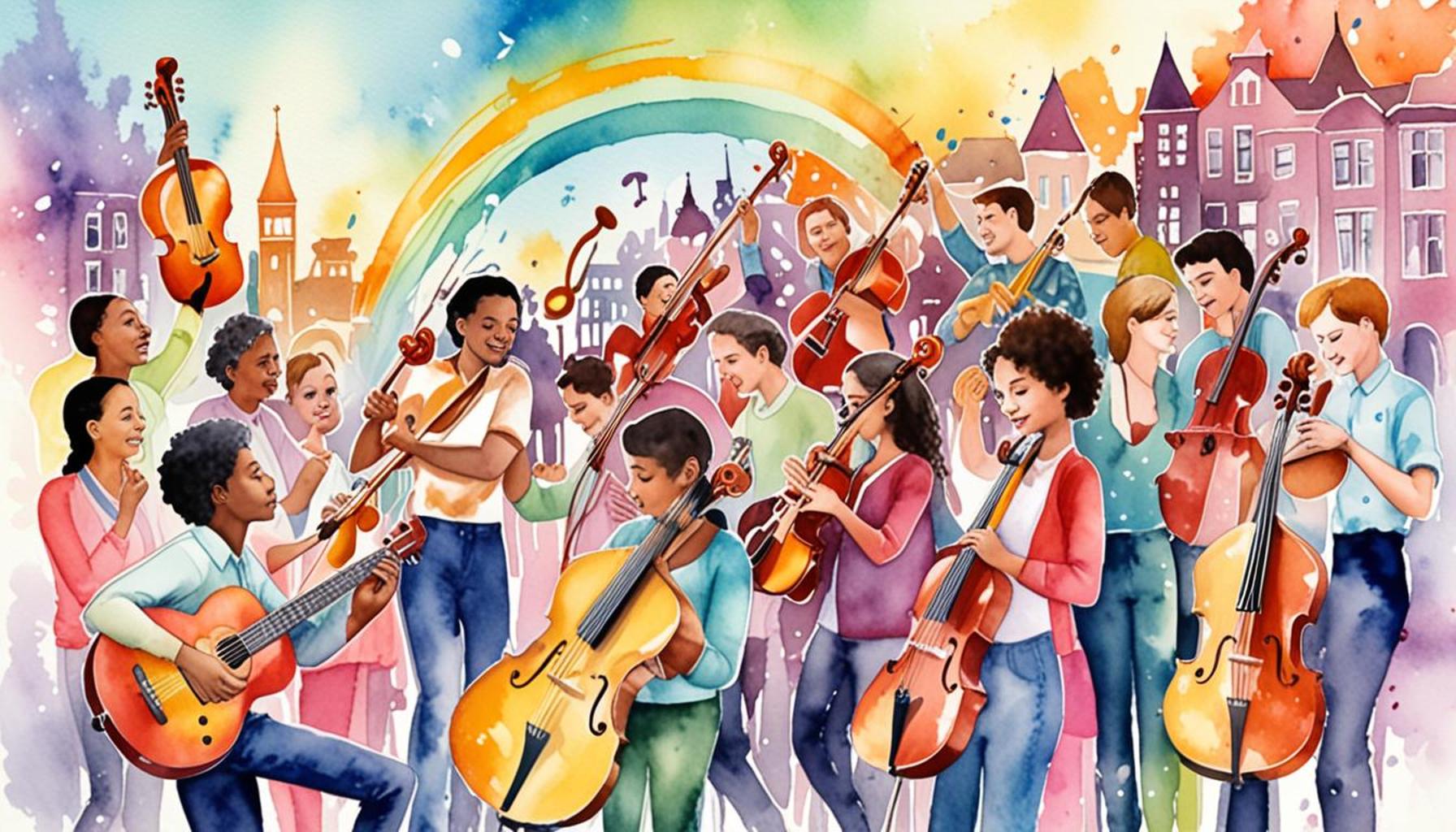
In today’s fast-paced world, the essence of human connection often fades into the background, yet creative hobbies have emerged as powerful platforms to foster relationships. One such pursuit is music, which transcends boundaries and unites individuals within vibrant communities. The impact of musical communities on social interactions is profound, playing a pivotal role in personal and collective development.
Engaging in musical activities not only enhances individual creativity but also cultivates a sense of belonging. The significance of these communities can be highlighted through various aspects:
- Shared Experiences: Individuals bond over common interests and shared musical journeys, strengthening ties.
- Skill Development: Learning and performing together enables members to grow, both personally and artistically.
- Support Networks: Musical communities often provide emotional and social support, promoting well-being.
- Cultural Exchange: Different musical styles and traditions foster appreciation and understanding among diverse groups.
- Community Events: Concerts, workshops, and festivals create opportunities for interaction and collaboration.
This article will delve into the top 5 musical communities and explore how they significantly enrich social lives, ultimately demonstrating the vital role that music plays in uniting people across various backgrounds.
The Role of Musical Communities in Building Social Connections: The Impact of Musical Pursuits on Community Life
Musical communities have been pivotal in shaping social connections and fostering an enduring sense of belonging. Since ancient times, music has served as a powerful vehicle for expression and unity, effortlessly crossing barriers and bringing people together. This article delves into the five significant impacts that musical communities have on social connections, illuminating how collective musical pursuits contribute to a thriving community life.
5. Fostering Inclusivity and Diversity
One of the most profound ways musical communities enhance social connections is by fostering inclusivity and diversity. In various contexts, music acts as a universal thread, weaving together individuals from different backgrounds, ethnicities, and social classes. Whether through multicultural musical festivals, diverse orchestras, or international music competitions, these events serve as meeting grounds where cultural exchanges flourish.
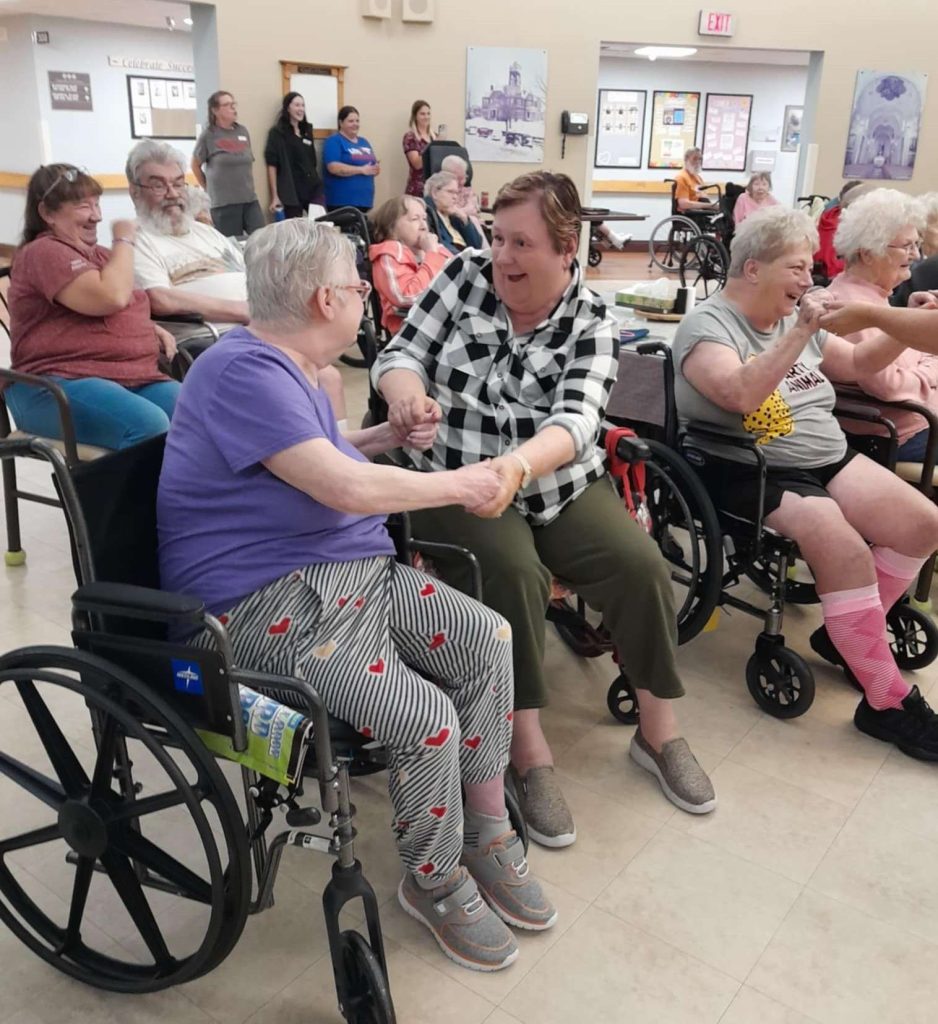
Consider community choirs or neighborhood bands that invite anyone to join, regardless of prior musical experience. These initiatives provide a creative platform for personal expression, encouraging participation and lowering barriers. For example, the Playing for Change movement, a global project uniting street musicians from around the world, illustrates how music can bridge various cultures by promoting songs in diverse languages and styles. Such initiatives lead to stronger social bonds, as community members learn to appreciate and embrace the richness of diverse backgrounds.
4. Strengthening Local Identity
Music plays a crucial role in strengthening local identity and pride, often through the preservation and celebration of unique cultural traditions. Many communities possess musical genres tied to their history, which can reinforce collective memories and foster unity. Folk music, for example, often reflects the historical and cultural narratives of a community, serving as a repository of shared stories and experiences.
Local events, such as folk festivals or heritage days, provide opportunities for residents to engage with traditional music forms, offering a glimpse into their historical roots. These events not only bolster community spirit but are economic drivers, drawing in tourists and enhancing local businesses. An example is the New Orleans Jazz & Heritage Festival, where music serves as the heartbeat of a culturally unique region, reflecting its African American roots and jazz legacy. By celebrating such musical expressions, communities renew their local heritage, fostering interactions and camaraderie among residents.
3. Creating Safe Spaces for Expression
Musical communities are instrumental in creating safe spaces where individuals can express their personal thoughts and emotions. These spaces often encourage emotional connections and dialogues, where music becomes the language of shared human experience. Open mic nights, informal jam sessions, and songwriting workshops are instances where participants can share stories, build kinship, and find solace in collective understanding.
Participation in musical activities can offer therapeutic benefits, helping individuals process personal challenges and find solidarity among others experiencing similar emotions. The nonprofit organization Guitars for Vets, for instance, offers free guitar lessons to veterans as a means of overcoming post-traumatic stress disorder (PTSD) and other mental health challenges. Such initiatives provide emotional resonance and foster empathy within communities, strengthening social mindfulness and interaction.
2. Bridging Generational Gaps
The unifying power of music allows it to effectively bridge generational gaps, engaging both young and older generations in shared musical appreciation. Community ensembles, like bands or orchestras that consist of members from diverse age groups, illustrate this phenomenon. Older members contribute their wealth of musical knowledge and tradition, while younger participants add contemporary insights and vigor, creating an enriching intergenerational exchange.
These interactions lead to meaningful relationships, where the youth gain insights into their community’s historical and cultural heritage, and elders find significance in modern musical interpretations. Programs like the Intergenerational Music Project in the UK unite school children with senior citizens to produce music, demonstrating how songs can build empathy and understanding across age divides, contributing to a heartening collective atmosphere.
1. Cultivating Empathy and Collaboration
At the core of musical communities is the ability to cultivate empathy and collaboration, marking the most consequential aspect of their role in social connection. Music-making demands listening, adapting, and working collaboratively—all essential skills for building social cohesion. Collaborative musical projects invite participants to communicate beyond verbal language, forging bonds that transcend individual differences.
Consider group endeavors such as ensemble performances aiming for harmonious musical output, which fosters mutual respect and a sense of ownership in shared progress. Studies corroborate that collaborative music-making enhances empathy, social behavior, and altruism, reinforcing participants’ community ties. Initiatives like music therapy highlight how those facing hardships bond over music’s emotional power, creating resilient social networks deeply embedded within community life.
In conclusion, the impact of musical pursuits on community life is diverse and profound. By encouraging inclusivity, reinforcing local identity, creating safe spaces for expression, bridging generational divides, and nurturing empathy and collaboration, musical communities play an indispensable role in building robust social connections. Understanding these dynamics sheds light on how we can continue to cultivate community spirit through music, a timeless art that unites us all.
The role of musical communities in building social connections is multifaceted and deeply embedded in the fabric of community life. One key aspect is how these communities foster a sense of identity and belonging. Music often serves as a universal language, transcending barriers of age, culture, and background. Within these communities, individuals find common ground and shared experiences, which can lead to more profound, lasting relationships. Moreover, local music gatherings and events offer a platform for collaboration and creativity. They bring together diverse talents, allowing musicians to share their craft and learn from one another. This collective pursuit of musical expression not only enriches the cultural landscape but also cultivates camaraderie among participants. The collaborative nature of music-making can inspire friendships that extend beyond the rehearsal room or stage, creating a supportive network that encourages personal growth and community engagement.Another significant impact of music communities is their ability to empower individuals and groups. Many communities use music as a tool for social change, addressing issues such as inequality and injustice within their neighborhoods. For instance, initiatives that promote music education in underprivileged areas equip youth with skills and opportunities that might otherwise be inaccessible. These efforts not only nurture talent but also foster resilience and hope, reinforcing the notion that music can serve as a catalyst for positive transformation.On a broader scale, musical pursuits can contribute to the economic vitality of communities. Music festivals, local concerts, and even workshops can attract visitors and boost local businesses. Whether it’s through the sale of tickets, merchandise, or food and beverages at events, the ripple effect of a thriving musical community can lead to increased economic activity, benefiting all community members.Furthermore, the intergenerational aspect of musical communities cannot be overlooked. Older generations often pass down musical traditions to younger members, creating a rich tapestry of shared culture and history. This inheritance strengthens intergenerational bonds, allowing for the exchange of knowledge and experiences that enrich the community. It fosters respect for traditions while also supporting innovation as younger musicians blend traditional styles with contemporary influences.Ultimately, the impact of musical pursuits on community life is profound and multifaceted. They serve as a vehicle for connection, empowerment, and economic growth, leaving an indelible mark on the social landscape. As communities continue to embrace and celebrate their musical heritage, they also pave the way for a more inclusive and vibrant future.
Frequently Asked Questions about the Role of Musical Communities in Social Connections
What role do musical communities play in enhancing social bonds among individuals?
Musical communities serve as a common ground where individuals with shared interests can come together, fostering connections based on mutual appreciation for music. These communities often function as support networks, offering a sense of belonging and identity. Research suggests that participating in musical activities can strengthen social bonds by enhancing communication, collaboration, and empathy among members.
How do musical pursuits impact community life beyond social connections?
The impact of musical pursuits extends beyond enhancing social connections to also include cultural and economic benefits. They can revitalize local culture by preserving musical traditions and fostering diversity. Economically, music events and performances can boost local businesses, attract tourism, and create job opportunities. Moreover, communities engaged in musical activities often experience increased civic engagement and social cohesion, contributing to a vibrant societal structure.
Can musical communities contribute to personal development?
Absolutely. Musical communities provide a platform for personal growth by enhancing skills such as teamwork, leadership, and creativity. Engaging with music allows individuals to develop emotional intelligence and self-value, leading to improved mental well-being. The sense of accomplishment from mastering a musical skill can also boost self-confidence and motivate continued personal development.
Are there any challenges faced by musical communities in maintaining connections?
Despite their benefits, musical communities face challenges such as funding limitations, lack of space for gatherings, and demographic shifts. These issues can hinder their capacity to sustain activities and attract new members. Additionally, some communities may struggle with inclusivity, as certain social or cultural barriers might deter broader participation. Addressing these challenges requires collaborative efforts and innovative solutions.
How can one get involved in a local musical community?
To get involved, start by researching local music events, clubs, or workshops in your area. Join social media groups or online forums dedicated to musical interests that align with your passions. Volunteering at music festivals or local performances can also be a great way to immerse yourself in the community. Engaging actively in these environments offers opportunities to build connections and develop your musical skills further.
Conclusion
Throughout our exploration of “O Papel das Comunidades Musicais na Construção de Conexões Sociais: Impacto das Pursuits Musicais na Vida Comunitária,” it becomes evident that musical pursuits hold a profound and transformative power within community life. From the onset, the immersive world of music has been shown to act as a catalyst for building social bridges, fostering a sense of unity among diverse groups. Whether it is through community choirs, local bands, or informal music gatherings, these musical platforms offer individuals the opportunity to connect beyond conventional social boundaries.
By emphasizing collaboration and creative exchange, musical communities facilitate personal growth and collective harmony. This article highlights that, much like language, music transcends cultural and social barriers, offering a universal platform for expression and connection. The intrinsic value of music in emotional well-being is another aspect explored, where music not only entertains but also heals, acting as a conduit for emotional release and social support.
Furthermore, the economic and cultural vibrancy that music communities bring to their locales cannot be overstated. These gatherings stimulate local economies by inspiring events, performances, and festivals that showcase the unique sounds and heritage of a region. The ripple effects of such events underscore the potential of creative hobbies to enrich daily life and communal identity.
Ultimately, as the world increasingly turns towards digital interactions, the importance of tangible, shared experiences like those offered by musical communities is unparalleled. These experiences anchor us in genuine connections, reinforcing our shared humanity. In this sense, music stands as a powerful tool not only for entertainment but for community resilience and solidarity. Through continuous engagement and appreciation, musical communities have proven to be instrumental in weaving the social fabric stronger and more beautifully vibrant.