The Role of Technology in the Arts: How Digital Tools Are Changing the Way We Create and Consume Art
The Intersection of Technology and Artistic Expression
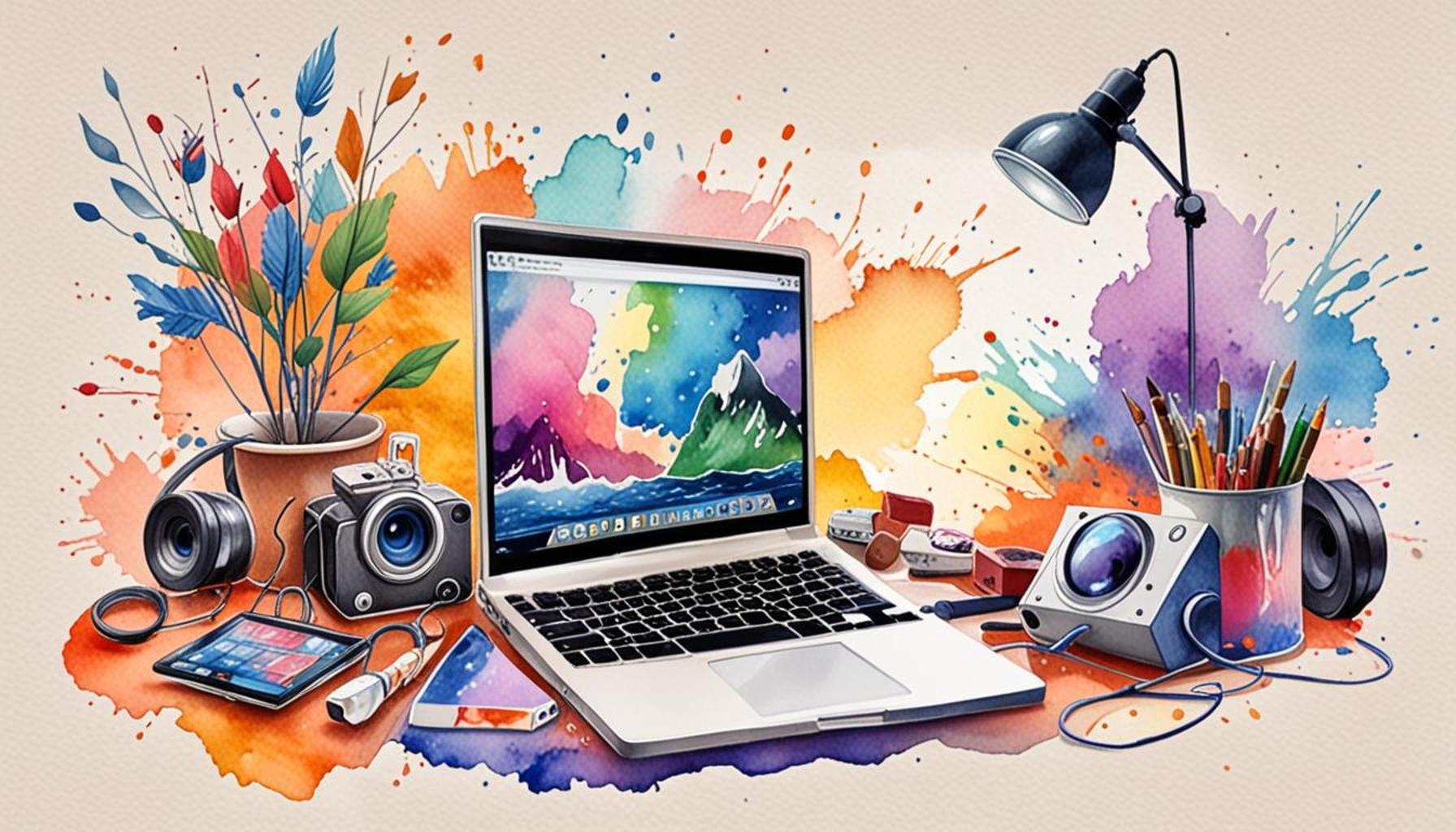
In an era defined by rapid technological advancements, the arts are undergoing a profound transformation. Digital tools are not just enhancing creativity but fundamentally altering the very fabric of how art is produced and experienced. From virtual reality exhibitions to digital art platforms, technology is reshaping the landscape of artistic expression.
The impact of technology on the arts can be seen in various forms, including:
- Accessibility: Artists can reach global audiences through online galleries and social media platforms. Traditional barriers to entry, such as expensive gallery space rentals, have diminished. For instance, platforms like Instagram and ArtStation allow artists to showcase their works, gaining followers and potential buyers without geographical limitations.
- Collaboration: Creative professionals from different fields can work together seamlessly, regardless of physical location. Take, for example, the collaboration between musicians and visual artists through online platforms. Music videos may now be enhanced with sophisticated animations and special effects, often created by teams spread across the world, exemplifying that distance is no longer a barrier to creativity.
- Innovation: New mediums, such as augmented reality and AI-generated art, challenge traditional boundaries. A prominent example is the rise of non-fungible tokens (NFTs), where digital artwork is minted as a unique asset on the blockchain, allowing for a new form of ownership and market value. Artists like Beeple have made headlines by selling digital pieces for millions, questioning the notion of art ownership and authenticity.
As digital tools become increasingly integrated into the artistic process, they raise important questions about authenticity and originality. How do we differentiate the artist’s hand in the age of algorithms? Does an AI that creates art still embody human emotion and intention? These questions provoke thoughtful discussions about the evolving definition of a creator in a digital landscape. Many artists are exploring how to infuse their unique perspectives and styles into digital art to maintain their identity while leveraging new technologies.
The convergence of technology and art is not merely a trend; it represents a revolution. This growing fusion encourages artists to push the envelope, exploring unexpected dialogues and outcomes. As we delve deeper into these changes, the conversation around digital artistry and its implications for both creators and consumers becomes increasingly vital. In an age where technology influences every facet of our lives, understanding its impact on the arts is crucial for appreciating the future of cultural expression.
DISCOVER MORE: Click here to learn about the impact of crafts on creativity
Transforming Artistic Creation
As digital tools become a vital part of the artistic process, the ways artists conceive and realize their visions are undergoing radical transformations. The advent of digital art software and advanced hardware, such as tablets and styluses, has democratized the creation of art, enabling both amateur and professional creators to develop exquisite works from their own homes. Artists today can utilize programs like Adobe Creative Cloud, Procreate, and Blender to experiment with complex techniques that would have previously required extensive training in traditional methods.
The explosion of online tutorials and learning platforms, such as Skillshare and YouTube, further amplifies this shift, allowing aspiring artists to learn directly from experts at their own pace. As a result, there is a growing number of self-taught creators who have found their voice within the art world through technology. For many, this has led to the emergence of entirely new art styles, blending the traditional with the contemporary.
The Influence of Social Media
Social media plays a pivotal role in this artistic revolution. Platforms like Instagram, Pinterest, and TikTok enable artists to not only display their work but engage directly with audiences. The ability to share work instantly can lead to viral fame, giving artists unprecedented exposure. Here are a few ways social media has impacted the creation and consumption of art:
- Immediate Feedback: Artists receive real-time responses to their work, allowing them to adapt and evolve their creations based on audience reactions.
- Community Building: Online interactions foster creative communities, where artists support one another and collaborate on various projects, leading to innovative ideas and movements.
- Market Access: Artists can market their pieces directly to consumers, bypassing traditional galleries. This has given rise to many independent creators who leverage platforms like Etsy and Shopify to sell their art.
The fusion of technology and art is not limited to the creation process. It extends into the realm of consumption as well. Consumers now have unprecedented access to art, often viewing it from the comfort of their own homes. Digital galleries and museums enable individuals to experience intricate exhibits without geographic constraints. For instance, institutions like the Metropolitan Museum of Art offer virtual tours, allowing visitors worldwide to appreciate classical works and modern masterpieces alike.
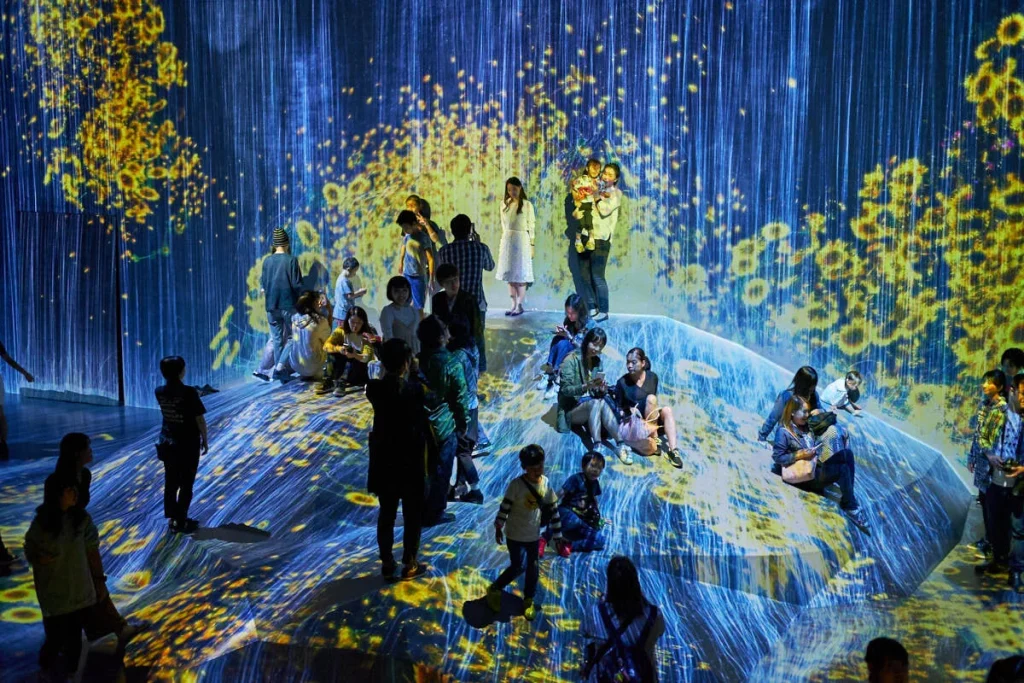
Moreover, technology has set the stage for immersive experiences that enrich the viewing process. Augmented reality (AR) applications let audiences interact with art in ways that were previously unimagined. Imagine viewing a painting and, through a simple scan on a mobile device, accessing a video of the artist discussing their inspiration and technique. This level of engagement deepens the connection between the audience and the artwork, turning passive viewers into active participants in the artistic narrative.
As digital technology continues to evolve, embracing its role in the arts becomes vital for both creators and consumers. The lines between various art forms blur, and new opportunities arise, inviting us to contemplate the ever-changing definition of art in a digital world. Through this lens, we begin to understand the potential of technology and its intricate relationship with creativity and expression.
As we delve deeper into how digital tools transform artistic expression, one significant aspect stands out: accessibility. The evolution of technology has democratized the art world, enabling artists from various backgrounds to showcase their work to a global audience effortlessly. Platforms like Instagram, Etsy, and digital galleries allow emerging artists to gain visibility without the need for traditional gatekeepers such as galleries or agents. This shift not only empowers creators but also broadens the definition of art itself, encompassing diverse mediums and forms.
Moreover, the integration of technology fosters collaboration across different disciplines. Artists can now collaborate seamlessly with technologists and scientists, leading to innovative projects that merge different fields. For instance, installations that combine visual art with interactive technology create immersive experiences that engage audiences on multiple sensory levels. This kind of cross-disciplinary work showcases how technology can enhance creative possibilities, pushing the boundaries of what art can be.
Additionally, the consumption of art has evolved significantly due to technological advancements. Online streaming services and virtual reality exhibits allow audiences to experience art in new ways, transcending geographical limitations. Viewers can now attend virtual exhibitions or walkthroughs from the comfort of their homes, enabling a broader appreciation for various art forms. This accessibility not only enhances cultural experiences but also elevates the exposure of artists globally.
However, the role of technology is also accompanied by challenges. For instance, while digital art can reach vast audiences, it raises questions about authenticity and copyright, compelling artists to navigate a complex landscape. Addressing these issues is crucial as we embrace technology in artistic practices.
In summary, digital tools significantly reshape both the creation and consumption of art, breaking down barriers and encouraging new expressions. As this evolution continues, artists and audiences alike must adapt to the dynamic interplay between creativity and technology.
| Advantage | Details |
|---|---|
| Enhanced Accessibility | Technology allows artists to reach global audiences via online platforms. |
| Collaboration Opportunities | Integration of technology fosters innovative collaborations across disciplines. |
DISCOVER MORE: Click here to learn about the role of crafts in nurturing creativity
New Mediums and Artistic Expression
Technology is not just changing the way we create and consume art; it is also giving rise to entirely new mediums and modes of expression. The emergence of virtual reality (VR) and 3D printing is at the forefront of this evolution, allowing artists to innovate in ways that were once constrained by physical limitations. VR, for instance, immerses viewers in fully realized digital environments, allowing them to experience art beyond the two-dimensional plane. Artists can create immersive installations that transport audiences to new realms, expanding the very definition of what art can be.
3D printing takes this transformation further by making it possible for creators to turn digital designs into tangible sculptures and objects. This technology empowers artists to explore forms and structures that would be difficult, if not impossible, to achieve with traditional methods. Projects like the 3D-printed house and art installations made from bio-materials showcase this innovative confluence of technology and creativity. As artists embrace these novel tools, they redefine not only the process of making art but also the materials themselves.
The Rise of Generative Art
Another significant advancement is the rise of generative art, which employs algorithms and coding to produce artwork. This intersection of art and technology has opened up captivating avenues for artistic exploration. Artists like Refik Anadol and Joshua Davis harness data and complex algorithms to create visual experiences that continuously evolve and respond to user interactions. Through coding, creators can step into new roles as both artists and programmers, blurring the lines of authorship and pushing creative boundaries.
Generative art also paves the way for collaborations between artists and scientists, as many projects rely on data sets to visualize concepts in unique ways. Projects such as climate data visualizations or portrayals of social media trends reflect real-world happenings through an artistic lens, making complex information more accessible and engaging. This fusion of art and data allows audiences to engage with crucial global issues while experiencing the aesthetic value of the work.
The Role of Blockchain and Digital Ownership
As technology reshapes the artistic landscape, the concept of ownership is also evolving. The rise of blockchain technology and NFTs (non-fungible tokens) has introduced a new paradigm for artists and collectors alike. Digital artists can authenticate their work and ensure provenance in a way that was not possible before. Platforms like OpenSea and Rarible enable artists to mint their creations as NFTs, granting them the ability to sell digital art in a verifiable manner, establishing a form of ownership that can transcend traditional art markets.
This shift not only empowers artists financially but also challenges collectors to reassess how they define value and ownership in the digital age. As more creators experiment with this technology, it becomes essential to consider its impact on traditional art sectors and how it may foster new forms of appreciation and investment in art. Additionally, this raises questions about the accessibility of art as digital assets become increasingly commodified.
In summary, technology is fundamentally redefining artistic expression and consumption through innovations in medium, the emergence of new forms, and evolving ownership structures. The intersection of art and technology not only enriches the creative landscape but also compels us to explore the deeper implications of how we understand and interact with art in an ever-digitizing world.
DON’T MISS: Click here to unleash your creativity with DIY crafts
Conclusion
As we traverse the evolving landscape of the arts, it becomes increasingly clear that technology serves as both a catalyst and a transformative force for creativity and expression. From the emergence of virtual reality and 3D printing to the innovative concepts behind generative art and NFTs, digital tools are reshaping the very essence of artistic creation and consumption. Artists are no longer bound by traditional methods; rather, they are experimenting with new mediums that expand their creative horizons and foster richer, more immersive experiences for audiences.
This digital evolution is not merely a trend but a profound shift that invites us to rethink our perceptions of art, ownership, and accessibility. As technology integrates further into the artistic sphere, artists gain unprecedented opportunities to collaborate and engage with contemporary issues, offering audiences new lenses through which to view complex social, environmental, and political narratives. The rise of blockchain technology also introduces a new dimension to ownership, prompting both artists and collectors to redefine value in a digital-first world.
Ultimately, the intersection of technology and the arts is not just about adopting new tools; it is an invitation to explore uncharted territories of creative potential. As we reflect on these advancements, we must remain curious and open, considering both the opportunities and challenges they bring. The future of art in a technologically driven society promises to be rich with innovation and discovery, urging us to engage, create, and appreciate in ways that are ever-evolving and deeply impactful.