Training Your Dog for Off-Leash Adventures: Essential Safety Tips
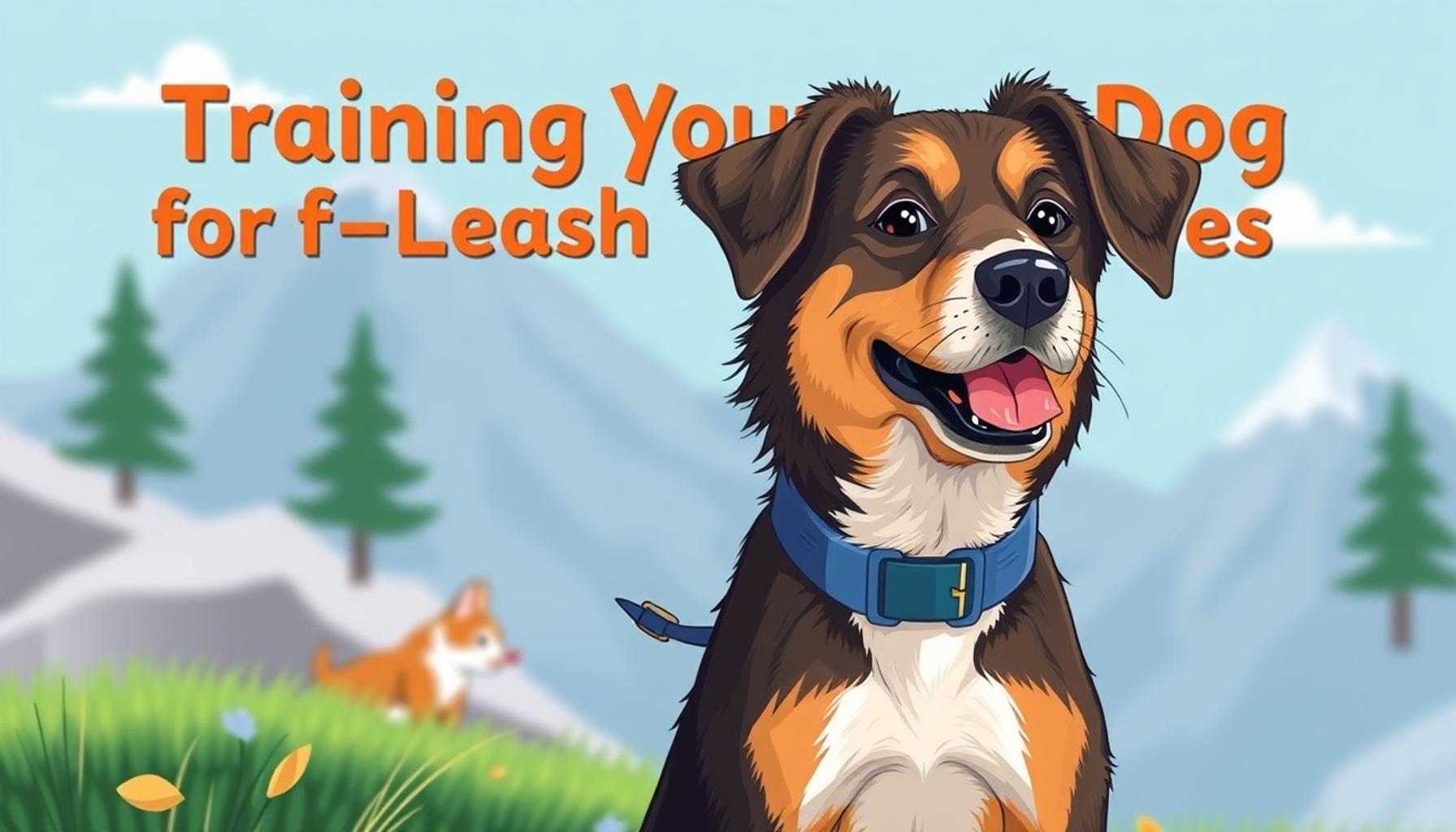
Exploring the Great Outdoors with Your Furry Friend
Imagine the joy of watching your dog run freely through a sun-drenched meadow, their tails wagging and paws kicking up clouds of grass as they explore the beauty of nature without restraints. Off-leash adventures can transform a routine outing into a mesmerizing experience for both you and your beloved pet. However, venturing into the great outdoors sans leash necessitates careful training and meticulous preparation to ensure your escapade is as safe as it is exhilarating.
Before you embark on this adventure, there are several key safety tips that are vital to keeping your furry companion secure while ensuring you both enjoy the experience:
- Establish Reliable Recall: Training your dog to return to you on command should be your first priority. This can be achieved through consistent practice using treats and positive reinforcement. Start in a controlled environment, gradually incorporating distractions as your dog becomes more reliable. For instance, using the “come” command during playtime can make the training more engaging.
- Choose Safe Locations: Not all environments are suitable for off-leash play. Look for designated off-leash parks or trails, often marked by signs or specific guidelines. Parks like Golden Gate Park in San Francisco or Central Park in New York City have designated areas where dogs can roam freely, meeting other pets while enjoying the scenery.
- Understand Local Laws: It is essential to familiarize yourself with leash laws in your area. Many municipalities have specific regulations about where and when dogs can be off-leash. In some regions, penalties for non-compliance can be significant, underscoring the importance of being well-informed.
- Assess Your Dog’s Temperament: Not every dog is suited for off-leash activities. Assess your dog’s behavior in social situations; some may thrive in a pack, while others may become anxious or aggressive. A gradual introduction to off-leash settings can help gauge their comfort level.
- Use Proper Gear: Investing in a well-fitted harness rather than a traditional collar can be beneficial for stability and control. Additionally, make sure your dog has identification tags that include your contact information—this is vital in case your pet wanders off or gets lost.
By recognizing and implementing these aspects, you’ll lay a solid foundation for a safe and rewarding adventure. Training your dog for off-leash outings goes far beyond teaching basic commands; it deepens the bond you share with your pet and fosters a sense of freedom that both you and your dog will cherish.
As you dive deeper into the world of off-leash training, embrace the opportunity to create unforgettable moments in the great outdoors. Take the time to explore local off-leash parks, connect with other dog owners, and prioritize your dog’s well-being through ongoing training. Each adventure provides new experiences and memories—enhancing the joy of shared explorations and the beauty of the natural world around you.
Key Training Techniques for Off-Leash Fun
Successfully training your dog for off-leash adventures hinges on developing essential skills. It is more than just teaching commands; it requires understanding your dog’s behavior, instincts, and the environment you’ll be exploring. Here, we delve into some fundamental training techniques that can make a remarkable difference in your off-leash experiences.
1. Establishing Boundaries
Teaching your dog where it can and cannot go is crucial for off-leash training. Start by defining physical boundaries in your yard or a secure area. This will help your dog learn the difference between “dog-friendly” spaces and areas where it should remain close to you. Utilize visual markers (like cones or boundaries) to represent these limits, and reward your dog when it respects them.
2. Reinforcing Commands
While the “come” command is vital, there are other commands that are equally important for effective off-leash training. Consider these essential commands:
- Stay: This command helps control your dog’s movements regardless of the distractions around it.
- Leave it: Useful for preventing your dog from approaching potentially dangerous items or situations.
- Drop it: Essential for maintaining safety, especially if your dog picks up something harmful during your adventures.
Creating a command reinforcement schedule, where you practice these commands regularly, especially in new or stimulating environments, will help strengthen your dog’s understanding and responsiveness.
3. Socialization Skills
A well-socialized dog is more likely to be calm and collected during off-leash outings. Gradually introduce your dog to various animals and people in controlled settings. The more comfortable your dog is with encountering other dogs or children, the better it will respond to commands when distractions arise in the wild. Attending training classes or dog meet-ups can be an excellent way to enhance your dog’s socialization skills.
4. Gradual Exposure
Once your dog has mastered basic commands and socialization, begin incorporating off-leash excursions gradually. Start in a fenced area, and once your dog exhibits reliable recall and stays within the boundaries, progress to open spaces but always in areas that are safe and secure. Monitor your dog’s behavior closely; if it shows signs of anxiety or disobedience, take a step back and reinforce the training.
These methods lay the groundwork for successful off-leash adventures. With patience, consistency, and a focus on safety, you’ll be able to cultivate the bond and trust necessary for both you and your dog to thrive in wide-open spaces. As you advance, keep the emphasis on safety, creating an environment where exploration can happen without compromising your dog’s well-being.
Key Techniques for Off-Leash Training
Training your dog for off-leash adventures goes beyond basic commands; it encompasses a wide range of skills that ensure your pet’s safety and enjoyment. One of the crucial techniques is recall training. This skill teaches your dog to return to you immediately when called, which is vital for their safety in potentially hazardous outdoor environments. Start practicing in a controlled area with minimal distractions and gradually increase the complexity as your dog becomes more reliable.
Another essential component is the leave it command. This teaches your dog to ignore distractions, such as wildlife or garbage, allowing for a safer exploration experience. Use treats to encourage your dog to focus on you rather than environmental stimuli. Consistency is key—practice this command regularly to reinforce it.
Safety Gear for Off-Leash Adventures
Equipping your dog with the right gear significantly enhances their safety during off-leash activities. A well-fitted harness is preferable to a collar, as it provides better control and reduces strain on your dog’s neck. Consider a harness with a handle on the back; it can be useful for quick lifting over obstacles or helping your dog navigate tricky terrain.
Furthermore, a GPS dog collar can provide peace of mind during off-leash activities. These devices allow you to track your dog’s location in real time, making it easier to find them if they venture too far. Combine this with a bright, reflective leash during twilight hours to increase visibility, ensuring your adventures are as safe as they are enjoyable.
Understanding Your Dog’s Behavior
Part of successful off-leash training is understanding canine behavior. Dogs are social creatures with their unique personalities, and their reactions to various situations can vary. Pay close attention to signs of stress or anxiety. If your dog shows discomfort when encountering other dogs or unfamiliar humans, it’s essential to manage their exposure to these situations gradually.
Additionally, recognizing signs of fatigue during activities is important. As dogs tire, they may become less responsive to commands. Schedule breaks during your outings to hydrate and rest your dog, ensuring they have the stamina to enjoy the adventure safely.
Finally, socialization plays a vital role in preparing your dog for off-leash adventures. Expose them to different environments, people, and animals both on-leash and off-leash in safe settings. This exposure will contribute to their confidence and adaptability during real off-leash periods.
| Category | Benefits |
|---|---|
| Recall Training | Ensures your dog’s immediate return for safety. |
| Leave It Command | Prevents your dog from engaging with distractions. |
| Safety Gear | Enhances control and visibility during off-leash activities. |
| Understanding Behavior | Improves interactions and reduces anxiety during trips. |
Building Trust and Reliability in Off-Leash Training
As you embark on the journey to train your dog for off-leash adventures, fostering a bond of trust and reliability becomes paramount. This relationship is built not only through training but also through understanding and respecting your dog’s individual personality. Below, we explore additional strategies to enhance reliability and ensure safety during your outdoor excursions.
5. Consistency is Key
One of the cornerstones of dog training is consistency. Establish a set of rules and training methods that you will adhere to during every interaction with your dog. This consistency helps solidify your dog’s understanding of commands and expectations. Whether using hand signals or vocal commands, ensuring everyone in your household applies the same rules will prevent confusion and reinforce proper behavior.
6. Using a Long Line
When moving to areas that are not fully enclosed, consider using a long line or training leash. These allow your dog to experience greater freedom while still being under your control. A long line typically ranges from 15 to 30 feet and can help to practice recall in a more realistic setting. This technique aids in building confidence in both you and your dog, knowing that there’s a safety net if things don’t go as planned.
7. Understanding Canine Body Language
To ensure enjoyable off-leash experiences, it’s essential to decode your dog’s body language. Familiarize yourself with the signals that suggest your dog is comfortable, anxious, or overstimulated. Positive signs include relaxed body posture, wagging tails, and playful barks, whereas negative signals consist of lowered tails, pulled-back ears, or avoidance behaviors. Recognizing these cues helps you intervene before situations escalate, maintaining a smooth outing.
8. Emergency Recall Training
In a perfect world, your dog would always come back when called, but in reality, distractions can be overwhelming. Enhancing your recall training with an emergency command can be invaluable. Choose a unique word that your dog does not associate with regular training situations, such as “safety” or “urgent.” This command should be practiced under controlled conditions until your dog reliably responds, regardless of what else is happening around it.
9. Familiarization with Off-Leash Areas
Before heading off to unfamiliar terrain, it’s beneficial to study the specific area where you plan to take your dog. Research dog-friendly parks, beaches, or nature trails in your area through online resources or local groups. Being aware of potential hazards—like wildlife, water bodies, or other pet owners—helps you prepare for contingencies and ensures you don’t find yourself in dangerous situations unexpectedly.
10. Safety Gear and Identification
Safety gear can serve as a lifeline during your off-leash excursions. A well-fitted harness, for instance, offers greater control and comfort than a standard collar. Additionally, ensure your dog is wearing an ID tag with up-to-date contact information. You might also consider GPS collars or tracking devices that provide real-time location data in case of an emergency. Being proactive with identification and tracking enhances your peace of mind during adventurous outings.
By implementing these strategies, you are fostering a safe and enjoyable environment for both you and your furry friend. Off-leash adventures not only boost your dog’s confidence and behavior but also enhance the joy of exploration, making every outing a memorable experience. Remember, training and safety go hand in hand as you venture out into the great outdoors together.
Conclusion: Embracing Safe Off-Leash Adventures with Your Dog
Training your dog for off-leash adventures can be a rewarding journey that enriches both your lives. However, ensuring a safe and enjoyable experience requires careful planning and consistent effort. By prioritizing trust and reliability in your training, setting clear boundaries, and employing strategic safety measures, you can greatly enhance your outings together.
Utilizing tools such as long lines and understanding canine body language are critical in navigating the uncertainties that off-leash environments can present. Implementing an emergency recall command will bolster your confidence, knowing your dog can respond amidst distractions. Additionally, familiarizing yourself with local dog-friendly areas and preparing for potential hazards adds an essential layer of protection for your furry companion.
Ultimately, the bond developed through these adventures not only cultivates a sense of adventure but also deepens your relationship with your dog. With proper safety gear and identification measures in place, you can foster peace of mind and enjoy every moment outdoors. As both you and your dog grow more experienced, off-leash excursions can become highlights of your shared lives—a reminder that training, trust, and safety are the keys to rewarding adventures. So grab that leash, go prepare for exciting trails ahead, and let the explorations begin!

Linda Carter
Linda Carter is a writer and pet care expert specializing in pet health, grooming, and wellness. With extensive experience helping pet owners create safe, loving, and enriching environments for their animals, Linda shares her knowledge on our platform. Her goal is to empower readers with practical advice and strategies to ensure their pets thrive and lead joyful, healthy lives.