Unlock Creativity Collaborative Writing Projects to Boost Group Ideas

Introduction
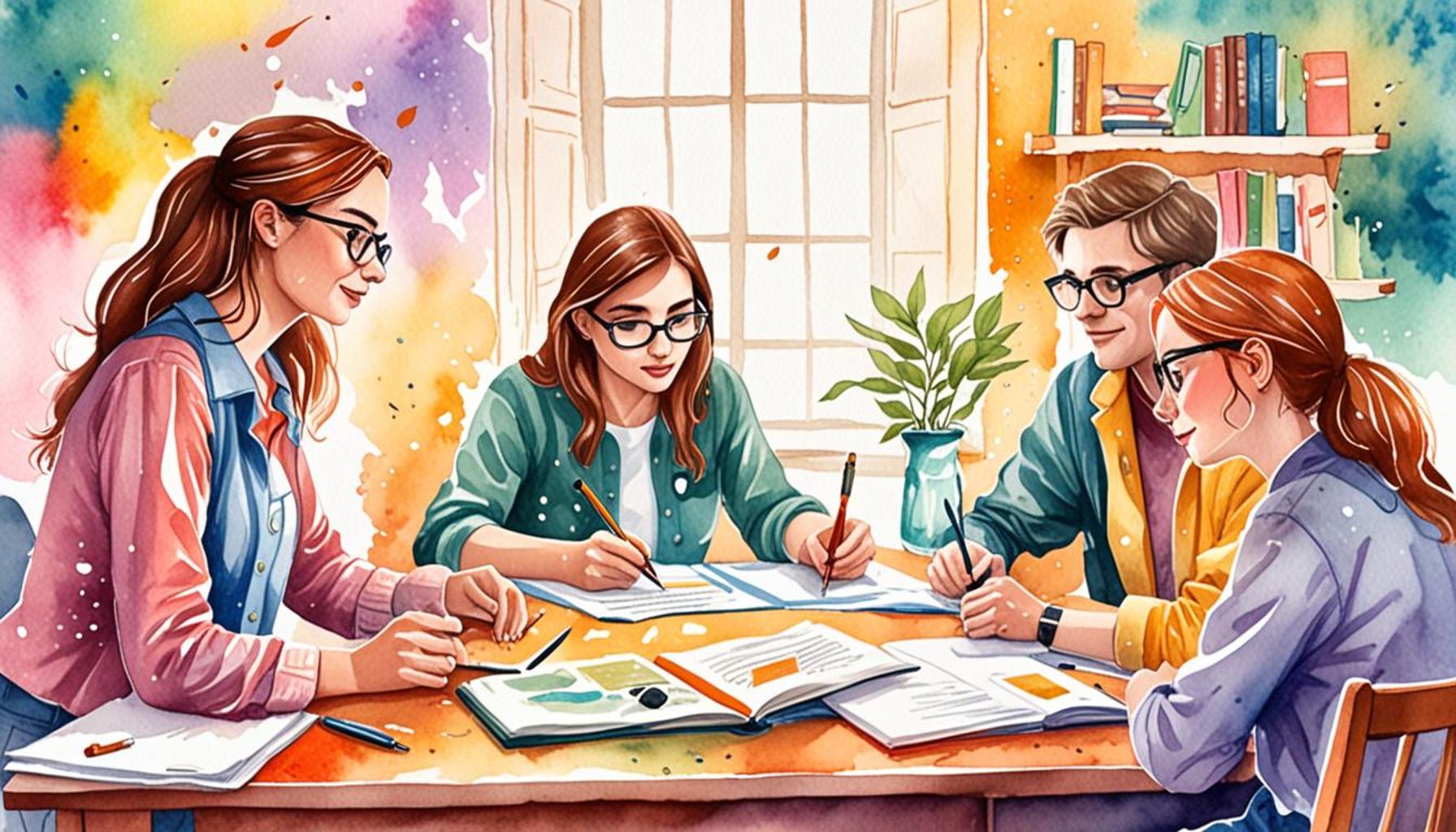
In a world increasingly dominated by individualism, the power of collaboration is often overlooked. Amid technological advancements and the growing emphasis on self-driven success, the simple act of working together tends to be overshadowed. Yet, engaging in collaborative writing projects can be a transformative experience. These endeavors not only nurture creative ideas but also strengthen social bonds among participants. By combining diverse perspectives and skills, group endeavors can unlock new avenues of imagination and problem-solving.
Collaborative writing serves as a perfect outlet for those seeking to enhance their creative hobbies while embarking on a shared journey of expression. The beauty of such projects lies in their versatility; they can manifest in a multitude of forms, from poetry collectives to screenwriting workshops. Whether it is a novel written chapter by chapter or a blog managed by a group, collaborative writing projects allow participants to create something truly unique together.
To inspire both creativity and community engagement, we have compiled a list of the Top 5 collaborative writing projects that can spark innovative ideas. Each project is designed not only to foster teamwork but also to provide a rich environment for individual growth and artistic exploration. These projects encourage individuals to step out of their comfort zones and explore different facets of writing, all while building a strong sense of community and shared purpose.
- Poetry Circles: Engage with others in crafting thought-provoking and emotive poems, reflecting a tapestry of different voices and experiences.
- Screenwriting Workshops: Collaborate on scripts that challenge conventional storytelling, benefiting from varied input and critique.
- Community Blogging: Create a shared online space where stories and articles provide insights from multiple viewpoints, promoting inclusivity.
- Short Story Anthologies: Combine talents to produce a collection of stories, each bringing unique characters and plots to life.
- Interactive Fiction Projects: Dive into digital storytelling where the narrative is shaped by collective imagination and creativity.
By exploring these collaborative avenues, participants not only enrich their writing skills but also build meaningful relationships forged through a common pursuit. These projects offer more than mere creative output—they serve as a testament to the power of coming together, with each participant contributing to a larger tapestry of human expression.
Top 5: Exploring Collaborative Writing – Group Projects to Stimulate Creativity
In an era where collaboration is increasingly seen as the driving force for innovative breakthroughs, the concept of collaborative writing emerges as an extraordinary platform. This approach allows writers, artists, educators, and creators to channel the collective strength of diverse ideas. The fusion of distinct perspectives acts like a catalyst for inspiration, leading to remarkable creative accomplishments. Below, we unfold our list of the top five collaborative writing projects that can amplify creativity. Each initiative is carefully analyzed to highlight its importance and effectiveness in enriching creative expression.
5. Community Storytelling Projects
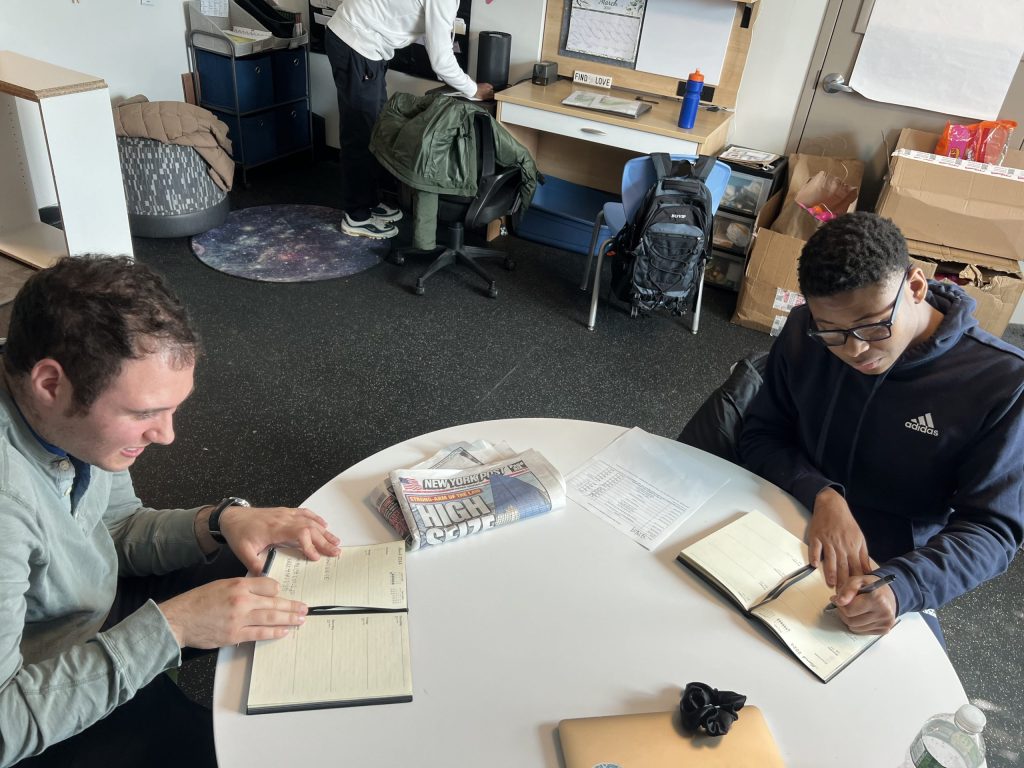
Community storytelling projects provide a profound platform for individuals to articulate their experiences, nurturing relationships through interconnected narratives. Inspired initiatives such as StoryCorps have profoundly impacted communities by encouraging participants from various walks of life to share their life stories. These stories, preserved as audio recordings, offer a rich tapestry of human experiences.
The core philosophy behind these projects rests on the power of interpersonal storytelling to shape community bonds and challenge prevailing social norms. By facilitating an environment where feedback and shared storytelling techniques thrive, they encourage a myriad of expression forms—from spoken traditions to written narratives, pushing participants to think creatively about how they can convey their unique experiences. Facilitators often play a crucial role by guiding the process and prompting participants to explore creative storytelling techniques they hadn’t previously considered.
- Improves listening skills: Active listening is essential, fostering a deeper understanding of others’ experiences.
- Encourages empathy and understanding: Hearing diverse stories bridges gaps between different communities.
- Promotes connection and shared identity: Narratives shared in community settings can create a collective identity and a sense of belonging.
4. Online Collaborative Writing Platforms
The rise of digital technology has unlocked a myriad of possibilities for collaborative writing through online platforms. Innovative websites like Wattpad and Google Docs invite countless contributors to jointly create stories, exchange vibrant ideas, and offer critiques—all in real-time. This collaborative process allows participants to craft chapters, enabling a seamless blend of styles and plots which may result in unexpected narratives.
These digital spaces stimulate creativity across various genres—from fiction and non-fiction to poetry and fan fiction. The immediacy of feedback offered on these platforms often leads to swift enhancements and inventive storytelling techniques. Writers enhance their adaptability by adjusting to diverse writing tones and accepting group critiques, which ultimately fosters growth.
- Instant feedback mechanisms: Real-time interactions enable prompt refinements.
- Access to a global audience: Contributions reach diverse demographics, enhancing the narrative’s richness.
- Encourages diverse writing styles: Exposure to various styles promotes creative diversity and refinement.
3. Writing Workshops
Writing workshops represent a strategic avenue for nurturing collaborative creativity. These gatherings typically consist of groups sharing their works-in-progress, critiquing each other’s drafts, and brainstorming together. Often conducted by seasoned authors and educators, these workshops foster an atmosphere of constructive criticism, which drives the enhancement of creative expression.
Workshops often have specific focuses, varying from poetry to screenplay writing, and offer a structured setting where people can explore new genres and styles they might not have considered otherwise. The interactive nature of writing workshops generates a wealth of fresh ideas and strengthens participants’ craftsmanship, deepening their creative journeys.
- Encourages peer support and networking: These environments foster valuable connections among writers.
- Facilitates skill development: Participants refine their skills through critique and discussions.
- Inspires confidence in sharing work: Regular feedback encourages writers to confidently present their creations.
2. Anthology Projects
Anthology projects, which compile a collection of writings from multiple authors around a unified theme, exemplify collaborative art. Such endeavors as The Best American Series draw attention to the richness of collaboration by presenting a compelling juxtaposition of voices and styles in a cohesive collection.
These projects not only foster individual creativity but also promote a sense of camaraderie among contributors. The process of creating anthologies often involves collective brainstorming, wherein ideas bounce around, leading to interspersed creativity that taps into each contributor’s unique strength.
- Fosters interdependence among authors: Contributors rely on each other to enhance the anthology’s overall quality.
- Explores diverse voices and perspectives: The gathered works display an eclectic blend, enriching the reading experience.
- Each piece acts as a narrative thread in a larger story: Though distinct, each work contributes to the anthology’s overarching theme.
1. Role-Playing Game (RPG) Narratives
Role-playing game (RPG) narratives stand at the summit of collaborative writing experiences. RPGs invite groups of participants to create intricate stories that evolve through player decisions. This dynamic narrative process involves dialogue and scenario building, requiring imagination, collaboration, and strategic forethought. Games like Dungeons & Dragons epitomize the RPG experience, inviting participants to craft rich worlds inhabited by their characters.
RPG narratives encourage participants to weave elaborate plotlines, stimulate critical thinking, and involve diverse characters in an ever-evolving story. This depth of creativity is only possible through shared storytelling, where each decision taken by a player influences the larger narrative. Such an interactive environment promotes innovation, teamwork, and creativity, ensuring unforgettable storytelling experiences.
- Promotes strategic thinking: Players strategize plotlines and character developments.
- Enhances teamwork: Working collectively strengthens group dynamics.
- Stimulates imaginations: Infinite possibilities foster vibrant and original narrative creation.
By unraveling the potential within collaborative writing projects, individuals and groups discover thrilling new ways to express creativity. This exploration not only fuels artistic innovation but also empowers communities to connect through shared narrative experiences. Indeed, these collaborative writing endeavors stand as a beacon of collective creativity in a world increasingly characterized by interconnectedness.
| Category | Details |
|---|---|
| Enhanced Creativity | Collaboration encourages diverse perspectives, leading to unique ideas that can spark innovative projects and solutions. |
| Skill Development | Working in groups allows individuals to develop important skills such as communication, teamwork, and conflict resolution, which are vital in both personal and professional environments. |
| Resource Sharing | Collaborative projects enable members to pool their resources and knowledge, which can lead to more comprehensive and effective outcomes than individual efforts. |
| Increased Motivation | Being a part of a team can boost motivation levels as individuals feel accountable to their peers, fostering a sense of belonging and collective responsibility. |
The theme of collaborative writing projects is not just about creating content; it encapsulates a deeper interaction among participants that serves to enrich the overall experience. Enhanced creativity is a significant advantage of such projects, as the amalgamation of various viewpoints can lead to groundbreaking ideas that might not surface in a solitary setting. Creative processes thrive in environments where different thoughts are welcomed and explored, transforming mere concepts into extraordinary narratives or innovative strategies.Additionally, the opportunity for skill development should not be overlooked. Participants often discover new strengths in how they express ideas and learn to articulate support for others’ visions. These interactions lay the groundwork for improved communication skills and strengthen the ability to work with differing opinions, which is crucial in today’s collaborative world.Engaging in collaborative writing projects also highlights the importance of resource sharing. When participants leverage each other’s strengths, from vast amounts of knowledge to practical resources, the projects can flourish beyond what any one person could accomplish alone. This pooling of resources cultivates a richer learning experience and potentially more successful outcomes.Finally, increased motivation emerges as a critical advantage when individuals work towards a common goal. This shared commitment instills a drive within team members, leading to greater productivity and an enjoyable creative process. Each team member becomes an integral part of the whole, encouraging individual perseverance while reinforcing collective achievement. In essence, collaborative writing projects provide a fertile ground for stimulating creativity, honing vital skills, optimizing resources, and fostering motivation—key elements that play a pivotal role in any creative endeavor.
Frequently Asked Questions about Collaborative Writing Projects
What is collaborative writing, and how does it differ from individual writing?
Collaborative writing involves multiple people working together to produce a single piece of work. Unlike individual writing, which relies solely on one person’s skills and vision, collaborative writing harnesses the collective creativity and knowledge of a group. This approach can often lead to more diverse and well-rounded content, as different perspectives and ideas are integrated into the final product.
How can collaborative writing projects enhance creativity?
Collaborative writing projects stimulate creativity by breaking the boundaries of individual thought processes. They encourage participants to engage in brainstorming sessions, challenge each other’s viewpoints, and build upon shared ideas. This dynamic environment not only ignites inspiration but also promotes a culture of innovation and teamwork, pushing writers to explore beyond their usual scope.
What are some common challenges of collaborative writing?
While collaborative writing can be rewarding, it also presents challenges such as coordination issues among team members, conflicts over creative direction, and varying levels of commitment. Managing these challenges requires effective communication, clearly defined roles, and sometimes the use of collaborative tools to streamline the writing process and ensure that all voices are heard without conflict.
What tools can facilitate collaborative writing?
There are a plethora of tools designed to aid collaborative writing, each with their unique features. Cloud-based platforms like Google Docs and Microsoft Word Online allow real-time collaboration, where multiple contributors can simultaneously edit and comment on a document. Other tools like Trello or Slack can help in task management and communication, ensuring that all members stay on track and connected.
Can collaborative writing be integrated into educational settings?
Absolutely. Collaborative writing projects are increasingly used in educational settings to foster critical thinking and team-building skills among students. By engaging in group writing tasks, students learn to appreciate diverse perspectives and develop their ability to articulate and negotiate ideas, which are vital skills both inside and outside the classroom.
Conclusion: Embracing Collaborative Writing for Enhanced Creativity
In the realm of creative hobbies, collaborative writing projects stand as a vital catalyst for unlocking the latent potential within group dynamics. Throughout this exploration, we’ve delved into the multifaceted benefits of merging diverse ideas, perspectives, and talents to foster a rich tapestry of innovation and artistic expression. Collaborative writing not only fosters creativity but also strengthens the essential skills of communication, problem-solving, and adaptability.
One of the most significant takeaways is the importance of a supportive and open environment, where participants feel safe to express their ideas without fear of judgment. This environment encourages risk-taking and nurtures original thought, paving the way for groundbreaking writing projects. Additionally, employing digital tools and platforms enhances efficiency, allowing for seamless collaboration across distances and facilitating the exchange of ideas in real-time.
Moreover, the connections forged through these projects extend beyond the scope of a single endeavor, fostering community and camaraderie among writers. This network of support and inspiration can lead to sustained creative growth and the continued exchange of innovative ideas.
As we consider the importance of such collaborative efforts, it becomes apparent that they can serve as a powerful engine not only for personal creative development but also for the broader community of writers and creators. By embracing collaborative writing, participants gain the opportunity to expand their creative boundaries and embark on a journey of self-discovery and mutual growth.
In conclusion, exploring collaborative writing as a creative hobby is a transformative experience, one that holds the potential to redefine how we approach the art of storytelling. It’s not merely a means to an end, but a rewarding journey in itself, brimming with opportunities for discovery and innovation.