Upcycling Techniques in Craft Projects: Transforming the Old into New
Innovative Paths to Upcycling
As the pressures of consumer culture continue to rise, upcycling stands out as a creative and environmentally conscious response. This artistic practice transforms discarded items into functional and aesthetically pleasing pieces, allowing for both environmental stewardship and individual expression. Rather than tossing aside objects that may seem obsolete, artists and crafters are breathing new life into them, showcasing the value of ingenuity over wastefulness.
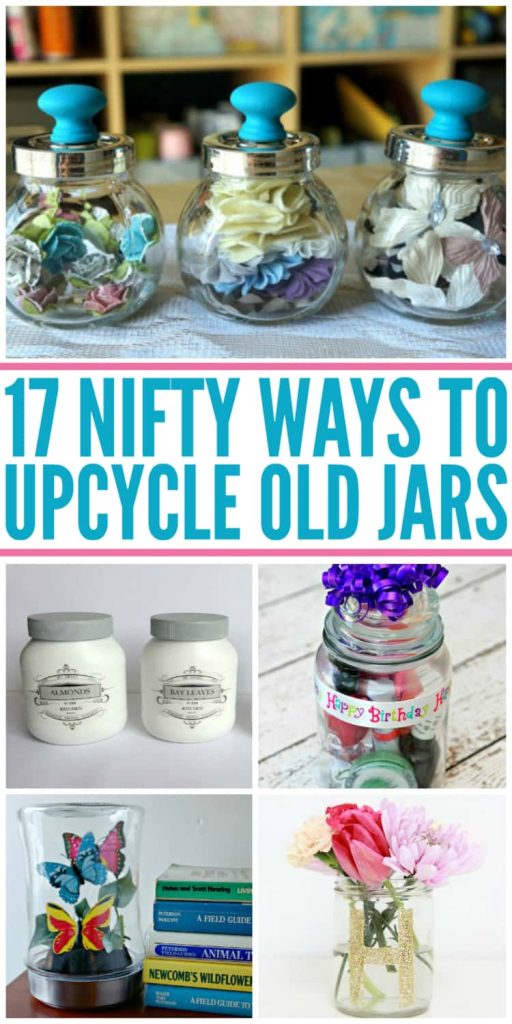
Take, for example, the humble glass jar. Often relegated to the recycling bin, these containers can become charming lanterns by simply adding a candle and some decorative twine. Moreover, they can effortlessly transition into planters with just a bit of soil and a few succulents, creating a stylish addition to your home decor. This not only reuses materials that would otherwise clutter landfills but also encourages a connection to nature through gardening.
Similarly, old furniture that may have seen better days can be revitalized with a fresh coat of paint and stylish new hardware. A dull wooden side table can transform into a modern statement piece through bold color choices or creative distressing techniques. The rise of platforms like Instagram and Pinterest has made sharing these transformations easier, inspiring countless individuals to embark on their upcycling journeys.
Moreover, the transformation of t-shirts serves as another excellent example. Instead of discarding that favorite tee featuring a beloved band or an outdated logo, crafters are reimagining them as functional tote bags, cozy pillows, or meaningful quilts that tell a personal story. This process not only promotes sustainability but also fosters a deep sense of nostalgia and creativity, allowing people to hang onto cherished memories.
The techniques associated with upcycling encourage a mindset of innovation and resourcefulness. They invite individuals—from seasoned artisans to casual DIY enthusiasts—to explore the potential hidden within everyday items. For those looking to dive into this rewarding world, an endless array of online tutorials, workshops, and creative communities await, all eager to share knowledge and inspiration.
Ultimately, engaging in the practice of upcycling not only contributes to environmental sustainability but also allows individuals to showcase their unique styles and preferences. With each transformed item, we cultivate a more sustainable future that honors creativity and resourcefulness. So why not start your own upcycling adventure today? Discover the joy of taking the old and turning it into something spectacular, and in doing so, join a global movement of eco-conscious creators.
DISCOVER MORE: Click here to dive deeper
Creative Upcycling Techniques to Inspire Your Craft Projects
When it comes to upcycling techniques, the possibilities are boundless. By embracing your creativity and thinking outside the box, you can transform everyday discarded items into functional treasures. This art form not only fosters sustainability but also empowers individuals to craft unique pieces that reflect their personal styles. In this section, we will uncover a few innovative techniques that are making waves in the world of upcycling.
1. Furniture Revamping: A Stylish Revival
Old furniture is one of the most popular materials for upcycling, offering an array of projects that can elevate any space. Here are some effective techniques to rejuvenate worn-out pieces:
- Painting: A fresh coat of paint can completely alter the appearance of furniture. From chalk paint for a rustic look to high-gloss finishes for modern aesthetics, the choice of color can set the tone of any room.
- Decoupage: This technique involves adhering decorative paper or fabric to surfaces using glue. Vintage newspapers, colorful magazine clippings, or patterned wallpaper can elevate a simple dresser or table into a unique conversation starter.
- Reupholstering: Tired of a dull couch or chair? Replace the existing upholstery with vibrant, eye-catching fabrics to give the furniture a new lease on life. This not only updates the look but also adds comfort and personality.
Each of these techniques allows for personal expression, ensuring that every revamped piece is one-of-a-kind. Furthermore, upcycling old furniture can significantly reduce waste, making it an environmentally friendly choice. According to the Environmental Protection Agency (EPA), 13.9 million tons of furniture were added to landfills in the United States in 2018. Choosing to upcycle can directly combat this growing issue.
2. Textile Reimagining: The Fabric of Creativity
Textiles are abundant in our lives, often resulting in piles of unused or outdated clothing. Instead of throwing these items away, consider the following upcycling techniques:
- Tote Bags: Transform old t-shirts into stylish tote bags with minimal sewing skills. By cutting and tying fabric, you can create eco-friendly shopping bags that eliminate the need for plastic.
- Cushions and Pillows: Mix and match patterns and colors from various fabric scraps to create vibrant cushion covers. This not only enhances comfort but also adds a splash of life to your living space.
- Pet Projects: Don’t forget about your furry friends! Old blankets and clothes can be turned into cozy pet beds or toys, providing both comfort and joy for your pets while reducing waste.
By harnessing these textile upcycling techniques, you’re not just repurposing materials; you’re participating in a conscious effort to lessen the impact of textile production, which accounts for approximately 10% of global carbon emissions. Every small action contributes to a larger change.
As you delve into these exciting upcycling techniques, remember that each project is an opportunity to express your individuality while playing a part in the larger movement towards sustainability. Whether you’re revamping furniture or reimagining textiles, every piece tells a story, allowing you to transform the old into something spectacular for generations to enjoy.
| Advantages | Description |
|---|---|
| Environmental Benefits | Upcycling reduces waste and increases sustainability, making a positive impact on the environment. |
| Cost-Effectiveness | Utilizing materials that are already available can significantly lower costs for crafting projects. |
The practice of upcycling not only enhances creativity but also promotes a sustainable approach to crafting. With the rise in environmental concerns, leveraging upcycling techniques in craft projects comes as a refreshing solution for both amateurs and artisans. By transforming discarded materials into functional or decorative items, creators foster a mindset focused on resourcefulness.Moreover, enhancing the charm of everyday objects can lead to unique custom items that radiate personality and history. For example, old furniture can be revitalized with a splash of paint and new hardware, turning potential waste into vintage treasures. This creative process not only reflects individuality but also sparks conversations and often leads to increased community engagement.As more people dive into the world of crafting, the upcycling movement is gaining traction. It encourages not just sustainable practices but also nurtures a sense of accomplishment in creating something beautiful from the old. Thus, exploring various techniques such as sewing, painting, or carpentry opens the door to endless opportunities for those eager to learn more.
DIVE DEEPER: Click here to enhance your performative skills
Innovative Upcycling Ideas for Everyday Items
In addition to the popular methods of furniture revamping and textile reimagining, there exists an expansive realm of upcycling techniques that can breathe new life into everyday items. By redefining their purpose, these projects transform what would typically be considered trash into functional and aesthetically pleasing home décor or practical tools. Here we explore some exciting ideas that showcase the versatility of upcycling.
1. Glass Jar Transformations: From Trash to Treasure
Did you know that common glass jars can provide a multitude of crafting possibilities? Instead of tossing them into the recycling bin, consider these creative upcycling options:
- Storage Solutions: Glass jars are perfect for organizing everything from kitchen ingredients to office supplies. With a bit of paint or decorative twine, they can become chic containers that enhance your space.
- Light Fixtures: Transforming jars into beautiful pendant lights or candles adds a unique touch to your outdoor or indoor ambiance. A simple adaptation of fairy lights in a large jar can create a magical atmosphere for evening gatherings.
- Planters: Glass jars can easily turn into stunning mini herb or succulent gardens. Drill a small drainage hole, fill with soil, and watch your plants thrive. This method allows you to add a splash of greenery to your home without the need for traditional pots.
Utilizing glass jars not only provides functional solutions but also encourages individual creativity in design. Glass recycling represents a vital area for environmental sustainability, as producing new glass emits 80% less carbon dioxide than making glass from raw materials, according to the Glass Packaging Institute.
2. Upcycled Paper Crafts: Sustaining Creativity
In a digital age, paper products often accumulate, leading to waste. Yet, paper can be upcycled in countless imaginative ways:
- Gift Wrapping: Instead of buying new wrapping paper, repurpose old maps, newspapers, or magazines. This not only adds a personal touch to your gifts but also promotes recycling.
- Artistic Wall Décor: Cut intricate designs or create collages using scrap paper to adorn your walls. Origami can likewise breathe life into paper as it becomes decorative art pieces hanging or even as table décor.
- Handmade Notebooks: Bind multiple pages of used paper to create custom notebooks, perfect for journaling or sketching. Adding a creative cover can enhance its appeal and make it uniquely yours.
Engaging in paper upcycling reduces waste and contributes to the reduction of deforestation, as approximately 420 million tons of paper was produced in 2018 alone. By using what you already have, you help decrease the demand for new paper and contribute positively to the environment.
3. Metal Repurposing: Turning Cans and Utensils into Art
Certainly underestimated, metal items like cans and cutlery offer a striking potential for upcycling projects:
- Candle Holders: Empty cans can be transformed into artistic candle holders. With a few strategic holes punched out, they create mesmerizing patterns when a candle is lit inside.
- Wind Chimes: Use old utensils, such as forks and spoons, to create whimsical wind chimes. The tinkling sound adds delightful charm to gardens or balconies.
- Vertical Gardens: Repurpose metal cans into hanging planters. By painting them or leaving them rustic, you can turn a vertical space into a lush green display.
Metal upcycling not only encourages artistic endeavors but also helps decrease the amount of metal waste in landfills. According to the EPA, recycling metal can save a substantial amount of energy, further emphasizing the importance of upcycling.
By leveraging your creativity and imagination, upcycling old items can yield practical solutions and reduce waste. As you embark on your upcycling journey, remember that every project allows for the chance to showcase your personal style while contributing positively to the environment.
DISCOVER MORE: Click here to learn about the healing power of music
Conclusion: The Art of Upcycling in Craft Projects
As we have explored, upcycling techniques offer an innovative and sustainable way to transform old items into new treasures. From glass jars becoming chic storage solutions to creating imaginative crafts from paper and metal, the possibilities are endless and creatively fulfilling. Upcycling not only reduces waste but enhances our homes and personal expression, proving that a little ingenuity can significantly impact our environment.
Engaging in these craft projects empowers individuals to take a stand against consumerism and promotes a culture of sustainability. Every upcycled creation serves as a testament to the notion that beauty can be found in the most unexpected places, inspiring others to rethink their waste habits. The practical benefits of upcycling—be it through reducing landfill waste or encouraging creativity—are just as vital as its environmental repercussions. For instance, did you know that recycling just a single glass jar can save enough energy to power a lightbulb for several hours? Such statistics highlight the importance of these creative transformations.
As you venture into the world of upcycling, keep in mind that each project is a chance to showcase your personality while contributing positively to the planet. We encourage you to dive into your own craft explorations, seeking inspiration within your surroundings. Remember, every item holds the potential for renewal—so embrace the art of upcycling, and let your creativity soar!