Upcycling Techniques in Crafting: Transforming Old Items into New Works of Art
Embrace the Transformation of Everyday Items
As environmental concerns gain traction across the globe, the concept of upcycling—transforming discarded materials into new, functional art—has emerged as a beacon of hope for sustainability enthusiasts. Through upcycling techniques, individuals can breathe new life into unwanted objects, converting them into unique creations that are both practical and aesthetically pleasing. This movement not only emphasizes creativity but also promotes a culture of mindfulness regarding our consumption habits.
Examples of Upcycling Projects
Numerous upcycling ideas abound, each encouraging the imaginative repurposing of items that may otherwise end up in landfills. Here are some intriguing projects that demonstrate the potential of upcycling:
- Glass Jar Lanterns: Glass jars, once used for storing pickles or sauces, can easily be transformed into enchanting lanterns. By adding a coat of paint, some jute twine, and a candle or fairy lights, these jars can illuminate outdoor spaces during parties or cozy evenings on the patio, offering a personal touch to any gathering.
- Furniture Makeovers: Old furniture pieces often hold sentimental value, and with a touch of creativity, they can be revitalized. A worn coffee table can be sanded, painted, and fitted with chic new hardware, creating a centerpiece that draws attention and becomes a conversation starter in a living room.
- Fabric Jewelry Design: Leftover fabric scraps from past sewing projects can be transformed into beautiful, eco-friendly jewelry. By braiding or weaving these scraps, one can create a stunning necklace or bracelet, adding a touch of unique flair to any outfit while reducing textile waste.
- Wall Art from Reclaimed Materials: Artists are increasingly turning to reclaimed wood and paper products to create striking wall art. For instance, an old wooden pallet can be transformed into a rustic art piece with just a bit of paint and craftsmanship, making a statement in any home or office.
The Broader Impact of Upcycling
Upcycling is not merely a passing trend; it embodies a lifestyle shift towards resourcefulness, creativity, and environmental responsibility. By engaging in such projects, individuals contribute to a greater movement that challenges consumerism and encourages the reuse of materials. Various workshops and community initiatives across the United States are now dedicated to teaching upcycling techniques, fostering a sense of community and collaboration among participants.
As you explore the fascinating world of upcycling, consider not just the value of transforming materials but also the stories and memories that each object carries. Every upcycled piece can hold significance, representing a journey from discarded item to cherished work of art. Whether you choose to make a decorative item, restore furniture, or create wearables, the possibilities are truly limitless when you look at the world through a sustainable lens.
DON’T MISS OUT: Click here to discover more about enhancing creativity in children
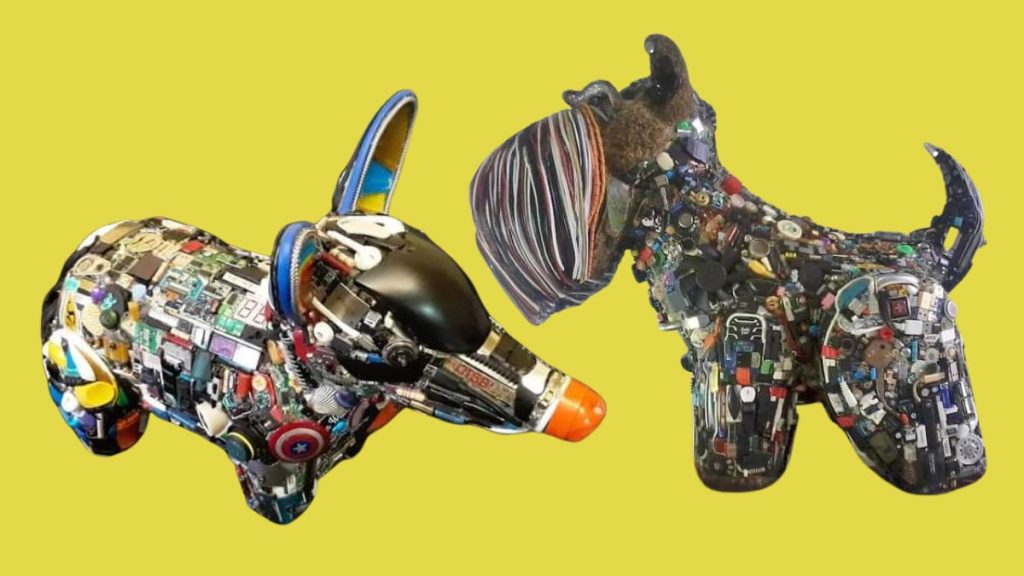
Innovative Upcycling Techniques: Turning Trash into Treasure
The art of upcycling extends beyond simple recycling; it involves a creative transformation of waste materials into valuable and often breathtaking works of art. Rather than allowing items to become mere refuse, an upcycler sees potential waiting to be unleashed through skills and imagination. From décor to functional items, the spectrum of upcycling projects is vast, offering something for every crafty enthusiast.
Crafting with Purpose
One of the main appeals of upcycling is its focus on sustainability. By reusing items, crafters can significantly reduce their environmental footprint while engaging in a rewarding creative process. Below are several upcycling techniques that can inspire both new and seasoned creators alike:
- Decoupage: This technique involves decorating an object by gluing colored paper cutouts onto its surface, often layered with varnish to create a stylish finish. Old furniture, boxes, and even picture frames can be revitalized with decoupage, showcasing personal artwork or vintage designs.
- Furniture Upholstery: Instead of tossing out an old chair or sofa, crafters can breathe new life into furniture by reupholstering it with fresh, vibrant fabrics. This process not only enhances the aesthetic appeal but also allows for customization that reflects the owner’s style.
- Repurposing Clothing: Outdated or torn clothing can find a second life through creative alterations. T-shirts can be transformed into tote bags, while jeans can be turned into stylish organizers or fun patchwork quilts, effectively reducing textile waste.
- Paper Mâché: This versatile technique allows for the creation of three-dimensional art pieces from outdated newspaper or cardboard. By soaking, molding, and painting, crafters can develop anything from decorative bowls to intricate sculptures.
Unlocking Creativity Through Upcycling
The beauty of upcycling lies not only in the finished product but also in the imaginative process behind it. Crafters are often inspired by the materials at hand, leading to innovative designs that reflect a signature style. Workshops and local meet-ups in cities across the United States foster community connections, providing opportunities for enthusiasts to share techniques, resources, and inspiration.
The DIY movement has been particularly fueled by social media, with platforms like Instagram and Pinterest brimming with upcycling ideas. These virtual communities serve as forums for sharing unique creations and provide step-by-step guides, allowing novices to delve into the world of crafting without feeling overwhelmed.
As we navigate an era of growing environmental awareness, embracing upcycling techniques not only serves to cultivate creativity but also highlights the potential in seemingly worthless objects. From crafting new works of art to encouraging a culture of sustainability, upcycling offers a transformative journey worth exploring.
| Category | Details |
|---|---|
| Creative Reuse | Transforming everyday objects like glass jars and fabric scraps into art |
| Environmental Impact | Minimizing waste and promoting sustainability by reimagining old materials |
One of the fascinating aspects of upcycling techniques is the concept of creative reuse, where crafters take what many deem unnecessary items and convert them into something visually appealing and functional. Items like glass jars, old clothes, and wooden pallets can be transformed into stunning decor pieces, unique furniture, or even art installations. This not only showcases individual creativity but also encourages others to look at their own discarded items through a new lens.Moreover, embracing upcycling has significant environmental benefits. In a world where landfill space is dwindling, and environmental concerns are rising, upcycling reduces waste by finding new purposes for items that would otherwise be thrown away. This movement does not just keep materials out of landfills but also raises awareness about sustainable practices and consumption habits, urging society to consider the full lifecycle of products before discarding them. As you explore the myriad possibilities of transforming old items into art, you’ll find that the only limit is your imagination. Dive deeper, and you’ll discover not only artistic expressions but also a sense of responsibility toward our planet.
DIVE DEEPER: Click here to discover more musical styles</p
The Role of Upcycling in Modern Craftsmanship
In an era where the conversation around sustainability and environmental impact has become more critical than ever, the art of upcycling emerges as a beacon of creativity and resourcefulness. As the crafting community expands, embracing innovative methods to reimagine the potential of discarded objects has never been more integral to creative expression.
Community Engagement through Upcycling
Local communities across the United States are increasingly recognizing the importance of upcycling as not only a craft but a means of building significant relationships. Community workshops and events, such as those organized by local makerspaces, empower residents to come together, exchange materials, and collaborate on projects. For instance, some neighborhoods host regular “swap meets” where participants can trade items they no longer need, effectively encouraging the cycle of upcycling within the community. These gatherings often lead to surprising and inspiring creations, as people share their unique skills while repurposing someone else’s unwanted goods.
Upcycling as a Business Model
Not only has upcycling become a popular hobby, but it has also evolved into a viable business model for many entrepreneurs. With growing consumer interest in eco-friendly products, small businesses and artisans have begun leveraging the global marketplace to sell their upcycled creations. Platforms such as Etsy and local craft fairs provide a venue for these entrepreneurs to share their artistic vision while promoting sustainable practices. Items such as upcycled jewelry made from vintage silverware or planters crafted from reclaimed wood are just a few examples of how creativity meets commerce in this flourishing industry. Additionally, brands are investing in partnerships with artisans to create limited edition collections, highlighting the craftsmanship that comes with sustainability.
The Art of Upcycled Home Décor
Home décor is an area where the potential for upcycling seems limitless. Creative individuals are constantly finding new ways to incorporate upcycled items into their living spaces, giving personality to homes while simultaneously reducing waste. For example, glass bottles can be transformed into elegant vases or pendant lights, while wooden pallets can be restructured into rustic furniture. According to a study by the National Recycling Coalition, repurposing home items not only minimizes landfill waste but also resonates with homeowners looking for unique, one-of-a-kind pieces that tell a story.
Educational Opportunities Through Upcycling
As interest in upcycling grows, educational institutions are beginning to integrate it into their curricula. High schools and colleges are offering workshops and courses focused on eco-friendly crafting techniques, aiming to inspire the next generation of crafters. By teaching the principles of upcycling, these programs encourage students to think critically about consumerism, waste, and creative problem-solving. Programs such as the National Art Education Association are actively promoting the importance of integrating sustainability into art education, giving students the tools they need to innovate and repurpose.
The multifaceted world of upcycling encapsulates a vast array of techniques, each with the potential to transform the way we view discarded materials. From community initiatives that forge connections to businesses that emerge from creativity, the impact of upcycling in crafting continues to resonate, urging individuals to redefine their relationship with consumption and waste.
DIVE DEEPER: Click here to discover how writing can change your life
Conclusion: Embracing the Potential of Upcycling
In conclusion, the journey of upcycling transcends mere creativity; it embodies a holistic approach toward sustainability, community engagement, and entrepreneurship. As we explore techniques that transform old items into new works of art, we uncover a fascinating tapestry of innovation that encourages individuals to see value in the seemingly worthless. From local workshops that foster collaboration and creativity to entrepreneurial ventures that promote eco-conscious products, upcycling serves as a crucial bridge between craftsmanship and responsible consumerism.
Moreover, as more educational institutions integrate upcycling into their curricula, the next generation of creators is being equipped with the tools to think sustainably and act innovatively. This proactive shift inspires an enduring commitment to reducing waste and making thoughtful choices, thereby shaping a culture rooted in resourcefulness.
The allure of upcycled home décor adds an extra layer to this movement, inviting homeowners to personalize their spaces with unique pieces that narrate stories of reimagined lives. It illustrates how aesthetics and ethics can seamlessly intertwine within our living environments.
As we stand at the crossroads of creativity and environmental responsibility, exploring and promoting the rich landscape of upcycling techniques will be vital. This endeavor not only enriches our crafting experiences but also serves as a pivotal reminder that every discarded item holds the potential to be reborn as a new artistic creation. By embracing upcycling, we contribute to a more sustainable future while celebrating human ingenuity and craftsmanship.