How to Train Your Cat to Use a Litter Box: Tips and Tricks
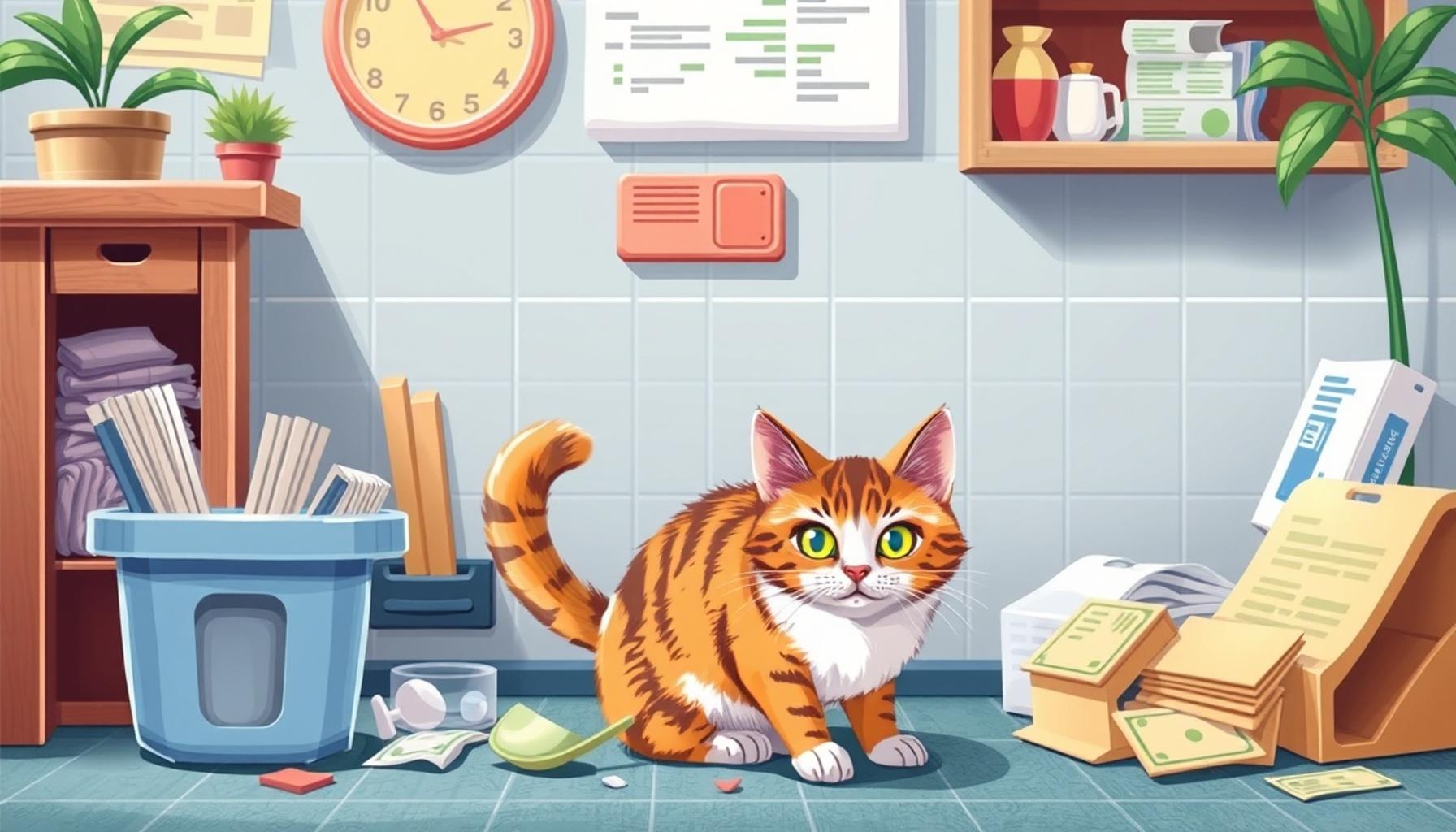
The Exciting Journey of Cat Ownership
Welcoming a new cat into your home is an incredibly fulfilling experience, bringing with it a blend of joy and responsibility. One of the most crucial tasks you will face as a cat owner is training your feline friend to use a litter box. Success in this area contributes to both hygiene and the overall quality of life for you and your pet. Understanding the litter box training process is key to fostering a harmonious environment.
Why Litter Box Training Matters
There are several compelling reasons to prioritize litter box training:
- Hygiene: A well-maintained litter box not only reduces unpleasant odors but also keeps your living space clean. Regular scooping and cleaning prevent waste buildup that can lead to unwanted smells and health concerns.
- Health: Monitoring your cat’s use of the litter box enables you to spot potential health issues early. For example, changes in frequency or consistency can be indicative of urinary tract infections or digestive problems, allowing for timely veterinary interventions.
- Ease: A trained cat means more freedom for both of you. You can enjoy your daily routine without the worry of accidents around the house, leading to a more relaxed environment.
Despite their reputation for independence, most cats have a natural instinct to dig and bury their waste, making litter box training a highly achievable goal. However, some cats may require a bit more guidance to establish this important habit. Observing their behavior and preferences can help you customize the training approach.
Effective Litter Box Training Tips
To set your new feline companion up for success, consider the following strategies:
- Choose the Right Box: Select a litter box that suits your cat’s size and personality. Some cats prefer covered boxes for privacy, while others may feel confined. Testing both options can help determine what your cat feels most comfortable with.
- Pick the Perfect Litter: Cats can be particular about the type of litter they use. You might start with a clay-based or clumping litter, as these are commonly preferred. Gradually introduce different types to see which your cat favors.
- Location Matters: Placing the litter box in a quiet, low-traffic area allows your cat to feel secure while they do their business. Avoid placing it near their food and water bowls, as cats typically dislike using the bathroom where they eat.
- Create Positive Associations: Encourage your cat to explore the litter box by placing them inside it after meals or naps. Reward them with treats and affection when they use the box correctly to reinforce good behavior.
By understanding the essentials of litter box training and committing to consistent training methods, you will pave the way for a happy, well-adjusted feline companion. Get ready to embark on this rewarding journey toward making your cat a litter box pro, ultimately leading to a cleaner and more harmonious living space for both of you. Let’s delve deeper into the world of feline training and explore the endless possibilities it offers!
DIVE DEEPER: Click here to learn advanced techniques
Understanding Your Cat’s Instincts
The litter box training journey begins with an exploration of your cat’s natural instincts. Cats are instinctively drawn to bury their waste, a behavior that harkens back to their wild ancestors who did so to avoid detection by predators. This innate tendency makes them generally receptive to using a litter box if you provide the right environment.
Recognizing Your Cat’s Preferences
Before embarking on the training process, it’s essential to understand that each cat has unique preferences. Factors such as age, previous experiences, and individual temperament can influence their willingness to adopt litter box habits. Observing your feline friend can provide valuable insights into how to tailor your training approach. Consider these aspects:
- Age: Kittens typically learn quicker than adult cats, as they haven’t developed habits yet. Young cats may instinctively gravitate toward the litter box once they are weaned and ready to explore their surroundings.
- Previous Owners: If you’ve adopted a cat from a shelter or previous home, consider their past experiences with litter boxes. Transitioning from one litter box to another could require additional patience and understanding.
- Temperament: A shy or anxious cat may need extra encouragement, while a more outgoing cat might adapt quickly. Tailoring your approach based on their personality is crucial for success.
Establishing a Routine
Cats thrive on routine, and establishing a consistent schedule is vital to litter box training. Implementing a structured daily routine will not only help to set the stage for better litter box habits, but it will also provide your cat with a sense of security. Here are some practical tips to consider:
- Feeding Schedule: Consistent feeding times can lead to predictable bathroom breaks. Offering meals at the same time each day can help you anticipate when your cat is likely to need the litter box.
- Regular Breaks: After meals, provide your cat with opportunities to use the litter box. Spending time with your cat in the same room as the litter box can encourage curiosity and comfort.
- Daily Cleanliness: Regularly scoop the litter box and change out the litter as needed. A clean environment is more appealing for your cat and encourages them to use the box consistently.
By recognizing your cat’s instincts and preferences, and establishing a consistent routine, you can create an environment that is conducive to successful litter box training. Keep in mind that patience is key; your feline friend is learning a new skill, and every cat learns at their own pace.
In the next sections, we will explore more advanced techniques and troubleshooting tips to ensure that your training efforts are met with success. The journey towards a litter box-savvy cat is not only possible, but an exciting opportunity for both you and your new companion!
| Tip | Details |
|---|---|
| Choose the Right Litter Box | Opt for a box that is the right size for your cat; it should be easy for them to enter and exit. |
| Location Matters | Place the litter box in a quiet, easily accessible location to encourage regular use. |
| Use Clumping Litter | Consider using clumping litter, which is favorable for both your cat and you in terms of cleanup. |
| Positive Reinforcement | Always reward your cat with praise or a treat when they use the litter box correctly. |
To successfully train your feline friend to use a litter box, it’s crucial to implement a few practical strategies. Choosing the right litter box is foundational; it should be spacious enough so your cat feels comfortable while doing their business. Additionally, the box must be positioned in a quiet area, away from loud noises or other pets that might intimidate them.When it comes to the litter itself, using clumping litter is often recommended. This type of litter simplifies the cleaning process and helps you maintain the box more effectively. Furthermore, consider incorporating positive reinforcement whenever your cat successfully uses the litter box. Simple acts of praise or offering treats not only encourages your pet but also fosters a stronger bond between you both.Implementing these tips can make a significant difference and help ensure that your cat becomes a pro at using their litter box in no time!
DISCOVER MORE: Click here for essential safety tips
Choosing the Right Litter and Litter Box
One of the most crucial aspects of litter box training is selecting the right type of litter and litter box. With a myriad of options available, it’s important to understand what will work best for your cat’s preferences and needs. A mismatched combination can lead to reluctance in using the box, so let’s delve into some essential factors to consider.
Types of Cat Litter
When it comes to kitty litter, you have several options to choose from, each with its unique properties and appeal:
- Clumping Clay Litter: This type is popular due to its ability to form clumps when wet, making it easier to scoop and clean. Many cats are drawn to the texture and feel of clumping clay, which can encourage frequent use.
- Non-Clumping Clay Litter: This option absorbs moisture without clumping. While it is generally less expensive, some cats may not prefer its texture, particularly if they’ve been introduced to clumping litter early on.
- Natural Litter: Made from sustainable materials like wood, paper, or corn, natural litters are eco-friendly and often biodegradable. Cats may respond positively to their scent and texture, especially if they’re more sensitive to strong odors.
- Silica Gel Litter: Known for its excellent odor control and absorption properties, silica gel litter is low maintenance but can be less appealing for some cats due to its texture.
Experiment with different types of litter to discover which one your cat prefers. It may take a few trials, but finding the right litter can significantly enhance your cat’s willingness to use the box.
Selecting the Right Litter Box
The next vital piece of the puzzle is the litter box itself. Various factors influence the choice of litter box, and addressing these can encourage your cat to adopt good habits:
- Size: Ensure the litter box is large enough for your cat to move around comfortably. A cramped box may deter them from using it. If you have multiple cats, consider having one box per cat plus one extra.
- Type: Some cats prefer covered litter boxes because they provide privacy, while others may feel trapped and prefer an uncovered box. Observe your cat’s behavior to decide which style suits them best.
- Location: Place the litter box in a quiet, easily accessible area away from high traffic zones. Avoid spots that are too close to the cat’s food and water dishes, as cats prefer their bathroom space separated from eating spaces.
After selecting the right box and litter, it’s essential to maintain these correctly. Regularly cleaning the box will prevent odors, which can turn your cat away from using it. Cats are meticulous creatures and a dirty litter box is often a top reason for accidents around the house.
Introducing the Litter Box
When introducing your cat to the litter box, do so gradually. Allow your cat to explore the box at their own pace, guiding them gently if necessary. You can place your cat in the litter box after meals or after playtime, as these are times when they may feel the need to go. Patience is critical while they adjust—remember, building new habits can take time.
By carefully considering the choices of litter and the litter box setup while introducing it in a thoughtful way, you create a positive experience that can foster a successful transition to litter box use. Keep observing for signs of discomfort or reluctance, which can help you make any necessary adjustments in strategy. The right combination can lead your furry friend toward successful litter box habits that will last a lifetime.
DISCOVER MORE: Click here for essential tips
Conclusion
Successfully training your cat to use a litter box is a journey that requires patience, consistency, and a keen understanding of your feline friend’s preferences. By choosing the right litter and litter box, you create an inviting environment that encourages your cat to embrace this necessary habit. The process begins with recognizing that each cat has unique preferences—what works for one may not work for another.
As you navigate the training process, remember to remain observant and responsive to your cat’s behavior. If you notice signs of discomfort or hesitation, don’t hesitate to adjust your approach. Whether it’s trying out different types of litter or relocating the litter box to a more favorable spot, small changes can yield significant results.
Moreover, the importance of maintaining a clean litter box cannot be overstated. Regularly scooping the litter and changing it out ensures a fresh and appealing space for your cat, drastically reducing the chances of unwanted accidents elsewhere in the house. A tidy environment reinforces positive behavior and allows your cat to feel secure in their bathroom habits.
Incorporate gentle guidance and praise during the training phase, particularly in the early days. Successful litter box habits won’t develop overnight, but with determination and the right strategies in place, you can foster a smooth transition for your furry companion. Armed with these tips and tricks, you are well-equipped to tackle litter box training with confidence and compassion.

Linda Carter
Linda Carter is a writer and pet care expert specializing in pet health, grooming, and wellness. With extensive experience helping pet owners create safe, loving, and enriching environments for their animals, Linda shares her knowledge on our platform. Her goal is to empower readers with practical advice and strategies to ensure their pets thrive and lead joyful, healthy lives.