Breeds of Cats Adaptable to the Tropical Climate of the Philippines
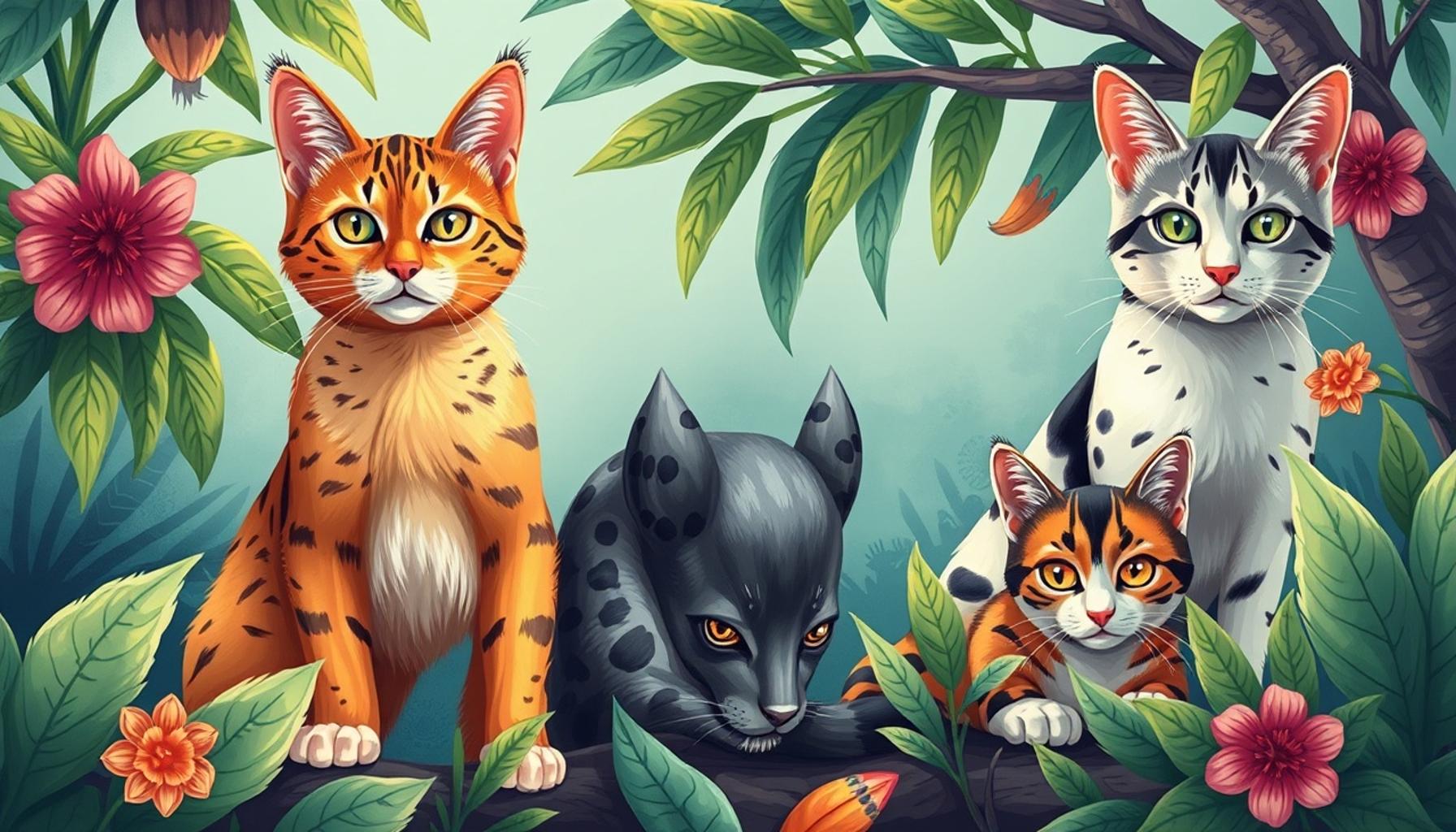
Understanding Cats in the Tropical Climate
The Philippines boasts a climate that is both enticing and challenging for pet owners. With its year-round warmth and persistent humidity, finding a cat breed that can thrive in these conditions is crucial. A thoughtful choice not only ensures a comfortable life for your feline friend but also enhances the bond shared between pet and owner. While cats are generally adaptable, certain breeds stand out for their unique characteristics that align perfectly with the needs of a tropical lifestyle.
Key Features for Adaptability
When searching for a cat breed suited for the tropical environment, consider specific traits that indicate adaptability:
- Short coats: Breeds with shorter fur are less prone to overheating, making them ideal companions for the hot and humid climate often experienced in the Philippines.
- Active temperament: Cats that enjoy being engaged and active can better cope with the limitations of indoor living, especially given that the outdoor heat may be overwhelming during peak hours.
- Resilience: A robust immune system enables these breeds to handle increased humidity and the likelihood of encountering tropical parasites such as fleas and ticks.
Several cat breeds are particularly well-suited for thriving in the Philippine climate:
- Siamese: Renowned for their striking blue eyes and elegant physique, Siamese cats are not only sociable but also adaptable across various environments. Their thin coats enable them to stay cool, and they often seek companionship, making them an ideal fit for homes with active families.
- Oriental Shorthair: This breed offers a short, sleek coat that promotes heat dissipation, enabling them to navigate the warm tropical temperatures with ease. Known for their playful demeanor and intelligence, Oriental Shorthairs are often found engaging in interactive play, ensuring they remain mentally stimulated and physically active.
- Burmese: A breed characterized by its muscular build and affectionate nature, the Burmese is a social butterfly in the feline world. These cats enjoy warmth and are known for their friendly disposition toward both humans and other pets, making them an excellent choice for those who appreciate a companion that thrives on interaction.
Understanding these breeds can transform your experience as a cat owner. When you choose a breed that adapts well to the tropical conditions, you are not only ensuring the welfare of your pet but also adding joy and companionship to your home. Observing how these breeds thrive within their environments can lead to deeper appreciation and awareness of the specific needs of cats living in the Philippines.
By making an informed choice, you can help your feline friend stay comfortable and happy amidst the tropical heat, leading to a fulfilling cohabitation experience that benefits both you and your furry companion.
Choosing the Right Breed for a Tropical Home
As the climate in the Philippines fluctuates between scorching heat and humidity, cat owners must consider specific breeds that can adjust and thrive in these conditions. Understanding the unique characteristics of various cat breeds can help you make an informed decision that promotes the long-term health and happiness of your feline companion. Let’s explore some of the breeds particularly well-suited for the tropical environment.
Noteworthy Breeds for Tropical Living
Several cat breeds boast qualities that make them ideal for weaving into the fabric of Filipino life, particularly under the prevalent tropical conditions. Here are some standout examples:
- American Shorthair: This versatile breed comes equipped with a short, thick coat, ideal for hot climates. Initially bred for their pest control abilities, American Shorthairs are adaptable and social, thriving in active households. Their laid-back attitude allows them to enjoy the indoor comforts of your home while being able to handle the occasional ventured outdoors.
- Devon Rex: Distinguished by its short, curly coat, the Devon Rex is a playful and curious breed. Their coat requires minimal grooming and helps them stay cool in the tropical heat. The Devon Rex is not only energetic but also affectionate, enjoying snuggling and playtime with their owners, making them excellent additions to active families.
- Russian Blue: Although primarily known for its beautiful, silvery fur, the Russian Blue also displays remarkable adaptability to warm climates. Their sleek double coat provides insulation, which can help regulate body temperature. They are not just striking; their calm and gentle temperament makes them perfect for homes with children and other pets.
- Tabby Cats: Often an umbrella term for various breeds displaying tabby markings, these cats are commonly found in households across the Philippines. Their short coats, hardy nature, and playful demeanor make them excellent contenders for tropical living. Tabby cats are known for their endearing personalities, ensuring that they forge strong bonds with their owners.
Understanding the dynamics of these breeds can lead to a more rewarding experience as a cat owner, especially in a tropical setting like the Philippines. Adopting a breed that adjusts well to the climate not only enhances your pet’s well-being but also enriches the atmosphere of your home.
As you consider the best options for your family, take time to research each breed’s specific personality traits and grooming requirements. By aligning your lifestyle with the unique needs of your chosen feline friend, you can look forward to developing a lasting companionship that thrives amid the sunny days and balmy evenings typical of the Philippine archipelago.
| Cat Breed | Adaptability Features |
|---|---|
| Siamese | These cats thrive in warm climates due to their short coats, reducing the heat retention. |
| Oriental Shorthair | Their vibrant colors and minimal undercoat help them stay cool, making them ideal for tropical weather. |
| Burmese | The Burmese breed has a sleek, short coat that provides them with comfort in humid temperatures. |
| Domestic Shorthair | Highly adaptable and well-suited for various climates, they can adjust easily to tropical living. |
The cats listed above not only bring companionship but also exhibit a remarkable ability to cope with the challenges posed by the tropical climate of the Philippines. By choosing breeds with short coats and high adaptability, pet owners can ensure their furry friends are comfortable throughout the year. Feline lovers in tropical regions benefit from understanding these breed characteristics, as they open the door to a world of happy and healthy pets. Whether considering their playful nature or their unique traits suited for the heat, exploring these breeds can lead to enriching experiences. For those pondering adopting, delving deeper into each breed’s individual temperament, behavior, and specific care requirements is essential for long-term success and happiness.
Feline Companions with a Tropical Advantage
Beyond the standout breeds mentioned earlier, there are additional feline companions that excel in tropical climates, providing options for every kind of cat enthusiast. By examining more breeds, potential pet owners can broaden their selections while ensuring that their chosen cats will thrive in the humid conditions of the Philippines.
Additional Breeds Worth Considering
Beyond the American Shorthair and Russian Blue, the following breeds are also noteworthy for their resilience and suitability to tropical living:
- Siamese: Known for their striking blue eyes and sleek body, Siamese cats thrive in warmer weather thanks to their short, fine coats. They are extremely vocal and social, preferring to be engaged and involved in family activities. This breed’s outgoing nature makes them perfect for lively households where they can receive plenty of attention and playtime.
- Bengal: With their stunning leopard-like spots, Bengals are not only a feast for the eyes, but also exhibit a strong adaptability to warmer temperatures. Their short, fine coat requires minimal upkeep and is moisture-resistant, making it ideal for tropical conditions. Bengals are energetic and playful, necessitating ample space to exercise, which is perfect for those living in larger homes or those willing to venture to open outdoor spaces.
- Oriental Shorthair: Closely related to the Siamese, the Oriental Shorthair is available in over 300 color variations, allowing for diverse aesthetic preferences. Their short coat and fine structure help them manage the humidity typical of the Philippines. This breed is also affectionate and highly intelligent, thriving on interactive play and mental challenges.
- Balinese: With their plush, semi-long coat, Balinese are often referred to as the “long-haired Siamese.” They generally adapt well in humid environments thanks to their breathable coat, and they carry the same famously affectionate temperament. Active and social, Balinese cats are known for their playful antics and high intelligence, making them engaging companions for families.
When choosing a breed for your home, it’s essential to consider not only their aesthetic appeal but also their personality traits and care requirements. Each breed mentioned thrives creatively in social environments, catering to families or individuals looking for companionship and playfulness.
In terms of climate adaptability, it’s also crucial to maintain a comfortable environment for your feline friend. Basic needs such as ventilation, access to fresh water, and shaded areas within your home are paramount to keeping your cat healthy during sweltering summer months. Moreover, regular grooming, particularly for slightly longer-haired breeds like the Balinese, should be integrated into their care routine to prevent matting and promote healthy fur.
Moreover, it’s important to consider the unique characteristics and requirements of mixed-breed cats, commonly known as the Filipino domestic cat. These cats show remarkable adaptability to local climates and can often exhibit traits from their diverse ancestry, contributing to their resilience.
Ultimately, whether opting for a purebred or a local rescue, understanding the needs of each breed and providing an environment that supports their well-being will foster a long-lasting companionship that flourishes in the tropical beauty of the Philippines.
Conclusion: Finding the Right Feline Fit for Tropical Living
As we explore the world of cats suitable for the tropical climate of the Philippines, it’s evident that various breeds are not only capable of adapting but also thriving in this unique environment. From the sociable Siamese to the energetic Bengal, each breed brings a distinct personality and set of requirements that cater to different lifestyles and family dynamics. The Oriental Shorthair provides a colorful variety for those seeking diversity, while the affectionate Balinese offers both beauty and companionship.
Moreover, mixed-breed cats, often found in local Filipino households, exemplify resilience and adaptability, showcasing traits that make them uniquely suited to the climate. For prospective cat owners, understanding these breeds and their specific needs is crucial for fostering an enriching environment. Emphasizing basic care elements—such as adequate ventilation, access to fresh water, and shaded areas—immeasurably enhances a cat’s quality of life in a tropical setting.
Ultimately, whether adopting a purebred or a local rescue, a well-informed choice will lead to a harmonious relationship between pet and owner. As the beauty of the Philippines continues to flourish, so too can the bonds formed with these remarkable feline companions, as they fill homes and hearts with joy, playfulness, and affection in the warm embrace of the tropics.

Linda Carter
Linda Carter is a writer and pet care expert specializing in pet health, grooming, and wellness. With extensive experience helping pet owners create safe, loving, and enriching environments for their animals, Linda shares her knowledge on our platform. Her goal is to empower readers with practical advice and strategies to ensure their pets thrive and lead joyful, healthy lives.