How regular physical exercise can improve sleep quality
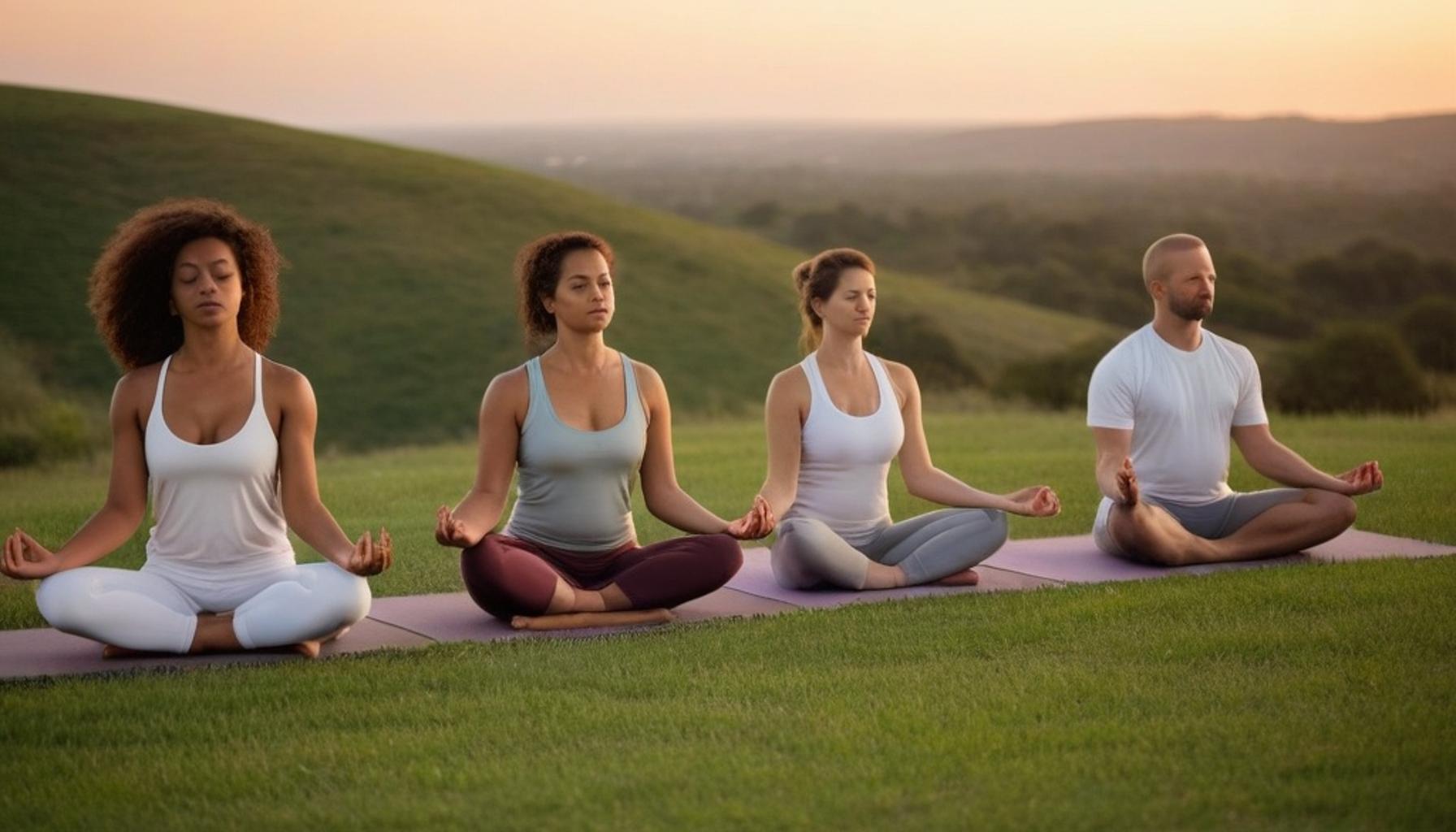
The Hidden Connection Between Movement and Rest
Millions of Americans toss and turn every night, scrolling through sleep apps and trying every trick in the book. Yet one of the most effective solutions might already be sitting in your gym bag or running shoes.
Research consistently shows that physical activity and sleep quality are deeply connected. According to the National Sleep Foundation, adults who exercise regularly report significantly better sleep than those who remain sedentary. Some studies even suggest that people who engage in moderate aerobic activity, such as brisk walking or cycling, fall asleep nearly twice as fast as those who don’t move much during the day.
Why This Matters Now
Nearly 1 in 3 U.S. adults don’t get enough sleep, according to the CDC. At the same time, sedentary lifestyles continue to rise, creating a perfect storm for insomnia and restless nights. Desk jobs, long commutes, and hours spent in front of screens have reshaped daily routines across the country, leaving little room for the kind of movement our bodies were designed for.
This shift isn’t just about comfort or convenience. Chronic sleep deprivation has been linked to a wide range of health issues, including obesity, heart disease, and weakened immune function. Public health experts increasingly point to exercise as a low-cost, accessible tool that could help reverse this troubling trend.
The good news? The benefits of exercise on sleep are backed by decades of scientific study, and the effects can be felt in as little as a few weeks. Researchers at institutions like Johns Hopkins and the Mayo Clinic have documented measurable improvements in sleep architecture among previously inactive adults who adopted a consistent workout routine.
Here’s what regular movement can do for your nightly rest:
- Reduce the time it takes to fall asleep
- Increase total sleep duration
- Improve deep sleep cycles
- Lower symptoms of anxiety and stress that disrupt rest
Understanding how exercise helps sleep isn’t just about burning calories or building muscle. It’s about triggering biological processes that regulate your internal clock, body temperature, and stress hormones. Physical activity raises your core body temperature during the workout, and the gradual cooling that follows several hours later mimics the natural temperature drop that signals your brain it’s time to sleep.
Exercise also influences the production of cortisol and adrenaline, hormones tied to stress and alertness. When these levels drop after physical exertion, the body becomes primed for relaxation rather than wakefulness.
From morning walks to evening yoga sessions, the effects of exercise on sleep vary depending on timing, intensity, and consistency. A high-intensity spin class at 6 a.m. may produce very different results than a gentle stretching routine before bed. This article breaks down the science, practical strategies, and expert-backed tips to help you use exercise for better sleep starting tonight.
YOU MAY ALSO LIKE: Foods and drinks that affect sleep quality
The Science Behind Sweat and Slumber
To understand how exercise helps sleep, it’s worth looking inside the body’s most basic survival systems. Every time you engage in physical activity, you’re not just working muscles, you’re recalibrating the internal clock that governs when you feel alert and when you feel drowsy. This isn’t some vague wellness trend dreamed up by fitness influencers. It’s rooted in decades of physiological research that continues to gain traction among sleep specialists across the United States.
This internal clock, known as the circadian rhythm, relies heavily on external cues like sunlight, temperature, and physical exertion. A study published in the Journal of Clinical Sleep Medicine found that adults who engaged in at least 150 minutes of moderate exercise per week experienced a 65% improvement in sleep quality compared to inactive participants. That’s not a marginal difference. That’s a life-changing shift for someone who has spent years struggling to fall asleep, tossing and turning while watching the clock tick past midnight.
What Happens Inside Your Body During Exercise
The connection between physical activity and sleep quality isn’t just theoretical. Researchers have identified specific biological mechanisms that explain why a solid workout translates into deeper, more restorative rest. These mechanisms work together like a finely tuned orchestra, each playing a distinct role in preparing the body for sleep.
- Exercise increases the release of adenosine, a compound that builds sleep pressure throughout the day
- Physical exertion helps regulate melatonin production, the hormone responsible for signaling sleepiness
- Moderate to vigorous activity reduces cortisol levels, easing the stress response that often keeps people awake
- Working out raises core body temperature, and the subsequent cooling process promotes drowsiness
These processes don’t require marathon training sessions or extreme workout routines. In fact, research from Northwestern University found that even a single 30-minute session of moderate aerobic exercise, like a brisk walk around the neighborhood or a jog along a local park trail, can significantly improve sleep quality that same night. This is particularly relevant for busy Americans juggling demanding work schedules, family obligations, and the general chaos of modern life, since it shows that meaningful results don’t demand hours at the gym.
What makes these findings particularly compelling is the ripple effect. Better sleep leads to better mood, sharper focus, and even improved workout performance the next day. This creates a positive feedback loop where the benefits of exercise on sleep reinforce healthier habits across the board. Someone who sleeps well is more likely to wake up energized, choose a nutritious breakfast, and stay consistent with their fitness routine, which in turn supports even better sleep down the line.
Consider the case of shift workers, a group notorious for irregular sleep patterns due to unconventional hours. Nurses, factory employees, and emergency responders across the country often struggle with sleep disruption caused by rotating schedules. A 2019 study conducted by the American College of Sports Medicine found that shift workers who incorporated regular strength training into their routines reported falling asleep faster and experiencing fewer nighttime awakenings, despite working schedules that clash with natural circadian rhythms. Participants who lifted weights just three times per week showed measurable improvements within a matter of months.
These findings suggest that the relationship between movement and rest isn’t just about tiring yourself out. It’s about sending clear biological signals that tell your brain and body when it’s time to wind down, regardless of external chaos. Whether someone works a traditional nine-to-five job or clocks in for an overnight shift at a hospital, the underlying science remains strikingly consistent, offering a compelling reason to lace up those sneakers a little more often.
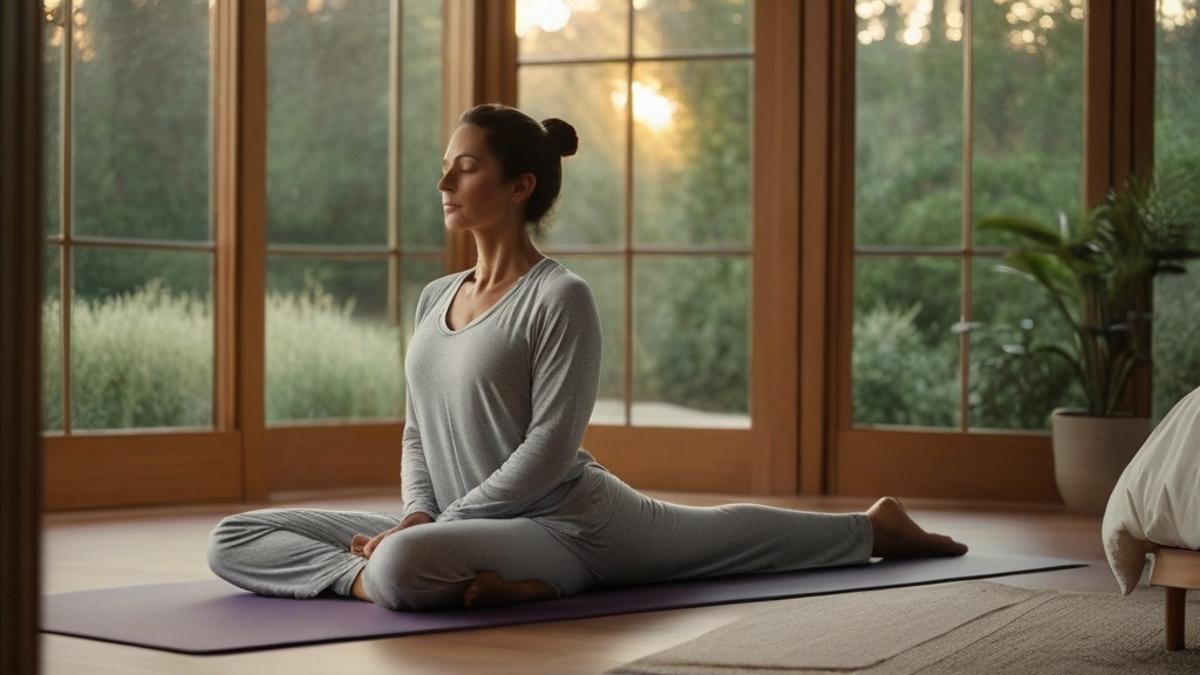
Key Ways Regular Physical Exercise Improves Sleep Quality
Scientific research consistently confirms the benefits of exercise on sleep, showing that consistent movement directly influences sleep architecture, hormone regulation, and nighttime recovery. Understanding how exercise helps sleep reveals why fitness routines are often recommended alongside traditional sleep therapies.
| Exercise Aspect | Impact on Sleep Quality |
|---|---|
| Aerobic Activity | Increases deep sleep duration by regulating body temperature and circadian rhythm |
| Strength Training | Reduces cortisol levels, promoting relaxation before bedtime |
| Workout Timing | Morning or afternoon sessions enhance physical activity and sleep quality more than late-night workouts |
| Consistency | Daily routines stabilize sleep-wake cycles, a proven strategy for exercise for better sleep |
| Stress Reduction | Lowers anxiety, a major cause of insomnia, highlighting key effects of exercise on sleep |
These findings demonstrate that structured movement, whether cardio, resistance work, or flexibility training, plays a measurable role in helping the body achieve restorative rest. Each exercise type contributes uniquely to overall sleep efficiency, making it worthwhile to explore which routine best suits individual sleep goals.
LEARN MORE: The relationship between sleep quality and productivity at work
# Timing, Intensity, and the Exercise Types That Matter Most
Not all workouts are created equal when it comes to catching quality shut-eye. The timing of your sweat session, the intensity level, and even the specific type of movement you choose all play distinct roles in how effectively you improve sleep quality. Understanding these variables can mean the difference between tossing all night and drifting off within minutes.
Does Timing Really Matter?
Fitness enthusiasts have long debated whether evening workouts sabotage sleep. The old assumption suggested that exercising too close to bedtime would leave the body too revved up to relax. Recent research paints a more nuanced picture, one that complicates the simple advice many gym-goers grew up hearing from trainers and well-meaning relatives.
A study published by the National Sleep Foundation revealed that 83% of participants who exercised at any time of day, including evening hours, reported better sleep than those who remained sedentary. The key factor wasn’t necessarily when they exercised, but rather how intensely they pushed themselves right before bed. This finding alone should give pause to anyone who has skipped a workout entirely just because their schedule only allowed for a 9 p.m. session.
- Morning workouts tend to align naturally with circadian rhythms, reinforcing daytime alertness and nighttime drowsiness
- Afternoon exercise sessions often produce the most noticeable drop in core body temperature during evening hours, aiding sleep onset
- Vigorous evening workouts completed less than an hour before bed may delay sleep for some individuals, though this varies significantly from person to person
- Gentle evening activities like yoga or stretching can actually promote relaxation without the stimulating effects of high-intensity training
What does this mean for the average American juggling work, family, and a gym membership? Essentially, there is no universal formula. Someone who thrives on a 6 a.m. spin class in New York City might feel completely different from a night-shift worker in Phoenix who only has access to a 10 p.m. lap swim. Personal experimentation, paired with attention to how your body responds, remains the most reliable guide.
Comparing Cardio, Strength Training, and Low-Impact Movement
When people consider exercise for better sleep, aerobic activity usually comes to mind first, and for good reason. Running, cycling, and swimming have all demonstrated strong links to improved sleep architecture in clinical settings, with participants frequently reporting longer stretches of uninterrupted rest.
However, strength training deserves equal attention, and perhaps more credit than it typically receives. Researchers at Iowa State University discovered that adults who combined resistance training with moderate cardio experienced 45% fewer nighttime awakenings compared to those who relied solely on aerobic exercise. The muscle recovery process itself appears to trigger deeper, more restorative sleep stages, suggesting that lifting weights might be doing far more than building biceps.
Low-impact activities shouldn’t be dismissed either. Practices like tai chi and gentle yoga have shown measurable effects of exercise on sleep among older adults, a demographic particularly prone to insomnia and fragmented rest. A 2020 clinical trial involving adults over 60 found that participants practicing tai chi three times weekly fell asleep an average of 18 minutes faster than their sedentary counterparts, a difference that can feel monumental to anyone who has spent hours staring at a ceiling.
Outdoor activities add another layer of benefit worth exploring further. Hiking trails in states like Colorado and California, or simply walking through a neighborhood park, combine physical exertion with natural light exposure, which further reinforces healthy circadian signaling. This dual exposure appears to amplify the sleep-promoting effects that indoor gym sessions alone might not fully replicate, raising an intriguing question about whether the environment surrounding a workout matters just as much as the workout itself.
The Bottom Line on Movement and Rest
The evidence gathered here points to one undeniable truth: the connection between physical activity and sleep quality is far too significant to ignore. Whether it’s a brisk morning jog through a Chicago park or a quiet evening yoga session in a Seattle apartment, the body responds to movement in ways that directly shape how well, and how long, a person sleeps.
Throughout this discussion, the data has been consistent even when the specifics varied. Cardio builds sleep-friendly fatigue, strength training deepens restorative sleep stages, and low-impact practices like tai chi offer gentler paths toward the same destination. There isn’t a single formula that works for everyone, which is precisely what makes this topic worth continued attention.
What stands out most is how accessible these benefits of exercise on sleep truly are. No expensive equipment or gym membership is required to start seeing changes, just consistent movement tailored to individual schedules and preferences.
For anyone still struggling with restless nights, the research suggests a simple starting point: pick an activity, find a consistent time, and give it several weeks before judging results. The relationship between physical activity and sleep quality tends to strengthen over time rather than appearing overnight.
Sleep researchers continue investigating exactly how much exercise is enough, and whether genetic factors influence individual responses more than previously understood. Until those answers arrive with more precision, the current body of evidence offers a compelling enough reason to lace up those sneakers, not just for physical health, but for the sake of a better night’s rest.
Frequently Asked Questions
How does regular exercise improve sleep quality?
Regular physical activity helps regulate your circadian rhythm and increases the amount of time spent in deep, restorative sleep. It also reduces stress hormones like cortisol and promotes the release of sleep-friendly chemicals such as adenosine. Over time, this leads to falling asleep faster and waking up feeling more refreshed.
What type of exercise is best for improving sleep quality?
Moderate aerobic activities like brisk walking, swimming, or cycling are especially effective for improving sleep quality. Strength training a few times a week can also help by reducing anxiety and promoting physical tiredness. The best results usually come from combining both cardio and resistance exercises consistently.
How long before bed should I avoid exercising to protect my sleep?
It’s generally best to finish vigorous workouts at least 1 to 2 hours before bedtime, since intense exercise raises your heart rate and body temperature, which can delay sleep onset. Light activities like gentle yoga or stretching, however, can be done closer to bedtime without disrupting sleep quality. Everyone’s sensitivity varies, so pay attention to how your body responds.
How soon can I expect exercise to improve my sleep quality?
Some people notice improved sleep quality within a few days of starting a consistent exercise routine, especially in terms of falling asleep faster. However, more significant benefits, like deeper sleep and fewer nighttime awakenings, typically build over 4 to 6 weeks of regular activity. Consistency matters more than intensity for long-term sleep improvements.
Can too much exercise negatively affect sleep quality?
Yes, overtraining without adequate recovery can elevate stress hormones and lead to restless or fragmented sleep. Signs of this include difficulty falling asleep, frequent waking, or feeling fatigued despite exercising regularly. Balancing exercise intensity with rest days is key to reaping sleep-quality benefits.
Does exercise help with specific sleep issues like insomnia?
Research shows that regular moderate exercise can reduce symptoms of insomnia by decreasing anxiety and promoting relaxation. It’s often recommended alongside good sleep hygiene practices, such as consistent bedtimes and limiting screen use before sleep. While exercise alone may not cure chronic insomnia, it’s a valuable part of a comprehensive treatment approach.

Linda Carter
Linda Carter is a writer specializing in healthy habits and balanced living. With extensive experience helping readers build sustainable routines, she shares practical guidance on nutrition, physical activity, quality sleep, stress management, and emotional well-being. Her goal is to offer simple, accessible strategies that inspire people to care for their health and enjoy a more balanced life.