Nutrition and Sleep: How What You Eat Affects Your Quality of Rest

# Why Your Midnight Snack Might Be Sabotaging Your SleepEver wonder why you toss and turn after a late-night burger run, but sleep like a baby after a light dinner? The answer lies in the powerful relationship between nutrition and sleep, a connection scientists are only beginning to fully understand.Nearly 70 million Americans struggle with chronic sleep issues, according to the CDC. What most don’t realize is that their dinner plate could be part of the problem—or the solution.### The Science Behind Food and RestResearch shows the impact of diet on sleep quality is more significant than previously thought. Certain foods trigger hormonal responses that either promote or disrupt your body’s natural sleep cycle. Think about that late-night pizza after a Friday night out with friends—greasy, satisfying in the moment, but often a recipe for a restless night ahead.
- Foods high in tryptophan boost melatonin production
- Sugary snacks before bed spike blood sugar, causing nighttime awakenings
- Caffeine can linger in your system for up to 6 hours
- Heavy, fatty meals slow digestion and interfere with deep sleep
Consider this: that innocent-looking soda at dinner, or the afternoon coffee you thought had worn off by bedtime, might still be actively working against you. Caffeine’s half-life means a cup consumed at 4 p.m. could still be affecting your body well past midnight. Similarly, that decadent slice of cheesecake after dinner sends your blood sugar on a rollercoaster, often leading to a 3 a.m. wake-up call that leaves you staring at the ceiling.Understanding how diet affects rest isn’t just about avoiding bad choices—it’s about strategically choosing the best foods for better sleep. Nutritionists and sleep specialists across the country are increasingly pointing to specific food groups, like almonds, cherries, and fatty fish, as allies in the fight against insomnia.### What This Article Will CoverThis guide dives deep into the sleep and nutrition relationship, offering practical, science-backed strategies you can start using tonight. Whether you’re a night-shift worker in Chicago or a busy parent in Atlanta juggling dinner schedules, this information applies to your daily routine.You’ll discover:
- Specific food that helps sleep naturally
- Timing strategies for your last meal
- Nutrients that support your circadian rhythm
- Common dietary mistakes sabotaging your rest
Ready to transform your nights? Let’s explore how small dietary changes can lead to significantly better sleep—and why your grocery list might be the missing piece in your quest for a good night’s rest.
CHECK OUT: The Importance of Sleep Routine for Mental Health
The Hormonal Chain Reaction: How Your Gut Talks to Your Brain
Your digestive system and your brain are in constant conversation, and that dialogue directly shapes your sleep quality. At the center of this exchange sits serotonin, a neurotransmitter your body converts into melatonin once darkness falls. Roughly 95% of your serotonin is actually produced in your gut, not your brain—which explains why what you eat during the day has such a profound influence on your rest at night.
This is where the sleep and nutrition relationship gets interesting. Foods rich in tryptophan, an amino acid found in turkey, eggs, and pumpkin seeds, serve as the raw material your body needs to manufacture serotonin and, eventually, melatonin. Skip these nutrients consistently, and you’re essentially asking your body to build a house without lumber. Americans who load their plates with drive-thru burgers and skip the salmon, spinach, or Greek yogurt may be unknowingly starving their own sleep chemistry, one missed nutrient at a time.
Consider the gut microbiome’s role in this equation as well. Trillions of bacteria residing in your intestines don’t just help digest food—they actively participate in neurotransmitter production and communicate with your brain through what scientists call the gut-brain axis. A diet heavy in processed foods and light on fiber can throw this delicate ecosystem out of balance, potentially reducing the raw materials available for serotonin synthesis. Probiotic-rich foods like kefir, sauerkraut, and kimchi have gained attention not just for digestive health but for their potential downstream effects on sleep regulation.
The Blood Sugar Rollercoaster
Blood sugar spikes and crashes represent one of the most underestimated threats to quality rest. When you eat a sugar-loaded dessert at 8 p.m., your pancreas releases insulin to manage the surge. Hours later, as glucose levels plummet, your body responds by releasing cortisol and adrenaline—stress hormones that are the exact opposite of what you want circulating while you’re trying to sleep.
This mechanism explains the impact of diet on sleep quality that so many Americans experience without realizing the cause. That 3 a.m. wake-up isn’t random; it’s often your body responding to a glucose crash triggered hours earlier. Think of your nightly cheesecake slice or that late-night bowl of cereal as setting a biochemical alarm clock you never intended to set.
- Refined carbohydrates (white bread, pastries) cause rapid blood sugar spikes
- Fiber-rich foods slow digestion and stabilize glucose levels overnight
- Protein-fat combinations at dinner help maintain steady blood sugar through the night
- Alcohol, despite feeling sedating, disrupts glucose metabolism during sleep cycles
A 2022 study published in the Journal of Clinical Sleep Medicine found that participants who consumed high-glycemic meals experienced significantly more fragmented sleep than those who ate low-glycemic alternatives. Researchers noted increased nighttime awakenings and reduced time spent in restorative deep sleep stages among the high-glycemic group, reinforcing that dinner choices ripple far beyond the dinner table.
The takeaway is clear: managing blood sugar isn’t just about weight or diabetes prevention—it’s a legitimate sleep strategy. Understanding how diet affects rest at this biochemical level empowers you to make smarter choices, not out of restriction, but out of genuine self-interest in waking up refreshed rather than groggy and reaching for your third cup of coffee before 10 a.m. The next time insomnia strikes, your fork might hold more answers than your pharmacy shelf.
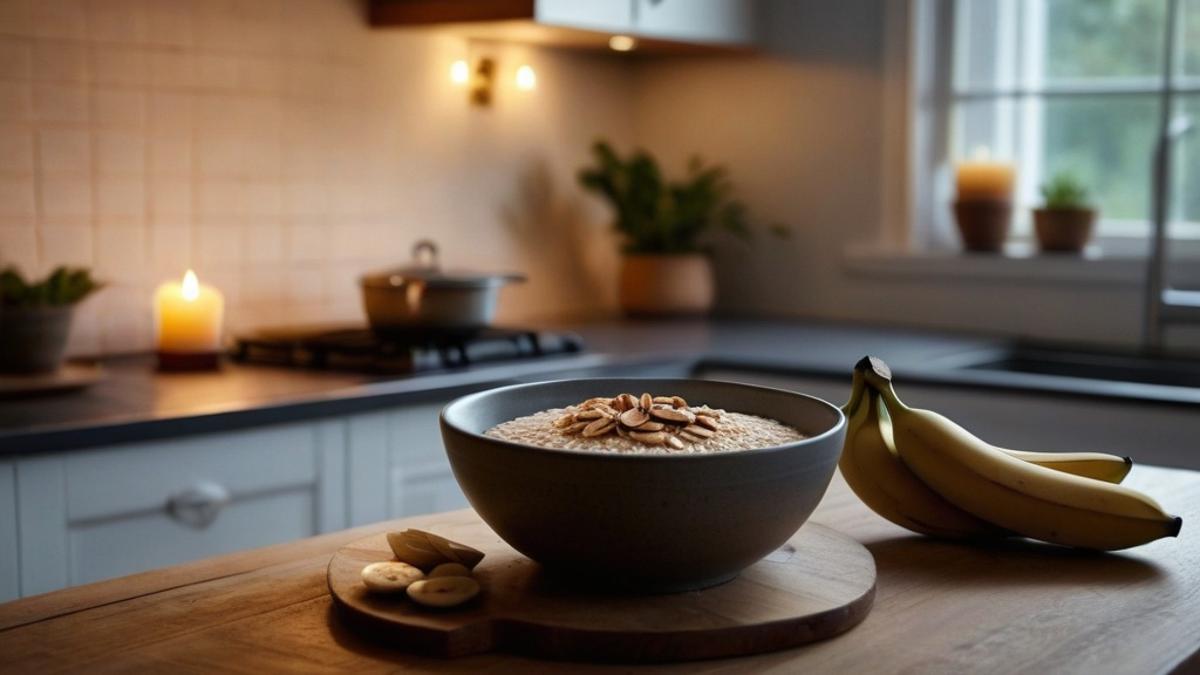
Nutrition and Sleep: Key Foods and Their Impact on Rest Quality
The relationship between sleep and nutrition is far more intricate than most people realize. Certain nutrients directly influence the production of melatonin and serotonin, two hormones essential for restorative sleep. Understanding how diet affects rest can help you make smarter choices before bedtime.
Best Foods for Better Sleep at a Glance
| Nutritional Factor | Impact on Sleep Quality |
|---|---|
| Tryptophan-rich foods | Turkey, eggs, and nuts boost serotonin, easing the transition into deep sleep |
| Magnesium sources | Spinach and almonds relax muscles and calm the nervous system |
| Caffeine timing | Consuming caffeine after 2 p.m. can delay sleep onset by up to 60 minutes |
| Blood sugar balance | Complex carbs prevent nighttime awakenings caused by glucose crashes |
| Alcohol consumption | Disrupts REM cycles, reducing overall sleep and nutrition synergy |
These examples show that food that helps sleep isn’t limited to one miracle ingredient, but rather a balanced combination of nutrients consumed at the right time.
YOU MAY ALSO LIKE: The Role of Natural Light in Sleep Quality
Magnesium, Meal Timing, and the Foods That Actually Earn a Spot on Your Plate
Beyond blood sugar and serotonin, a handful of specific nutrients play outsized roles in determining whether you toss and turn or drift into deep sleep. Magnesium, often called nature’s relaxation mineral, helps regulate the neurotransmitter GABA, which calms nervous system activity. An estimated 48% of Americans fall short of recommended magnesium intake, according to national nutrition surveys—a gap that may partially explain why so many households have a bottle of melatonin gummies sitting next to the vitamins.
Foods that help sleep tend to share this magnesium connection. Almonds, spinach, black beans, and dark chocolate all deliver meaningful doses, making them smarter late-afternoon snack choices than a bag of pretzels. Calcium works alongside magnesium in this process, assisting the brain in converting tryptophan into melatonin, which is part of why a small glass of milk before bed isn’t just an old wives’ tale—it has real biochemical backing.
Timing Matters as Much as Content
Nutritionists increasingly emphasize that when you eat carries nearly as much weight as what you eat. Consuming a heavy, fat-laden meal within two hours of bedtime forces your digestive system into overdrive precisely when it should be winding down. This mismatch between digestion and your circadian rhythm can delay sleep onset and reduce the proportion of time spent in restorative slow-wave sleep.
Some of the best foods for better sleep, ironically, are unhelpful if eaten at the wrong hour. A turkey sandwich at 2 p.m. supports steady energy; the same sandwich at 11 p.m. may leave you digesting instead of dreaming. Sleep specialists generally recommend finishing substantial meals at least three hours before lying down.
- Tart cherries contain natural melatonin and have shown modest sleep-extending effects in clinical trials
- Kiwifruit, eaten an hour before bed, was linked to improved sleep onset in a New Zealand-based study
- Fatty fish like salmon combine vitamin D and omega-3s, both tied to serotonin regulation
- Herbal teas such as chamomile offer apigenin, a compound that binds to calming brain receptors
The Caffeine Half-Life Problem
Caffeine’s reputation as a sleep disruptor is well known, but few Americans grasp just how long it lingers. With a half-life of roughly 5 to 6 hours, that 3 p.m. coffee still has meaningful amounts of caffeine circulating in your bloodstream at 9 p.m. For slower metabolizers, genetics can extend this window even further, quietly sabotaging sleep architecture without any obvious daytime symptoms.
This is precisely why understanding the sleep and nutrition relationship requires looking beyond dinner alone. Your entire day’s choices—from the espresso shot after lunch to the wine poured with dinner—accumulate into a biochemical environment that either invites rest or resists it. Small, deliberate adjustments to timing and food selection often produce results that rival what people spend hundreds of dollars chasing through supplements.
Rethinking Your Plate as a Sleep Tool
The science is clear on one point: Nutrition and Sleep are not separate wellness categories but interconnected systems that respond to each other daily. Every meal sends chemical signals that either support or undermine the body’s natural wind-down process, making food choice one of the most underused levers in the modern sleep-improvement toolkit.
Americans have spent billions on mattresses, white-noise machines, and sleep trackers while overlooking a simpler variable sitting on the dinner table. The impact of diet on sleep quality doesn’t require an overhaul—it requires attention. Swapping a late-night dessert for a handful of almonds, or shifting dinner earlier by an hour, can shape sleep architecture more meaningfully than another gadget ever could.
Small Shifts, Measurable Results
What emerges from the research is a practical blueprint rather than a rigid diet plan. Prioritizing magnesium-rich foods, respecting caffeine’s long half-life, and giving digestion a three-hour head start before bed are changes almost anyone can make this week.
- Choose food that helps sleep, such as tart cherries, kiwifruit, or a small serving of fatty fish, in the hours before bedtime
- Track how afternoon caffeine and evening alcohol correlate with restless nights
- Treat consistent meal timing as seriously as consistent bedtimes
None of this replaces medical care for diagnosed sleep disorders, and anyone facing chronic insomnia should still consult a physician. But for the millions of Americans experiencing the ordinary, frustrating grind of mediocre sleep, the sleep and nutrition relationship offers a starting point that’s accessible, affordable, and backed by real physiology.
The next time sleep feels elusive, the answer may not be another supplement or app—it may already be sitting in the refrigerator, waiting for better timing.
Frequently Asked Questions
What foods should I avoid before bed to improve sleep quality?
Avoid heavy, fatty, or spicy meals within two to three hours of bedtime since they can cause indigestion and disrupt sleep. Caffeine and alcohol are also problematic, as caffeine can stay in your system for six or more hours and alcohol disrupts REM sleep later in the night. Sugary snacks can spike blood sugar and lead to nighttime awakenings as levels crash.
Which nutrients are most important for promoting better sleep?
Magnesium, tryptophan, and vitamin B6 are key nutrients that support the production of sleep-regulating hormones like melatonin and serotonin. Foods rich in magnesium, such as almonds, spinach, and pumpkin seeds, help relax muscles and calm the nervous system. Tryptophan-rich foods like turkey, eggs, and dairy support the body’s natural production of sleep-inducing chemicals.
Can eating a bedtime snack actually help me fall asleep faster?
Yes, a small, balanced snack combining complex carbohydrates and protein, like whole-grain crackers with cheese or a banana with almond butter, can help stabilize blood sugar and promote relaxation. This combination supports tryptophan absorption, which the body converts into serotonin and melatonin. Keep portions small, ideally under 200 calories, to avoid discomfort or indigestion.
How does caffeine timing affect my sleep even if I don’t feel wired?
Caffeine has a half-life of about five to six hours, meaning half of what you consume is still active in your bloodstream that long after intake, even if you don’t feel alert. This lingering caffeine can reduce total sleep time and disrupt deep sleep stages, even in people who don’t consciously notice feeling stimulated. Experts generally recommend avoiding caffeine after 2 p.m. for most adults with a typical bedtime.
Does eating too close to bedtime cause sleep problems?
Eating large meals right before bed can trigger acid reflux, indigestion, and discomfort that make it harder to fall and stay asleep. It can also interfere with your body’s natural drop in core temperature, which is a key signal for initiating sleep. Try to finish substantial meals at least three hours before lying down to give your digestive system time to settle.
Are there specific diets, like the Mediterranean diet, linked to better sleep quality?
Research shows that diets rich in fruits, vegetables, whole grains, and healthy fats, such as the Mediterranean diet, are associated with longer sleep duration and fewer disturbances compared to diets high in processed foods and added sugars. This is likely due to the anti-inflammatory effects and steady nutrient supply these diets provide. Consistently following such eating patterns over weeks or months tends to show more noticeable sleep benefits than short-term changes.

Linda Carter
Linda Carter is a writer specializing in healthy habits and balanced living. With extensive experience helping readers build sustainable routines, she shares practical guidance on nutrition, physical activity, quality sleep, stress management, and emotional well-being. Her goal is to offer simple, accessible strategies that inspire people to care for their health and enjoy a more balanced life.