The importance of meditation in mental health and emotional balance
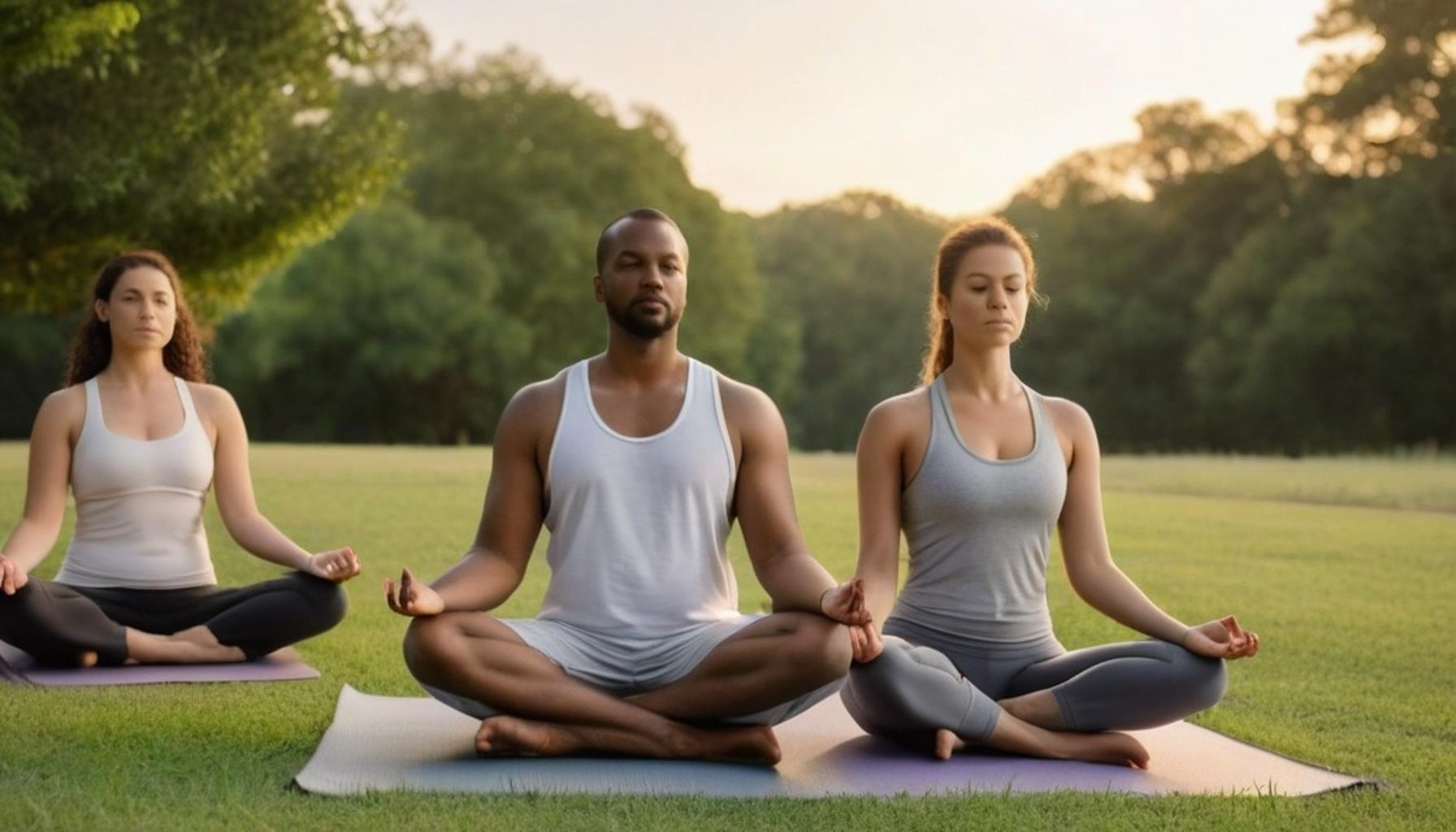
Why Millions of Americans Are Turning to Stillness in a Noisy World
Nearly one in five U.S. adults lives with a diagnosed mental health condition, according to the National Institute of Mental Health. Stress, anxiety, and burnout have become everyday companions for office workers, parents, and students alike, showing up in emergency rooms, school counselor offices, and late-night conversations with primary care doctors. Amid this crisis, a centuries-old practice is quietly reshaping how people cope with the chaos of modern life.
The importance of meditation in mental health has moved from spiritual retreats into hospitals, schools, and even corporate boardrooms across the country. Companies like Google and Apple now offer mindfulness rooms to employees, while hospitals such as the Cleveland Clinic and Mayo Clinic have integrated guided meditation into patient care programs. Scientists are paying attention too, publishing hundreds of studies each year on its measurable effects, and popular apps like Headspace and Calm have turned a once-obscure ritual into a billion-dollar wellness industry.
What Research Reveals About Meditation and the Mind
Recent data paints a compelling picture of the benefits of meditation for mental health. Researchers at institutions like Harvard and UCLA have spent years tracking what regular practice has been linked to:
- Reduced cortisol levels, the hormone most associated with chronic stress
- Improved emotional regulation, helping individuals respond rather than react
- Lower symptoms of anxiety and depression, according to clinical trials involving thousands of participants
- Better sleep quality, a factor closely tied to overall well-being and daytime performance
- Enhanced focus and memory, particularly useful for students juggling demanding coursework
These findings raise an important question: how exactly does sitting quietly for a few minutes a day create such measurable change in people from Manhattan office towers to small towns in the Midwest?
A Tool for Modern Emotional Stability
Understanding meditation and emotional balance starts with the brain itself. Neuroimaging studies show that consistent practice can physically alter regions tied to fear and emotional response, including the amygdala and prefrontal cortex. This isn’t folklore—it’s neuroscience, backed by fMRI scans and peer-reviewed journals.
Veterans Affairs hospitals now use mindfulness-based programs to help former service members manage PTSD, while public school districts in states like California and Ohio have introduced short meditation breaks into classrooms to curb rising anxiety among teenagers.
As more Americans search for sustainable ways to manage daily pressures, exploring how meditation helps mental health has never felt more relevant. The following sections break down the science, techniques, and practical steps anyone can start today.
RECOMMENDED: The importance of daily meditation for mental health and emotional balance
The Science Behind Calm: How Meditation Rewires Stress Responses
Walk into almost any hospital break room in Boston, Chicago, or Los Angeles today, and you might find nurses squeezing in five minutes of guided breathing before their next shift. This shift didn’t happen by accident. The effects of meditation on mental well-being have been documented so extensively that skepticism has slowly given way to clinical adoption.
A landmark study published in JAMA Internal Medicine reviewed data from nearly 3,500 participants and found that mindfulness meditation programs produced effects comparable to antidepressants for treating mild to moderate anxiety and depression. That’s a striking claim for a practice that costs nothing and requires no prescription.
Skeptics once dismissed meditation as a fringe pursuit reserved for yoga retreats in Sedona or wellness influencers on Instagram. That perception has changed dramatically. The Department of Veterans Affairs now offers mindfulness-based programs to veterans dealing with post-traumatic stress, and major insurers, including Aetna, have piloted reimbursement models for mindfulness training. When institutions known for caution start writing checks for a practice, it signals something worth paying attention to.
The Body’s Stress Alarm System Gets Quieter
To understand how meditation helps mental health, it helps to look at the body’s stress response itself. When a person faces a stressful trigger—a tense email from a boss, traffic on I-95, a looming deadline—the amygdala fires up, triggering a cascade of cortisol and adrenaline.
Over time, chronic activation of this alarm system wears down the body, contributing to high blood pressure, insomnia, and weakened immune function. Regular meditation appears to dial down this reactivity. Researchers at Massachusetts General Hospital observed shrinkage in amygdala volume among participants after just eight weeks of consistent practice.
This is where mindfulness meditation for emotional stability becomes more than a wellness buzzword. It becomes a measurable, biological intervention. Brain imaging conducted before and after mindfulness training shows the prefrontal cortex, the region responsible for rational decision-making, becoming more active relative to the amygdala. In practical terms, that means the brain’s “thinking” center gains more influence over the brain’s “reacting” center, allowing people to pause before responding to stress instead of being hijacked by it.
What Changes When People Commit to the Practice
Clinical psychologists and researchers tracking long-term meditators have identified several consistent shifts, often within a matter of weeks:
- Slower, more controlled breathing patterns that reduce physical symptoms of panic
- Greater awareness of emotional triggers before they escalate into outbursts or shutdowns
- Increased gray matter density in areas linked to learning, memory, and self-awareness
- A measurable drop in perceived stress scores, based on standardized psychological assessments
- Stronger resilience during setbacks, such as job loss, illness, or relationship conflict
These changes rarely happen overnight. Most clinical programs, including the widely used Mindfulness-Based Stress Reduction course developed at the University of Massachusetts, run for eight structured weeks, combining guided sessions with daily home practice.
Participants are typically asked to commit twenty to forty-five minutes a day, an investment that researchers say pays measurable dividends. A follow-up study tracking MBSR graduates found that many maintained lower cortisol levels and reduced anxiety symptoms up to a year after completing the course, suggesting the brain changes are not fleeting but potentially long-lasting when practice continues.
What makes this particularly relevant for Americans today is accessibility. Unlike therapy waitlists that can stretch for months in states like Vermont or rural Texas, meditation requires no appointment, no insurance approval, and no travel. It simply requires attention and a willingness to sit still—something increasingly rare, and increasingly valuable, in a culture built on constant notification.

Key Aspects of Meditation’s Impact on Mental Health and Emotional Balance
Scientific research continues to reveal how mindfulness meditation for emotional stability reshapes brain function and daily well-being. The table below highlights the core mechanisms behind the importance of meditation in mental health and why millions are adopting this practice.
| Aspect | Impact on Mental Well-Being |
|---|---|
| Stress Reduction | Lowers cortisol levels, easing chronic tension |
| Emotional Regulation | Strengthens meditation and emotional balance through calmer responses |
| Anxiety Management | Reduces intrusive thoughts, boosting overall clarity |
| Sleep Quality | Promotes deeper rest, one of the effects of meditation on mental well-being |
| Brain Function | Enhances neuroplasticity, showing how meditation helps mental health long-term |
DIVE DEEPER: Click here to discover natural sleep solutions
From Silicon Valley Boardrooms to College Dorms: Meditation’s Expanding Reach
The importance of meditation in mental health has moved far beyond hospital wellness programs. It now shows up in unexpected corners of American life, from tech campuses in Palo Alto to community colleges in Ohio, revealing just how adaptable this ancient practice has become.
Google was among the first major corporations to institutionalize the practice, launching its “Search Inside Yourself” program back in 2007. What started as an internal experiment for engineers has since trained thousands of employees across dozens of companies, including General Mills and Target, both headquartered in Minneapolis. The rationale is simple: workers who manage stress effectively make fewer errors, collaborate better, and report higher job satisfaction.
Why College Campuses Are Paying Attention
Mental health struggles among young adults have reached levels that university counseling centers describe as overwhelming. According to the American College Health Association, more than 60 percent of college students reported experiencing overwhelming anxiety within a single year.
In response, schools like the University of Michigan and UCLA have introduced free meditation drop-in sessions, often held in libraries or student unions between classes. These programs aren’t positioned as therapy replacements. Instead, they function as accessible first steps for students who might otherwise wait weeks for a counseling appointment.
This is where meditation and emotional balance intersect most visibly with practical, everyday needs. A fifteen-minute session before an exam won’t erase academic pressure, but data collected by UCLA’s Mindful Awareness Research Center suggests it can measurably lower self-reported stress scores and improve focus during high-stakes moments.
Techniques That Go Beyond Sitting in Silence
Contrary to popular belief, meditation isn’t limited to sitting cross-legged in silence. Several evidence-backed variations offer different entry points depending on a person’s needs:
- Body scan meditation, which trains attention to physical sensations and helps release tension stored in muscles
- Loving-kindness meditation, shown in studies to increase positive emotions and reduce symptoms of social anxiety
- Walking meditation, popular among people who find stillness uncomfortable or physically difficult
- Breath-focused meditation, often used in emergency rooms to help patients manage acute panic
- App-guided sessions, such as those offered through Headspace or Calm, which have collectively logged hundreds of millions of downloads across the United States
Each technique targets the nervous system slightly differently, but the underlying goal remains consistent: strengthening a person’s ability to observe emotions without being overwhelmed by them.
Veterans’ hospitals across states like Texas and North Carolina have also adopted structured breathing and body-scan protocols specifically because they require no verbal processing of trauma, making them accessible even for patients not yet ready for talk therapy. This flexibility is part of why the benefits of meditation for mental health continue to attract clinicians searching for low-risk, high-reward interventions that patients can practice independently, long after formal treatment ends.
A Practice Rooted in Evidence, Not Just Trend
From boardrooms in Palo Alto to VA hospitals in North Carolina, the evidence keeps pointing in the same direction. The importance of meditation in mental health isn’t a wellness fad measured in app downloads. It’s a pattern showing up in clinical data, workplace productivity reports, and university counseling statistics across the country.
What makes this practice remarkable is its flexibility. There’s no single “correct” method. A veteran managing trauma symptoms, a college student before finals, and a software engineer in Minneapolis can all draw on different techniques, yet reach a similar outcome: a nervous system that recovers faster from stress.
What the Bigger Picture Reveals
Taken together, the research on how meditation helps mental health suggests something worth remembering: consistency matters more than duration. Ten minutes daily tends to outperform occasional hour-long sessions, according to multiple clinical trials cited by institutions like UCLA and the American College Health Association.
This point often gets lost in conversations that treat meditation as an instant fix. It isn’t one. But as a low-cost, low-risk tool with measurable effects on mindfulness meditation for emotional stability, few interventions offer comparable accessibility.
The effects of meditation on mental well-being won’t replace therapy or medication for everyone, and no credible researcher claims otherwise. What the data does support is more modest and, in some ways, more useful: a practical skill that patients, students, and employees can carry with them long after formal treatment ends.
As mental health systems across the United States continue searching for scalable solutions, meditation’s growing footprint, from dorm rooms to hospital wards, suggests it has already earned a permanent seat at that table.
Frequently Asked Questions
How does meditation actually improve mental health over time?
Regular meditation helps lower cortisol levels and calms the amygdala, the brain’s stress-response center, which reduces anxiety and reactivity. Over weeks and months, consistent practice can strengthen areas of the brain linked to emotional regulation and self-awareness. This is why the importance of meditation in mental health is often measured in cumulative, long-term benefits rather than instant results.
How many minutes of meditation per day are needed to notice emotional balance benefits?
Most research suggests that just 10 to 15 minutes of daily meditation can produce noticeable improvements in mood and stress levels within a few weeks. Consistency matters more than duration, so a short daily habit is more effective than occasional long sessions. Beginners in the United States often start with 5-minute guided sessions before gradually increasing the time.
Can meditation help with anxiety and depression symptoms specifically?
Yes, mindfulness-based meditation has been shown in clinical studies to reduce symptoms of both anxiety and mild-to-moderate depression by teaching people to observe thoughts without judgment. It does not replace therapy or medication but works well as a complementary tool alongside professional treatment. Many U.S. mental health providers now recommend mindfulness meditation as part of a broader treatment plan.
What type of meditation is best for someone new to managing stress and emotions?
For beginners, mindfulness meditation or guided breathing exercises are usually the easiest starting point because they require no special training and can be done anywhere. Body scan meditation is also effective for releasing physical tension linked to emotional stress. Apps and free online resources make it simple to try different styles and find what fits best for personal emotional balance goals.

Linda Carter
Linda Carter is a writer specializing in healthy habits and balanced living. With extensive experience helping readers build sustainable routines, she shares practical guidance on nutrition, physical activity, quality sleep, stress management, and emotional well-being. Her goal is to offer simple, accessible strategies that inspire people to care for their health and enjoy a more balanced life.